



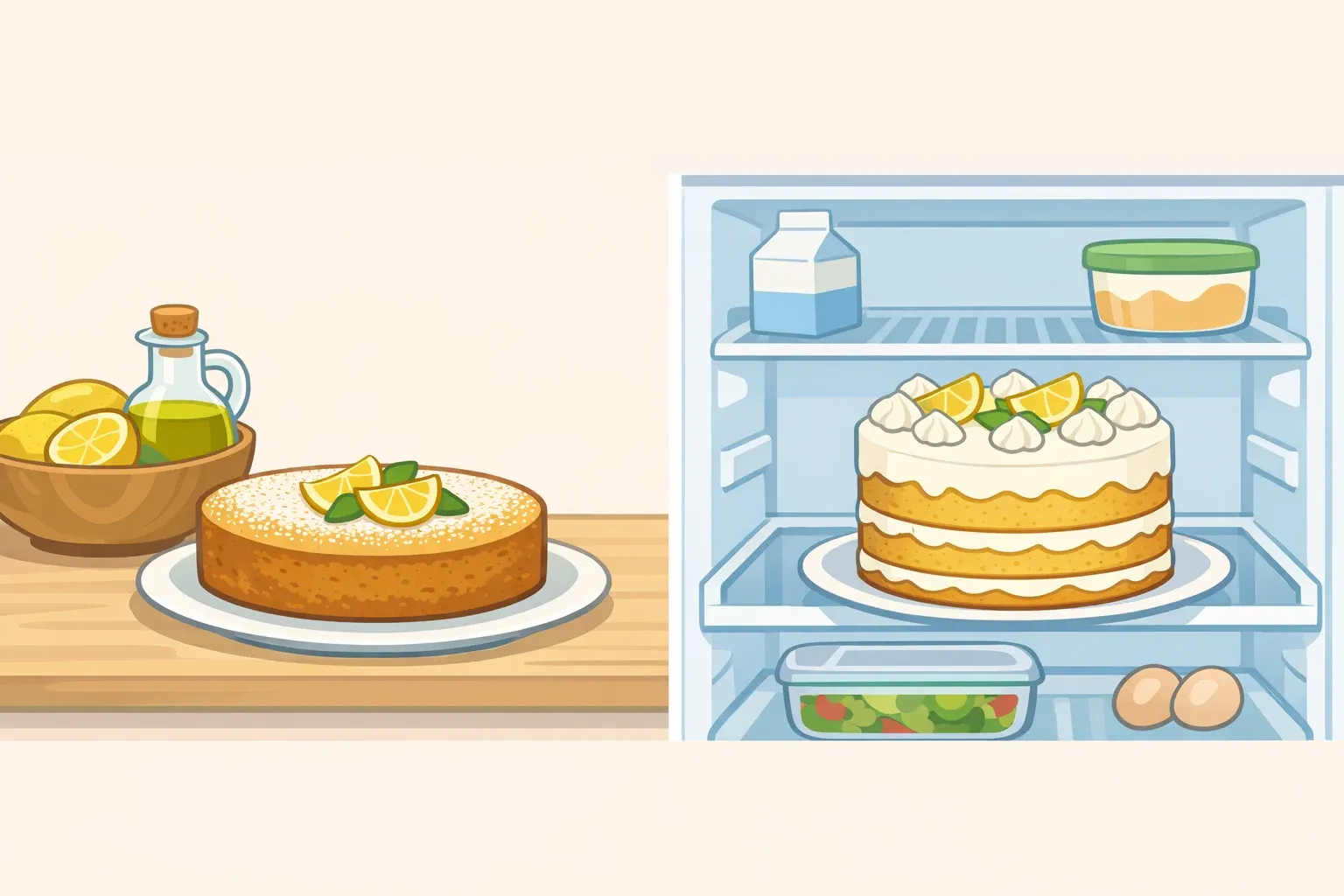
Make-ahead lemon cake can mean two very different desserts, and the one you choose determines your prep schedule, refrigerator space, and serving-day work.
The quick version: A lemon olive oil cake is the easier make-ahead option. Bake it up to four days out, let it cool completely, cover it airtight, and store it at room temperature if it has no perishable topping. A cream-cheese-frosted lemon layer cake is the showier option, but it needs refrigeration, a staged prep plan, and some serving-day attention. They are not interchangeable.
This guide helps you choose the right style, then shows you how to plan each one in advance.
Choose your lemon cake first
Choose lemon olive oil cake if:
You want to bake 2–4 days ahead with no refrigeration required
Fridge space is limited or the occasion is casual
You want basic equipment, pantry ingredients, and a forgiving timeline
Choose lemon layer cake with cream cheese frosting if:
You are baking for a formal occasion and presentation matters
You have refrigerator space for a covered cake
You are willing to spread the work across several days for a bakery-style result
Three facts anchor the choice:
Lemon olive oil cake is usually the more forgiving make-ahead dessert. Love and Lemons says its lemon olive oil cake can be stored in an airtight container at room temperature for up to four days.
Cakes with real cream cheese frosting need refrigeration. Allrecipes, citing FDA guidance, says cream cheese frosting needs refrigeration within two hours.
Cream cheese has a shorter room-temperature window in hot weather. Food scientist Abbey Thiel told Simply Recipes that cream cheese should be refrigerated within one hour if the room is above 90°F.
Both paths are better with fresh lemons. Bottled juice can work in some recipes, but fresh zest carries the strongest lemon aroma, and zest is the part bottled juice cannot replace.
Lemon olive oil cake is the low-stress make-ahead choice
Lemon olive oil cake earns the make-ahead label because it does not need frosting, stacking, or refrigerator space unless you add a perishable topping. Olive oil cakes also tend to stay moist longer than butter-based cakes, which makes them a better fit when you want dessert finished before the day of serving.
No stand mixer, layering, or frosting temperature management required.
Make-ahead timeline
Up to 4 days out: Bake the cake, cool it completely, and cover it airtight.
1 day out: Add glaze or powdered sugar, if desired.
Day of serving: Add whipped cream, fruit, or other perishable toppings right before serving.
How to get stronger lemon flavor
Real lemon flavor needs both zest and juice. Zest gives the cake its lemon aroma; juice adds tartness.
The most useful step is to rub the zest into the sugar before adding the wet ingredients. Use your fingers and work the zest into the sugar for about a minute, until the sugar looks slightly yellow and smells strongly citrusy. This releases the fragrant oils from the zest and gives the finished cake a brighter lemon flavor.
For easier juicing, use room-temperature lemons and roll them firmly on the counter before cutting.
Basic workflow, not a full recipe
This is a make-ahead workflow, not a standalone recipe. Use the ingredient quantities from your chosen lemon olive oil cake recipe, then follow the timing, cooling, and storage steps below.
Preheat the oven and prep the pan. A typical lemon olive oil cake bakes at 350°F in a 9-inch round cake pan. Grease the pan with olive oil and line the bottom with parchment for easier removal.
Whisk the dry ingredients. Combine the flour, baking powder, baking soda, and salt in a bowl.
Rub the zest into the sugar. Combine lemon zest and sugar in a large bowl, then rub them together with your fingers until fragrant.
Add the wet ingredients. Whisk in the olive oil, eggs, lemon juice, milk, and vanilla until smooth.
Combine wet and dry. Add the dry ingredients to the wet mixture and whisk until just combined. Stop when no dry streaks remain.
Bake. Pour the batter into the prepared pan, smooth the top, and bake until the cake springs back lightly and a toothpick inserted in the center comes out clean.
Cool completely before storing. Let the cake cool in the pan for about 15 minutes, then transfer it to a wire rack. Do not cover a warm cake; trapped steam can make the exterior gummy.
Finishing options
Powdered sugar: Dust it on the day of serving.
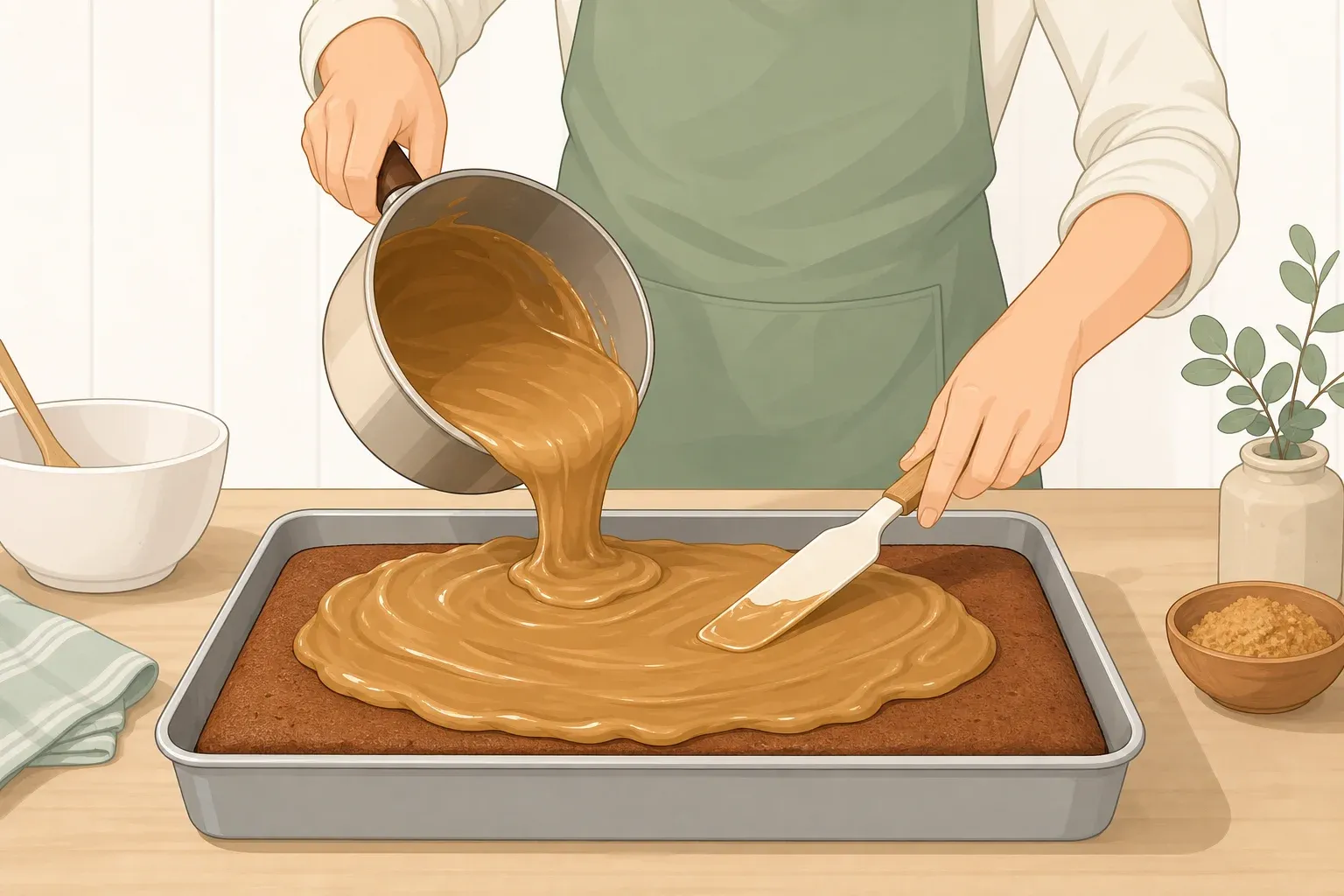
Lemon glaze: Stir powdered sugar with fresh lemon juice, then apply once the cake is fully cool.
Whipped cream and fresh fruit: Add these at serving time only.
How to store lemon olive oil cake
Store a plain lemon olive oil cake in an airtight container at room temperature for up to four days. Refrigerate only if your recipe recommends it, your kitchen is very warm, or you add a perishable topping.
If you refrigerate the cake, let slices come back toward room temperature before serving. For longer storage, wrap individual slices tightly and freeze them.
Effort level: low. Basic equipment, no stand mixer, and no refrigeration required unless you add a perishable topping.
Lemon layer cake needs a staged plan
A lemon layer cake with cream cheese frosting is a more ambitious project: multiple cake layers, lemon filling or curd, and tangy frosting. Choose it for birthdays, dinner parties, or presentation-first occasions.
The only realistic way to make this cake ahead is to break the work into stages. Bake the layers first, make the filling separately, chill everything, then assemble and frost the cake once the components are cool and stable.
Make-ahead timeline
Several days ahead: Make lemon curd if your recipe allows; store it airtight in the refrigerator.
Up to 2–3 days ahead: Bake the cake layers, cool them completely, wrap them tightly, and refrigerate or freeze.
1–2 days ahead: Make the cream cheese frosting and refrigerate it.
Day before serving: Assemble and frost the cake, then refrigerate it covered.
Day of serving: Bring the cake or slices out briefly before serving for better texture.
Use the same lemon technique
The zest-into-sugar method works for layer cake, too. Rub the zest into the sugar before mixing the batter so the lemon oils spread through the cake instead of staying in clumps.
If you are making lemon curd, follow your recipe closely and whisk constantly while it cooks. Lemon curd depends on eggs, sugar, lemon juice, and heat working together; rushing the cooking step can leave it runny, while overheating can scramble the eggs.
Why cream cheese frosting changes the storage rules
Some recipe blogs allow a cream-cheese-frosted cake to sit covered on the counter overnight, but that is not the safer rule to follow. Treat real cream cheese frosting as perishable: refrigerate the cake within two hours of total time at room temperature.
Refrigeration firms up cake crumb and frosting, so plan a short warm-up before serving. Southern Living recommends bringing a refrigerated cream-cheese-frosted cake out about an hour before serving, which keeps the cake from tasting refrigerator-cold while staying inside the general two-hour safety window.
For outdoor summer service, keep a cream-cheese-frosted cake chilled until serving. If the temperature is above 90°F, do not leave it out for more than one hour.
How to store lemon layer cake with cream cheese frosting
Refrigerate the assembled cake, well covered. A cake carrier, cake box, or loose tent of plastic wrap can help protect the frosting without smearing it.
For the best texture, bring out only what you plan to serve instead of leaving the whole cake at room temperature for a long period. Unfrosted cake layers can usually be wrapped tightly and refrigerated for a few days or frozen for longer storage, depending on the recipe.
Effort level: intermediate; requires staged prep and refrigerator space.
Which lemon cake should you make?
For a casual dinner, small gathering, brunch, or limited fridge space, choose lemon olive oil cake. Bake it ahead, cover it well, and finish it simply with powdered sugar, glaze, whipped cream, or fruit.
For a birthday, dinner party, shower, or presentation-first occasion, choose the layer cake. Spread the work across several days, assemble it once the components are cold, and refrigerate it after frosting.
For an outdoor event in hot weather, avoid real cream cheese frosting unless you can keep the cake chilled. A plain olive oil cake with glaze, powdered sugar, or fruit added at serving is easier to manage.
Whichever path you take, the best lemon flavor comes from the same small step: rub fresh zest into the sugar before mixing the batter. It is a small step with a big flavor payoff.
If you are going the olive oil route, a two-ingredient lemon glaze — powdered sugar and fresh lemon juice — is the simplest upgrade. If you are making the layer cake, make or buy a lemon curd you trust, then keep the filled and frosted cake refrigerated until serving.









Comments
Be the first, drop a comment!