



Lobster base buttered noodles: method, tips, and ratios
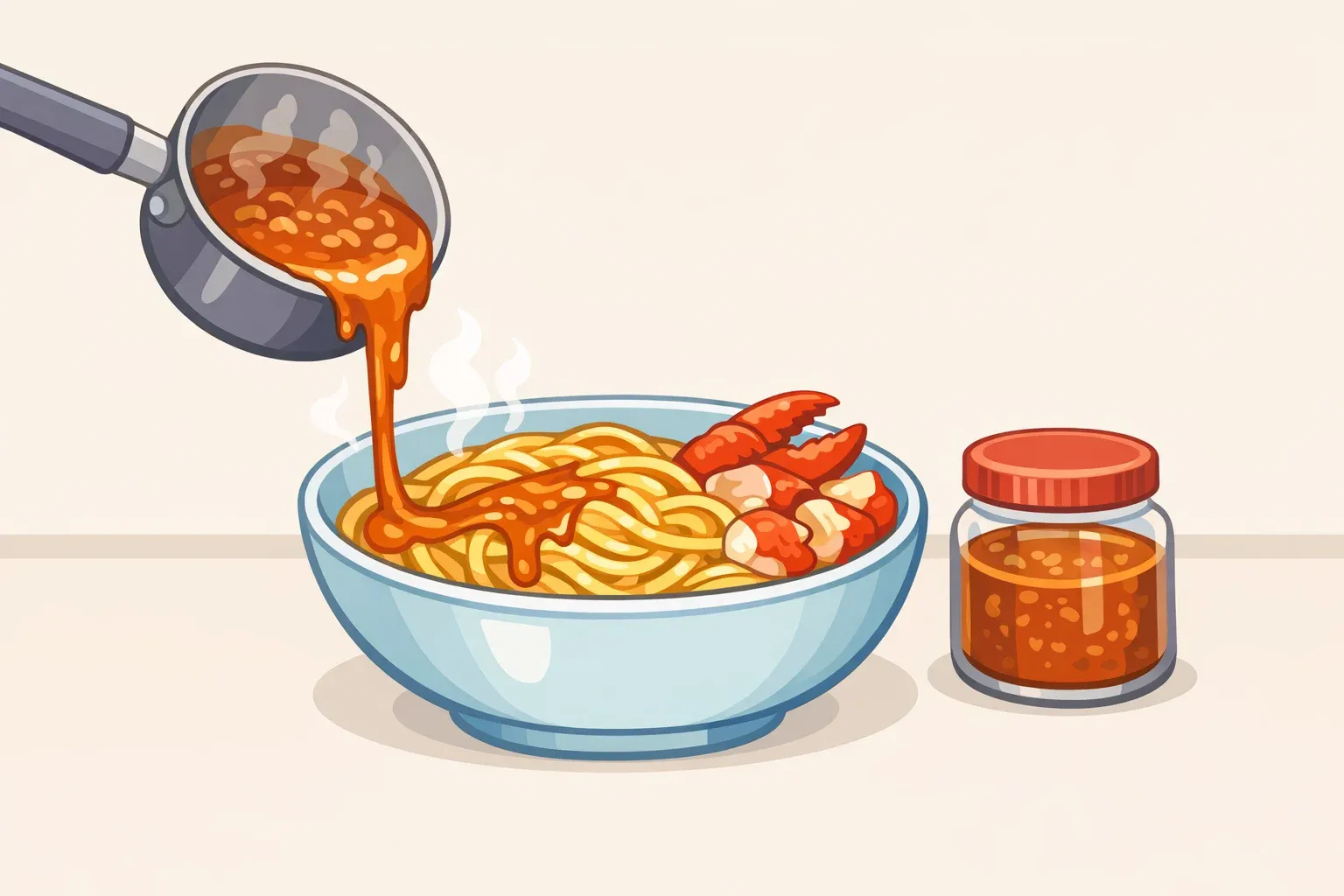
Whisking one teaspoon of lobster base into pasta water before finishing the dish produces lobster base buttered noodles that are glossy, savory, and specific enough to taste deliberate. The method stays the same as any buttered pasta. The result is noticeably different.
By the end of this guide, you'll know the exact formula, why it works at the sauce level, what to watch for at each stage, and how to use the rest of the jar.
Lobster base is a concentrated paste, the same product category as chicken bouillon or Better Than Bouillon, that dissolves into liquid and distributes flavor evenly through a dish. Both The Kitchn and Cubby published this technique earlier this year and landed on the same finding: one teaspoon adds a clear seafood note to a half-pound of pasta without pushing the dish into explicitly "lobster" territory. Because it's concentrated, it handles a significant portion of the seasoning work on its own. Factor that into how much salt you add at the finish.
Shellfish allergy note: Lobster base is made from shellfish and is not suitable for anyone with a shellfish allergy.
Before you buy: what lobster base is and where to find it
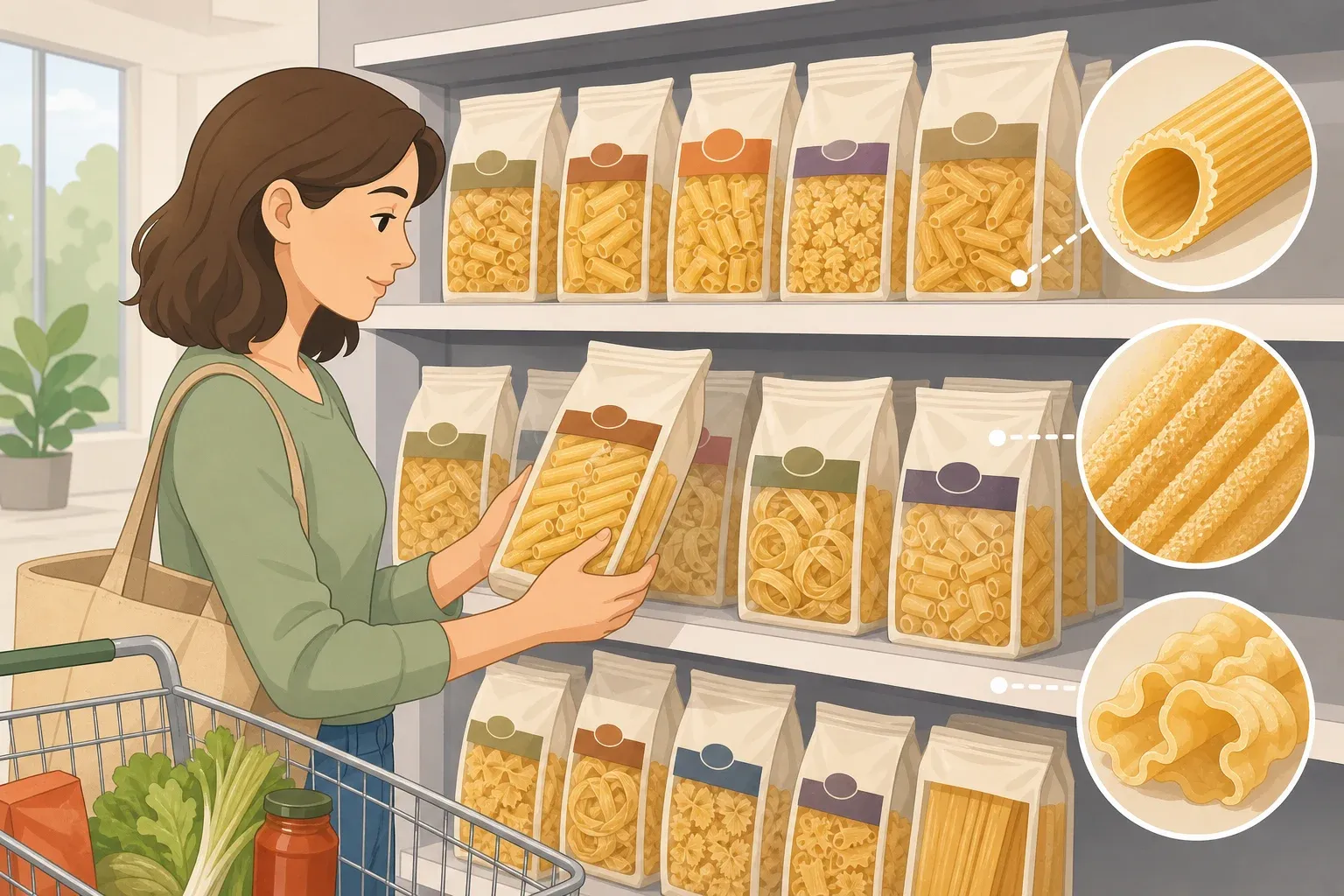
Lobster base sits in the same product family as chicken base, vegetable bouillon paste, and shelf-stable seafood concentrates. At a larger grocery store, look near the soup stocks and bouillon cubes; specialty grocery stores typically carry more options. Better Than Bouillon makes a lobster variety that's fairly widely available.
The format matters. It comes as a thick paste in a small jar, not a powder or a liquid. That texture is what makes it useful here: it whisks cleanly into hot water without leaving gritty residue or dry clumps. The Kitchn and Cubby both confirmed the base melts fully into pasta water and produces a sauce that reads as rich and savory rather than fishy or grainy.
On the shelf, look for a small glass jar labeled "lobster base" or "lobster soup base," typically 8 oz or smaller. The ingredient list should lead with lobster or lobster extract. After opening, follow the jar's refrigeration instructions most paste-style bases need refrigerating once opened and keep for several months, which means this one jar will cover a lot of ground beyond this recipe.
One more thing worth knowing before you cook: because the base is concentrated, it carries significant sodium. Go easy on the pasta water salt and taste the finished sauce before reaching for the kosher salt.
Why this works: the sauce, explained once
The technique is standard pasta finishing with one modification. Instead of plain pasta water, you're using water that's been flavored with lobster base.
Pasta water, by the time the pasta has finished cooking, is cloudy with dissolved starch. That starch is what allows butter to combine into a cohesive sauce rather than separate into a greasy puddle at the bottom of the bowl. Whisk the lobster base into that liquid before it hits the skillet and the flavor distributes evenly through every tablespoon of sauce. No clumping, no pockets of intensity, just a consistent seafood undercurrent across the whole dish.
The butter finish works on the same principle. The Kitchn and Cubby describe the result the same way: the base melts into the pasta water and, when combined with butter, produces a sauce that is glossy, rich, and savory. Understanding that sequence makes it easier to diagnose the dish if something goes wrong.
Lobster base buttered noodles: the method
What you need:
- 1/2 pound dried pasta (linguine, spaghetti, or egg noodles work well)
- 3 tablespoons unsalted butter, divided
- 2 garlic cloves, minced
- 1 teaspoon lobster base
- 1/2 cup reserved pasta water
- Kosher salt to taste
- Optional: thinly sliced chives, freshly cracked black pepper
The garlic is optional in the strictest sense. The lobster base and butter carry the dish without it. A minute of garlic in butter adds aromatic depth that makes the sauce feel more complete, so include it if you have it.
Step 1: Cook pasta to just under al dente, then save the water.
Cook 1/2 pound of dried pasta in boiling water, pulling it one minute before the package's stated al dente time. Before draining, scoop out at least 1/2 cup of pasta water and set it aside. (The Kitchn, earlier this year)
What to expect: Pasta with a faint chalkiness at the center. It looks underdone. That's intentional it finishes in the skillet.
What to watch for: The pasta water should be visibly cloudy and starchy. Clear water hasn't picked up enough starch to do its job in the sauce. This happens when pasta is cooked in a very large volume of water or pulled too early. If the water looks thin, let the pasta cook another thirty seconds before pulling it.
Step 2: Dissolve the lobster base into the hot pasta water.
Whisk 1 teaspoon of lobster base into the reserved pasta water until fully dissolved. (Cubby, earlier this year)
What to expect: The water turns a pale amber or coral color and smells faintly of seafood. The paste should disappear completely into the liquid with no visible clumps.
Don't skip this step or try to add the base directly to the skillet. Base added dry to a hot pan clumps on contact and leaves uneven salty pockets in the finished dish. Dissolving it in the pasta water first is what makes the flavor consistent throughout.
Step 3: Cook garlic in butter until fragrant.
Melt 1 tablespoon of unsalted butter in a skillet over medium heat. Add the minced garlic and cook for about one minute, until it smells toasty and turns translucent. (The Kitchn, earlier this year)
What to expect: The butter will foam lightly as the garlic cooks. The garlic should soften and turn just barely golden at the edges, not brown.
Watch the heat closely. Garlic that colors too fast turns bitter, and that bitterness carries through the whole dish. If it's moving faster than expected, pull the pan off the burner for a few seconds. Scorched garlic cannot be fixed wipe the pan and start the step again.
Step 4: Add pasta and lobster water, toss to finish cooking.
Add the drained pasta and the lobster-infused pasta water to the skillet. Toss constantly over medium heat for one to two minutes until the pasta absorbs most of the liquid and finishes cooking through. (Cubby, earlier this year)
What to expect: The liquid reduces quickly into a light, starchy coating around the noodles. They'll look glazed rather than wet, and the sauce will begin to cling rather than pool. That's the visual cue to move to the butter.
What to watch for: If the pan looks dry before the pasta is cooked through, the sauce is tightening up too fast. Add a splash more pasta water to loosen it. This is why reserving a little extra beyond the half cup is worth doing.
Step 5: Finish with cold butter, off-heat.
Turn off the heat. Add the remaining 2 tablespoons of unsalted butter and stir continuously until fully melted and the sauce looks smooth and cohesive. Taste, then season with kosher salt only if it needs it the base has already done significant seasoning work. Finish with chives and black pepper. (Cubby, earlier this year)
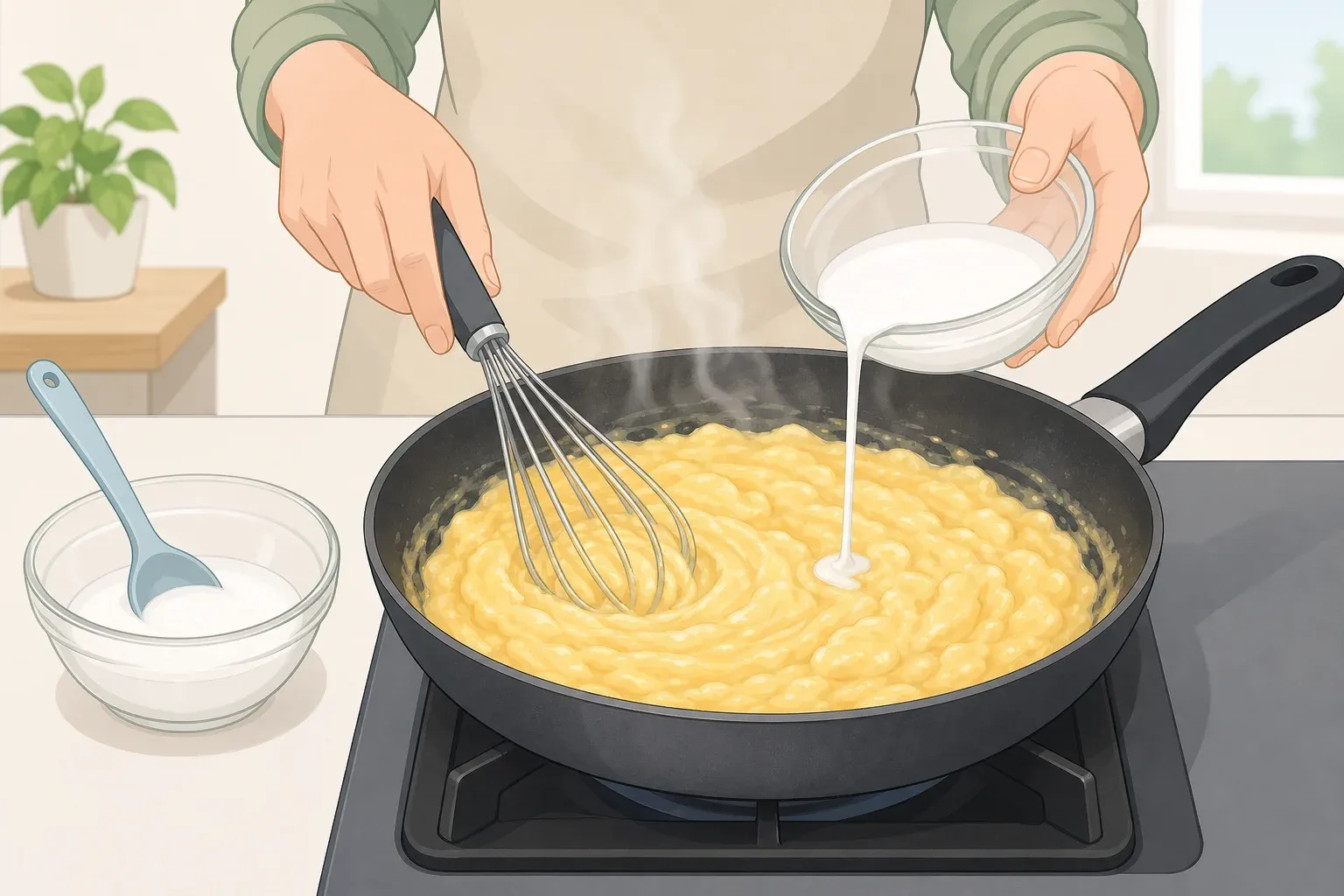
What to expect: A glossy, cohesive sauce that coats the noodles evenly. The finished dish should look lacquered rather than wet or oily.
The off-heat instruction matters. The pan's residual warmth is enough to melt the butter gradually into the starchy liquid. Adding butter while the burner is still on risks the sauce breaking into something greasy rather than smooth.
What can go wrong
- Too salty: The base handles most of the seasoning on its own. Taste the sauce before adding kosher salt, and go light on salting the pasta water. Both The Kitchn and Cubby flag this: the base is concentrated, a little goes a long way.
- Too much lobster flavor: One teaspoon per half-pound is where both sources land, and for good reason. At that ratio, the seafood note stays in context. Exceed it and the lobster stops functioning as background depth and becomes the whole point of the dish.
- Greasy, broken sauce: The butter went in while the pan was still too hot, or the pasta water was too thin to hold the emulsion. Turn off the heat before the final butter addition, and make sure the pasta water looks properly cloudy and starchy before you reserve it.
- Pasta water too thin: If the reserved liquid looks nearly clear, it hasn't picked up enough starch. Pull the pasta slightly later, or let it sit in the water an extra thirty seconds before scooping.
- Burnt garlic: One minute over medium is the ceiling. If it scorches, start fresh. Bitter garlic carries through every bite.
Scaling and serving
The sourced recipe is one teaspoon per half-pound of pasta. The Kitchn is specific about that threshold: the base is concentrated enough that exceeding it risks the dish becoming aggressively salty rather than deeply flavorful. Cook to that ratio first. If you want to push the flavor more explicitly, try 1.5 teaspoons on a subsequent batch rather than adjusting mid-cook on an untested quantity.
As a side, the noodles are complete on their own. As a main, Cubby confirms they work well with quickly sautéed shrimp or seared scallops for a weeknight seafood dinner. The sauce is already built; the protein is the only addition.
Other uses for the jar
A small jar goes further than this recipe. Think of lobster base the way you'd think about fish sauce or miso: a background layer that deepens what's already there without announcing itself. Cubby documented it working in lobster bisque, mac and cheese, and risotto, and stirred into shrimp fried rice and seafood gumbo for added seafood depth. Any dish that already calls for shellfish or seafood stock is a natural candidate.
The noodles are the most straightforward case for buying it. They're not the last one.




Comments
Be the first, drop a comment!