


Mayonnaise pork chops explained: science behind the technique
By the end of this guide, you'll have a reliable, low-mess method for producing mayonnaise pork chops with a crispy breadcrumb crust and a juicy interior using one ingredient you almost certainly already own.
Standard breading setups are fussier than they need to be. Oil won't cling to raw meat. Lean boneless pork loin chops dry out fast at oven temperatures, which means the usual path to crispness actively fights against juiciness. Mayonnaise solves both problems in a single step.
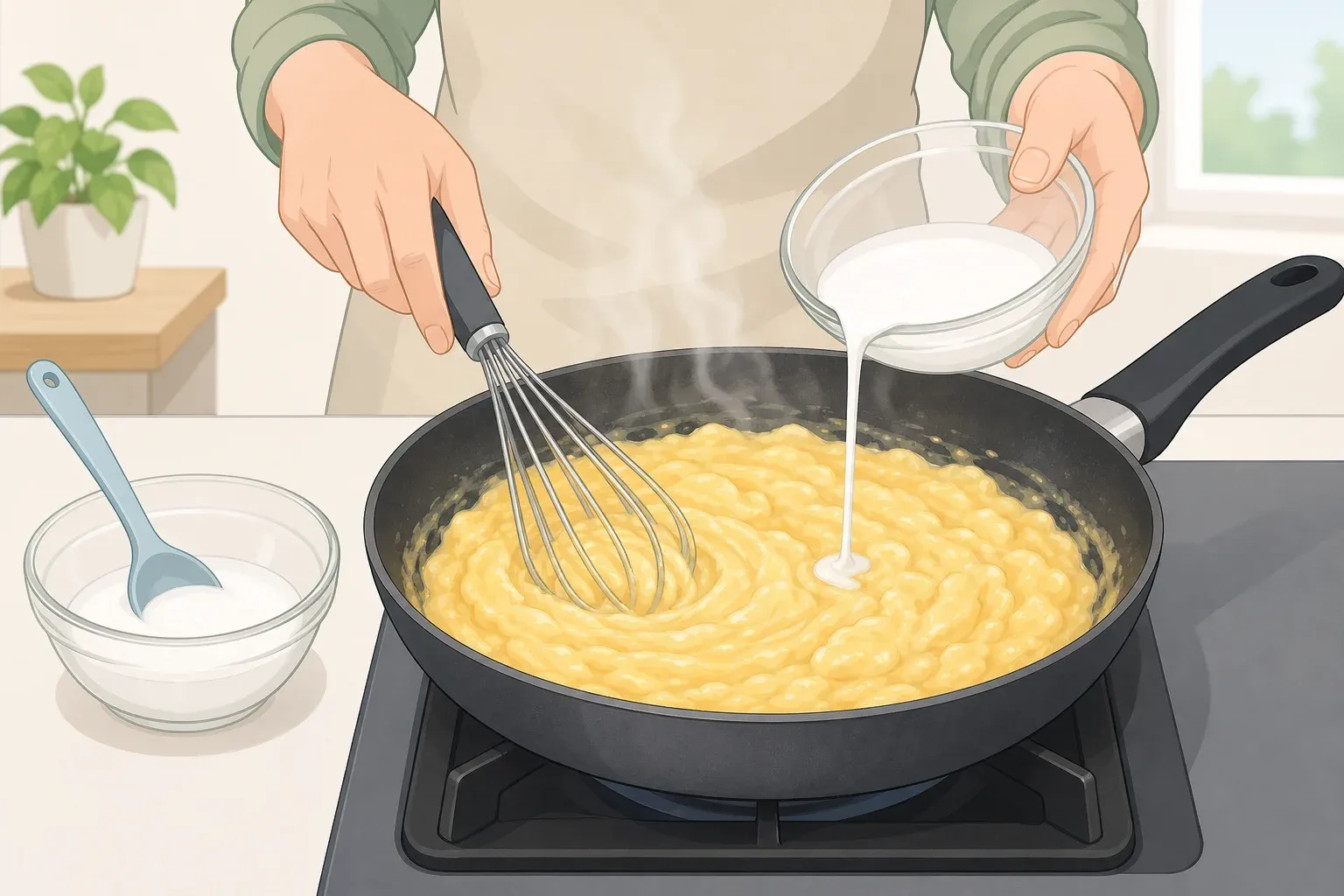
The technique is well-documented. NYT Cooking published a shake-and-bake pork chop recipe earlier this year that uses a thin mayo layer before the breadcrumb coating to hold moisture while building a crisp exterior. Chowhound reported January 2025 that pure oil-based coatings won't adhere to raw meat, and that high-sugar sauces risk scorching before the interior cooks through. Both problems, a mayo coating sidesteps. The structural reason is that mayonnaise is a flavored emulsion of minute fat particles suspended in water, a structure with adhesive and browning properties that plain oil cannot replicate, per Serious Eats.
One thing worth naming upfront: this technique circulates online under the "Gordon Ramsay mayo trick" label, and searches for Gordon Ramsay pork chops often land here. No verified Ramsay recipe or primary-source demonstration supports that attribution. The method is well-documented in credible culinary publications and stands on its own without the celebrity backstory.
This guide covers one specific application: breaded, baked boneless pork chops with a mayo coating. That's where the technique excels. Where it doesn't fit is addressed after the steps.
Why mayo works: adhesion, browning, and moisture
Understanding the mechanics once means you can troubleshoot by logic rather than guessing.
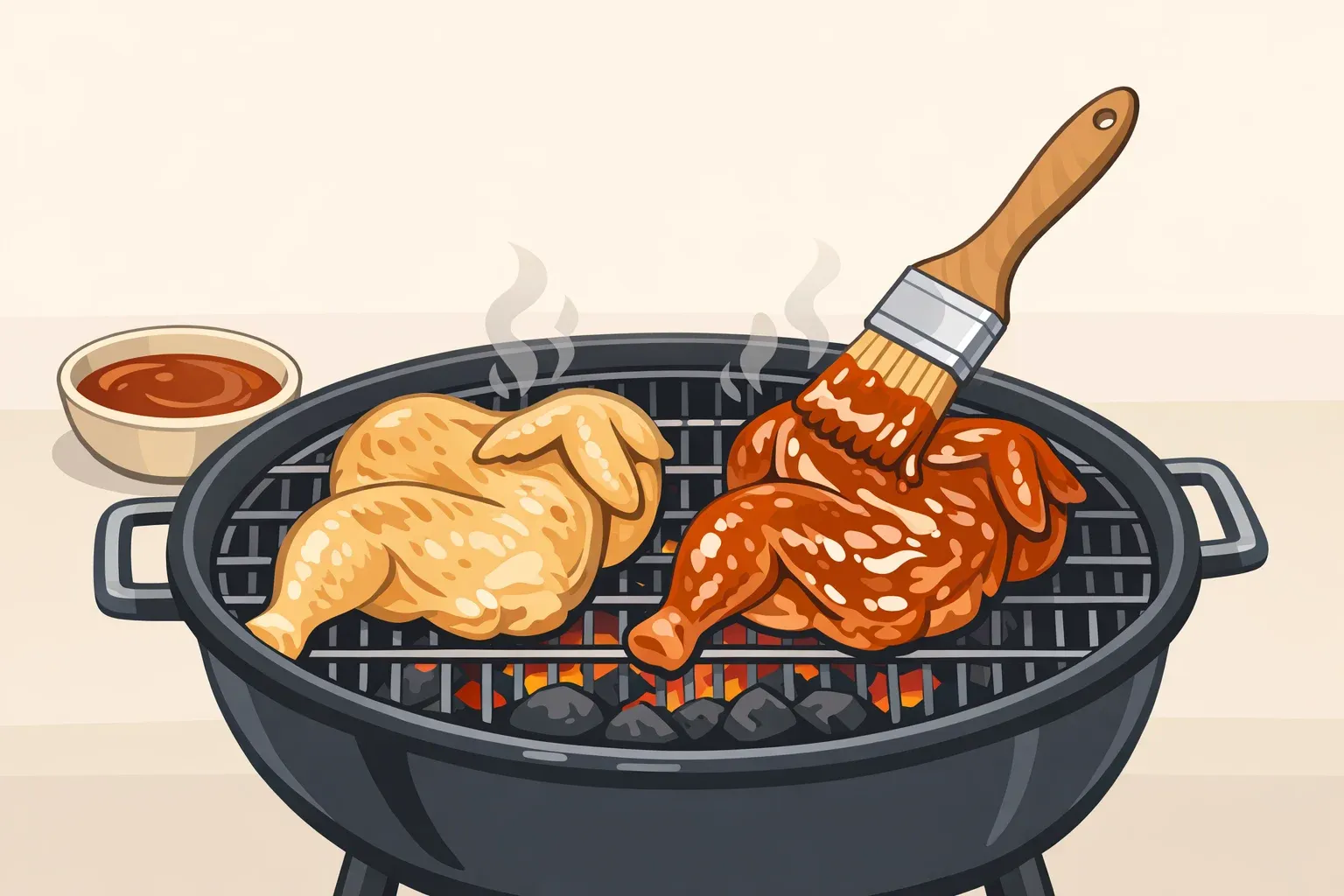
Mayonnaise clings to meat surfaces the way oil never can. Its emulsified structure creates a sticky, uniform film rather than pooling and running off. Press breadcrumbs against that film and they bond and stay bonded through the oven's heat. Chowhound identifies this as the core functional advantage over straight oil marinades: the coating actually sticks.
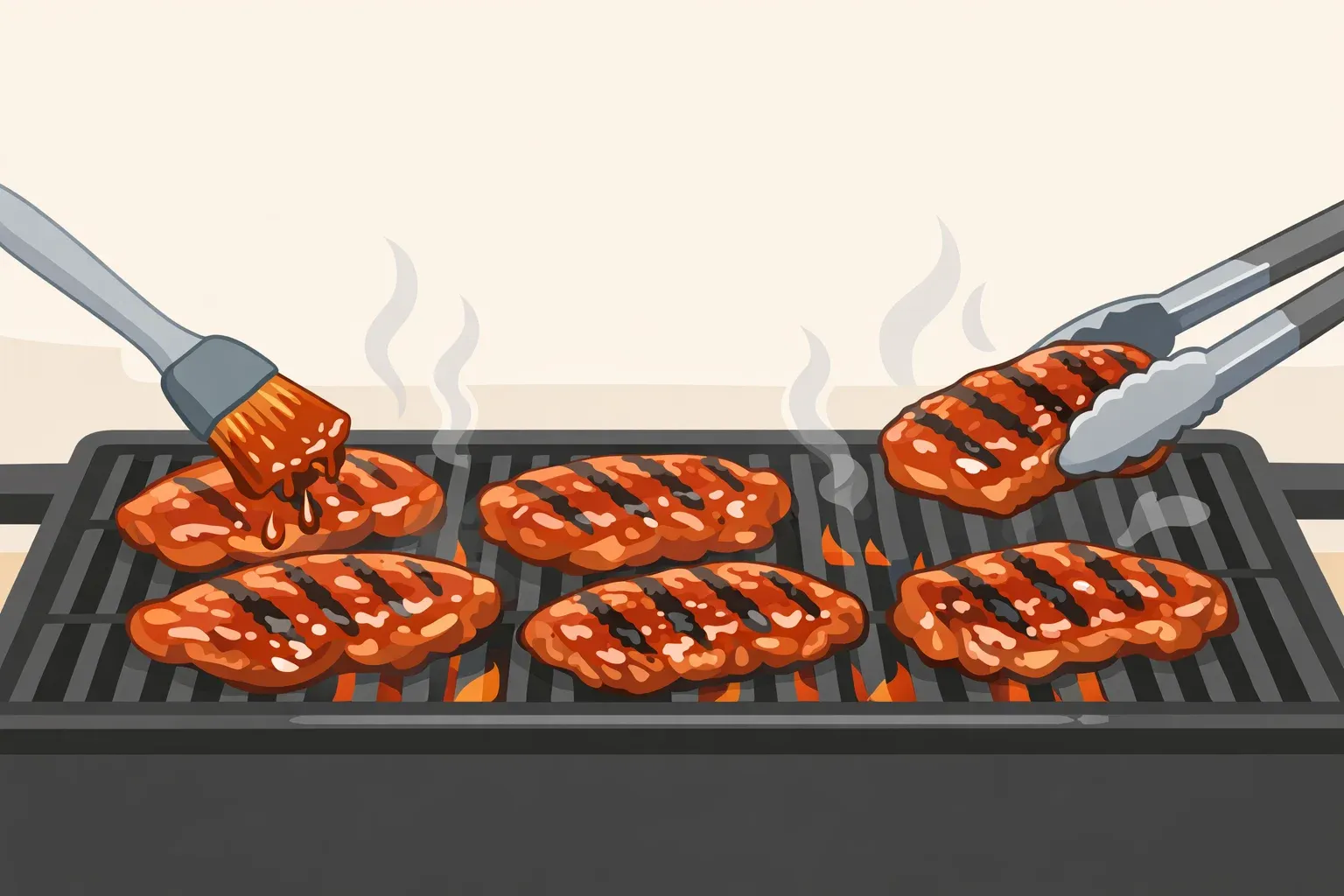
The same emulsion chemistry controls browning. A mayo coating can help sugars and seasonings brown more evenly rather than scorch as quickly, because the emulsified fat promotes gradual, even browning. A high-sugar glaze hitting direct oven heat tends to burn at the surface before the interior reaches temperature. Chowhound points to this as the specific reason teriyaki-style coatings fail where mayo-based ones succeed.
At its most fundamental level, mayonnaise is a flavored emulsion of minute fat particles suspended in water, per Serious Eats. That's exactly what a breading binder needs to do: carry fat and flavor together in a form that adheres uniformly to a protein surface.
One concern worth addressing directly: the mayo flavor becomes much less pronounced after baking. What remains after baking is richness and color. No sandwich-spread aftertaste. The condiment character bakes out, and what you're left with is a well-browned, savory crust.
What you need before you start
Confirm you have the following before beginning:
Boneless pork chops, ¾ to 1 inch thick. NYT Cooking specifies boneless for even, fast cooking. Bone-in chops work but require closer monitoring and additional time in the oven.
Full-fat mayonnaise. The emulsion structure that makes this technique work depends on fat content. Low-fat versions contain more water, which can interfere with browning.
Seasoned breadcrumbs, or the ingredients to mix your own.
A rimmed sheet pan.
An instant-read thermometer. Genuinely required here, not a suggestion.
A few variables will affect your results more than anything else:
Chop thickness matters most. Thin chops will overcook before the crust fully sets. Very thick chops may need extended time or a lower oven temperature to cook through without burning the exterior. The method below is calibrated for ¾ to 1 inch; stay in that range for the first attempt.
Breadcrumb type determines texture. Fine breadcrumbs produce a tight, uniform crust. Panko creates a coarser, crunchier result with more surface variation. Both work; the choice is textural preference.
For quantity, Chowhound puts ¼ to ⅓ cup as a rough reference for four boneless chicken breasts. Pork chops want the same approach: coat fully, but don't pile it on. The mayo should look like a primer coat, not a spread.
NYT Cooking notes that the breadcrumb seasoning mix can be made in large batches and stored. That's what makes this method genuinely repeatable on weeknights. Make a double batch on the first run.
How to make mayonnaise pork chops in the oven
Step 1: Heat the oven to 400°F. Position a rack in the middle of the oven. Line a sheet pan with foil. If you have a wire rack, set it on the sheet pan. Lifting the chops off the surface lets hot air circulate on all sides, which helps the bottom crust crisp rather than sit in pooled fat and moisture. Use it if you have one; if not, plan to flip the chops halfway through.
Step 2: Mix the breadcrumb coating. Combine breadcrumbs and seasonings in a bag or lidded container. NYT Cooking uses paprika, a small amount of sugar, garlic powder, onion powder, oregano, celery salt, and kosher salt. Shake or stir to combine. Make a double batch now and store the extra; this is the move that makes the method practical week after week.
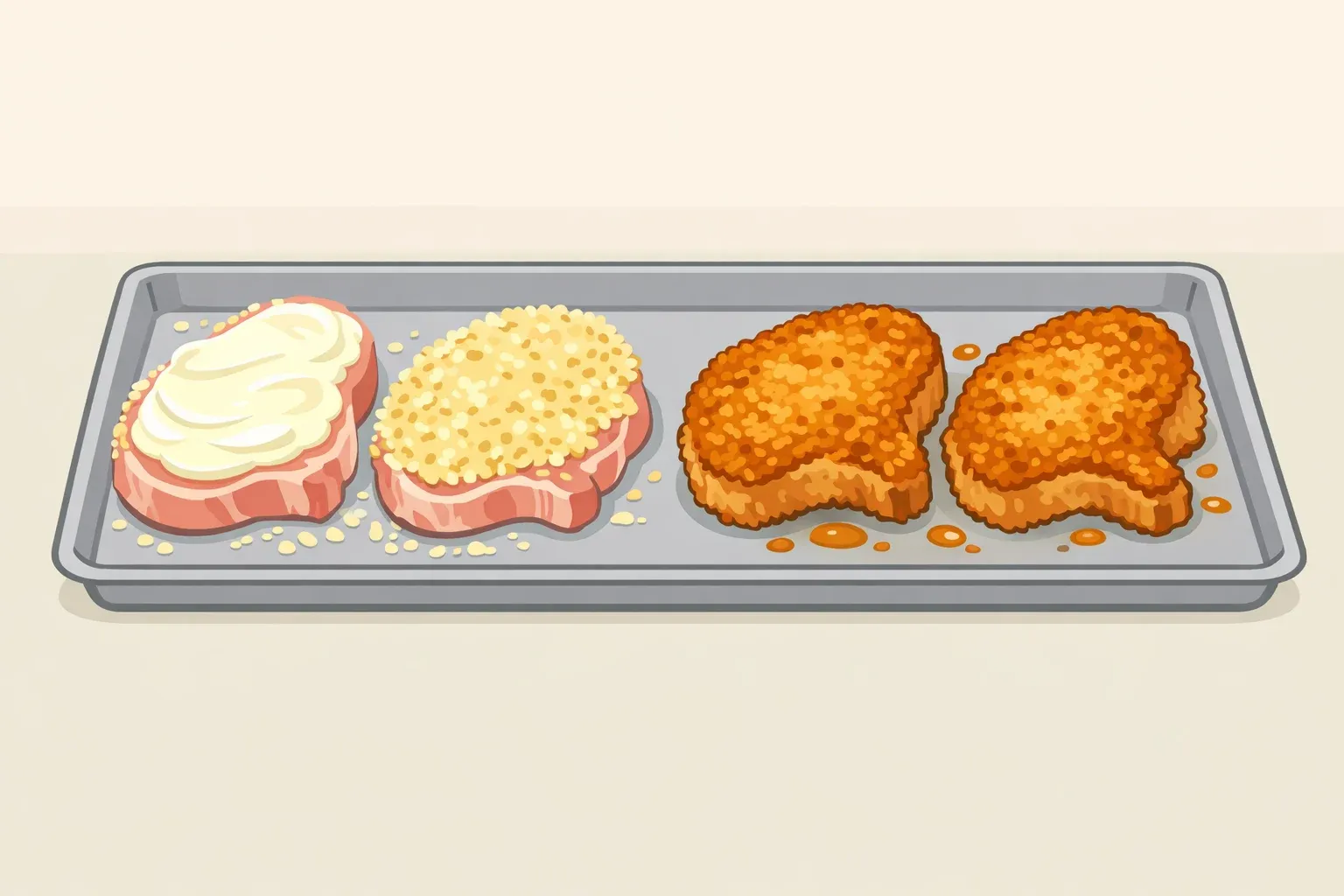
Step 3: Pat the chops dry, then coat with mayo. A dry surface helps the coating cling. Excess moisture on the meat causes the mayo to slip rather than adhere evenly, and wet meat generates steam that softens breadcrumbs before they can crisp. Once dry, spread mayo over all surfaces of each chop: top, bottom, and sides. Aim for even, thin coverage. Move immediately to the next step; don't let the coated chops sit out.
Step 4: Dredge in the breadcrumb mixture. Place each mayo-coated chop into the breadcrumb container and shake or press to coat evenly on all sides. The mayo holds the crumbs without a flour-egg-breadcrumb dredge. That two- or three-bowl setup is precisely what this method replaces. Press lightly if needed for full coverage, but don't pack the crumbs on.
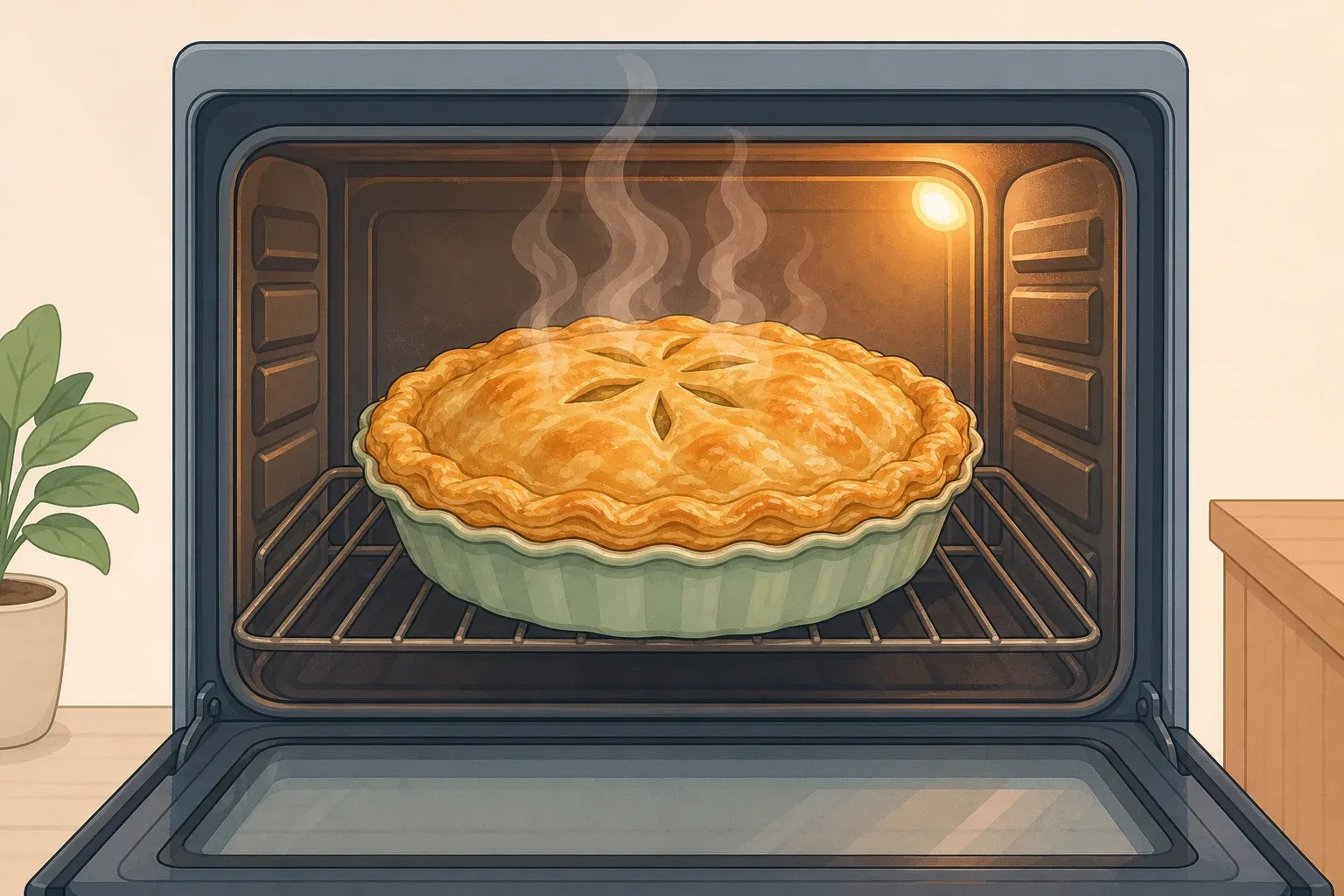
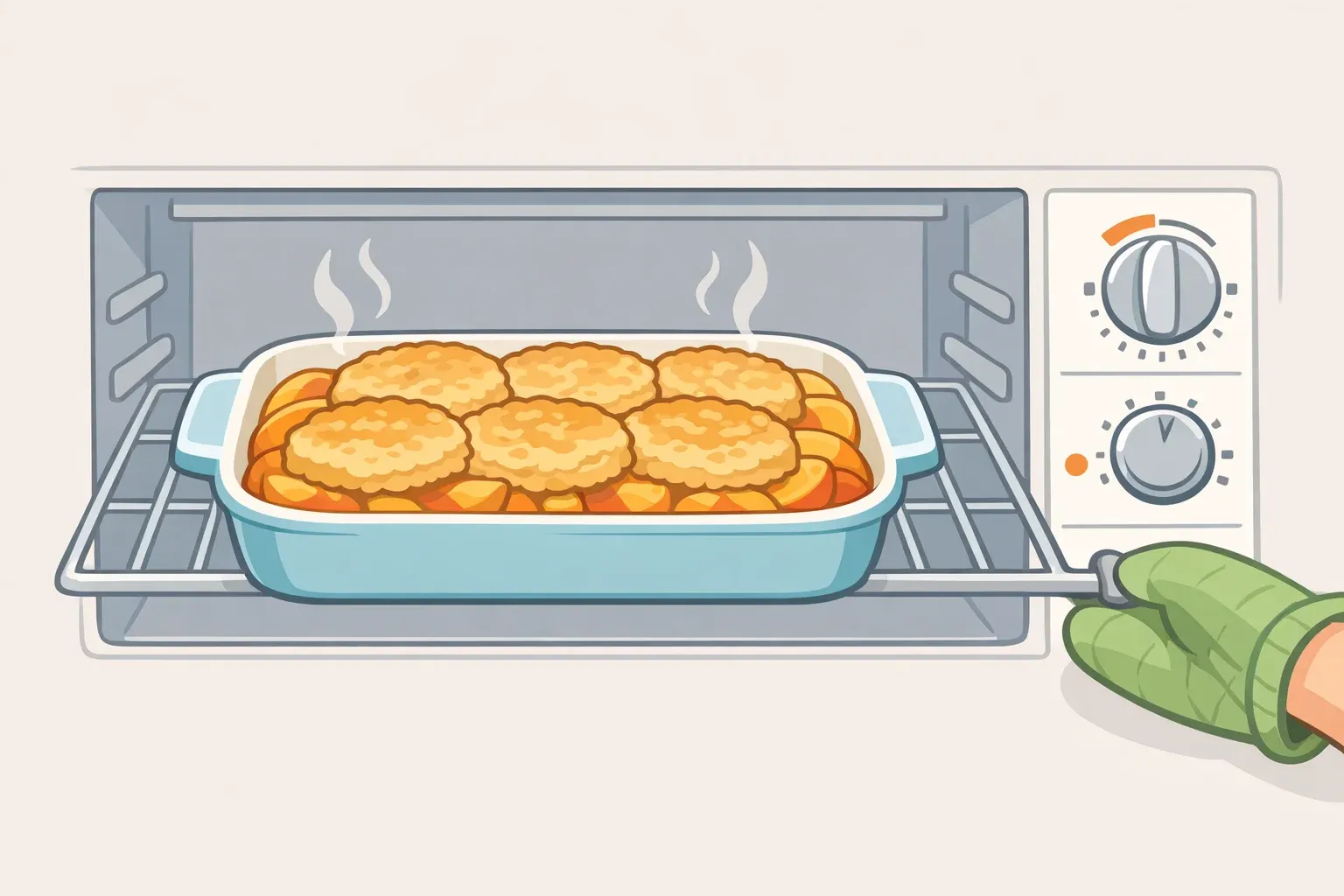
Step 5: Bake to an internal temperature of 140°F. Place the coated chops on the prepared pan, spaced apart. Crowding traps steam and will soften the crust you just built. Bake for 15 to 18 minutes, per NYT Cooking. Start checking with a thermometer at the 14-minute mark. Pull at 140°F, not by color, not by timer.
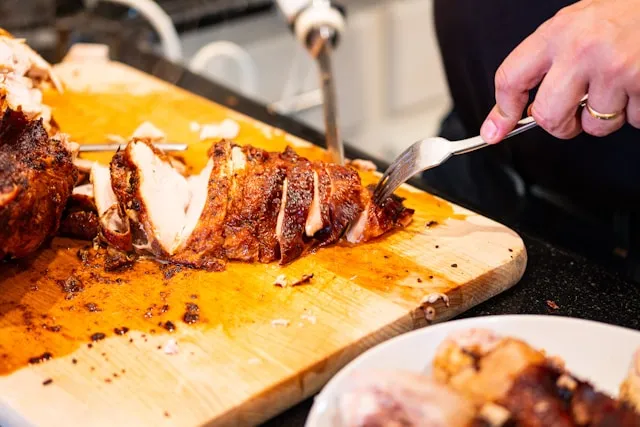
Step 6: Rest 5 minutes before serving. Carryover cooking brings the internal temperature from 140°F to 145°F during this rest, as NYT Cooking confirms. Cutting immediately releases the juice you preserved with the mayo layer. Wait the five minutes.
Common failures and fixes:
Soggy bottom crust: No rack was used, or the chops were crowded. Use a rack next time; at minimum, flip halfway through.
Coating slid off: The chops weren't dried before applying mayo, or the mayo layer was too thick and pooled at the edges. A thin, uniform coat is the goal.
Crust browned but pork was underdone: The chops were thicker than expected. Always pull by thermometer, not color.
Dry, overcooked interior: The oven ran hot, or the chops were on the thinner side. Check earlier next time and pull at exactly 140°F, per NYT Cooking.
A baseline seasoning template for baked pork chops with mayonnaise
NYT Cooking provides the ingredient list for the breadcrumb mix: paprika, sugar, garlic powder, onion powder, oregano, celery salt, and kosher salt. As a tested starting point for four pork chops (¾ to 1 inch thick):
1 cup breadcrumbs (fine) or panko
1½ teaspoons paprika
1 teaspoon kosher salt
½ teaspoon garlic powder
½ teaspoon onion powder
½ teaspoon dried oregano
¼ teaspoon celery salt
¼ teaspoon sugar
Adjust salt and paprika to taste after the first batch. The sugar is small enough not to read as sweet; it promotes browning. Panko produces a coarser, crunchier crust than fine breadcrumbs. Both versions work; they just land at different textures.
Where this method fits and where it doesn't
The mayo-breadcrumb-oven combination is built for boneless chops that need a crisp coating without much technique. Its advantages are adhesion, speed, and minimal cleanup: one thin coating step replaces a three-bowl dredge, the breadcrumb mix comes from a stored batch, and there's one pan to wash.
For unbreaded chops, the approach is different. A dry spice rub applied anywhere from 30 minutes to overnight before searing in a hot, lightly oiled skillet builds a direct-contact crust with different texture and depth. Food & Wine demonstrates this: recipe developer Anna Theoktisto seasons ahead to let flavor penetrate the meat, then sears until the crust sets and the chop reaches temperature. That method wins on crust intensity and char. The mayo-and-oven method wins on simplicity and moisture retention for lean cuts.
Neither is universally better. Use mayo pork chops when you want a clean, fast weeknight result with a crumb crust. Pull out the dry rub and a hot pan when you want maximum crust flavor and don't mind the extra steps.
What you can do now
The emulsion science behind crispy breaded pork chops made with mayo is documented across credible culinary sources: mayo adheres where oil slides off, promotes controlled browning where sugar glazes scorch, and helps lean pork hold onto moisture through a hot oven, per Chowhound and Serious Eats.
The six-step method is fast on active time. Bake at 400°F, pull at 140°F internal, rest 5 minutes to reach 145°F, per NYT Cooking.
Once the logic is clear, the method becomes a platform. Swap in panko for more crunch, smoked paprika for depth, or parmesan mixed into the crumbs for richness. The coating changes; the technique stays constant. That's what makes it worth adding to a regular rotation rather than treating it as a one-time trick.

Comments
Be the first, drop a comment!