



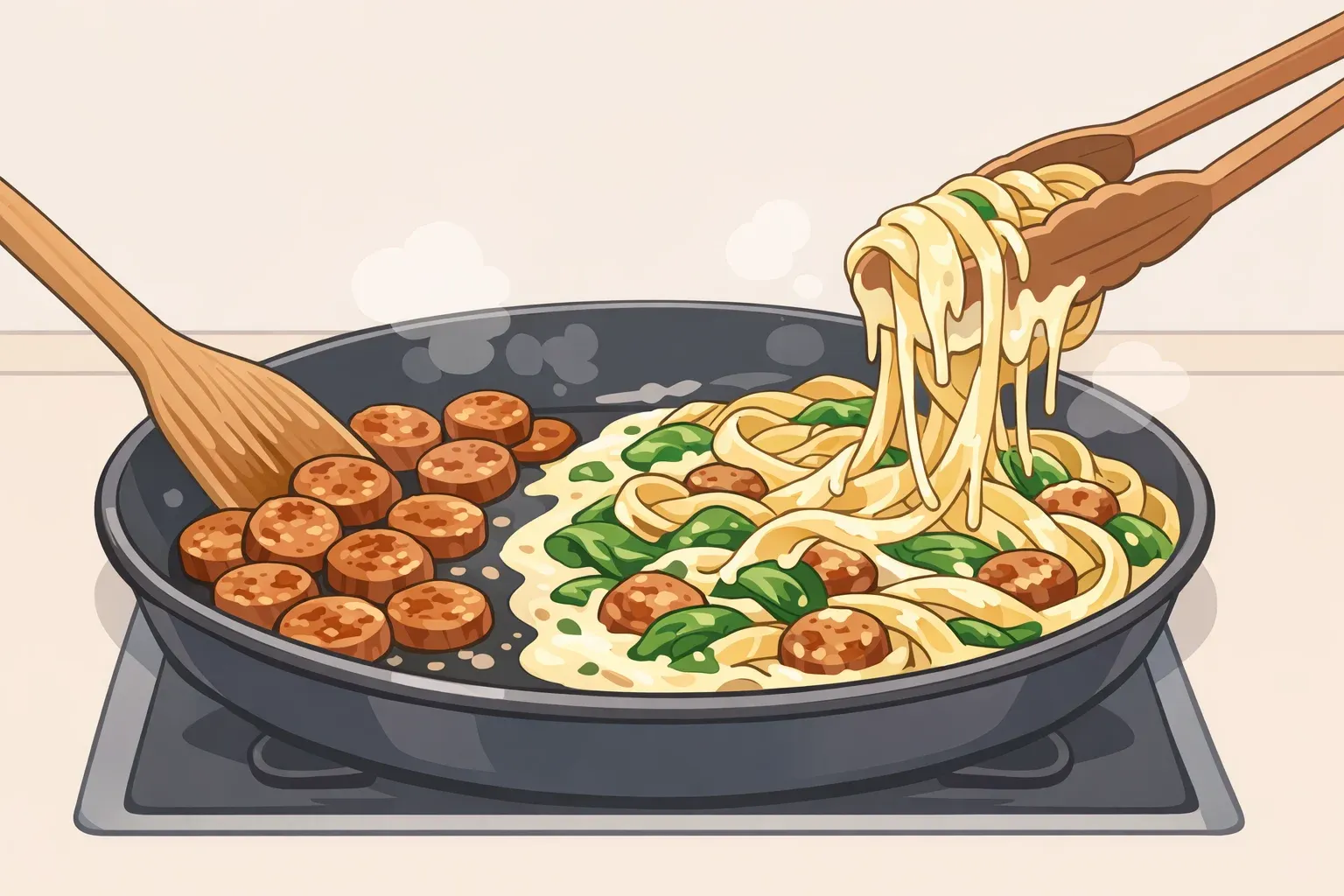
Cheesy Spinach Sausage Pasta Recipe: 30-Minute Method
This guide walks through a reliable stovetop method for a cheesy spinach sausage pasta recipe that delivers in 30 minutes: one pan, four servings, no special equipment. By the end, you'll have properly browned sausage, a glossy sauce built on starchy pasta water and off-heat cheese, and spinach that stays bright green. A workable baseline across these sources uses Italian sausage, short pasta, Parmesan, and an acid element. Variations come after the core method is clear.
Well Plated clocks 10 minutes of prep and 15 of cooking for four servings; Budget Bytes prices their version at roughly $7.07 total, or about $1.77 per serving.
The make-or-break technique points are not about unusual ingredients. They are browning the sausage properly, reserving pasta water before draining, adding cheese off heat, and putting the spinach in last. None requires special equipment.
This article covers the stovetop method in full, then explains how to convert it to a baked version when you want a crispy cheese top or need to feed a crowd hands-off.
The baseline formula: what goes in and why
Before any cooking begins, establish the default. Every meaningful substitution lives downstream of a core set of ingredients. Know the baseline first; adjust from there.
Default quantities for 4 servings:
- 8 oz short pasta (penne, orecchiette, or fusilli)
- 1 lb Italian sausage (sweet or hot), casings removed
- 4 cups fresh baby spinach
- 3 garlic cloves, minced
- ½ cup dry white wine or low-sodium chicken broth, for deglazing
- 1 cup reserved pasta water
- ⅓ cup freshly grated Parmesan, added off heat
- 1 acid element: lemon juice, sun-dried tomatoes, or 1 tbsp balsamic vinegar
Sausage: Italian turkey sausage is leaner and widely used. Both Well Plated and Rachel Cooks use it as their default. Hot Italian pork sausage adds more fat and heat. Smoked sausage, as Budget Bytes uses, is already cooked and just needs browning on the cut sides; reduce added oil slightly when working with it. All three work in this method.
Pasta shape: Short, textured shapes grip sauce. Well Plated recommends penne, orecchiette, or farfalle. Nourished by Nic favors fusilli because the spirals trap sauce in every twist. Long pasta is worth avoiding here; it tangles and the sauce has nothing to cling to.
Cheese and acid: For the stovetop method below, Parmesan stirred in off heat gives a glossy, light coating. Mozzarella gives more stretch and body (Rachel Cooks); Monterey Jack melted on top produces a casserole-style finish (Budget Bytes). These produce different results depending on desired texture, so the choice matters. On acid: Well Plated uses lemon zest and juice plus sun-dried tomatoes; Nourished by Nic calls balsamic vinegar the "secret ingredient." One tablespoon of either cuts through the richness without overwhelming the dish.
Spinach: Four cups of fresh baby spinach per four servings (Well Plated). Frozen works in baked versions; thaw completely and squeeze out all the water first, or it will thin the sauce. Nourished by Nic uses one 300g frozen block and notes that 4–5 cups of fresh greens is the equivalent.
Aromatics: Three garlic cloves, added after the sausage browns and before deglazing (Well Plated, Nourished by Nic). Onion appears in both Budget Bytes and Rachel Cooks and adds sweetness; include it if you have one. Dice it small so it softens in the same window as the garlic.
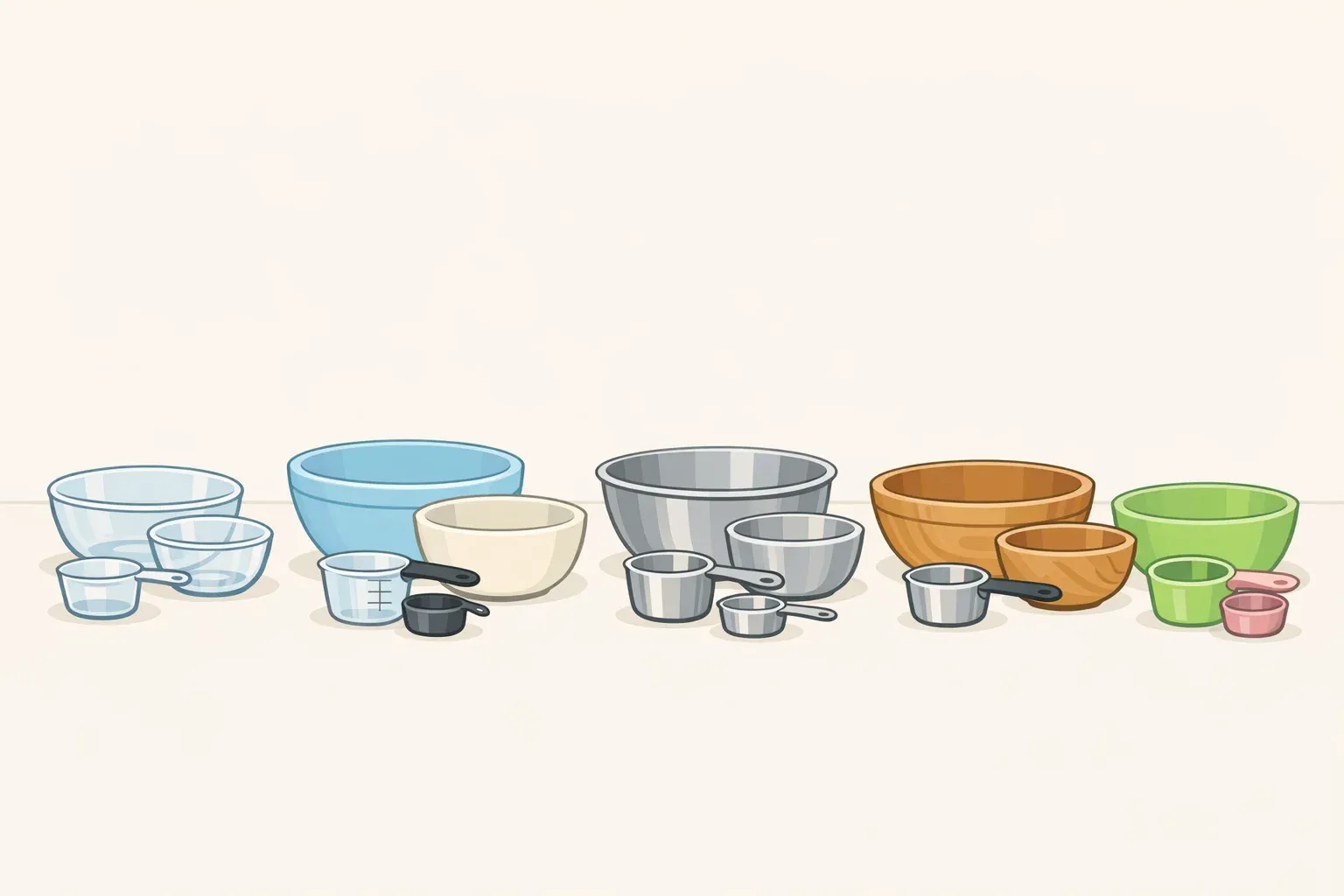
Equipment: A wide skillet or Dutch oven that holds at least 4 quarts. Nothing else required.
How to make this one-pan cheesy pasta with spinach: the 30-minute stovetop method
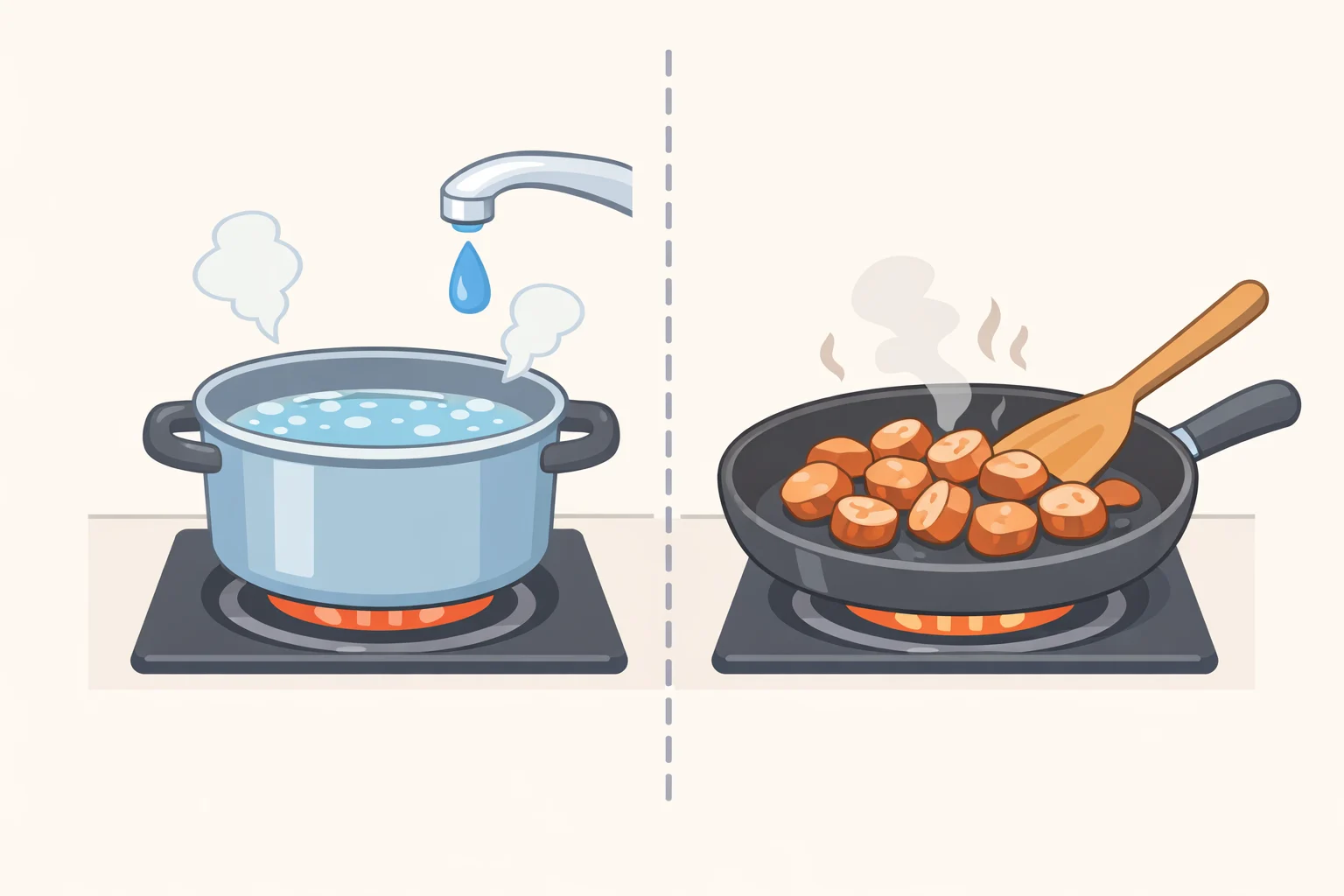
Seven steps. Start the pasta water when you start the sausage; they run in parallel.
Step 1: Cook the pasta to al dente, and save the pasta water.
Boil well-salted water and cook pasta until just shy of done. It will finish in the sauce. Before draining, scoop out at least one cup of cooking liquid and set it aside. Well Plated and Nourished by Nic both flag this step explicitly. The starchy water is what keeps the finished sauce silky rather than gluey. Plain water is not a substitute; the dissolved starch is what does the work.
Step 2: Brown the sausage properly.
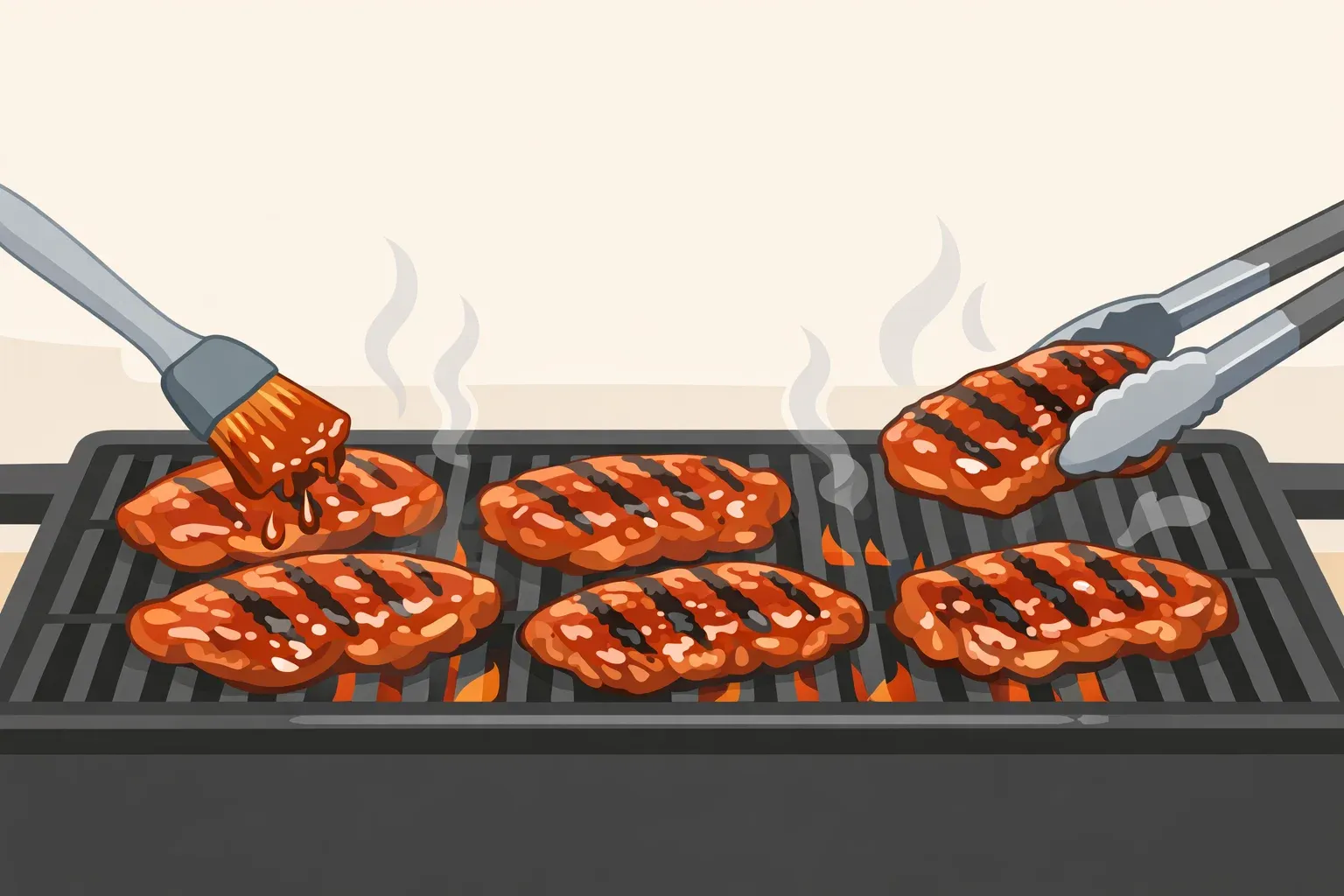
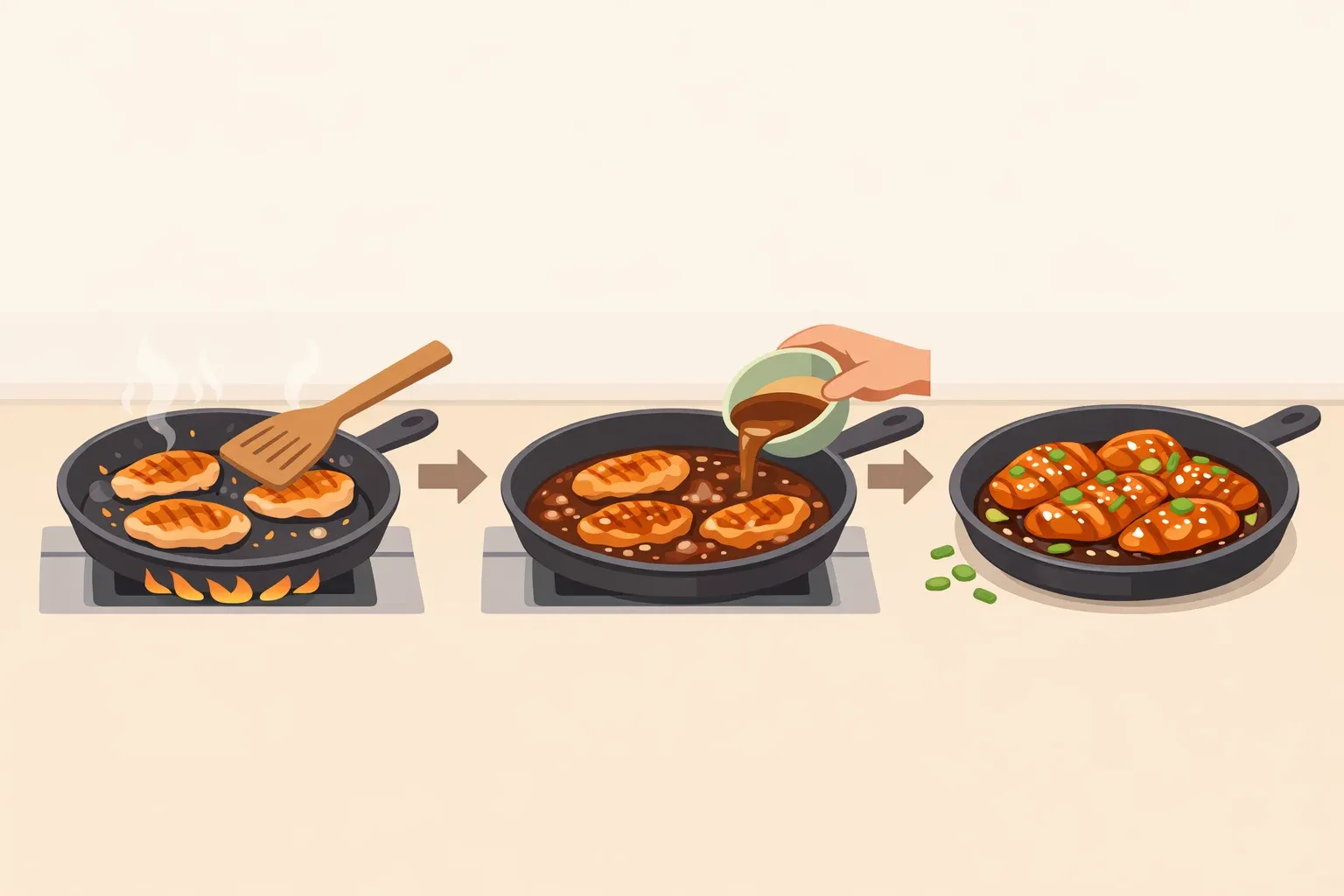
Add sausage to a lightly oiled skillet or Dutch oven over medium-high heat. Break it into small, irregular pieces; uneven chunks brown more than a smooth mass does. Give it 8–10 minutes and resist the urge to stir constantly. Well Plated specifies this step because the browned bits on the pan bottom are the flavor base for everything that follows. For smoked sausage rounds like Budget Bytes uses, slice them and get both cut sides browned before adding anything else.
Step 3: Add aromatics, then deglaze.
Once the sausage is browned, add minced garlic (and diced onion if using) directly to the pan. Cook 30–60 seconds until fragrant. Pour in white wine or broth, scrape up every browned bit from the pan bottom, and let the liquid reduce by roughly half. Those scraped-up bits are concentrated flavor that would otherwise be wasted. Well Plated treats this deglazing step as a required stage before adding any other components.
Step 4: Add the cooked pasta and a splash of pasta water, then simmer briefly.
Stir the drained pasta into the pan with about half a cup of pasta water. Let everything simmer together for two to three minutes on medium-low. The pasta releases more starch into the sauce, thickening it naturally. Rachel Cooks notes that pasta cooked directly in sauce creates a "naturally creamy" result without cream; the same starch principle applies when you add pasta water to a stovetop braise. Add more pasta water a splash at a time if the sauce looks tight.
One-pan shortcut note: Budget Bytes adds uncooked pasta directly to the pan with 1.5 cups of chicken broth, covers it, and simmers for 10 minutes until tender. This works, but requires precise liquid measurement. Increase broth to 2 cups if using standard pasta instead of egg noodles.
Step 5: Add the acid element.
Stir in lemon juice and zest, sun-dried tomatoes, or balsamic vinegar now, before the cheese goes in. Adding acid while the pan is still warm integrates it into the sauce. Adding it cold at the end produces a sharp, disconnected flavor. One tablespoon of lemon juice or balsamic is enough for four servings.
Step 6: Take the pan off heat, then add cheese.
Remove the pan from the burner before adding Parmesan. Stir constantly for about 30 seconds as the cheese melts into the sauce. Well Plated finishes off heat with butter, Parmesan, and lemon zest, describing the result as a glossy coating rather than a heavy cream sauce. Active heat seizes cheese into clumps; residual heat melts it evenly. This step is the difference between a sauce that coats every piece of pasta and one that breaks into greasy strings.
Step 7: Fold in the spinach last.
Add the spinach to the pan off heat or on the lowest setting and fold it in. It wilts in under two minutes. Well Plated, Rachel Cooks, and Budget Bytes all add spinach at or near the very end of cooking. Putting it in early risks overcooking it in the sauce; added last, it stays bright green and nearly disappears into the dish, which is the point.
Timing: Steps 1–7 run 25–30 minutes from a cold pan. Well Plated breaks it down as 10 minutes prep and 15 minutes cook; Budget Bytes lands at 5 minutes prep and 25 minutes cook. Start boiling the pasta water before anything else and the steps run in parallel without delay.
What to do when things go sideways
The method is forgiving, but a few problems come up consistently enough to be worth naming.
Sauce too tight: Add pasta water a tablespoon at a time and stir over low heat. Don't add plain water from the tap; if you've already used up your reserved cooking liquid, a small splash of broth works in a pinch.
Sauce too loose: Let it simmer uncovered for another minute or two. The residual starch from the pasta will continue thickening the liquid as it reduces. Don't crank the heat; a gentle simmer is enough.
Cheese clumping: The pan was still too hot when the cheese went in. Pull it off the burner completely, wait 30 seconds, then try again. Stir constantly and add a small splash of pasta water to bring the sauce back together.
Pasta overcooked: The fix is upstream. Pull the pasta from the boiling water a full two minutes before it hits al dente on the package instructions. It will continue cooking in the sauce, and a slightly underdone noodle going into a hot pan is far better than a mushier one coming out.
Converting to a baked version (and when it's worth it)
The stovetop method is the faster path. The baked version earns its place when feeding a crowd, making it ahead, or when a properly browned cheese top is the goal. A stovetop can't produce that. The tradeoff is time: baked versions run closer to 45–75 minutes total versus 25–30 for stovetop.
Follow the stovetop steps through Step 5, but pull the pasta a full 2–3 minutes short of done before it goes into the casserole dish. The principle here is straightforward: undercooked pasta finishes in the oven without turning mushy. Skip this and the pasta overcooks before the cheese browns.
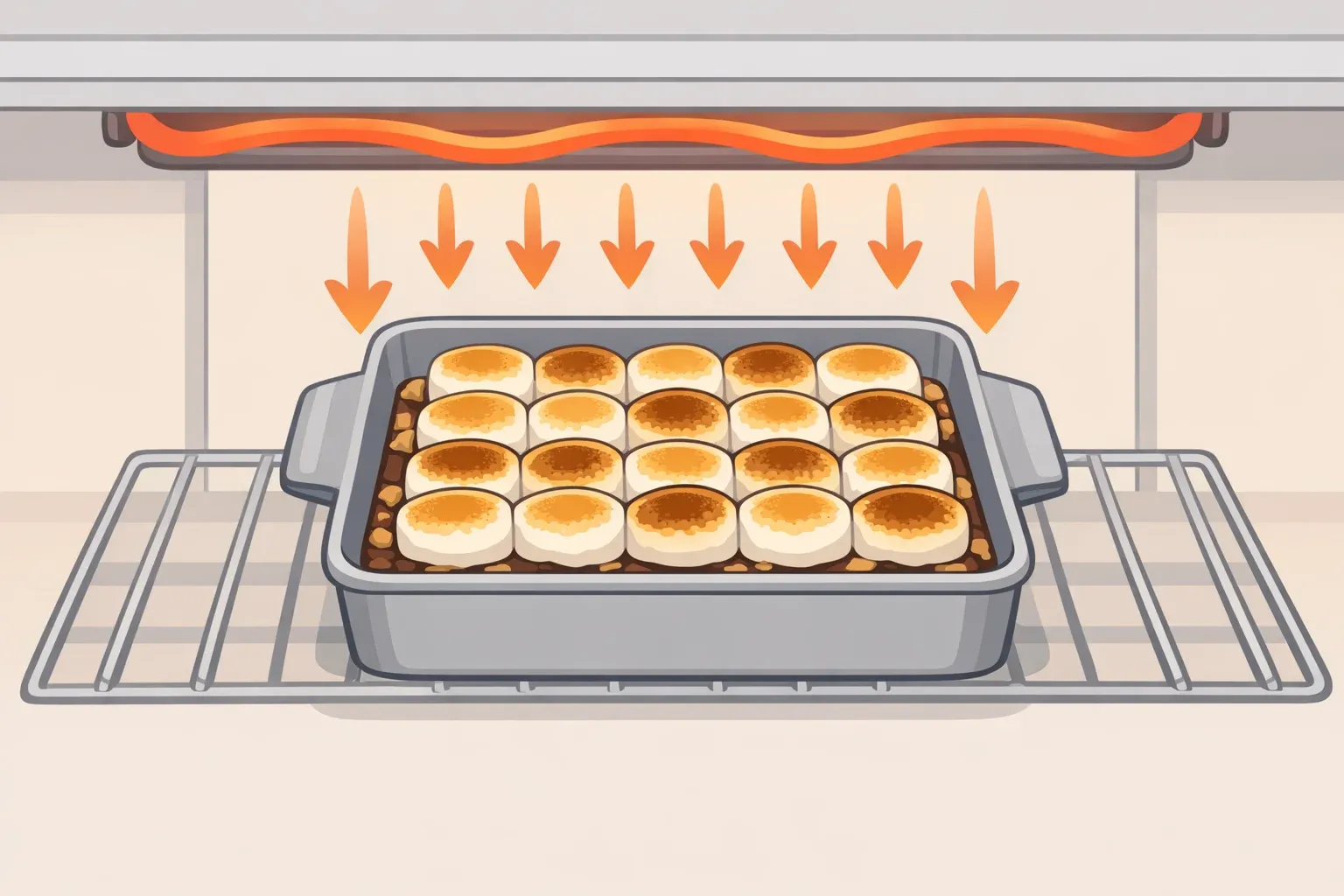
Transfer the sauced pasta to a casserole dish and top with shredded mozzarella, cheddar, or dollops of ricotta. Nourished by Nic covers the dish with foil and bakes at 350°F for 20 minutes, then removes the foil for 10 more. If browning rather than just melted cheese is the goal, the broiler matters: Nourished by Nic recommends 500°F for 5 minutes at the end to get a properly crispy, golden top. Without that step, the baked version loses its main advantage over the stovetop.
Make-ahead: Assemble the casserole fully, refrigerate covered, and bake within two days (Pure Life Farm). Add 5–10 minutes to bake time if going straight from the refrigerator. Solid cook-once, eat-twice option for a busy week.
Storing, reheating, and getting more meals out of it
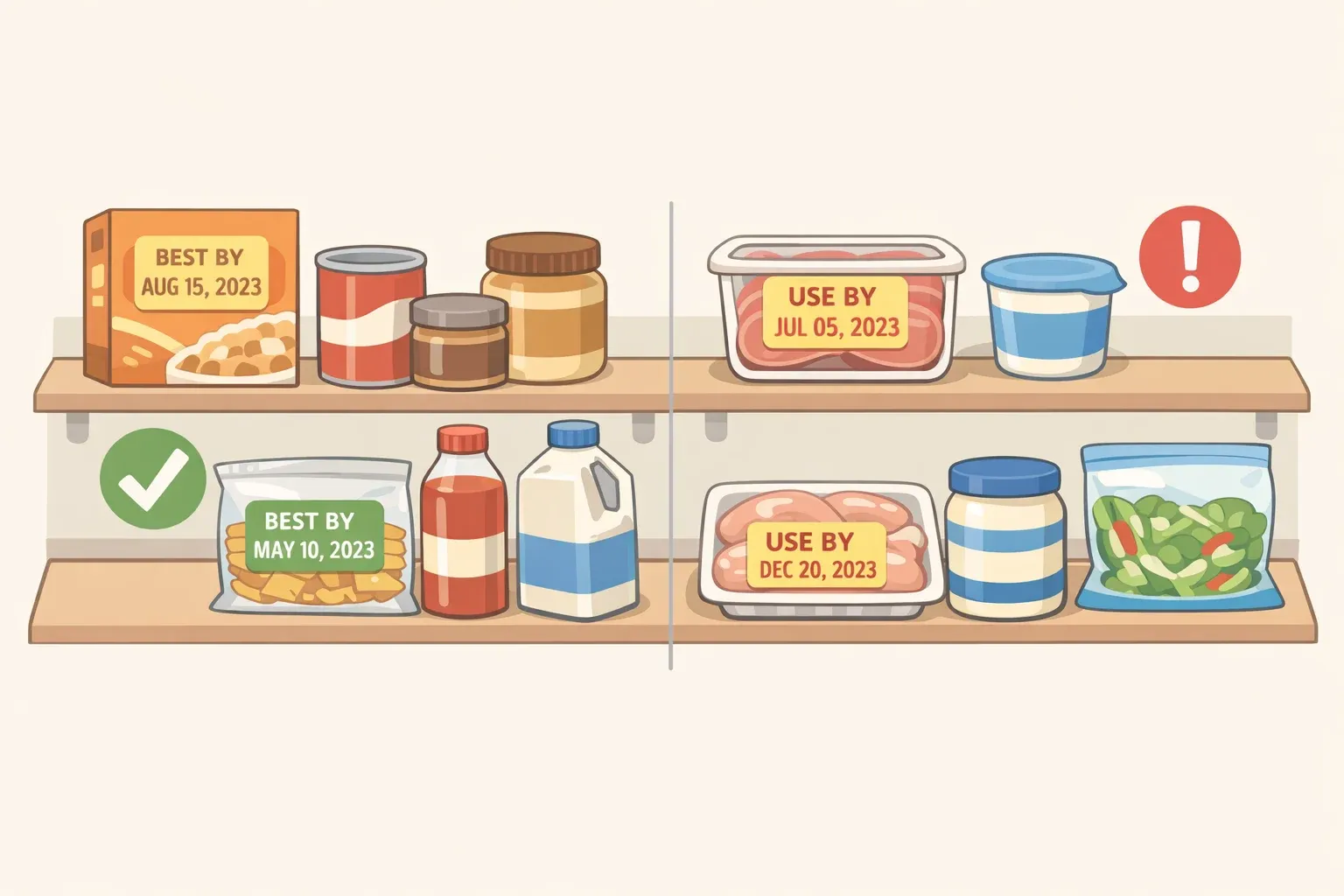
- Refrigerator: Stovetop leftovers keep 3–4 days in a sealed container (Well Plated, Rachel Cooks). Cream-heavy baked versions hold for only about 2 days; the sauce tightens faster in richer formats (Nourished by Nic).
- Reheating: The pasta absorbs the remaining sauce overnight and will come out dry without added liquid. Add a splash of broth or water before microwaving or warming on the stovetop. Well Plated recommends chicken stock and a fresh grating of Parmesan to bring the sauce back.
- Freezer: Both stovetop and baked versions freeze well for up to 3 months (Well Plated, Rachel Cooks, Pure Life Farm). Thaw overnight in the refrigerator before reheating. Going from frozen directly to heat produces uneven texture and tends to break cream-based sauces.
Once the method is familiar, the variables become levers. Change the sausage, swap the acid element, adjust the cheese, or skip the sausage entirely and add a can of white beans for body. The technique holds across substitutions: browning, deglazing, starchy pasta water, off-heat cheese, spinach last. Those five steps are the recipe.


Comments
Be the first, drop a comment!