



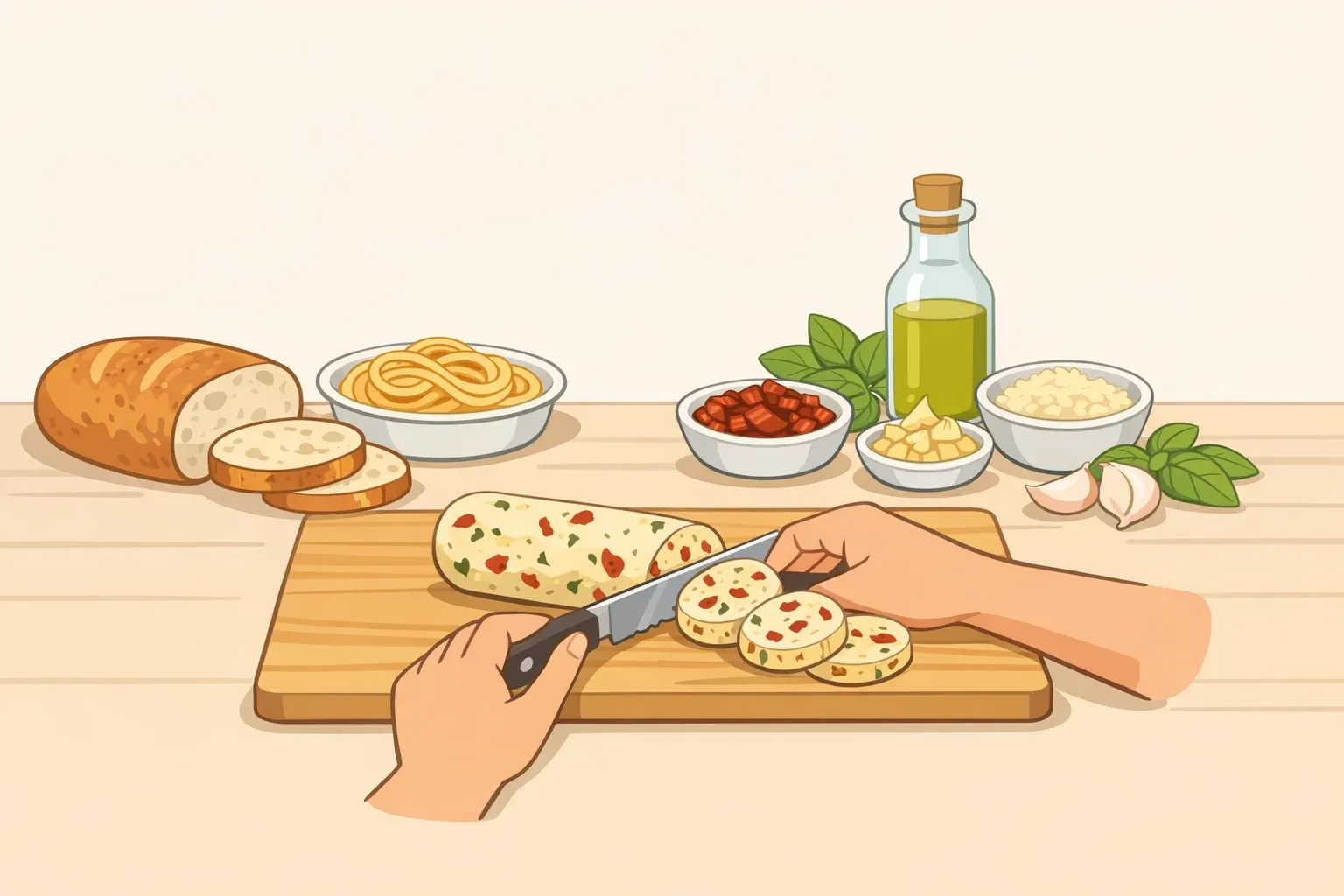
Marry Me Butter Recipe: Garlic, Sun-Dried Tomato & Parmesan
Marry Me Chicken became a fixture on Instagram and TikTok not because of any clever technique, but because of its sauce. That combination of garlic, sun-dried tomatoes, and Parmesan is what home cooks kept sharing and riffing on, according to NZ Herald. The chicken was the delivery mechanism. The sauce was the reason anyone made it twice.
This marry me butter recipe pulls that flavor profile out of the original dish and into compound butter form. Make-ahead, freezer-stable, and useful across enough different ingredients that it earns a permanent spot in your kitchen. No saucepan. No cream simmering on the stove. A single prep session yields a log you can slice from directly, whether you're finishing pasta on a weeknight or want something interesting on bread for company.
What goes into marry me butter and why butter works
The original dish builds its sauce from garlic, sun-dried tomatoes, chicken broth, cream, and Parmesan, a combination NZ Herald traces to Italian-American cooking traditions, particularly creamy Tuscan chicken preparations. Those ingredients translate naturally into butter because they're concentrated and low in moisture. Garlic, sun-dried tomatoes, and aged Parmesan don't dilute fat; they season it. The aromatics hold their intensity in a cold medium, which is why compound butter is a sensible format for this particular flavor set.
What gets lost in the conversion is volume. The original sauce has a liquid coating quality that makes it so compelling over pasta or rice, and butter alone doesn't replicate that unless you melt it into a quick pan sauce, which is covered below. What you gain is everything else: the ability to make it once and use it across two weeks' worth of dinners without touching the stove again.
Ingredients
This makes one log, enough for several uses depending on how you deploy it.
- 1 stick (8 tablespoons / 113g) unsalted butter, fully softened
- 3 tablespoons oil-packed sun-dried tomatoes, finely chopped and lightly blotted
- 3 tablespoons freshly grated Parmesan
- 2 cloves garlic, minced
- 1/2 teaspoon dried oregano or thyme
- 1/4 teaspoon red pepper flakes (optional)
- 1/4 teaspoon kosher salt, plus more to taste
- Cracked black pepper to finish
A note on garlic: raw minced garlic gives a sharper, more pungent result. Roasted garlic, mashed into a paste, is sweeter and blends more smoothly into the butter. Both work. Raw is the closer translation of the original dish's flavor; roasted is better if you plan to eat the butter cold and spread directly on bread.
Pull the butter from the refrigerator at least an hour before you start, or 30 minutes if your kitchen runs warm. It needs to be genuinely soft when you press it, not just slightly yielding. Cold butter will not incorporate the other ingredients evenly, and that's the one thing that can actually compromise the finished texture.
How to make marry me butter: step by step
1. Prep the add-ins

Finely chop the sun-dried tomatoes and blot them lightly with a paper towel to pull off excess oil. Mince the garlic, or if you're using roasted, mash it into a smooth paste first. Grate the Parmesan fresh on the fine side of a box grater; pre-grated Parmesan tends to be too dry and coarse to distribute evenly. Aim for everything to be finely chopped, with no single piece larger than a lentil, so nothing remains as a noticeable chunk in the finished butter.
2. Beat the butter
Using a fork or the back of a spatula, beat the softened butter until smooth and just slightly lightened in color, about a minute by hand. A hand mixer works too; 20 to 30 seconds on low is enough. You want it aerated but not melted.
If the butter looks shiny or starts to pool, it's too warm. Refrigerate for 10 minutes and try again.
3. Fold in the aromatics
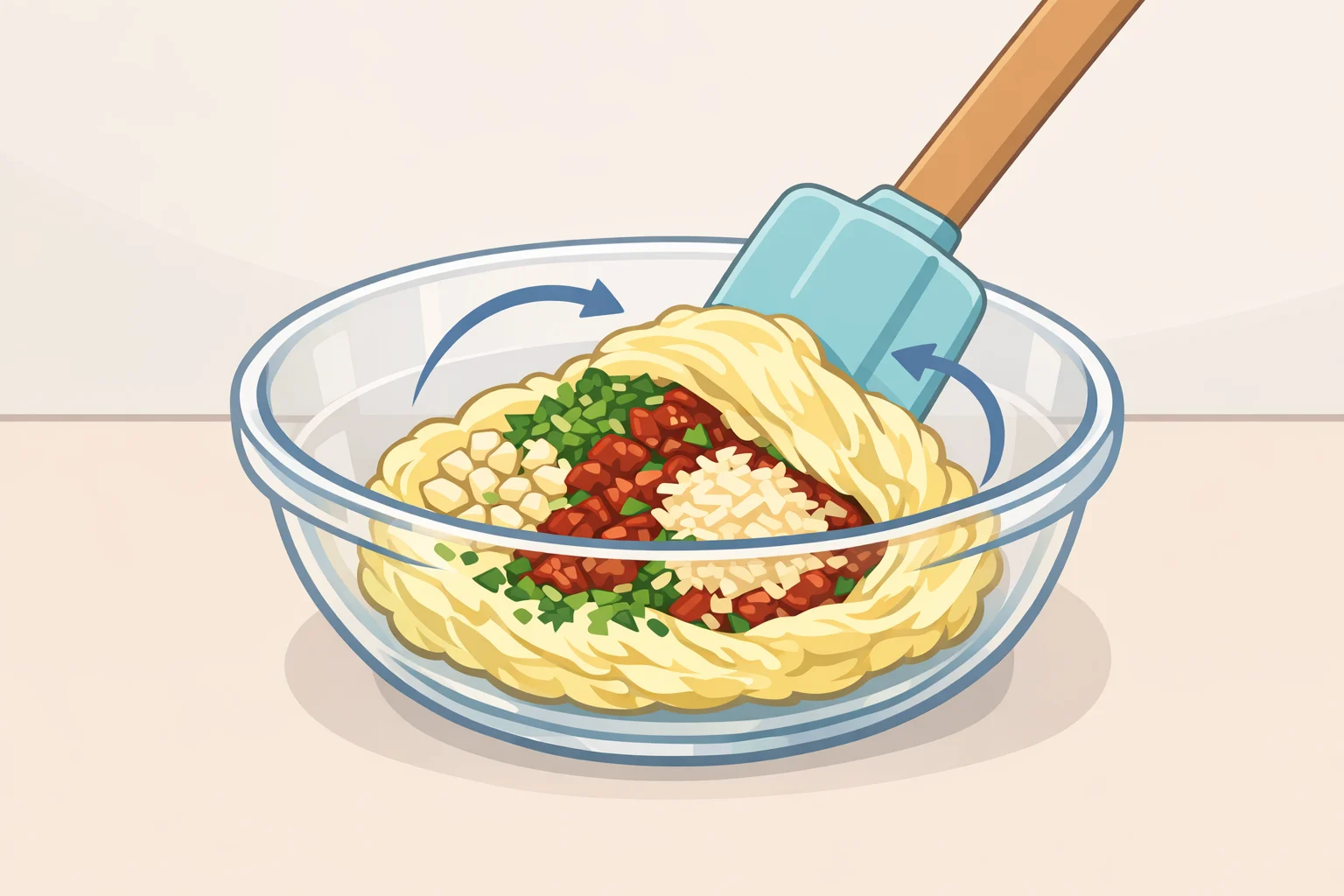
Add the garlic, sun-dried tomatoes, Parmesan, dried herbs, and red pepper flakes. Use a spatula and work from the outside in, folding rather than stirring. Stop when the mixture looks evenly distributed with no dry pockets or visible streaks.
If the butter looks greasy after the tomatoes go in, they weren't blotted thoroughly enough. The flavor is still fine. To help redistribute any pooling oil, press the mixture flat on a sheet of parchment and fold it over itself a few times.
4. Season and taste
Add salt conservatively at first, since Parmesan contributes significant sodium on its own. Taste on a plain cracker or a small piece of bread. The butter should read as savory, garlicky, and slightly tangy from the tomatoes. Adjust salt, pepper, and red pepper flakes before shaping.
If the butter tastes flat despite correct seasoning, the sun-dried tomatoes may have been dry-packed or underseasoned. A few drops of the oil from the jar will help considerably.
5. Shape and chill
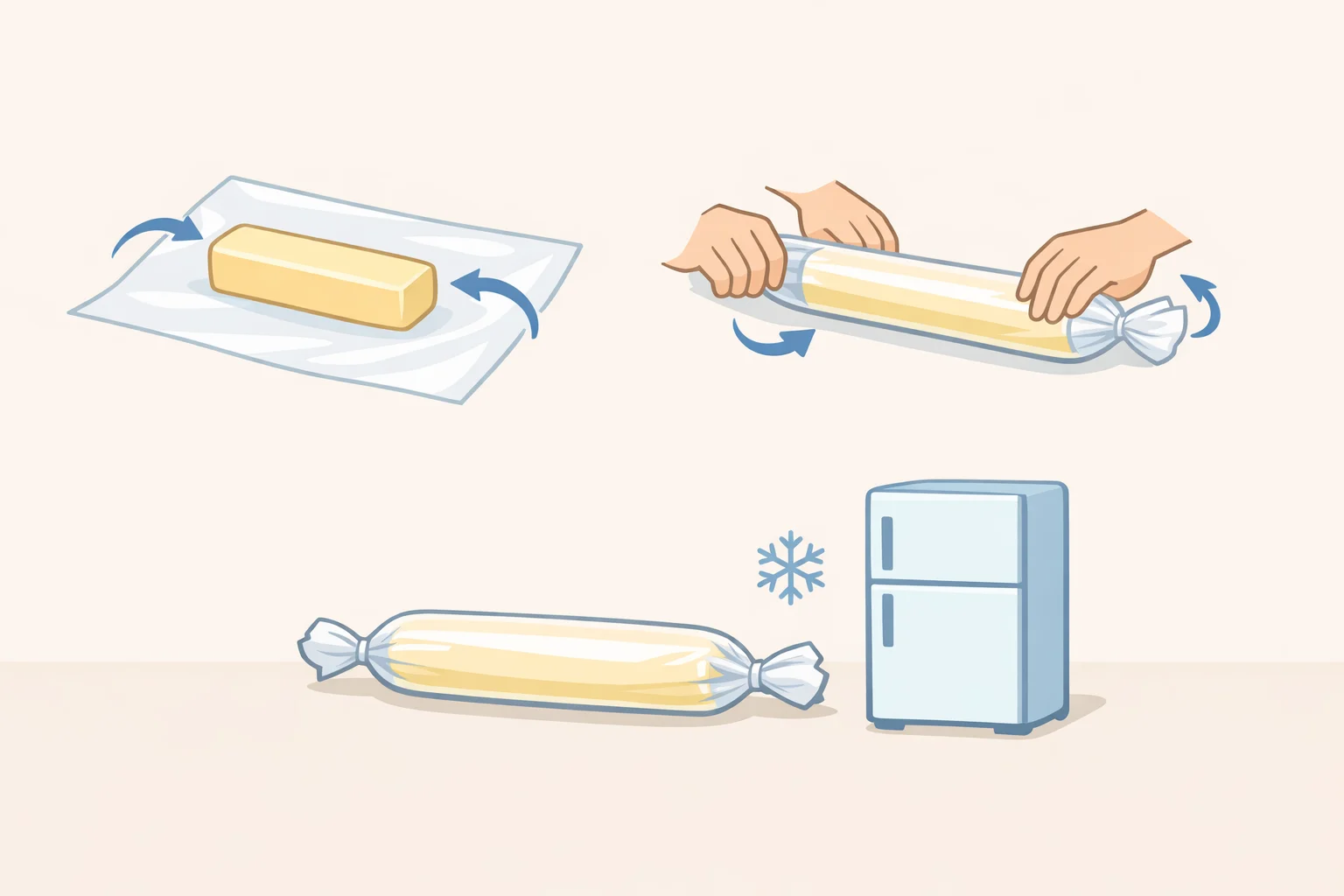
Spoon the butter onto a sheet of plastic wrap or parchment. Roll it into a cylinder roughly 1.5 inches in diameter, twisting the ends tightly to seal. Refrigerate until firm, at least an hour.
If the log won't hold its shape, the butter is still too soft. Leave it in the wrap, refrigerate for 20 minutes, then re-roll.
Keep the log refrigerated for up to a week, or freeze it for longer storage. Label it with the date. The log can be sliced directly from frozen if you run a sharp knife under hot water first.
How to use marry me butter: pasta, chicken, and bread
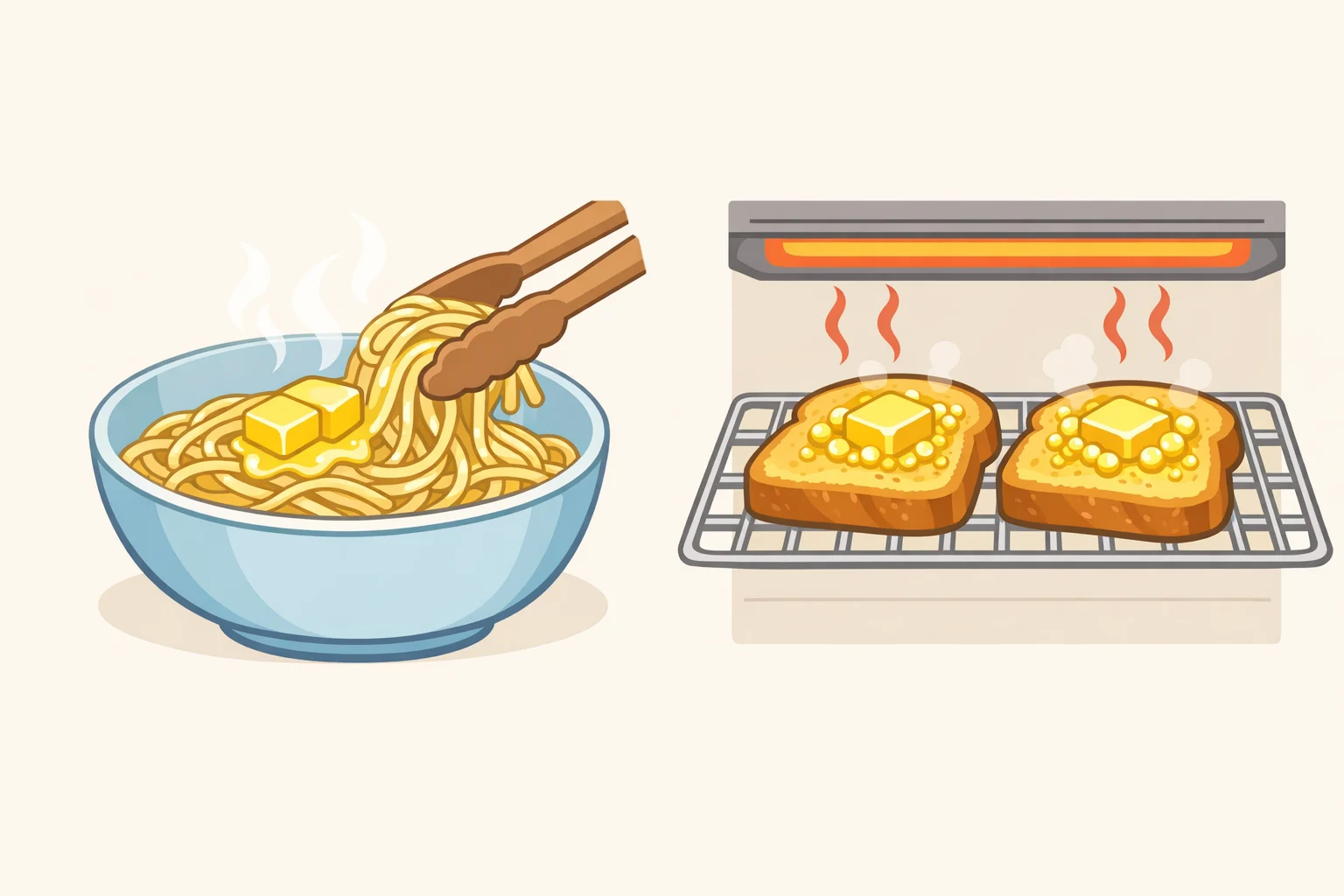
Start with these two.
Hot pasta is the most direct translation of the original dish. Drop one or two slices of the butter onto a bowl of freshly drained pasta and toss with a splash of the starchy cooking water. The starch helps the butter come together into a loose, glossy coating that reads much closer to the original sauce than you'd expect from something this simple. NZ Herald notes that pasta is one of the natural pairings for the original dish, and in butter form it earns that pairing more than any other use.
Broiled bread is the other one worth making immediately. Spread the butter thickly on sliced bread and run it under the broiler until the surface is bubbling and the edges are beginning to brown. It requires nothing else and takes about three minutes.
From there, the applications are straightforward:
- Melted over pan-seared chicken breasts or salmon in the final minute of cooking; add a knob to the pan and tilt it so the butter bastes the protein as it melts
- Stirred into mashed potatoes in place of plain butter
- Tossed with roasted vegetables straight from the oven; broccoli, asparagus, and cauliflower all work, and the slight bitterness of those vegetables handles the richness the same way a simple green salad balances the original dish, per NZ Herald
- Finished over a fried egg, or stirred into scrambled eggs off the heat
When you want more sauce volume than a slice of compound butter provides, melt two tablespoons in a skillet over medium heat and add a splash of dry white wine or chicken stock. Let it reduce for about 90 seconds, swirling the pan. The result is a loose, glossy sauce that approximates the liquid from Marry Me Chicken. Spoon it over fish, finish chicken in it, or pour it over pasta when you need the coating quality of the original.
One practical note: if the butter is going onto something already well-seasoned, salted pasta, a heavily crusted roast, a steak, taste before adding more salt. The Parmesan and any seasoning already in the butter add up quickly.
What to make next
The appeal of Marry Me Chicken, as NZ Herald puts it, is simplicity paired with bold flavor. The compound butter version carries that logic one step further: the flavor profile is ready whenever you need it, no active cooking required each time.
Make the pasta version first. It takes five minutes and shows you exactly what the butter does. If you want the full dish this butter is built on, the original Marry Me Chicken recipe is the obvious next step. The same compound butter technique also scales to other flavor profiles, herb and lemon, anchovy and caper, brown butter with sage, all follow the same five-step method.







Comments
Be the first, drop a comment!