



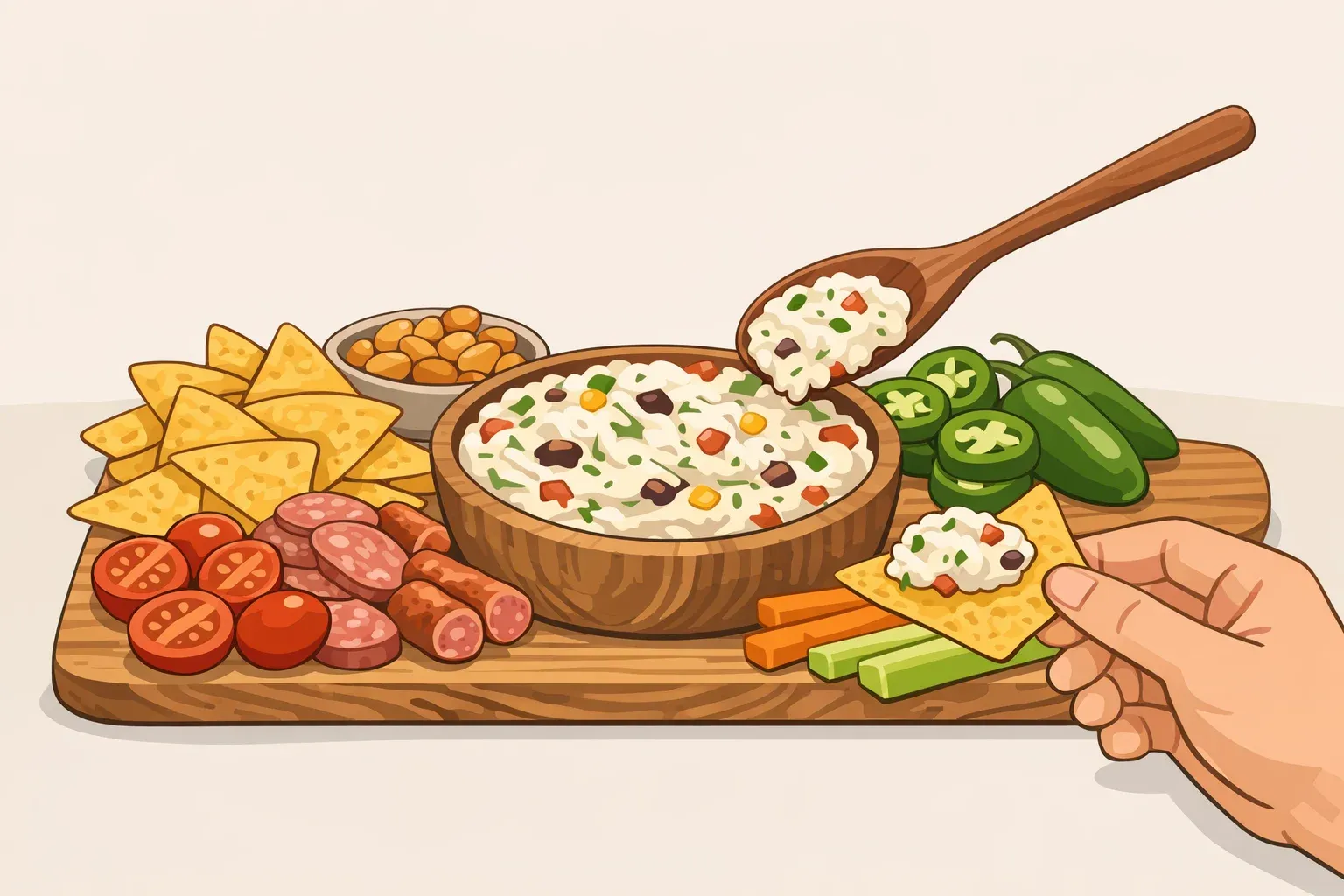
Cowboy Cream Cheese Recipe: Steps, Tips, and Serving Ideas
A block of plain cream cheese becomes a smoky, tangy, herb-flecked cowboy cream cheese dip through ten pantry seasonings and five minutes of active work. The result is bold enough to anchor a snack board, versatile enough to stuff a jalapeño popper, and practical enough to sit in the refrigerator for a week earning its keep. Three things determine whether it lands: softening the cream cheese to the right temperature before mixing, chilling the finished spread long enough for the flavors to settle, and deciding whether thyme belongs in the batch based on how it'll be served.
This guide covers all three, plus honest storage guidance and a clear-eyed note on freezing.
What goes in and why it matters
This version uses ten ingredients, not three. Every item is a pantry staple, and the ones that look redundant are doing different jobs.
Here's the full list, per I Am Homesteader:
- 1 block (8 ounces) cream cheese, softened to room temperature
- 1 tablespoon whole-grain Dijon mustard
- 1 teaspoon dried chives
- 1 teaspoon dried parsley
- ½ teaspoon dried thyme (see note below)
- 1 teaspoon garlic powder
- 1 teaspoon lemon juice
- ½ teaspoon paprika
- ½ teaspoon black pepper
- ¼ teaspoon cayenne pepper
Paprika and cayenne look interchangeable. They aren't. Paprika adds warm, smoky color and mild depth; cayenne adds heat. Reaching for more paprika when the spread needs more kick will only deepen the orange tint. To raise heat, increase cayenne in small increments. To lower it, reduce or skip the cayenne. The mustard and garlic carry the savory backbone without it, per I Am Homesteader.
Lemon juice is the brightener. One teaspoon cuts through the richness of the cream cheese base without making the spread noticeably acidic, per I Am Homesteader. Skip it and the whole thing tastes heavier than it should.
The thyme decision: Thyme is optional, and the right call depends entirely on application. Include it when serving the spread cold; skip it when baking, because the flavor can amplify unpleasantly once heat is applied and crowd out the other seasonings, per I Am Homesteader. This is the only ingredient choice that shifts based on use. Everything else stays constant.
Substitutions and adjustments
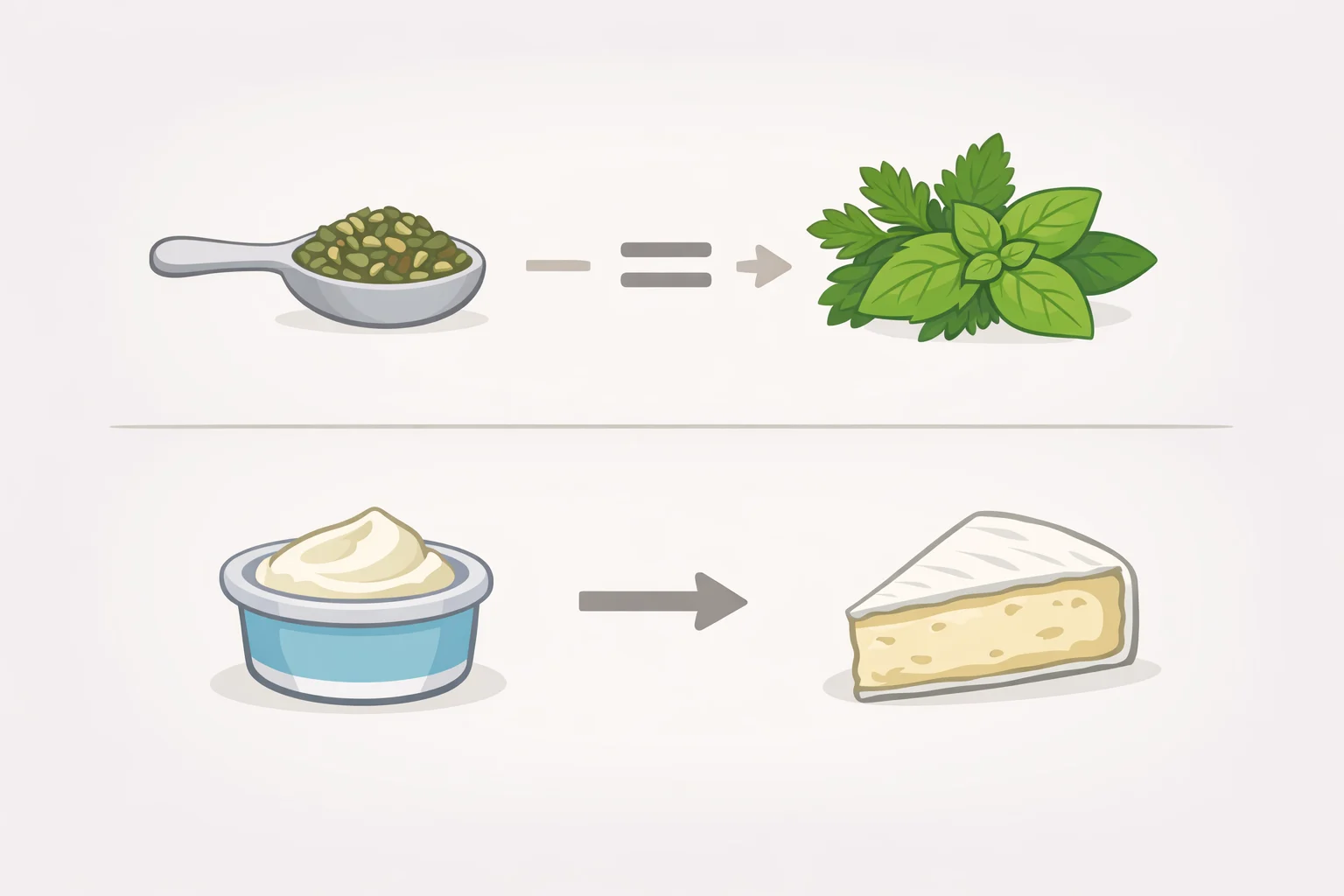
Fresh herbs substitute cleanly at a 3:1 ratio: 1 tablespoon fresh for every 1 teaspoon dried, per I Am Homesteader. The flavor is slightly brighter with fresh, which works well if the spread is going straight to a board and not sitting overnight.
Neufchâtel works in place of cream cheese for a lighter result. The flavor stays intact, but the final texture will be slightly softer, per I Am Homesteader. Worth knowing before serving it on crostini, where a firmer spread holds up better under toppings.
How to make cowboy cream cheese: soften, mix, rest
Total time: 35 minutes (5 active, 30 chilling). Yield: approximately 1 cup, per I Am Homesteader.
Step 1: Soften the cream cheese.
This step matters more than any other. Cold cream cheese won't incorporate smoothly, and the resulting texture problems don't fix themselves once the seasonings are in. The target is around 60-65°F, soft enough to blend without lumps but not so warm that it's melting, per Chef's Resource.
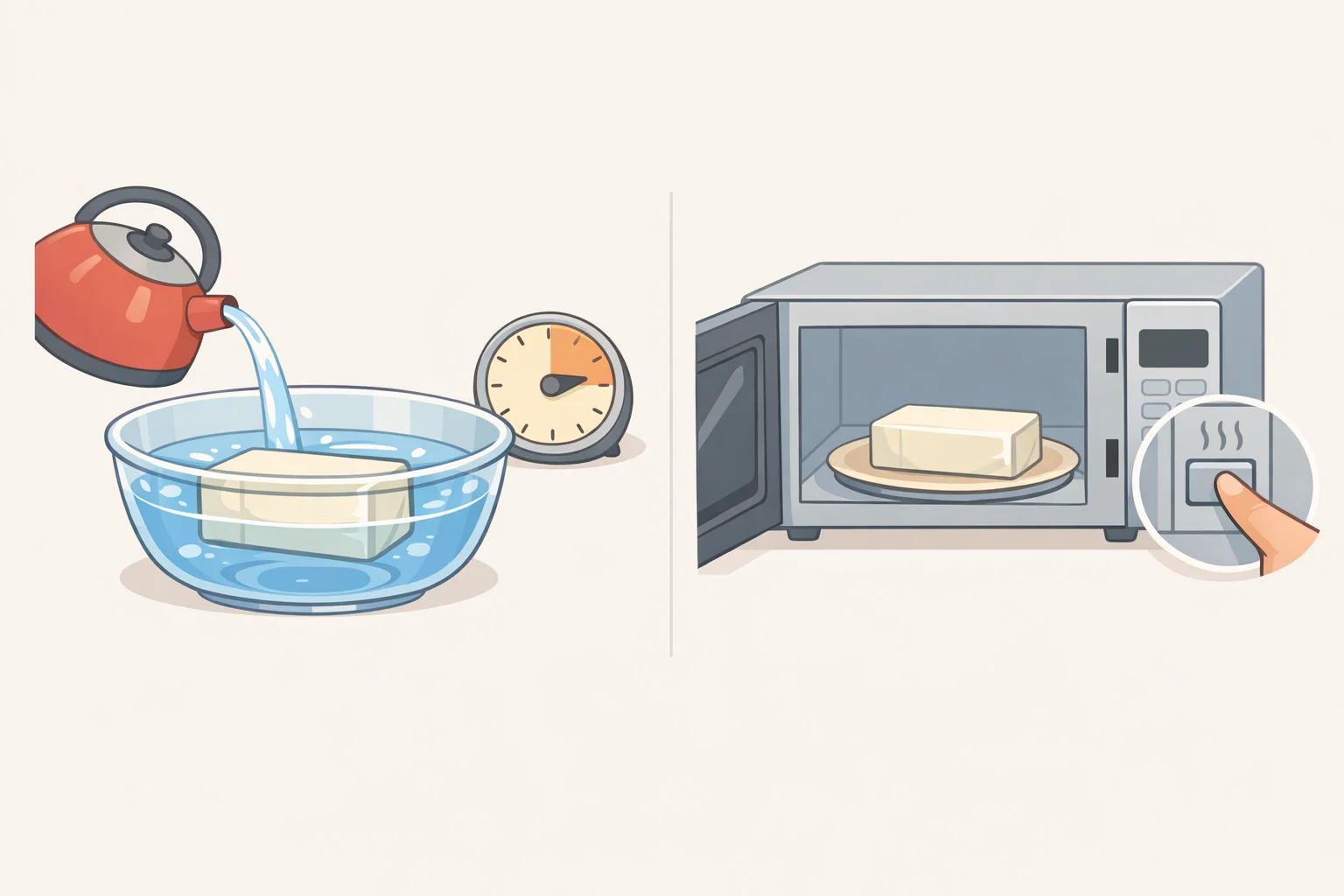
The warm water method is the most reliable. Submerge the sealed, unopened block in a bowl of warm water for 10-15 minutes, flipping it halfway through. The packaging keeps moisture out, the heat distributes evenly, and there's almost no way to overshoot, per I Am Homesteader and Chef's Resource.
The microwave works when time is short. Unwrap the block, put it on a microwave-safe plate, and heat at 30% power in 15-second intervals. Stop the moment it yields to light finger pressure. Over-microwaving melts the fat out of the cheese and leaves the texture grainy in a way that can't be corrected, per Chef's Resource.
One timing note: don't leave cream cheese sitting at room temperature past two hours. After that window, bacterial growth becomes a genuine food safety concern, per Chef's Resource. Set a timer if the softening is happening in the background.
Step 2: Mix the mustard into the softened cream cheese.
Blend until fully combined with no white streaks remaining. A fork works fine. A hand mixer produces a slightly airier, lighter result if that texture is preferred.
Step 3: Add the dry seasonings.
Stir in chives, parsley, thyme (if using), garlic powder, paprika, black pepper, and cayenne. Keep mixing until the paprika color is evenly distributed and herb flecks are visible throughout, with no dry pockets, per I Am Homesteader.
Step 4: Add the lemon juice and mix until incorporated.
The spread will taste sharper than expected at this point. That's normal. The seasonings haven't had time to hydrate and the flavors haven't knit together yet. Don't adjust seasoning here.
Step 5: Cover and refrigerate for at least 30 minutes.
This isn't optional. Thirty minutes produces a noticeably better result than serving immediately, and making it a day or two ahead is better still. The flavors consolidate in a way they simply don't manage at the 30-minute mark, and the prep effort doesn't change either way, per I Am Homesteader.
When the spread comes out of the refrigerator, it should be smooth, with visible herb flecks and a warm orange-tan color from the paprika. If it seems stiff after chilling, five to ten minutes at room temperature loosens it without any intervention.
Serving this savory cream cheese spread: where it works best
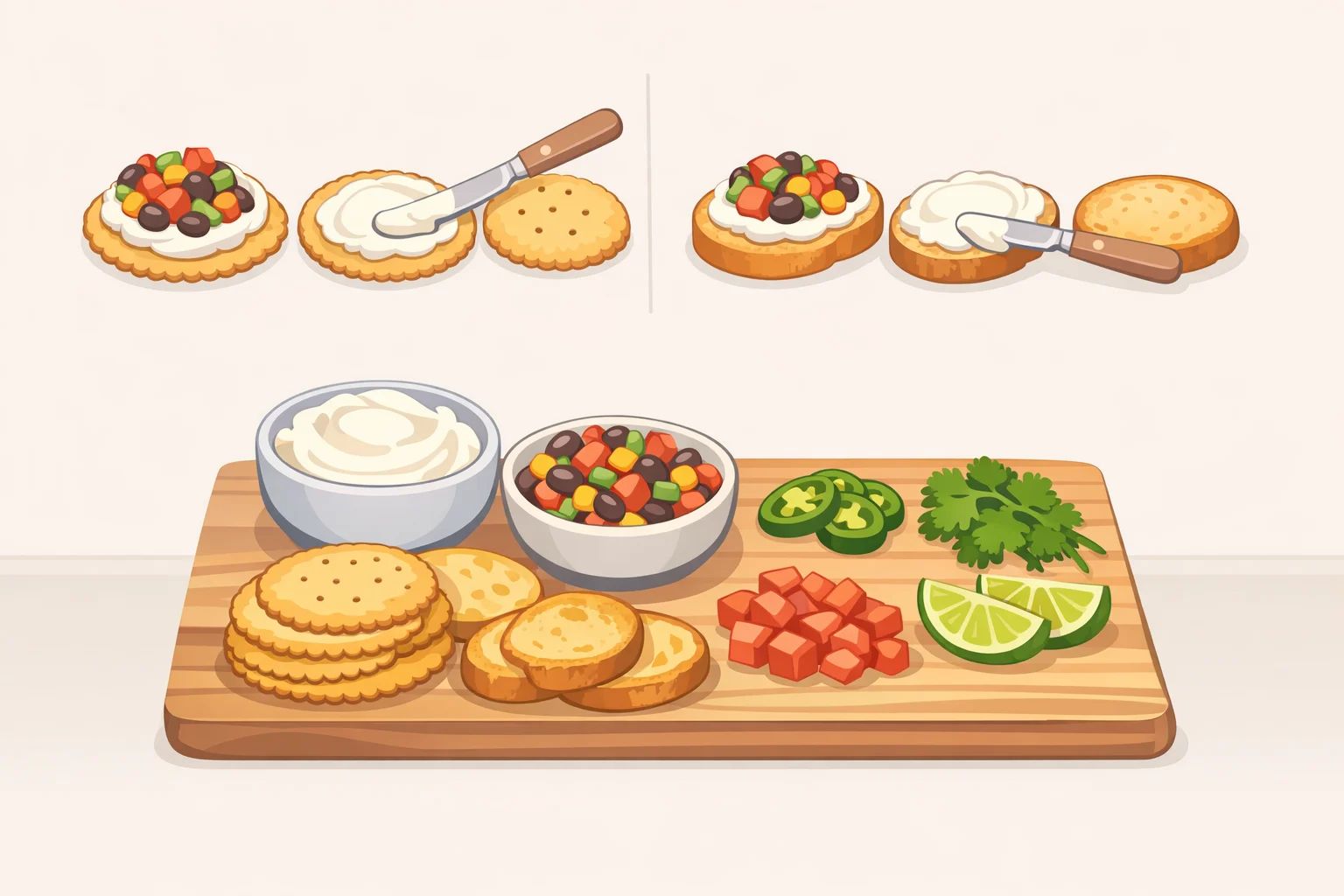
The spread is flexible, but some applications suit it better than others.
Crackers and crostini are the clearest fit. The paprika color and herb flecks make a snack board look finished with minimal effort, per I Am Homesteader. The texture at fridge-cold is firm enough to stay put on a cracker without sliding, and it softens quickly enough at room temperature that it doesn't fight back. If the spread is going on a board, pull it from the refrigerator about ten minutes before serving.
Baked applications work well with thyme omitted. As a filling for jalapeño poppers or stuffed mushrooms, the mustard and cayenne come through clearly at high heat. Milder, plainer cream cheese fillings tend to disappear in the oven; the seasoning level here holds. Fill, bake, done.
Burgers are an underrated use. Spread it directly on the bottom bun instead of mayo. The mustard base and cayenne hold up against a charred patty in a way that plain cream cheese can't manage, and the herb flecks add visual interest to something that otherwise looks purely functional.
Raw vegetables work, though crackers are the more natural pairing. The richness of the cream cheese base balances crunchy dippers, but the spread is thick enough that it can feel slightly heavy next to lighter vegetables like cucumber or celery. Pair it with something sturdier, like bell pepper strips or radishes, and it performs better.
One thing worth knowing before a gathering: this cowboy cream cheese dip doesn't suffer from sitting out for the duration of a party spread. Because it's cold-served, it holds its texture at room temperature for the same two-hour window as the unflavored base, per Chef's Resource.
Storage and freezing
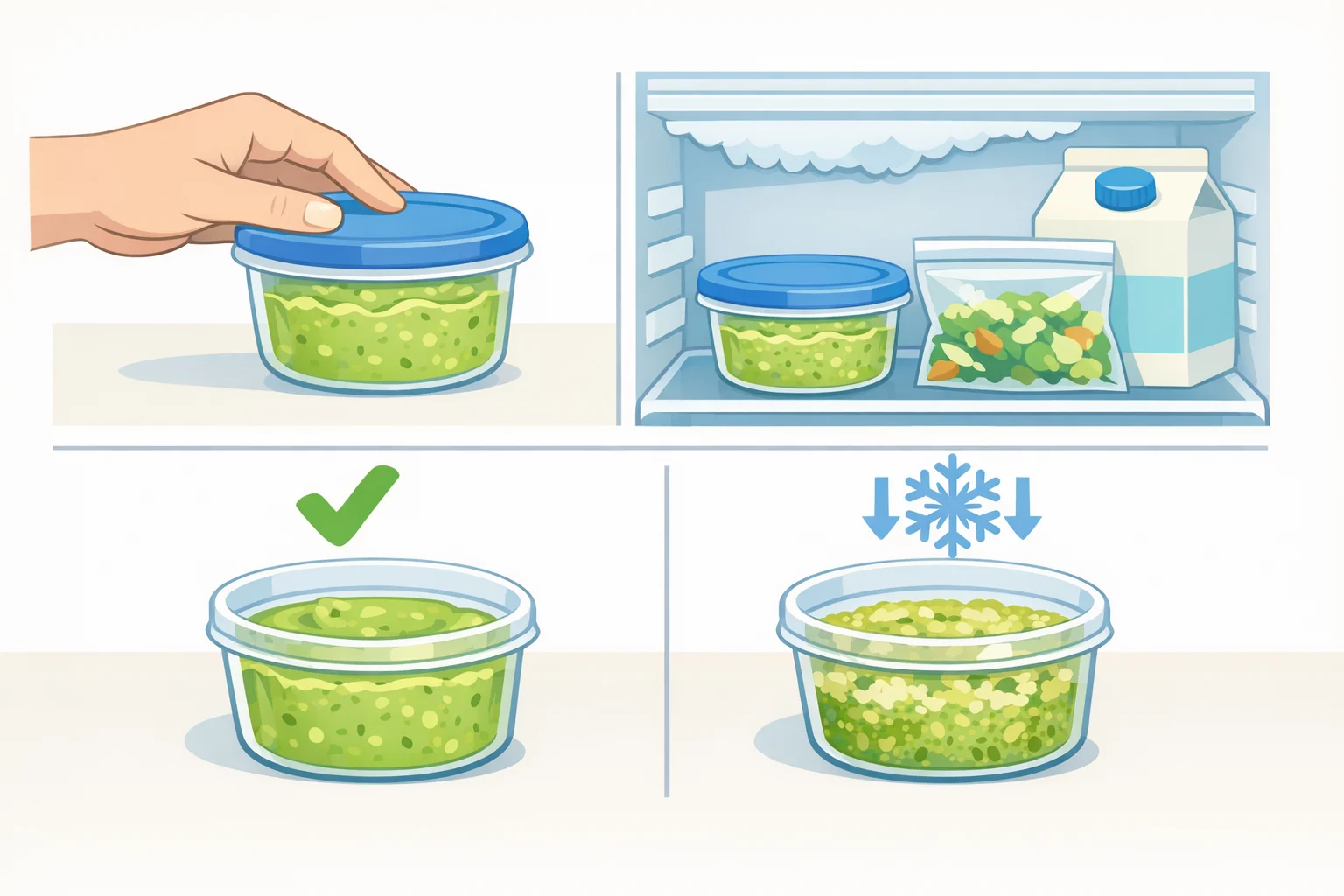
Stored in an airtight container, the spread keeps for 5-7 days in the refrigerator, per I Am Homesteader. Discard it immediately if it develops a sour or off odor, any visible mold, or a slimy, watery surface, per Chef's Resource.
Freezing is possible but comes with a real catch. The recipe notes it can be frozen for up to 3 months, per I Am Homesteader. The problem is that cream cheese tends to turn grainy and watery after thawing, and that texture change is permanent, per Chef's Resource. If a frozen batch does get used, route it into a baked application where texture isn't noticeable. For cold serving, a fresh batch is the better call.
When to make it and what to try first
Make this the day before it's needed. The 30-minute rest is the minimum; flavor at 24 hours is meaningfully better, per I Am Homesteader. For a gathering, that translates to the hardest part done before the day starts.
If this is a first batch, start with crackers or crostini. The spread performs at its best in that format, the presentation is effortless, and it gives a clear read on whether the heat level is right before committing it to a baked application. If it needs more cayenne next time, that's an easy fix.
The one decision to make before mixing: include thyme for cold serving, skip it for baking. Settle that before opening the spice drawer and the rest of the recipe runs in a straight line.







Comments
Be the first, drop a comment!