



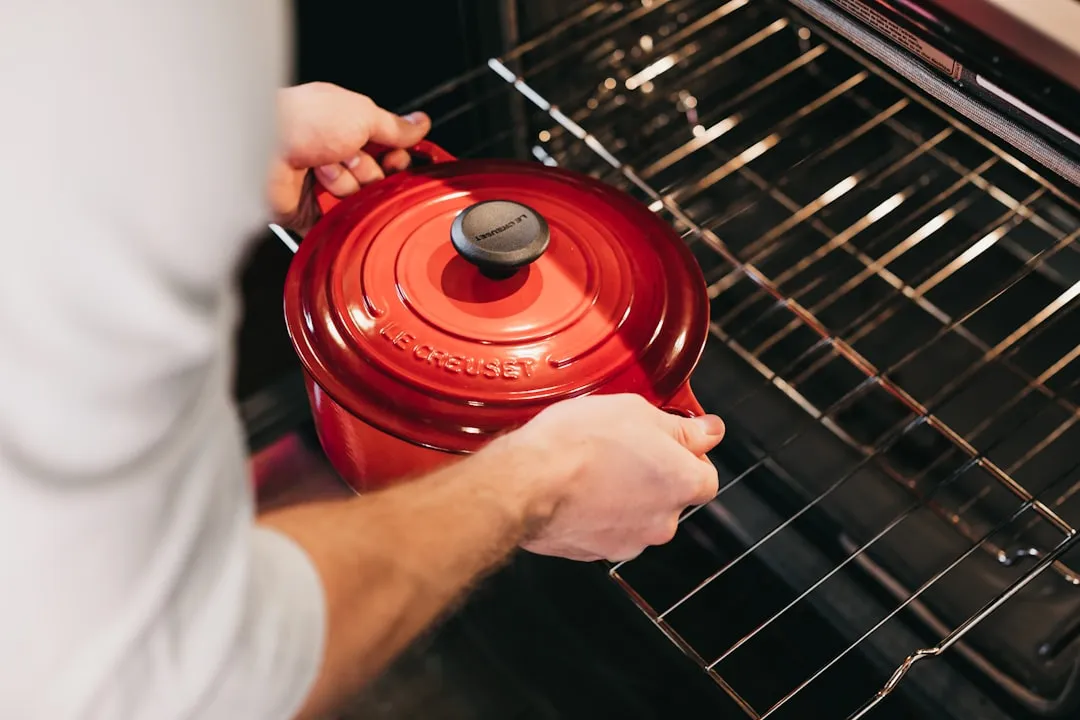
A Le Creuset Dutch oven can cost several hundred dollars at full retail, while budget enameled cast iron Dutch ovens often handle many of the same basic cooking jobs for much less. That gap deserves an honest explanation, not a brand defense.
The short answer: Le Creuset is worth it if you cook with a Dutch oven often, want a pot you can use for years, and care about lighter handling, enamel quality, color choices, and warranty support. It is harder to justify if you cook occasionally, mostly want a Dutch oven for one or two recipes, or would be just as happy with a lower-cost alternative.
The real question is not whether Le Creuset works well. It does. The better question is whether its advantages matter enough in your kitchen to justify the upfront cost.
What the premium buys
A Dutch oven is one of the most versatile pieces of cookware you can own. It can braise meat, simmer soups and stews, bake bread, cook beans, make sauces, roast chicken, and move from stovetop to oven to table.
Le Creuset's version stands out for a few practical reasons: steady heat retention, a light-colored enamel interior that makes browning easier to monitor, wide handles that are easy to grip with oven mitts, and a comparatively manageable weight for enameled cast iron. Epicurious calls the 5.5-quart Le Creuset Dutch oven an equally great pick alongside Staub, praising its cooking performance, easy handling, relatively light weight for its size, and durable enamel coating..
That does not mean every cook needs one. Many less expensive Dutch ovens can still produce good soups, braises, stews, and no-knead bread. The difference is less about whether dinner turns out well once and more about how the pot feels, cleans, wears, and holds up over years of regular use.
Le Creuset vs. Lodge, Made In, and Staub
The Dutch oven market breaks down into a few useful tiers.
Budget options such as Lodge and Amazon Basics are best for cooks who want to try Dutch oven cooking without spending several hundred dollars. They can handle most everyday recipes, including soups, stews, chili, braises, and bread. The tradeoff is that cheaper pots may be heavier, less refined in the handles or enamel finish, and less proven over many years of heavy use.
Made In sits closer to the premium tier. In Bon Appétit's testing, Made In's Dutch oven was competitive with Le Creuset and Staub in construction and cooking performance, often at a lower price. The tradeoff is selection: Le Creuset offers far more colors, sizes, and shapes.
Staub is Le Creuset's closest premium competitor. Both are French enameled cast iron brands with strong reputations for quality and longevity. Bon Appétit found the choice largely comes down to preference: Le Creuset has a lighter-colored interior that makes it easier to see browning, while Staub has a dark interior that hides stains and wear more easily. Staub is often heavier, which some cooks like for heat retention but others may find harder to lift.
For most home cooks, the decision is simple: buy Le Creuset if you want the most polished long-term experience and can afford it. Buy Lodge or another budget Dutch oven if you mostly want the function. Consider Made In or Staub if you want premium cookware but are not attached to Le Creuset's colors, shape, or lighter interior.
Which size should you buy?
For most home cooks, the 5.5-quart round Dutch oven is the safest choice. It is large enough for soups, braises, beans, bread, and one-pot dinners without being as heavy or awkward as the largest models.
A 3.5-quart Dutch oven makes more sense for one- or two-person households, side dishes, sauces, and smaller kitchens with limited storage space. A 6.5-quart or 7.25-quart model is better for batch cooking, larger families, whole chickens, roasts, and entertaining, but the extra capacity also means more weight to lift, wash, and store.
An oval Dutch oven can be useful for whole chickens and long cuts of meat, but a round Dutch oven usually sits better on a standard burner. If you are buying only one, round is the more versatile shape.
Care and oven-safety limits
Le Creuset's enamel removes the seasoning step required by traditional cast iron, but it is not maintenance-free. It still needs basic care.
Do not heat the pot empty over high heat. Avoid sudden temperature changes, such as running cold water into a hot pot. Let it cool before washing. Use wood, silicone, nylon, or other non-sharp utensils when possible. Dry it thoroughly before storing.
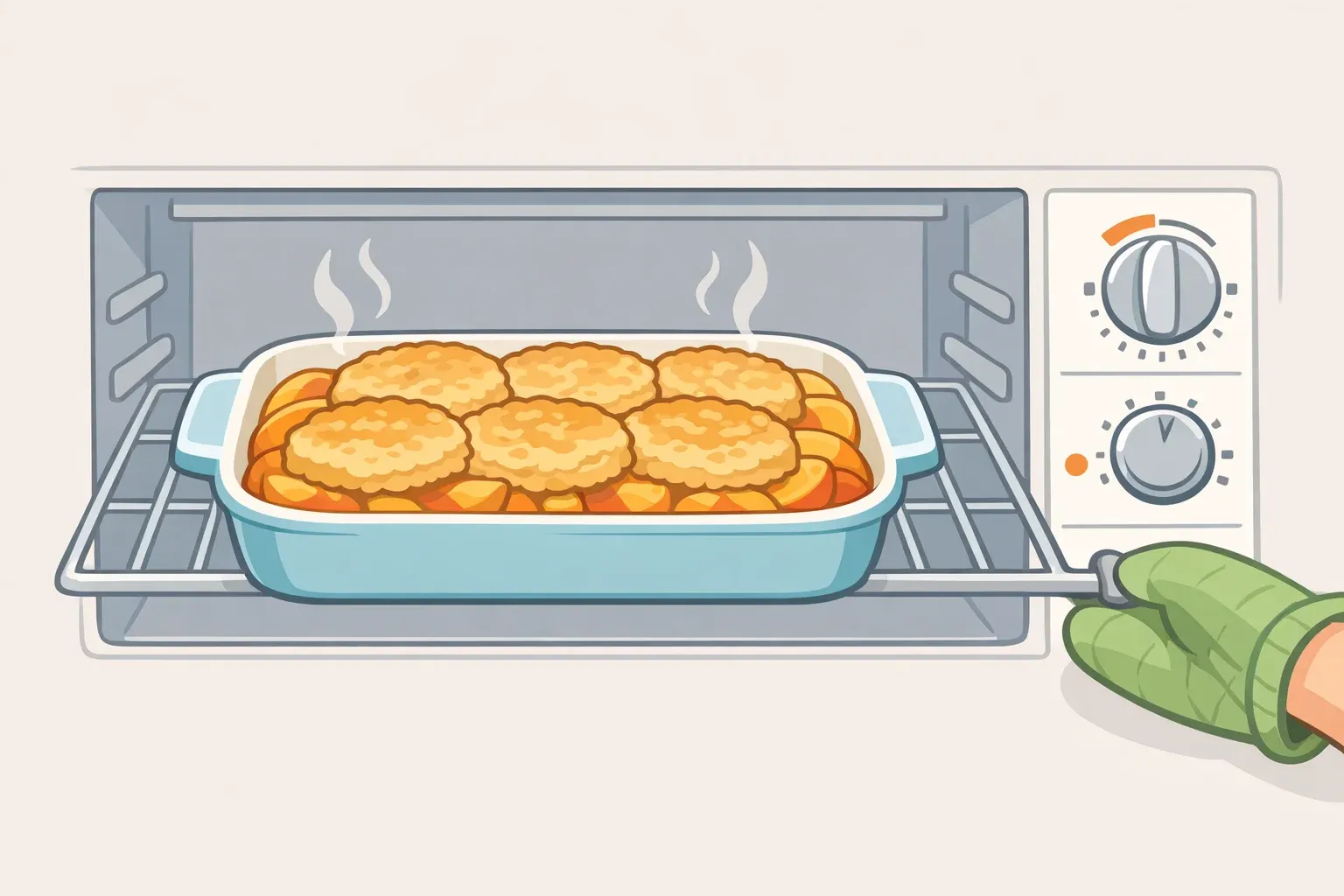
Oven limits also depend on the knob. Le Creuset's care and use guidance lists phenolic knobs and handles as oven-safe up to 390°F, while regular and colored stainless steel knobs are listed up to 500°F. That matters if you plan to bake bread or use the pot for high-heat oven cooking.
What the warranty does and does not cover
The lifetime warranty is part of Le Creuset's value, but it does not cover everything that can happen to the pot.
Le Creuset's lifetime limited warranty covers defects in materials and workmanship for normal household use, as long as the owner follows the care instructions. Coverage begins on the date of purchase by the original owner or gift recipient, and it does not cover damage from abuse, commercial use, neglect, abnormal wear and tear, overheating, or use outside the instructions.
That distinction matters. A manufacturing defect is one thing. A chip from dropping the pot, a crack from thermal shock, or damage from overheating is another. The warranty supports the long-term investment argument, but it should not be treated as protection against every accident.
When Le Creuset is worth it
Le Creuset makes the most sense if you cook with a Dutch oven several times a month or more and expect to keep it for many years. It is especially useful if you regularly make braises, soups, stews, beans, bread, pasta sauces, roasts, or one-pot meals.
It is also worth considering if weight and handling matter to you. Enameled cast iron is heavy no matter which brand you choose, but small differences become noticeable when you are moving a full pot from stovetop to oven or sink to cabinet.
The design appeal is real, too. Le Creuset comes in a wide range of colors and looks good enough to leave on the stove or bring to the table. That is not the most important reason to buy one, but it is part of why many owners use theirs often instead of hiding it in a cabinet.
When you should skip it
Skip Le Creuset if you cook rarely, are not sure you will use a Dutch oven, or mainly want one for an occasional soup or bread recipe. A budget enameled Dutch oven can answer that question for far less money.
You may also want to skip the larger sizes if lifting heavy cookware is difficult. A 7.25-quart Dutch oven can be useful, but it becomes much heavier once it is full. For many households, a 5.5-quart pot is the better balance of capacity and manageability.
Finally, skip Le Creuset at full retail if the price feels uncomfortable. These pots go on sale, and recent Food & Wine coverage showed a 6.5-quart Le Creuset Dutch oven discounted from $460 to $290. If price is the main concern, waiting for a sale is reasonable.
The bottom line
A Le Creuset Dutch oven is worth it if it becomes one of the most-used tools in your kitchen. The premium buys excellent performance, easier handling, durable enamel, strong warranty support, and a design many cooks enjoy using for years.
But it is not the only Dutch oven that can make good food. If you cook often and want a long-term piece of cookware, Le Creuset is a strong buy. If you are new to Dutch oven cooking or only use one occasionally, start with a cheaper option and upgrade later if you find yourself reaching for it all the time.


Comments
Be the first, drop a comment!