



Best Canned Refried Beans, Ranked and Upgraded in 2 Minutes
The best canned refried beans don't need much fixing. That's the actual lesson from blind-tasting 13 brands. Most people treat a mediocre can like a problem to be cooked away: simmering longer, adding water, hovering over the burner. It rarely works, because the beans aren't undercooked. They're flat and stiff, and those are different problems with faster solutions. This guide covers how to fix both using two ingredients in about two minutes, starting with picking the right can at the store.
Canned refried beans taste test: why the winner matters
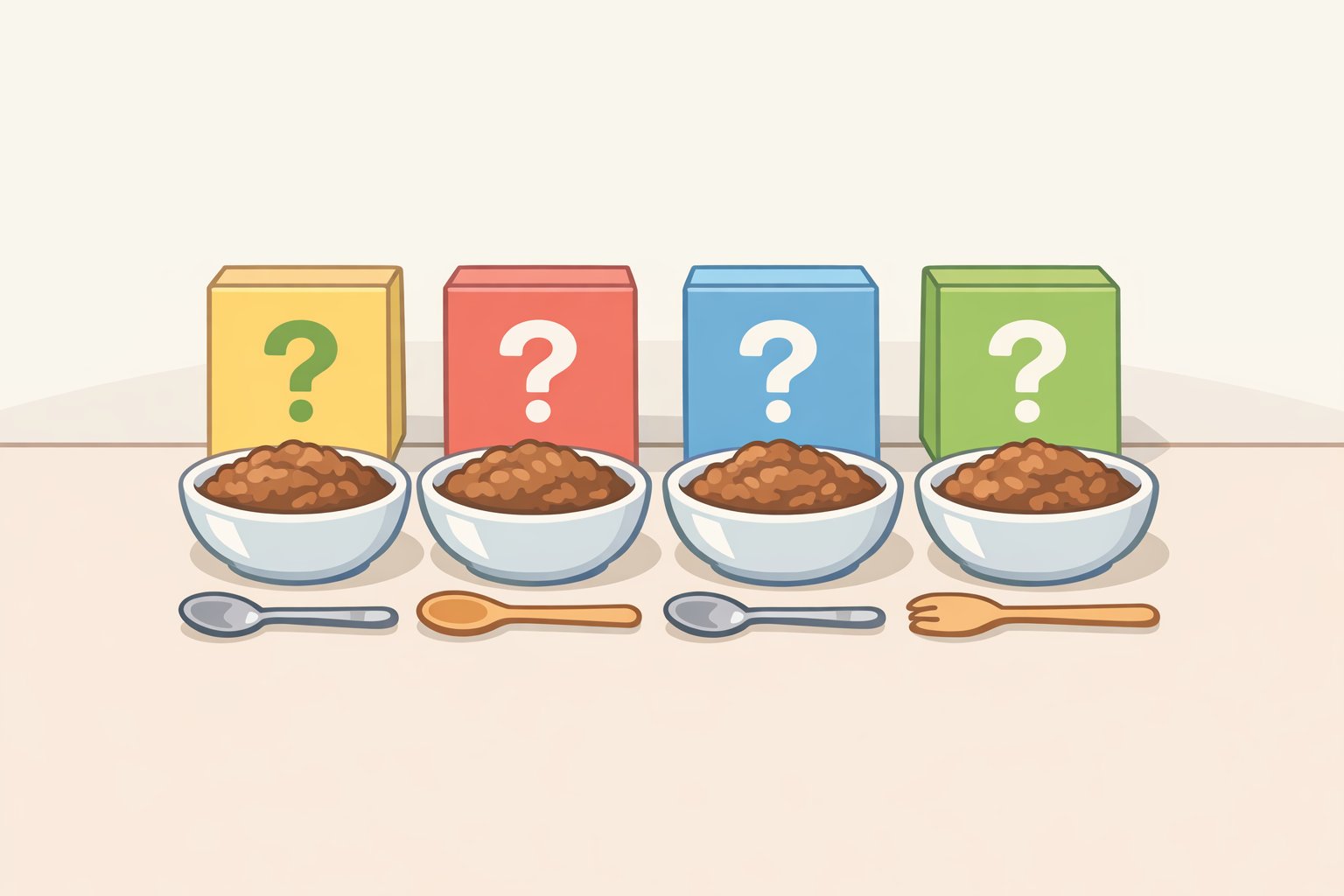
Earlier this year, Serious Eats blind-tasted 13 supermarket refried bean brands, with samples served in random order, brands hidden from tasters, and results tabulated without editorial input. The winner wasn't the one that needed the most intervention.
Old El Paso Traditional Refried Beans topped the field. It hit the right texture, neither stiff paste nor loose slick, and tasters consistently praised its well-seasoned, cohesive character. One taster called out its "strong flavor" specifically, per the Serious Eats taste test published earlier this year. Stop & Shop Traditional earned the runner-up spot for similar reasons: balanced texture between smooth and chunky, well-rounded flavor with a touch of spice, and a brightness that set it apart from the rest of the field.
Both contain lard, which is unlikely to be a coincidence. Lard likely contributed to the savory depth and fuller flavor that tasters preferred over samples made primarily with vegetable oil, according to Serious Eats. That's a useful signal at the shelf: if flavor is the priority, lard in the ingredient list is worth checking for.
Seasoning matters just as much as fat source. Old El Paso's flavor came from a short, coherent lineup tomato paste, cumin, garlic, and onion, with a touch of sugar that may have contributed its savory-sweet backbone, per Serious Eats. Stop & Shop's brighter character came from lime juice solids, vinegar powder, oregano, and paprika; the can was effectively doing the acid work before anyone opened it. Long ingredient lists heavy on stabilizers and gums tend to produce pasty, gluey texture. Short and coherent is the model.
Sodium deserves a look before purchase. A full cup of canned refried beans can carry 962 mg, which works out to 64% of the daily value, per Healthline. Most people use beans as a dip layer or spread rather than a full cup serving, so the load shrinks proportionally. Still, Healthline recommends looking for products at 15% daily value or below if sodium intake is a concern.
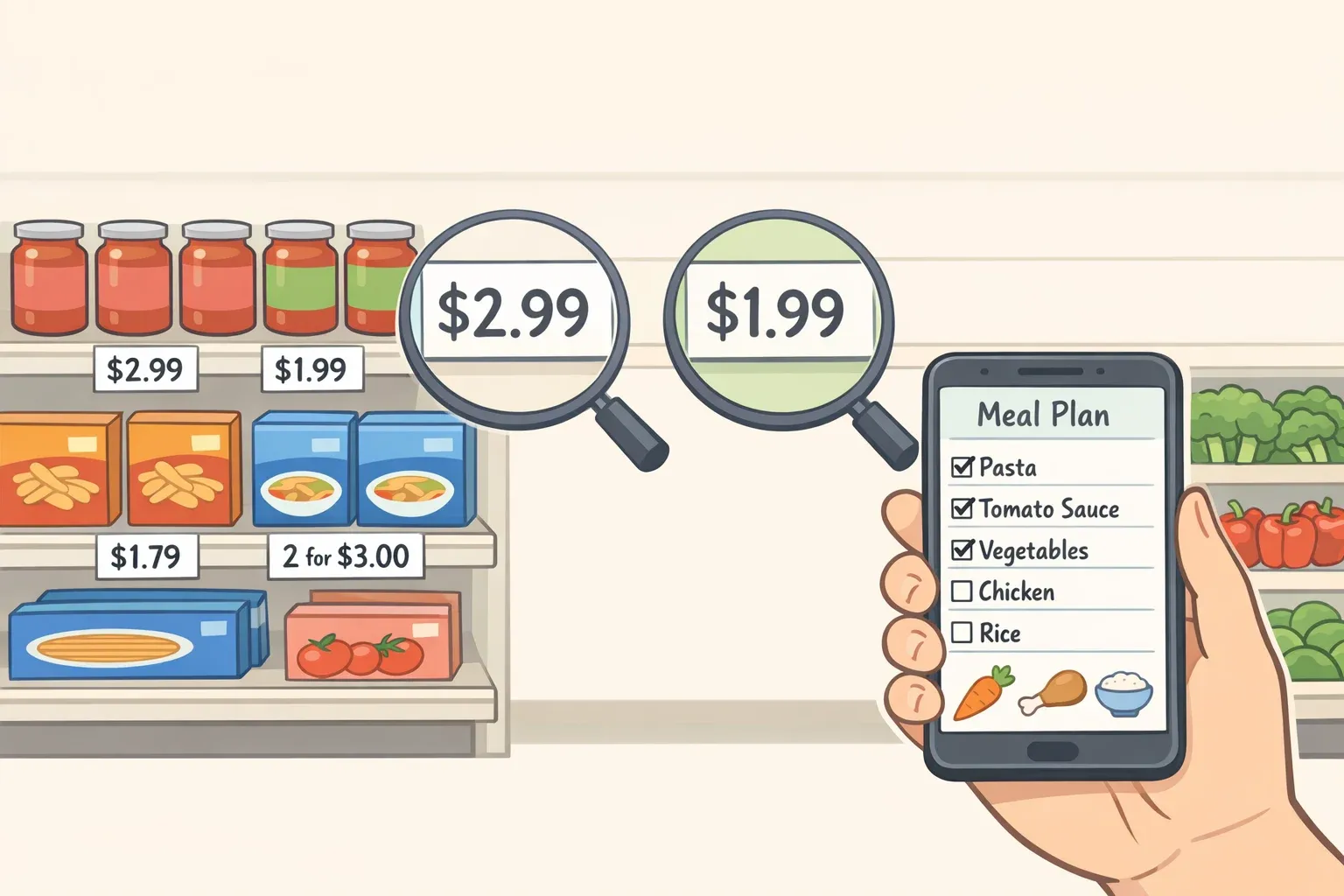
Can't find either taste-test brand? Look for lard or a named oil (not "vegetable oil blend"), at least two aromatic seasonings beyond salt, and a sodium count below 400 mg per half-cup serving. That's a can worth opening.
Best store bought refried beans: what to add once you've picked one
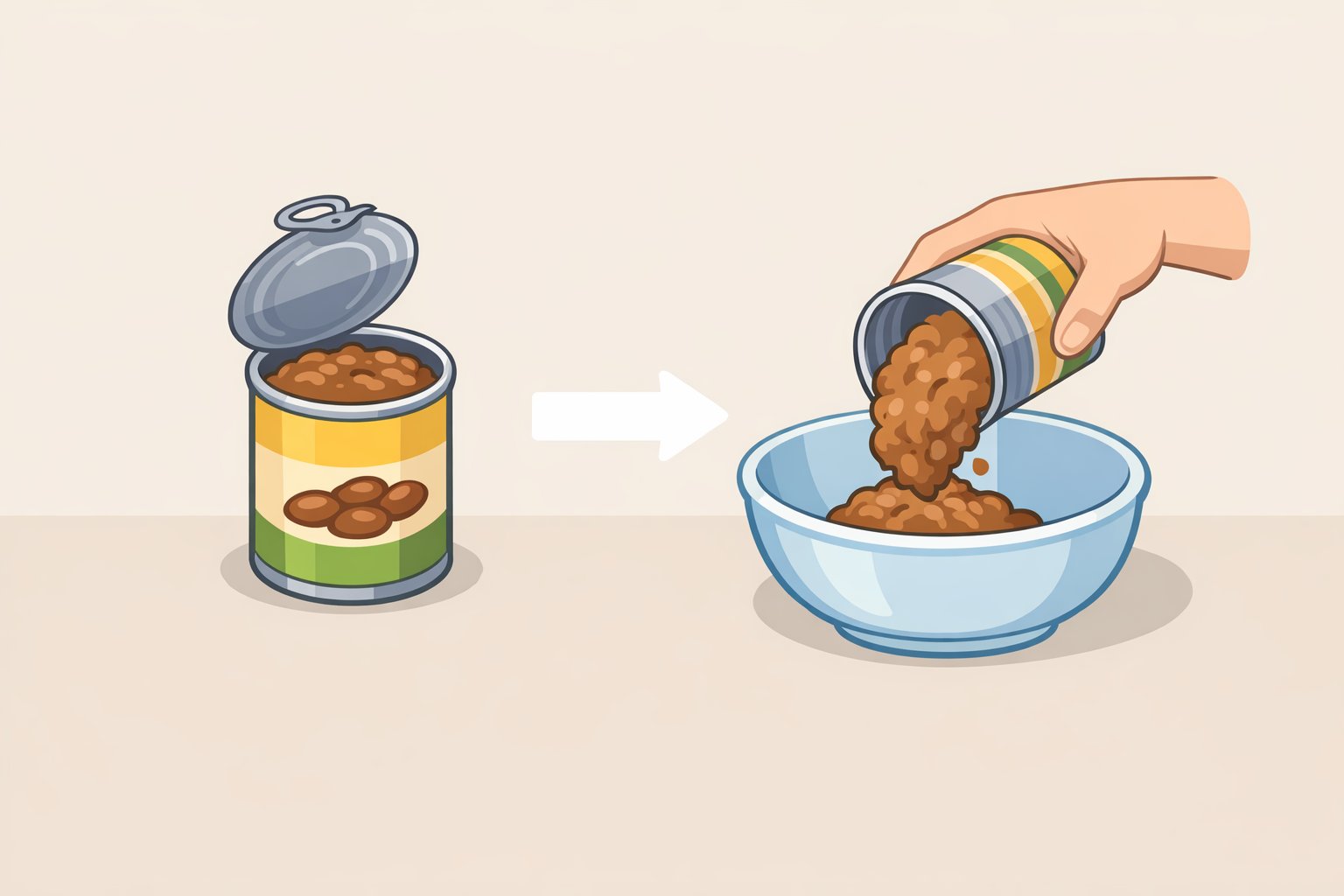
Prerequisites: One 15-16 oz can of refried beans. A bowl. A spoon or fork. Half a lime. Sour cream or plain Greek yogurt. Salt and cumin if needed. No burner required, though a 60-second microwave warm is noted where it helps.
Step 1: Open the can and transfer to a bowl.
Don't apply heat yet. The beans are fully cooked and stable at room temperature. You're fixing texture and flavor, not undercooking, and both are easier to control before heat dries the surface or thickens the paste further. If you want them warm for serving, microwave for 60 seconds and stir before adding anything else.
Step 2: Stir in two tablespoons of sour cream.
This corrects the stiffness problem. Tasting Table recommends sour cream specifically for smoothing out refried beans: it loosens the paste just enough to make it spreadable without going watery, and the mild tang pushes the flavor forward. The target texture, per chef guidance cited by Tasting Table, is creamy throughout with just a few intact beans for body. Two tablespoons gets you there.
- Gotcha: Start with two tablespoons. More than that and the beans may go too loose for chips; add a second half-tablespoon only if the consistency still feels stiff.
- Substitution: Plain Greek yogurt works, but its edge is sharper. A reasonable swap for vegetarian-labeled cans that already taste leaner.
Step 3: Squeeze in half a lime.
This corrects the flatness problem. Acidity wakes up everything already in the can: the cumin reads more clearly, the salt tastes more present, the fat stops feeling heavy. Tasting Table calls fresh lime juice one of the most effective flavor additions for canned beans specifically. The Serious Eats data supports this from a different angle: Stop & Shop's brighter, more layered character was partly attributed to the lime juice solids and vinegar powder already in its formula. Squeeze it in yourself and any can gets the same lift.
- Gotcha: Use a real lime, not bottled juice. Fresh citrus carries aromatic compounds that processed lime juice doesn't.
Step 4: Taste and troubleshoot.
Canned beans come pre-salted, often heavily, so salt is rarely what's missing. Use these cues:
- Too stiff: Another half-tablespoon of sour cream, or a small splash of warm water stirred in.
- Too loose: Let it rest two minutes uncovered; the starch will tighten slightly.
- Flat flavor despite lime: A pinch of cumin or a few dashes of hot sauce. The issue is usually missing aromatic depth, not missing salt.
- Too salty to eat comfortably: A small amount of unsalted sour cream can buffer the edge somewhat. It won't fix an oversalted can entirely. Next time, check the label at the store.
Step 5: Match proportions to use case, then serve.
The sour cream and lime amounts above produce a dip consistency, good for chips, sliced vegetables, or toasted pita. Adjust from there:
- Burrito or taco spread: Use one tablespoon of sour cream instead of two. A looser consistency smears unevenly and makes tortillas soggy.
- Tostada or toast base: The standard two-tablespoon ratio holds its shape when spread with a spoon.
- Layered dip base (seven-layer dip): Keep the standard ratio but hold back on extra lime; the layers above will contribute acidity.
Upgraded beans keep covered in the refrigerator for up to three days. The sour cream does not meaningfully shorten that window.
What you're actually getting nutritionally
A single cup of refried beans provides 13 grams of protein and 10 grams of fiber, per Healthline. The Institute of Medicine sets the daily fiber target at 25 grams for adult women, so one cup covers a meaningful share. For a quick weeknight protein source, that's a solid return.
The honest caveat is sodium. That same cup can carry 962 mg, per Healthline. As a side-dish serving, 2 to 3 tablespoons rather than a full cup, the load shrinks proportionally, and it's a more realistic portion for dips and spreads anyway. The label check belongs at the store, not after the can is already open.
The lard question comes down to priorities. Lard-based beans took the top two spots in the Serious Eats taste test on flavor grounds, with lard likely driving the savory depth tasters preferred. For those managing saturated fat intake, Healthline recommends vegetarian formulations made with plant-based oils like olive oil, which carry significantly less saturated fat. The upgrade method in this guide works with either version. With leaner vegetarian cans, lean harder on the cumin and hot sauce adjustments in Step 4; those cans tend to need more aromatic support.
When this shortcut pays off, and when to change brands
Two tablespoons of sour cream and half a lime reliably turn a decent can into something noticeably brighter and creamier. No burner, no simmering, no ten minutes of stirring that usually makes the texture gluey instead of better. That covers most weeknight situations: quick taco nights, layered dips, a fast spread for grain bowls where the beans are one component among several.
The method has limits worth knowing. If the can is severely oversalted, sour cream will soften the edge but won't fix the underlying problem. Cans where the texture has no structure to work with, more wallpaper paste than beans, won't respond well to acid and dairy either. The acid brightens; it doesn't rebuild. In those cases, the better move is a different brand next time rather than more ingredients this time.
Old El Paso topped a blind field of 13 brands not because it needed intervention, but because it already had what good refried beans require: balanced texture and coherent seasoning, per Serious Eats. The two-minute upgrade works best when the baseline is solid. Start there, add acid and dairy, and reach for the lime before you reach for the stove.


Comments
Be the first, drop a comment!