


How to Keep Food Warm at a Party: 8 Genius Hacks for Perfect Temperature Every Time
Difficulty: Novice
Time: 10-30 minutes setup per method
Cost: Free to $50, depending on method
Why You'll Love These Food Warming Tricks
Big gathering on the calendar and one nagging worry: how do you keep everything hot without drying it out? Whether it is Thanksgiving at your place, a birthday bash on the patio, or a neighborhood potluck, holding temperature is about taste and safety.
Food safety experts recommend keeping hot dishes at 140°F (60°C) or above per USDA guidance. (The Pioneer Woman). No guesswork, no stress.
Here is the happy news. You do not need fancy equipment. From turning your cooler into a heat trap to using everyday appliances as warming stations, these eight tricks keep food ready while you enjoy your guests. Hot dishes can safely sit out for up to two hours at room temperature (Yahoo). With the right setup, you make that window work for you so every bite tastes like the first one.
Turn your slow cooker into a warming station
Your slow cooker is not just for Sunday pot roast. It is a low-effort way to keep pulled pork, meatballs, queso, or chili warm and party-ready. Transfer the dish, set it to low, then let the gentle heat hold the line (Yahoo). No scorched bottoms, no dry edges.
Slow cookers shine because they retain moisture, keeping food tender during long serving windows (Host Modern). Rice cookers do the same job. Switch to Keep Warm and they hold temperature for hours without overcooking (Host Modern).
Pro tip: If you only own one slow cooker, ask a friend to loan you another for the night (USA Today). Multiple pots mean apps, mains, and sides all stay ready at once.
Master the chafing dish setup
Chafing dishes look fancy, but they are simple once you know the routine. Disposable aluminum trays sit over a water pan, and fuel cans keep the water hot, keeping your food warm without overcooking. Set it up right and you get steady, buffet-friendly heat.
Safety first: use a stable, heat-safe surface, keep fuel away from decor or tablecloths, and never leave flames unattended. Have extra fuel on hand.
For best results, fill the bottom pan with hot water before lighting, then light your fuel source. Denatured alcohol keeps the heat going through the event (USA Today). The presentation looks professional and the heat is consistent, perfect for a classic buffet line.
Transform your oven into a holding station
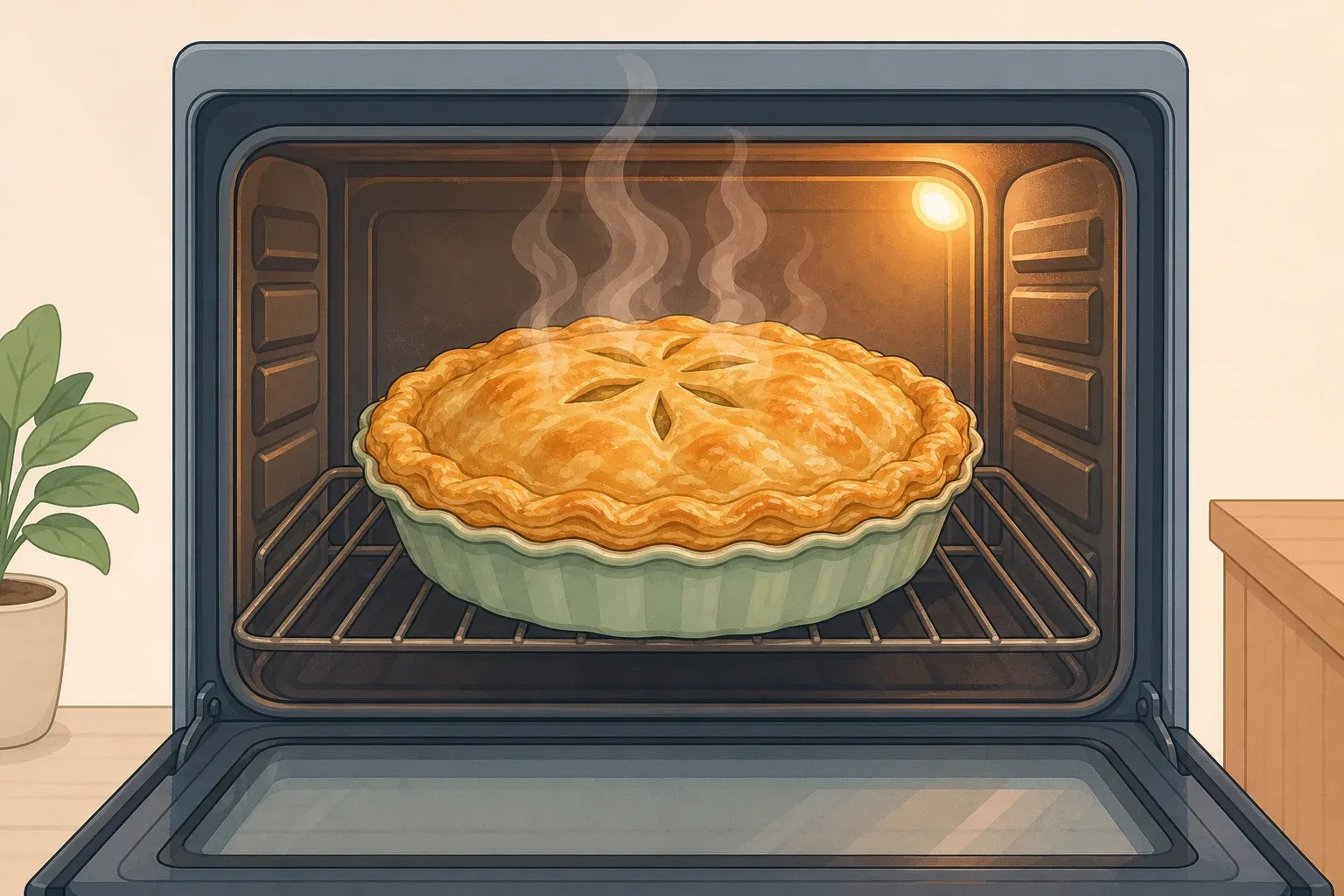
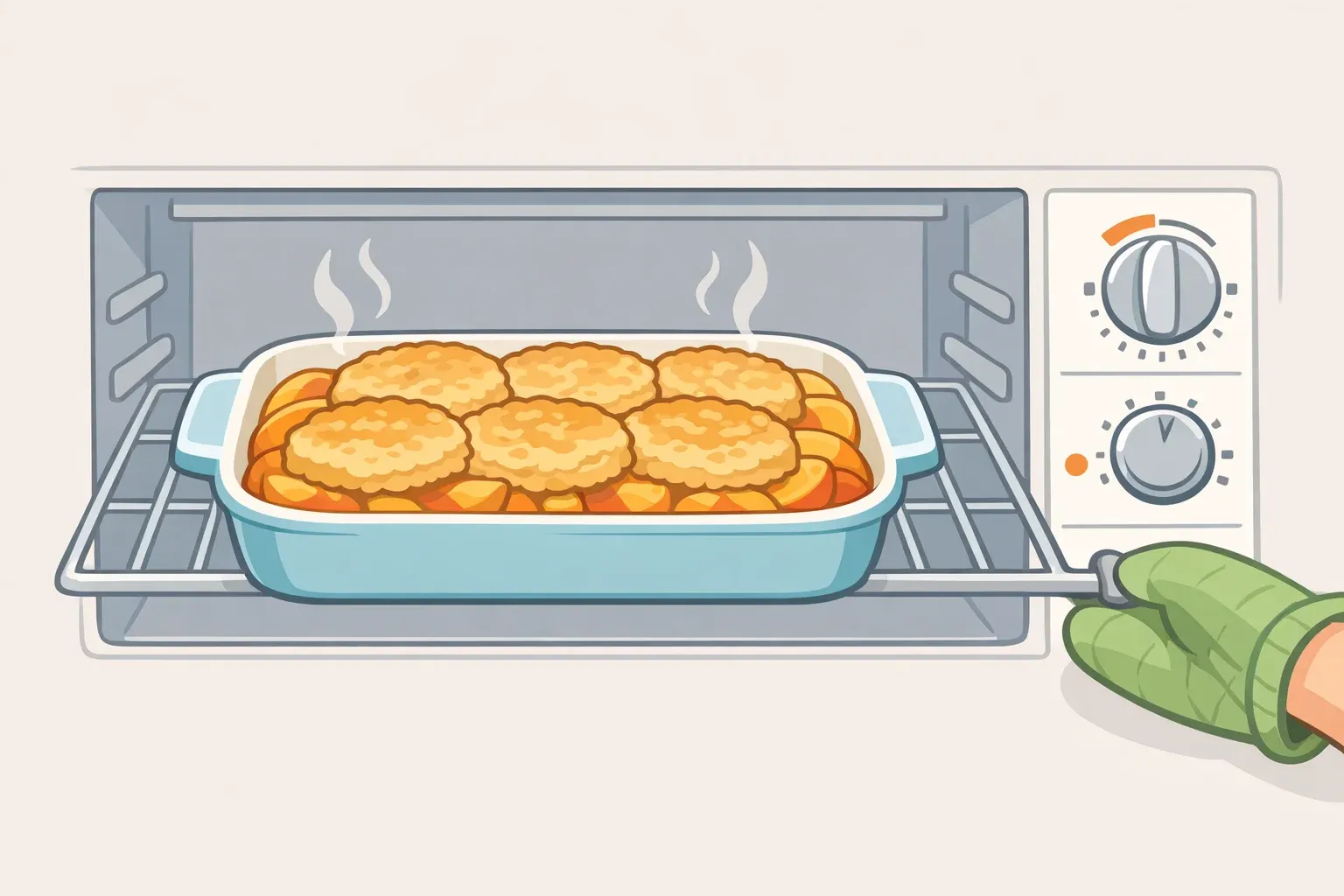
Your oven is the most reliable warmer in your kitchen. Set it to 170° to 200°F (77° to 93°C), or use the warming drawer if you have one. Great for casseroles, roasted meats, or trays of rolls while guests arrive.
Many ovens have a Warm setting that runs around 160°F (70°C), which keeps cooked food warm without continuing to cook it (Two Kooks in the Kitchen). The real win is capacity. You can park several covered dishes and keep them safely hot at once.
Cover tightly with foil to prevent drying, and avoid opening the door every two minutes. You keep the heat steady and your energy bill calmer too.
Use your stovetop strategically
The stovetop makes a great, visible warming station. Set a Dutch oven or an attractive saucepan over low heat, stir now and then, and serve straight from the pot (Yahoo). Soups, stews, queso, gravy, all happy here.
Guests can see steam rising and know the food is hot, which is oddly reassuring at a buffet (WikiHow). Keep liquids at a gentle simmer and stir to prevent hot spots or boil-overs. For solid foods, seal in foil and set over the cooler edge of the burner for indirect heat.
Safety note: Use oven-safe cookware and keep the flame on the lowest setting to avoid overcooking. This method suits dishes that can handle an occasional stir.
Try the cooler hack that actually works
Surprise, your cooler keeps food warm as well as it keeps drinks cold. It is built to trap temperature, and that buys you time for serving and transport (Yahoo).
Preheat the cooler first. Pour in hot, not boiling, water, close the lid for a few minutes, then drain and dry. Line with foil, add a towel to catch spills.
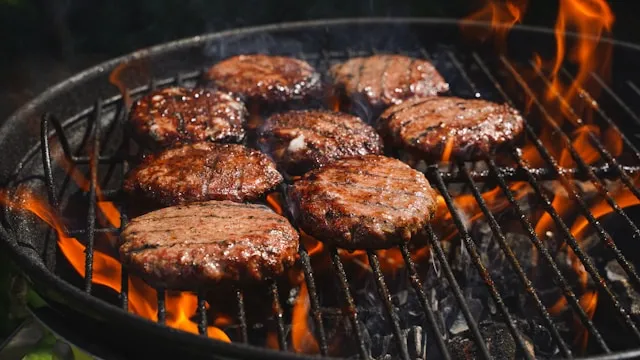
Wrap cooked food tightly in foil to lock in moisture, then add a towel wrap for extra insulation. Grilled meats, veggies, potatoes, and corn stay warm for about three hours with this setup. Handy for the backyard or when you are taking hot food across town.
Get creative with DIY warming solutions
Thinking outside the box pays off. Set tea light candles under an upside-down metal baking sheet for a low, steady heat that keeps finger foods cozy on the table. Or heat bricks in the oven, wrap in foil, and tuck them beneath serving dishes for gentle warmth that lasts (Host Modern).
Safety warning: with tea lights or any open flame, give them space, ventilate, and never walk away.
Want a flame-free route? Try a heating pad on a heat-safe surface, covered with a towel, then set your dish on top. You can also make a quick steam table by filling a deep roasting pan with hot water, nesting smaller containers inside, and covering it with foil to trap steam and heat.
Invest in proper insulated serveware
Sometimes, simple wins. Insulated serveware looks good on the table and conserves heat, so your dish stays appealing longer . Think soups, stews, and pasta. Anything that loves residual heat.
Look for double wall or vacuum insulation, tight lids, sturdy materials, and the right capacity for your crowd (Host Modern). Thermal containers retain heat for hours without power, making transport easier and keeping the serving line calm and warm (Host Modern). Portable, simple, done.
Master the timing and safety basics
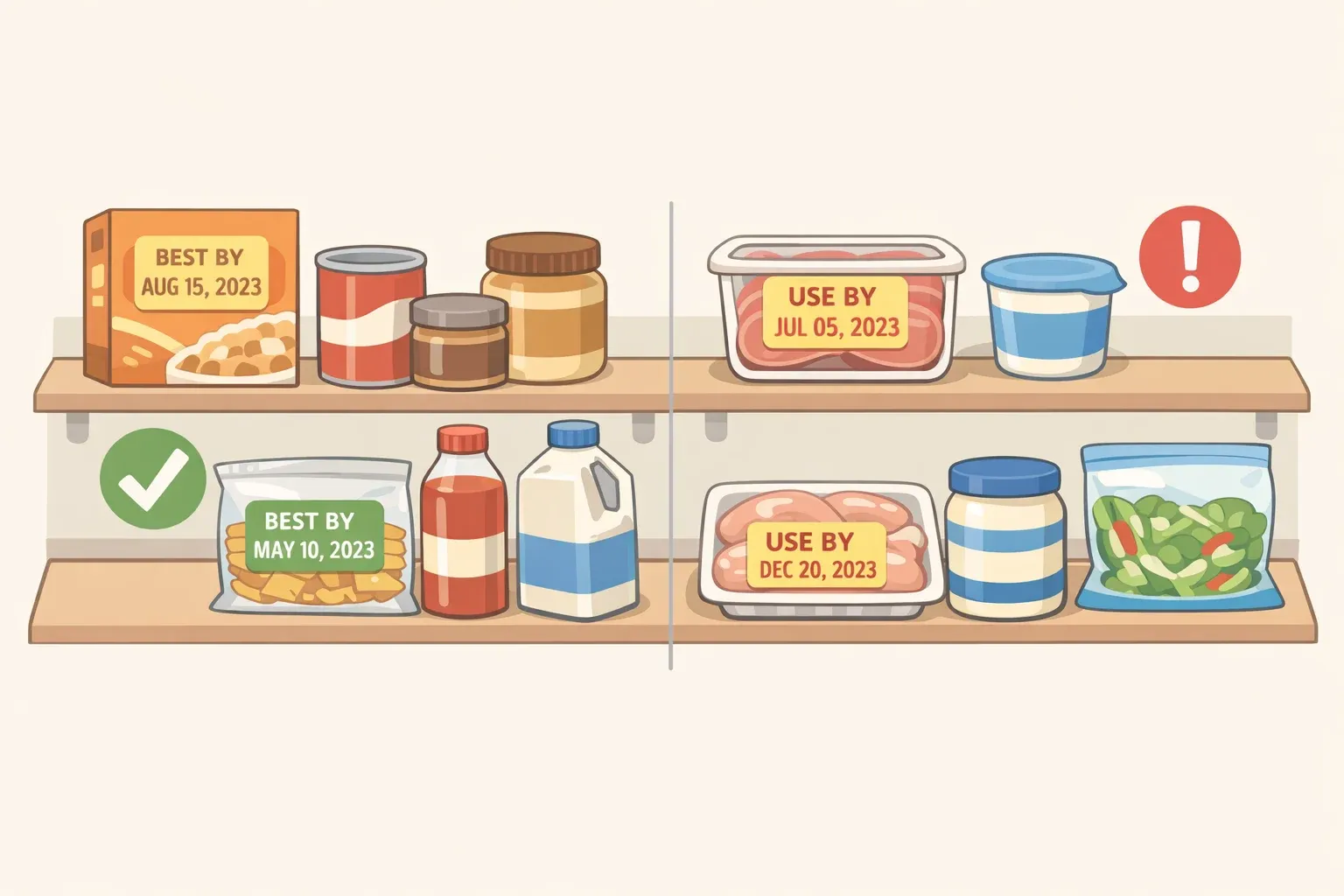
Gear is only half the story. The danger zone for bacteria is 40°F to 140°F (4° to 60°C), where Salmonella and E. coli can multiply rapidly. Remember the 2-2-2 rule: two hours at room temp max, two days in the fridge, up to two months in the freezer for most leftovers.
Even above 140°F, quality can slide after four hours, so plan your pacing and refresh dishes when needed. Use a meat thermometer before serving; it should read above 140°F for safety.
Give the finishing touches some love. Warm plates, bowls, and serving dishes in the oven or under hot water to prevent food from losing heat on contact (Host Modern). Cover open containers tightly with foil, and lean on heat-holding materials like ceramic and clay for serving. Small moves, big payoff.
Your next gathering just got a whole lot easier
With these eight hacks in your back pocket, lukewarm food is off the menu. Match the method to your menu and headcount. Slow cookers for casual, saucy spreads, chafing dishes for that polished buffet look. Plan a little, hold smart, and let people linger over food that stays hot and happy. Your guests will taste the difference.

Comments
Be the first, drop a comment!