



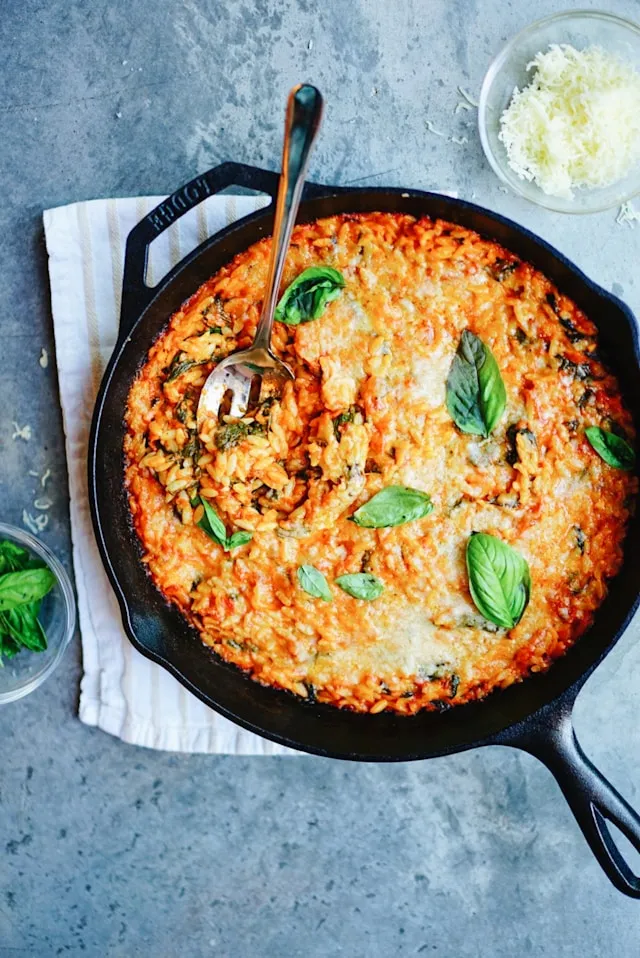
If you searched for "one pot chicken parmesan meatballs and orzo," the honest answer is that this dinner runs on two pans working at once: a baking sheet for the meatballs, a skillet for the orzo. What survives the swap is everything people actually want from chicken Parmesan: savory ground chicken, nutty Pecorino Romano, marinara, and a blanket of melted mozzarella, according to Savory Experiments, whose version yields four servings and about 20 to 22 meatballs.
There's no breading, no splattering oil, and no batch-frying. The meatballs bake while a creamy garlic-and-herb orzo cooks on the stovetop, the same division of labor Savory Experiments builds its own recipe around. That source lists its own version at about 30 to 35 minutes total, but once you account for mixing the meatball base, resting it, baking it to a verified 165°F, and finishing everything with marinara and mozzarella, this two-pan adaptation tends to run closer to 45 to 55 minutes.
That's this guide's own estimate for the workflow below, not a total time either source publishes. It's still beginner-friendly: no searing, no batch-frying, just a mixing bowl, a sheet pan, a skillet, and an instant-read thermometer.
What you'll need
Savory Experiments doesn't publish the exact cup or gram measurements for the meatballs in the portion of the recipe used here, only the ingredient list, bake specs, and yield. For precise amounts of each meatball ingredient, use its recipe card directly. This guide follows its temperature, timing, and yield exactly:
Ground chicken
One egg
Breadcrumbs
Grated Pecorino Romano or Parmesan
Garlic
Italian seasoning
Salt and pepper
Baked at 400°F for 25 to 30 minutes, until the centers reach 165°F, yielding about 20 to 22 meatballs
For the orzo, using YumWhisk's four-serving quantities:
1½ cups dry orzo (about 278 grams)
2½ cups low-sodium chicken broth
2 cloves garlic, minced
⅔ cup cream, heavy or light
¼ cup grated Parmesan
½ teaspoon salt
¼ teaspoon pepper
To finish: marinara sauce and shredded mozzarella. Neither Savory Experiments nor the orzo sources publish exact amounts for this step, so plan on enough marinara to coat each meatball lightly and enough mozzarella to cover them, then adjust next time based on how it turns out.
Tools: rimmed baking sheet, parchment paper, mixing bowl, skillet or saucepan with a lid, instant-read thermometer.
Difficulty and timing: beginner-friendly, about 45 to 55 minutes start to finish for this two-pan version.
Adapting two recipes into one two-pan dinner
This guide pairs Savory Experiments' baked meatballs with YumWhisk's orzo method, skipping YumWhisk's step of searing the meatballs first since these bake separately on a sheet pan.
If Boursin is what you have on hand, Savory Experiments notes that garlic-herb Boursin "does most of the heavy lifting" in its own version of the orzo, though it doesn't specify a package size or a substitution ratio. Treat swapping it in for the cream and Parmesan above as a personal experiment: start with less than you think you need, taste, and adjust the salt before adding more.
How to make the chicken parmesan meatballs
Preheat and mix. Set the oven to 400°F, matching Savory Experiments. Combine the ground chicken, egg, breadcrumbs, cheese, garlic, and seasoning just until everything holds together. Julia's Album cautions that overmixing can make meatballs dense, so stop as soon as the mixture comes together.
Let it rest. Set the bowl aside for 10 to 20 minutes so the breadcrumbs absorb excess moisture, a step YumWhisk recommends for a more tender texture. Use the time to line the baking sheet and measure out the orzo ingredients.
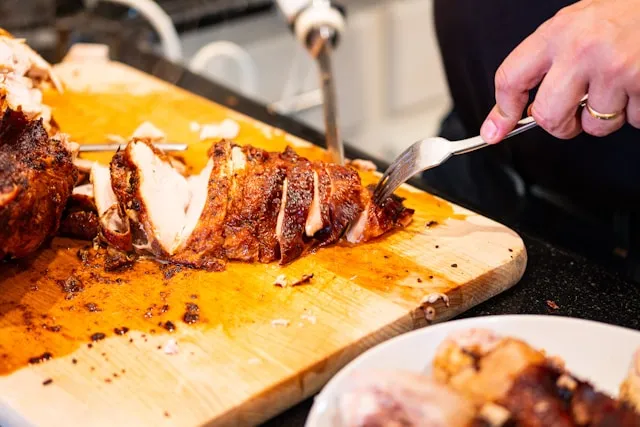
Shape and bake. Roll the mixture into 20 to 22 meatballs, about 1 to 1¼ inches across, and space them evenly on the sheet. Bake 25 to 30 minutes, then check the largest meatball with an instant-read thermometer. It needs to read 165°F. Trust the thermometer, not the clock; color and bake time are only estimates for ground poultry.
How to make creamy orzo with chicken meatballs
Start the orzo about 13 to 15 minutes before the meatballs are due out. This scheduling window is meant to keep the two pans in sync; it isn't a timing either source publishes. Warm a little olive oil in a skillet over medium heat and add the garlic. Cook about a minute until fragrant. Add the broth, orzo, cream, Parmesan, salt, and pepper; stir to combine, then cover and simmer about 10 minutes, until the orzo is tender and most of the liquid is absorbed. Starting the orzo partway through the bake, rather than at the same time as the meatballs, keeps it from sitting around and stiffening before the meatballs are ready.
Taste and hold. Once the orzo is tender, taste it and adjust the salt. If it thickens while the meatballs finish in the oven, loosen it with a splash of warm broth right before serving.
Baked chicken parmesan meatballs with marinara and mozzarella
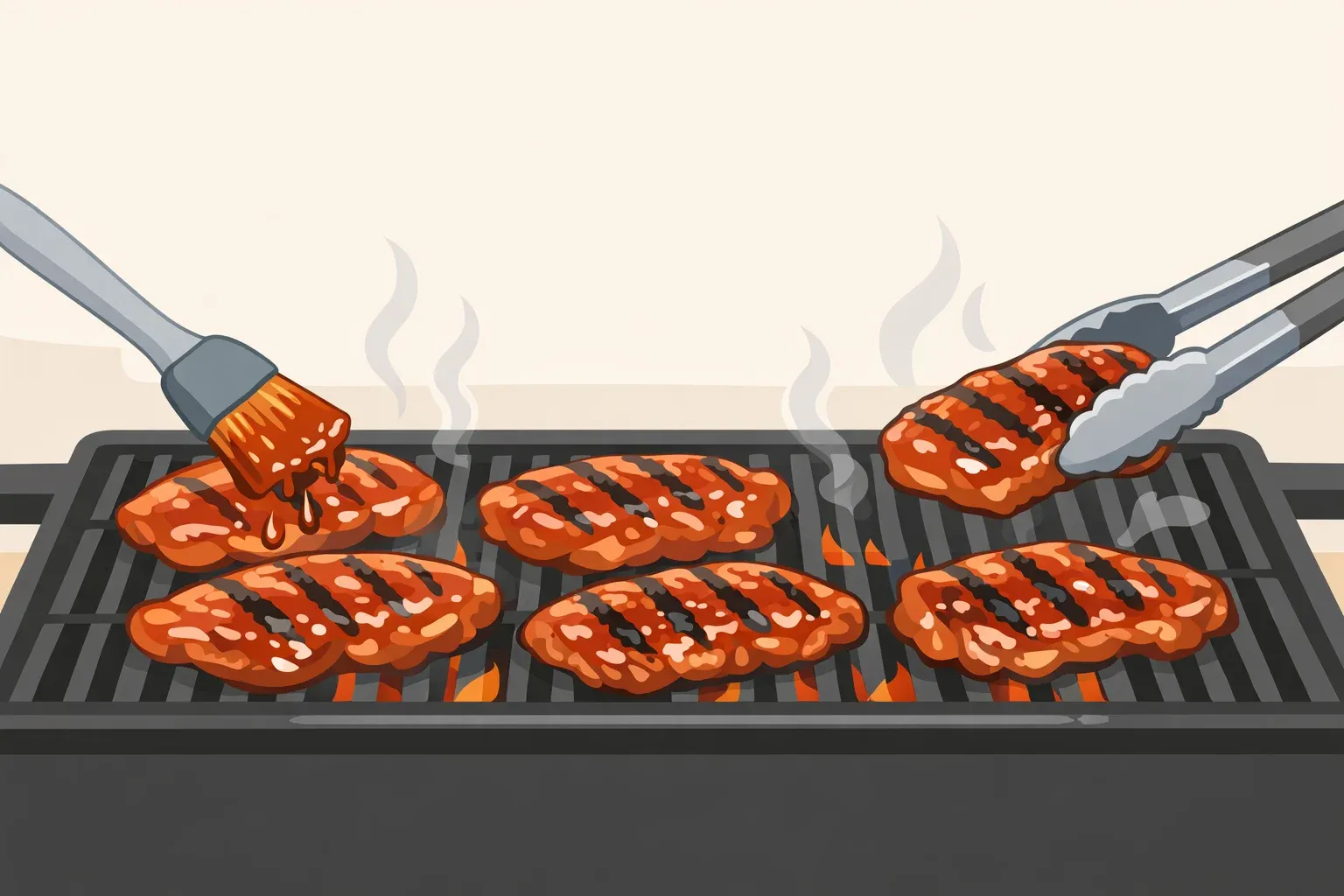
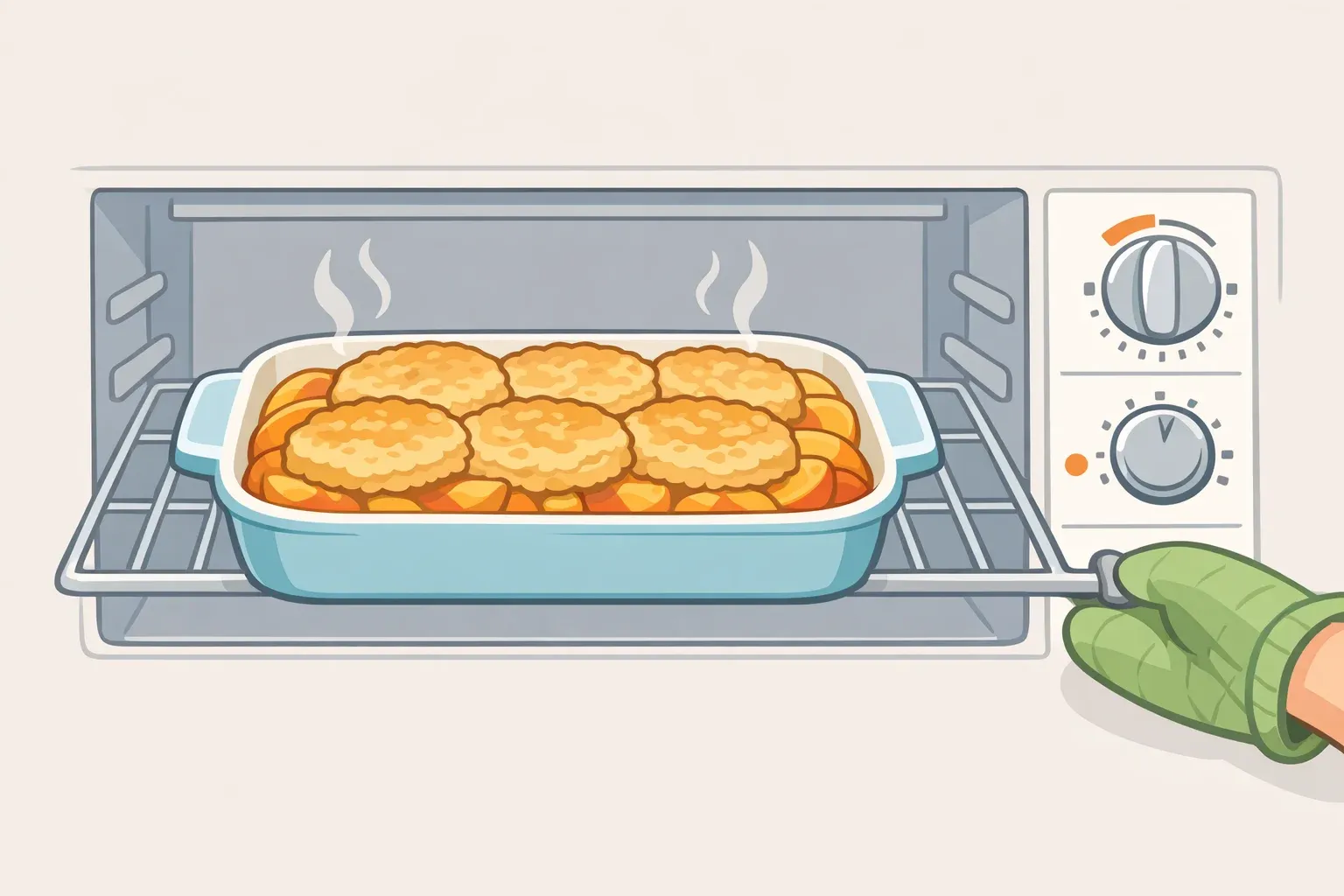
Choose how to finish the meatballs. Savory Experiments spoons marinara over the meatballs, adds mozzarella, and covers the pan for a few minutes until the cheese turns gooey. As an alternative for this two-pan version, leave the pan uncovered and broil for 1 to 2 minutes instead, closer to the browning finish Eat With Mary uses on its own version of this dish. Watch the broiler closely since it works fast, and pull the pan once the cheese is melted with a few lightly browned spots. If you'd rather skip the broiler, go back to Savory Experiments' original approach and cover the pan for a few minutes in the oven until the mozzarella melts.
Plate. Spoon the orzo into bowls first, then top with the marinara-mozzarella meatballs rather than stirring everything together. This keeps the two components distinct going to the table, rather than letting the marinara thin out the creamy orzo right away.
If the meatballs and orzo fall out of sync
These fixes aren't part of either published recipe. They're practical, untested adjustments for keeping two pans moving at the same speed, so treat them as suggestions to try rather than a guaranteed fix.
Meatballs running behind? Keep the orzo covered off heat and stir in a splash of warm broth right before serving.
Orzo finishing early? Hold it on the lowest heat setting with the lid on, stirring every couple of minutes, and loosen it with broth as needed.
Orzo turned gummy? It probably sat too long after soaking up the liquid. Thin it with warm broth rather than adding more dry orzo, which won't have time to cook through.
Adjustments and swaps
Protein swap: Ground turkey can be substituted for ground chicken. Turkey may bake a little faster or slower than chicken depending on the batch, so check the largest meatball for 165°F rather than relying on the original bake time alone.
Lighter version: Recipes by Cassie uses half-and-half instead of heavy cream for a lighter version of its own orzo. It reduces richness but does not make the dish low-fat.
Adding greens: Recipes by Cassie reports that frozen spinach works well in place of fresh. As general handling advice, thaw and drain it first so it doesn't add extra water to the sauce.
Make-ahead: Recipes by Cassie says the meatball mixture can be refrigerated up to 24 hours before baking. That's written about the raw, unshaped mixture; treat meatballs that are already rolled or baked differently.
Whatever swap you make, check the largest meatball for 165°F before serving any batch. Color and bake-time estimates are secondary cues, not a substitute for checking.
Storing and reheating leftovers
Serve the dish right away. The orzo should look creamy, closer to risotto than soup, a texture cue Julia's Album uses for its own version of this dish, and the mozzarella should still be soft from the oven or broiler.
Cool leftovers and get them into the fridge promptly rather than leaving the dish out on the counter. Recipes by Cassie, Eat With Mary, and Julia's Album, who each publish their own version of this dish, say it keeps for up to 3 days in an airtight container; that figure comes from recipe testing in each of their kitchens, not a food-safety agency, so use it as a quality guideline on top of ordinary refrigeration habits.
To reheat, Julia's Album recommends warming the orzo and meatballs together gently on the stovetop with a splash of chicken stock or cream to loosen the sauce. Recipes by Cassie instead reheats individual portions in the microwave, stirring halfway through so the orzo warms evenly. Either works; pick whichever matches how much you're reheating.
If you want a head start on a future dinner, freeze the meatballs on their own for up to 2 months, an approach both Recipes by Cassie and Julia's Album recommend. Both sources specifically freeze the meatballs without the orzo, so make a fresh batch of orzo when you're ready to serve rather than freezing the two together.
For this adaptation, lean on two checks rather than the clock: the thermometer for the meatballs, and the orzo's texture, creamy rather than soupy or gummy, for the sauce. Get those two right, and the two pans come together as one dinner, whatever finish or swap you land on.








Comments
Be the first, drop a comment!