




Three frozen tater tots, pressed flat and baked twice in a muffin tin, turn into a crisp disc sturdy enough to stand in for an English muffin. Top that disc with Canadian bacon, a poached egg, and warm hollandaise, and you've got a plated, forkable version of Eggs Benedict rather than a handheld one. This Eggs Benedict hash brown bites recipe makes eight of them from 24 tots and eight eggs, enough for four brunch servings or a shareable appetizer platter, according to Delish's recipe.
It's not a five-minute recipe, but it's not complicated either. Building the crisp base, poaching eight eggs in batches, and assembling everything while it's still warm takes some coordination, and there's one food-safety decision worth making before you turn on the oven, since a runny poached yolk isn't the right call for every guest at the table.
Yield: 8 bites, 4 servings
Prep time: 5 minutes
Total time: 35 minutes
Skill level: Beginner-friendly, but poaching eight eggs takes four batches at the stove
What you'll need
24 frozen tater tots, from a 28-ounce bag
8 large eggs
8 slices Canadian bacon, cut into 2-inch rounds or squares
½ cup store-bought or homemade hollandaise sauce, warmed
Thinly sliced chives and smoked paprika, for serving
Salt
You likely already have the tools on hand: a standard 12-cup muffin tin, nonstick cooking spray if your tin isn't nonstick, a small measuring cup or spoon for flattening the tots, a fine-mesh sieve, small bowls or ramekins for the eggs, a medium pot, and a slotted spoon.
Delish lists 5 minutes of prep time and 35 minutes total. The cooking itself includes a 10-minute first bake followed by 8 to 10 more minutes to crisp the base, then four rounds of poaching two eggs at a time. Build in time for that repetition rather than aiming for a five-minute turnaround.
Why the muffin-tin method works
Pressing the tater tots flat partway through baking is what turns three separate pieces into one crisp disc instead of loose pellets, giving you a stable little platform for a wet topping. Other muffin-tin hash brown recipes rely on the same idea, baking the potato base until the edges start to brown and the color turns golden before anything wet goes on top, according to Mary's Nest.
Straining the loose egg white through a sieve before poaching does something similar for the egg. It removes the wispy part that would otherwise spread out past the edges of a small base, so the poached egg keeps roughly the same footprint as the disc underneath it, according to Delish.
Decide how you'll cook the eggs before you start
Settle this before you start poaching, because it changes how long the eggs stay in the water and who should eat the finished bites.
Delish cooks the eggs for 3 to 4 minutes, until the whites are set but the yolks remain runny. That's the classic Eggs Benedict result, but undercooked eggs carry a higher foodborne-illness risk.
The American Egg Board recommends cooking classic poached eggs until the whites are completely set and the yolks begin to thicken but aren't hard, about 5 minutes. It also notes that soft-cooked eggs may not be appropriate for higher-risk populations.
If you're serving someone who is pregnant, very young, older, immunocompromised, or otherwise at greater risk of foodborne illness, the FDA recommends avoiding raw or undercooked eggs. Use pasteurized shell eggs or pasteurized egg products when appropriate, or cook the eggs until they're fully done.
If you want to verify doneness with a thermometer rather than judging by appearance, USDA lists 160°F as the minimum internal temperature for eggs.
Keep each egg in its own bowl or ramekin after straining, as Delish instructs. That also makes it much easier to slide them into the water one at a time without breaking the yolks.
How to make this Eggs Benedict hash brown bites recipe
Build the base. If your muffin tin isn't nonstick, mist the wells with cooking spray before you start. Heat the oven to 450°F. Place 3 tater tots in each of 8 wells of a standard 12-cup muffin tin. Bake 10 minutes, then flatten each cluster into a single layer using the bottom of a small measuring cup or spoon and season with a pinch of salt. After flattening, the tots should begin forming one flat disc rather than staying as separate pieces.
Crisp the base fully. Return the pan to the oven and bake 8 to 10 minutes more, until the discs are crisp and adhering to each other. Let them cool slightly, then transfer them to a platter. Pulling them too early leaves the centers soft, and a soft base is more likely to fall apart under a poached egg and hollandaise.
Set up your assembly line before you poach. Warm the hollandaise and keep it warm near the stove so it's ready when the eggs come out of the water. Warm eggs and sauce cool quickly once they land on the hash brown base, so assemble and serve each batch soon after poaching.
Strain the eggs. One at a time, crack each egg into a fine-mesh sieve to let the loose, watery part of the white fall away, then transfer it into its own small bowl or ramekin. This helps the poached egg stay compact enough to fit the crispy base.
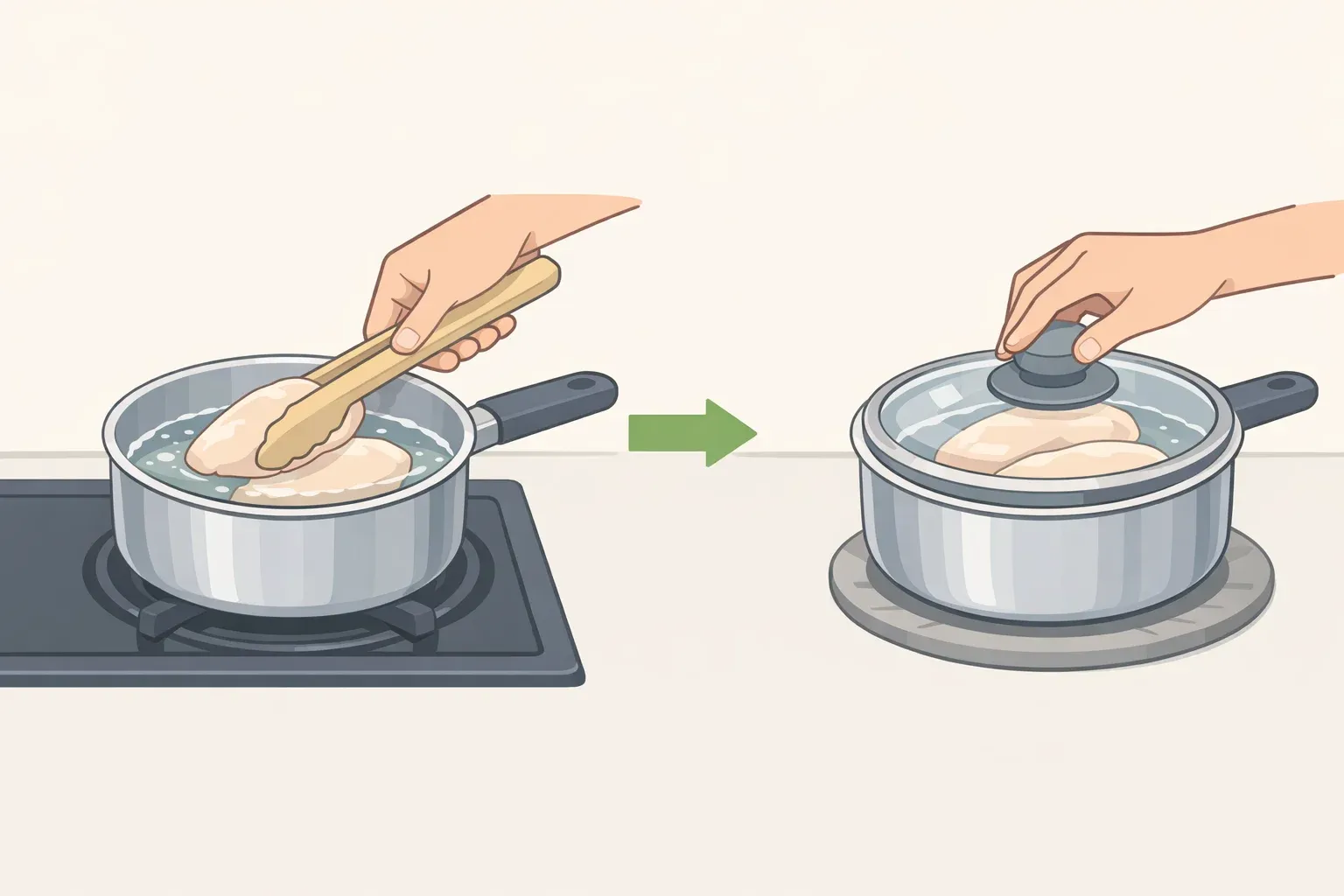
Poach the eggs in batches. Fill a medium pot halfway with water and bring it to a boil, then reduce the heat to maintain a very gentle simmer, where bubbles barely break the surface. Hold a bowl close to the water and gently slide one egg in, stirring the water around it in a circular motion. Repeat with a second egg so two poach at once. Delish cooks them 3 to 4 minutes for set whites and a runny yolk. For a more fully cooked egg, continue until the yolk reaches the doneness you need. Lift the eggs out with a slotted spoon onto a paper towel-lined plate, season with a pinch of salt, and repeat until all eight are poached.
Size the bacon. Cut the Canadian bacon into 2-inch rounds or squares so each piece matches the footprint of a hash brown base. A biscuit cutter makes quick, even work of this if you have one.
Assemble and serve right away. Top each hash brown base with a piece of Canadian bacon, then a poached egg, then a tablespoon of warmed hollandaise. Finish with chives and smoked paprika, and bring the bites to the table immediately with small forks and napkins. Success looks like a crisp golden base that holds its shape when lifted with a fork, a still-warm egg, and hollandaise that coats the top without pooling off the plate.
Troubleshooting and variations
If the bases stick despite greasing the tin, run a thin knife around the edge of each well before lifting the disc out. They're fragile straight from the oven and firm up as they cool for a minute or two, so give them that time before removing them.
If the white shreds apart in the water, lower the heat and try again once the bubbles barely break the surface.
If you're serving guests who should avoid undercooked eggs, use pasteurized eggs when available and cook the poached eggs thoroughly. Homemade hollandaise can also contain raw or undercooked yolks, so use pasteurized eggs or egg products for guests at higher risk rather than assuming homemade sauce is safe for them.
Baking the eggs instead of poaching is a different method worth knowing about, though it hasn't been tested on this tater-tot base specifically. One comparable hash brown cup recipe cracks eggs directly into potato cups and bakes them, getting a runny yolk around 5 to 7 minutes and a firmer yolk at 9 minutes or longer, according to Mary's Nest.
That recipe uses a different potato shape, oven temperature, and cup-style base, so treat its timing as a starting point rather than a guarantee for these bites.
Serve, store, and finish
Serve these mini Eggs Benedict hash brown bites as soon as they're assembled.
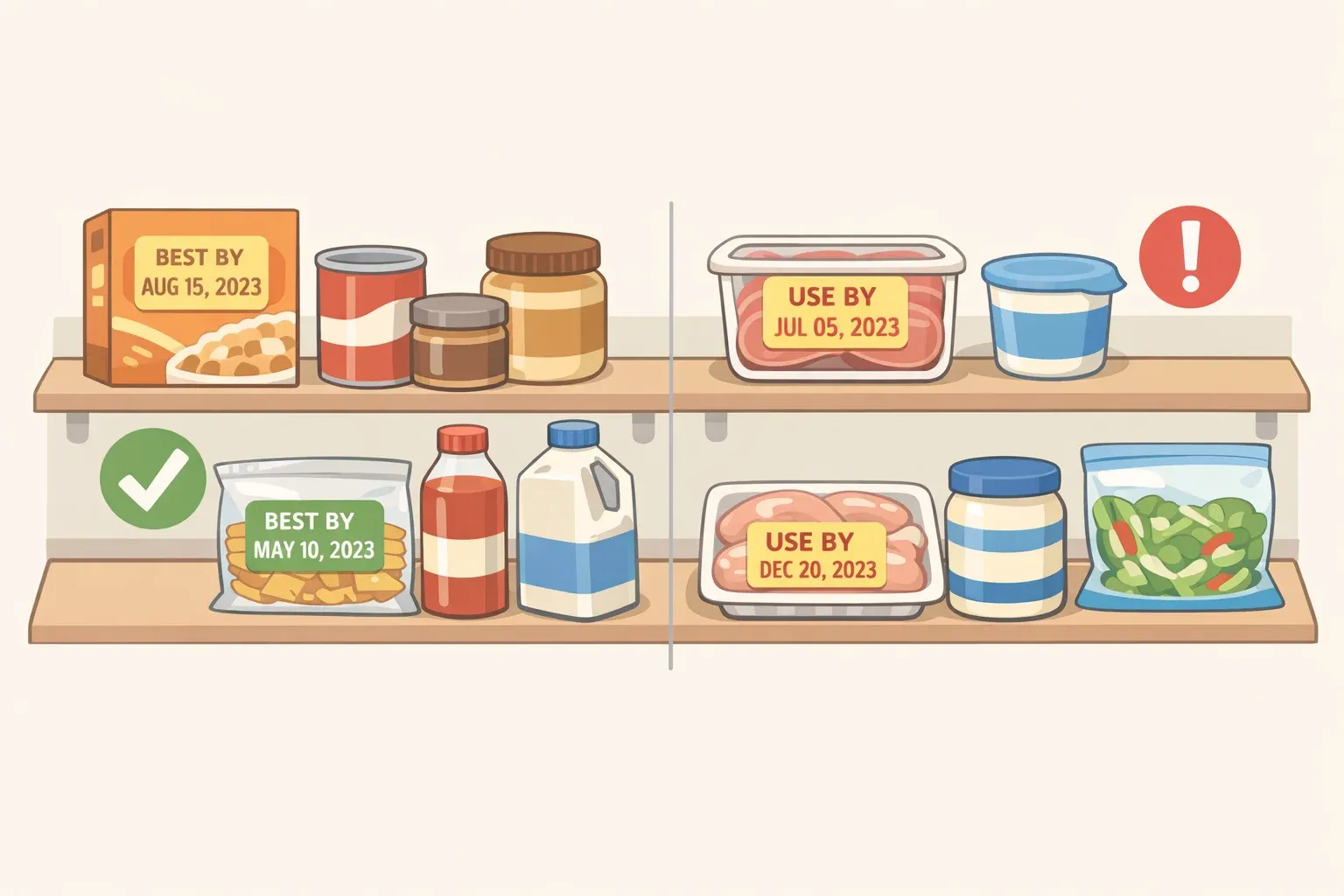
Egg dishes and other perishable foods shouldn't sit at room temperature for more than two hours, or more than one hour when the temperature is above 90°F. If you're holding the bites hot for serving, keep them at 140°F or above.
Refrigerate leftovers promptly. The American Egg Board recommends reheating egg-containing leftovers to 165°F.
You can test storing the unassembled potato bases separately, but the supplied storage guidance for hash brown cups comes from a different shredded-potato recipe, so treat it as a starting point rather than a guarantee for these tater-tot bases. For the best texture, make the bases and poach the eggs fresh, then assemble just before serving rather than reheating an already-topped bite.
Don't overthink the shape of the base. A slightly uneven disc still does its job as long as it's crisp enough to hold the toppings. The goal is a stable stack served warm with a small fork, not something designed to sit out for hours.





Comments
Be the first, drop a comment!