



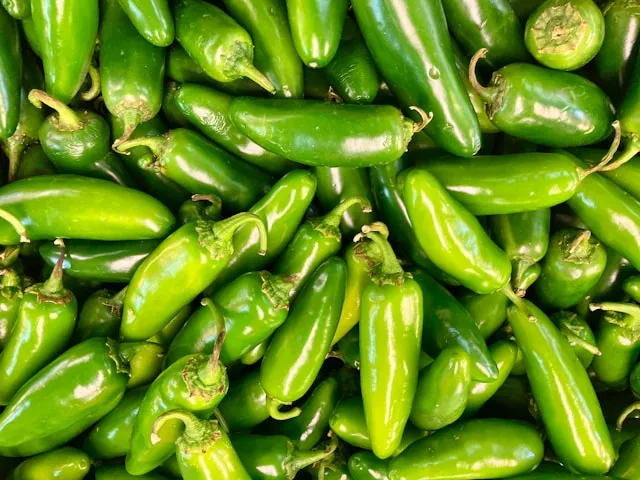
This aji verde sauce recipe takes about 10 minutes start to finish, needs no stovetop at all, and makes roughly 1¼ cups, enough for 10 servings at about 2 tablespoons each. The method itself is simple: jalapeños, garlic, and cilantro go into a blender with mayonnaise and sour cream for body, then olive oil streams in at the end to pull everything into one smooth, pourable sauce.
Because it keeps refrigerated for up to seven days, one batch of this creamy aji verde sauce is useful for several meals through the week, not just one dinner. The step that decides whether it turns out silky or thin is how the oil goes in. It needs to drizzle in slowly with the blender running, not get dumped in all at once.
This version follows one recipe developer's approach to aji verde with jalapeños and cilantro, not a single official Peruvian formula. Treat it as a dependable base you can season and adjust, rather than a fixed rulebook.
Recipe at a glance:
Prep time: 10 minutes, no cooking required
Yield: about 1¼ cups, 10 servings at 2 tablespoons each
Difficulty: beginner
Equipment: blender or food processor, rubber spatula, sealed storage container
Storage: refrigerate up to 7 days
What is Peruvian ají verde sauce?
Ají verde is a creamy, spicy Peruvian green sauce made by blending fresh jalapeños, garlic, and cilantro into a mayonnaise and sour cream base. The jalapeños and garlic bring the heat, the cilantro adds a fresh, herbal edge, and the mayo and sour cream turn the mixture rich and smooth. Lime juice and a splash of white vinegar cut through that richness so the sauce doesn't taste heavy or one-note. That balance of heat, herb, cream, and acid is what makes ají verde work as a Peruvian chicken green sauce and as a general-purpose condiment far beyond chicken.
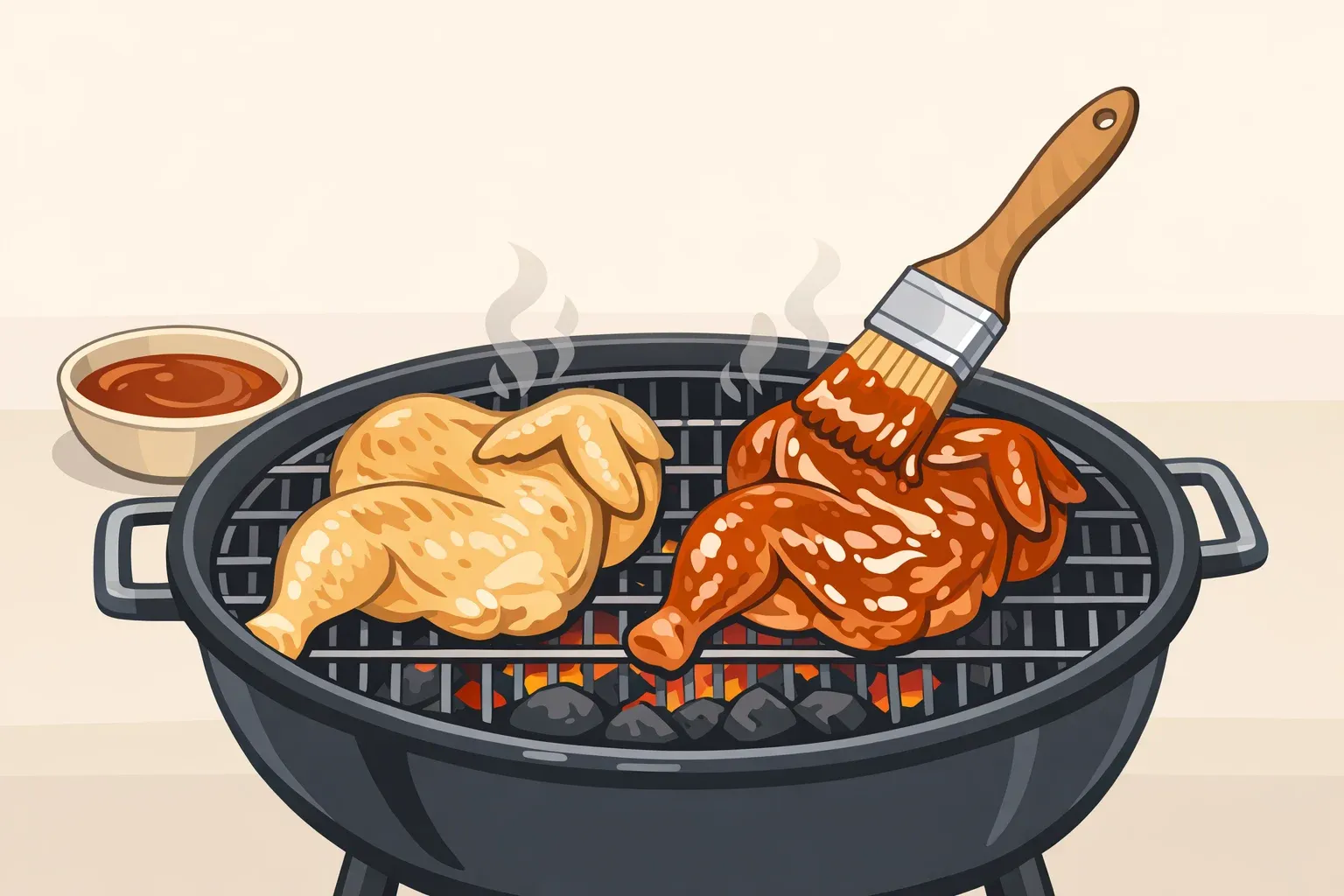
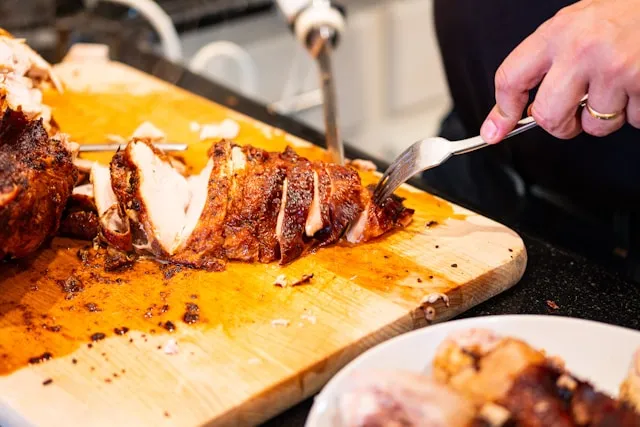
Ají verde is the classic pairing for pollo a la brasa, Peruvian-style roasted chicken. It also holds up well on plenty of other food, which the serving section below covers.
One optional add-in worth knowing about is ají amarillo paste. The recipe developer describes it as adding a fruity, moderate heat, and she associates that flavor with authentic Peruvian versions of the sauce. Consider it a flavor upgrade worth trying once you've made the base recipe a time or two, not something you need on the first attempt. Learning how to make aji verde well starts with getting the base right before layering on extras.
Ají verde ingredients and heat adjustments
This recipe makes about 1¼ cups, enough for 10 servings, and calls for the following:
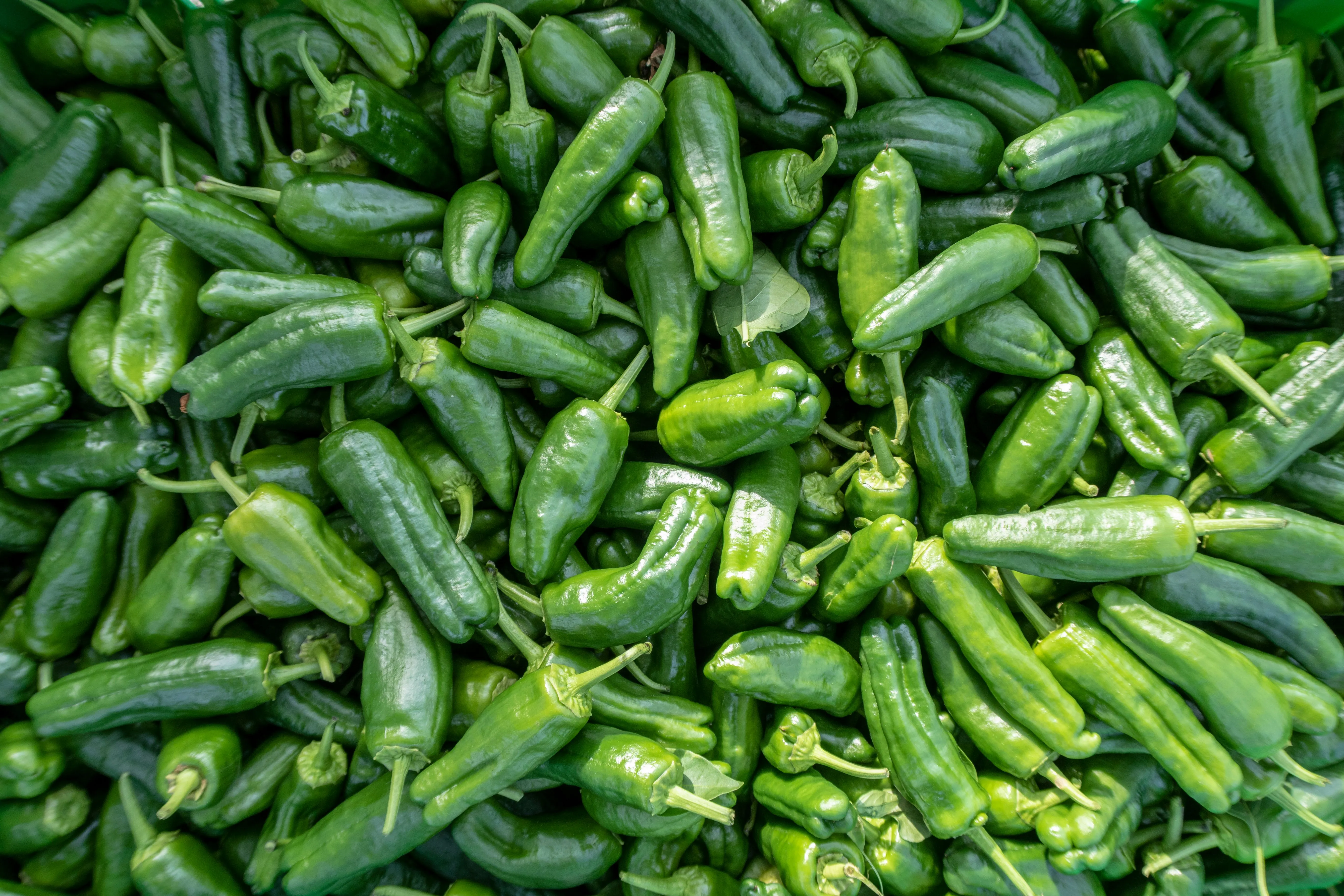
3 jalapeños, seeds removed
2 garlic cloves
1 cup cilantro leaves
½ cup mayonnaise
¼ cup sour cream
1 tablespoon lime juice
1 teaspoon distilled white vinegar
½ teaspoon kosher salt
¼ teaspoon black pepper
2 tablespoons olive oil
1 tablespoon ají amarillo pepper paste, optional
Everything is measured by volume, so there's no scale or thermometer required. That's part of what makes this a good beginner recipe: no cooking, no cook-to temperature, just a blender and a timer.
If you want the fruitier side of the flavor, one to two tablespoons of ají amarillo paste is the range to work in. Start with one tablespoon the first time and add more on your next batch once you know how strong you like it. Because it's a paste stirred in during blending, going light at first and adjusting in a future batch is the more forgiving approach.
Heat is also adjustable through the jalapeños themselves. For a spicier sauce, keep the seeds and membrane on the jalapeños instead of removing them, or increase the amount of ají amarillo paste. Decide how you want to handle the jalapeños before they go into the blender. Once everything is puréed together, there's no clean way to separate the heat back out.
If sour cream isn't something you keep on hand, plain Greek yogurt is a reasonable stand-in, but treat it as your own adaptation rather than a tested substitution. It's tangier and thinner than sour cream, so use it only if a slightly looser, more acidic sauce is fine with you, and check the consistency again after blending in case it needs a touch more olive oil to come together.
How to make this aji verde sauce recipe
A high-speed blender or food processor matters here. Fast-moving blades finely break down the jalapeños, garlic, and cilantro and help distribute their flavor evenly through the mixture, which is what makes the sauce smooth and cohesive rather than chunky. A lower-wattage or older blender may struggle to fully break the mixture down and could need extra scraping and re-blending along the way. This is still a beginner-friendly recipe either way; there's no heat and no technique more advanced than operating a blender.
Step 1: Blend the base ingredients. Add the jalapeños, garlic, cilantro, mayonnaise, sour cream, ají amarillo paste if using, lime juice, vinegar, salt, and pepper to the blender. Blend on high speed until smooth. You're aiming for a uniform, pale-green mixture with no large pieces of garlic or jalapeño left floating in it. A few tiny herb flecks are acceptable if the sauce is otherwise smooth.
If the mixture stops moving or the blender bogs down, stop the machine, scrape down the sides and bottom with a rubber spatula, and resume blending. This may happen more often with a lower-powered blender that can't pull the mixture back into motion as easily as a high-speed model.
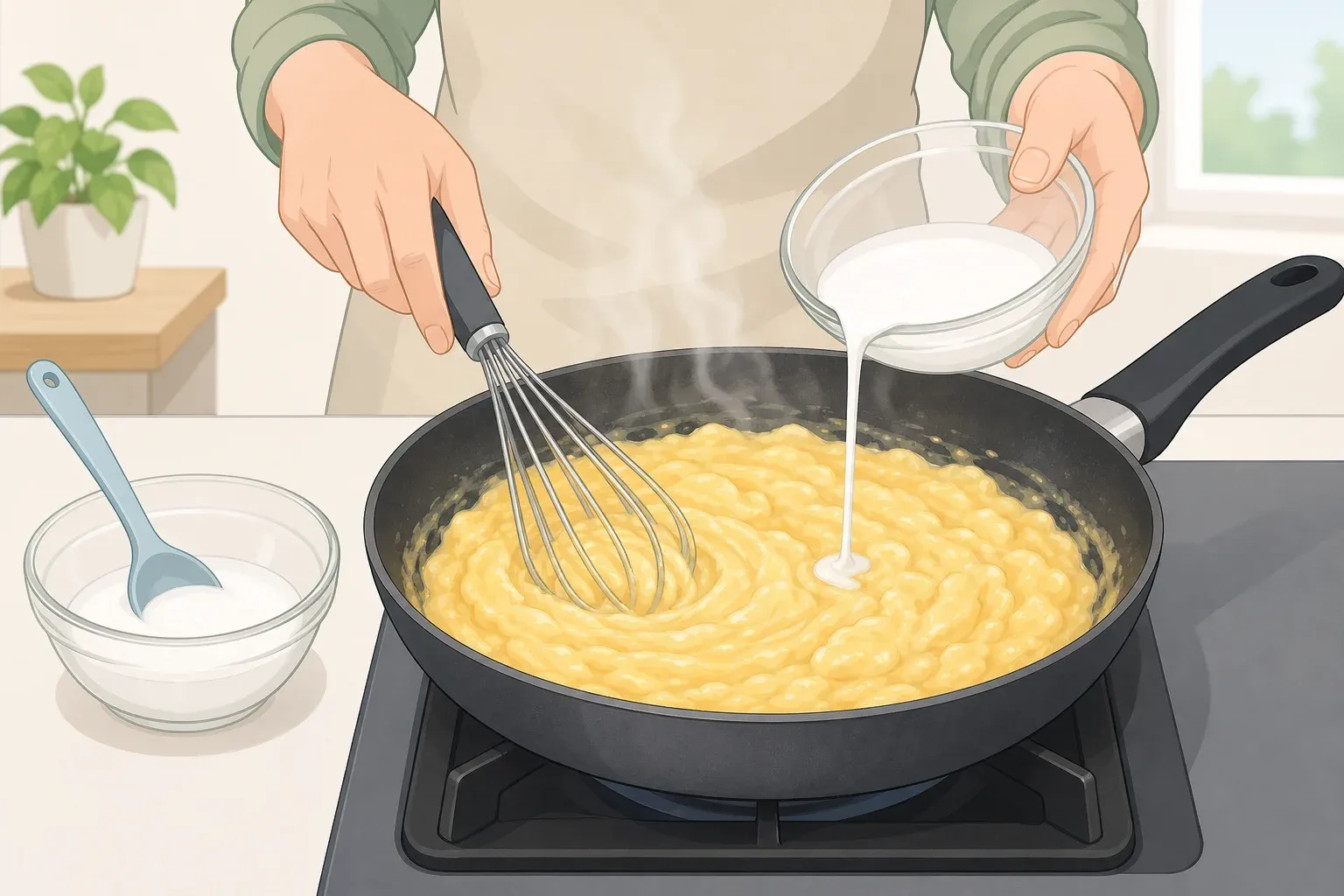
Step 2: Drizzle in the olive oil while blending. Turn the blender down to low speed and slowly stream in the olive oil while it keeps running, adding it in a thin, steady stream over the whole pour rather than all at once. If your blender or food processor has a small pouring opening in the lid, use it. Don't lift the whole lid off while the blades are turning.
Blending activates the emulsifying power of the mayonnaise and sour cream, which binds the watery ingredients, like lime juice, vinegar, and cilantro, to the oily ones into one stable mixture instead of two separate layers. That's what gives the finished sauce a creamy texture that clings to grilled meats and vegetables instead of pooling on top.
Pour the oil in too fast, and the emulsion may not fully form, leaving the sauce thinner or oilier than the thick, clingy texture you want. Go slow here, even if it feels like it's taking longer than it should.
Step 3: Taste and adjust the seasoning. Once the oil is fully incorporated, taste the sauce and season with more salt and pepper if needed. If it tastes flat, taste again after stirring in a small amount of extra salt or lime juice rather than adding a lot at once. A finished batch should be thick enough to cling to the back of a spoon, with heat, tang, and richness that feel balanced rather than any one note taking over.
What to serve with ají verde sauce
Ají verde is versatile enough to use well beyond its classic chicken pairing. It works drizzled over grilled or roasted chicken, steak, vegetables, or beans, and it doubles as a dipping sauce for fries or sweet potato wedges. It also spreads well on sandwiches and wraps, or thins into a salad dressing when tossed with greens.
Its signature pairing is still Peruvian-style roasted chicken with crispy potatoes, which turns the sauce and a simple roast into a full meal. If you're making a batch specifically to go with pollo a la brasa, this is the flavor profile it's built for.
If the sauce turns out too thick, thin, or spicy
A batch that doesn't come out right the first time is usually an easy fix on the next one. Check these before you assume the recipe itself is the problem:
Sauce looks broken or oily on top: This may trace back to the olive oil going in too fast in step two. Re-blend briefly on low speed to see if it pulls back together. If it still won't come together, start a fresh batch rather than trying to rescue it with more mayonnaise.
Sauce is thinner than expected even though it blended smoothly: Next time, slow the oil drizzle down further and keep the blender running continuously through the entire pour instead of pausing partway.
Sauce is too thick to drizzle: Blend in an extra teaspoon of olive oil or lime juice at a time until it loosens to the consistency you want.
Sauce is too spicy: There's no way to pull heat back out of a finished batch. Note it for next time and use fewer jalapeño seeds, or skip the ají amarillo paste, when you make the next batch.
Sauce tastes flat or dull: Add a small amount of salt or lime juice, taste, and repeat in small increments rather than dumping in a large amount at once.
Storing ají verde sauce
Refrigerate the sauce in a sealed container and use it within the seven-day window the recipe developer specifies. The source recipe doesn't provide freezing guidance, so plan to use the batch within that refrigerated window rather than freezing it for later.
Give the sauce a quick stir before serving if it's been sitting for a day or two, since the herbs and cream base can settle. Refrigerate it right after making it, stir before each use, and adjust the heat or acidity to your own taste on the next batch. That's the whole payoff of a recipe like this: one 10-minute blend covers grilled chicken tonight, a wrap tomorrow, and a plate of fries later in the week without starting over each time.





Comments
Be the first, drop a comment!