



Looking at your kitchen right now, you might see expired cheese wrapped in plastic, leftover stew that could use more flavor, or another packet of instant ramen staring back at you. These everyday food frustrations don't have to drain your time, money, or taste buds. Professional chefs and food experts have discovered simple techniques that transform ordinary ingredients into restaurant-quality results—and they're easier than you think.
What makes these techniques so powerful is how they address the root causes of kitchen frustration. Research shows that people who use smart food preparation techniques save 6 to 8 hours weekly, while proper storage methods can extend cheese freshness for 7 to 10 days when done correctly. The key insight? Avoiding plastic storage for cheese prevents waste because cheese needs to breathe while maintaining moisture—something plastic prevents entirely.
Smart storage tricks that actually work
Your refrigerator and pantry hold the key to fresher food and fewer grocery runs, but most people make the same storage mistakes. Here's something that might surprise you: every cheese expert warns against the same thing—plastic. When you wrap cheese in plastic wrap, you're creating an airtight environment that traps moisture and prevents the natural aging process that keeps cheese at peak flavor.
Instead, use parchment paper or proper cheese paper to create the breathing/moisture balance cheese needs. This technique works because cheese is a living product that continues to develop flavor through controlled moisture exchange with air. Fresh cheeses like chèvre and bloomy rinds like Brie can maintain peak quality for seven to 10 days when stored properly, compared to just 3-4 days when suffocated in plastic.
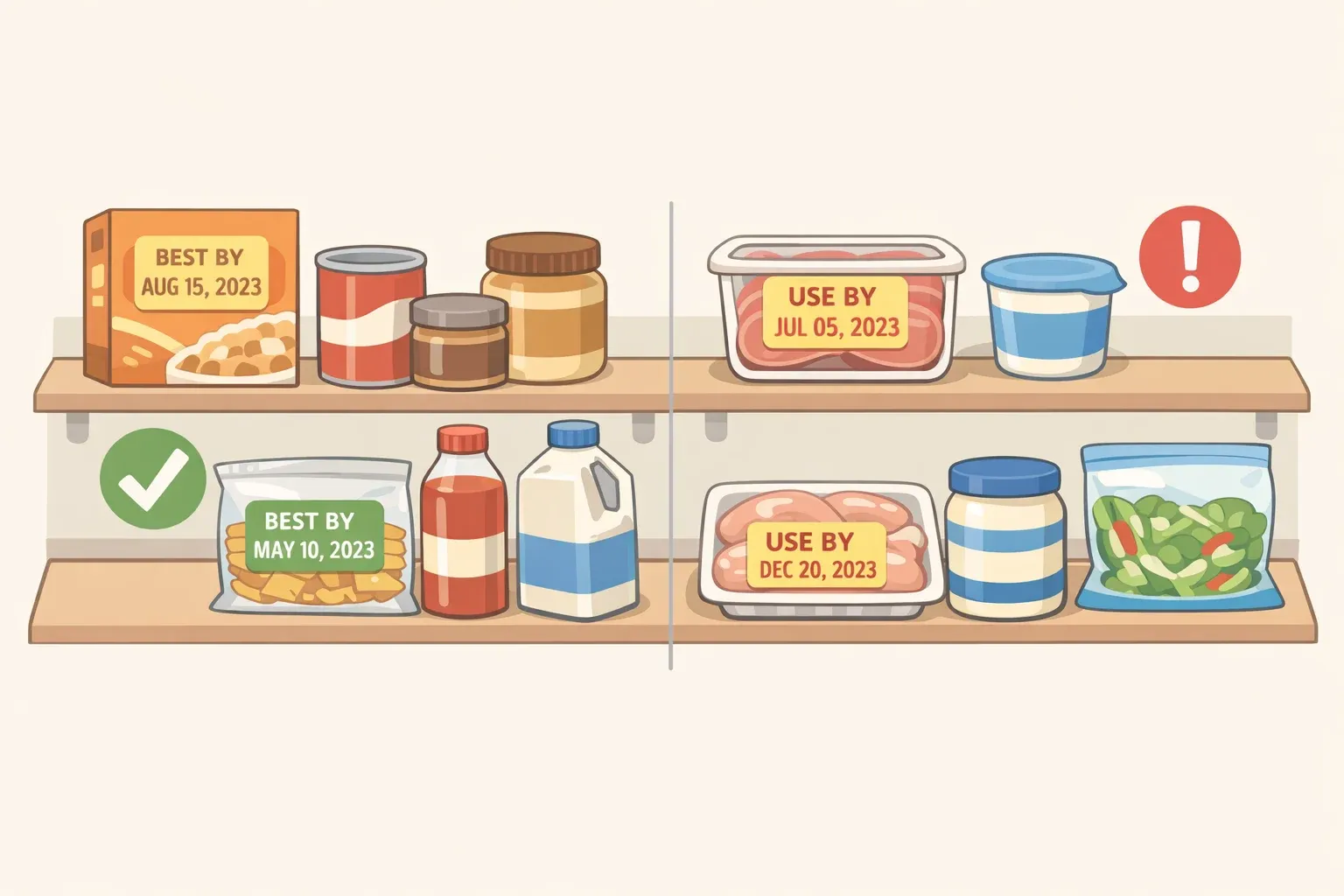
The visual organization principle extends beyond cheese to your entire food system. The "Eat Me First" bin method can save families up to $1,500 annually in food waste because it leverages a simple psychological truth: we eat what we see first. Set up clearly labeled bins in both your refrigerator and pantry, then place items with 3-day shelf lives like produce, opened dairy, and leftovers at eye level. This visual reminder system works because it reduces the mental energy required to make good food choices when you're hungry and rushed.
Temperature control affects even basic tools like plastic wrap. Store your plastic wrap roll in the refrigerator or freezer because cold temperatures make the adhesive chemicals less active. The science behind this: adhesive polymers become less tacky at lower temperatures, making the wrap manageable during application. It still clings properly once it warms up from your hands, but you get a few crucial seconds of non-sticky handling time.
Cooking techniques that boost flavor instantly
Professional moisture control transforms home cooking by giving you the same precision chefs use in restaurant kitchens. The parchment paper lid technique revolutionizes braising and stewing by creating a semipermeable barrier that allows some evaporation and browning, but not too much.
Why this works better than regular lids: Traditional lids create complete steam barriers, which can make stews watery and prevent the concentrated flavors that develop through controlled evaporation. Cut parchment slightly larger than your pot, fold it into a wedge, then trim it to fit just inside the pot's edge. The parchment allows moisture to escape slowly while maintaining even heat distribution across the surface.
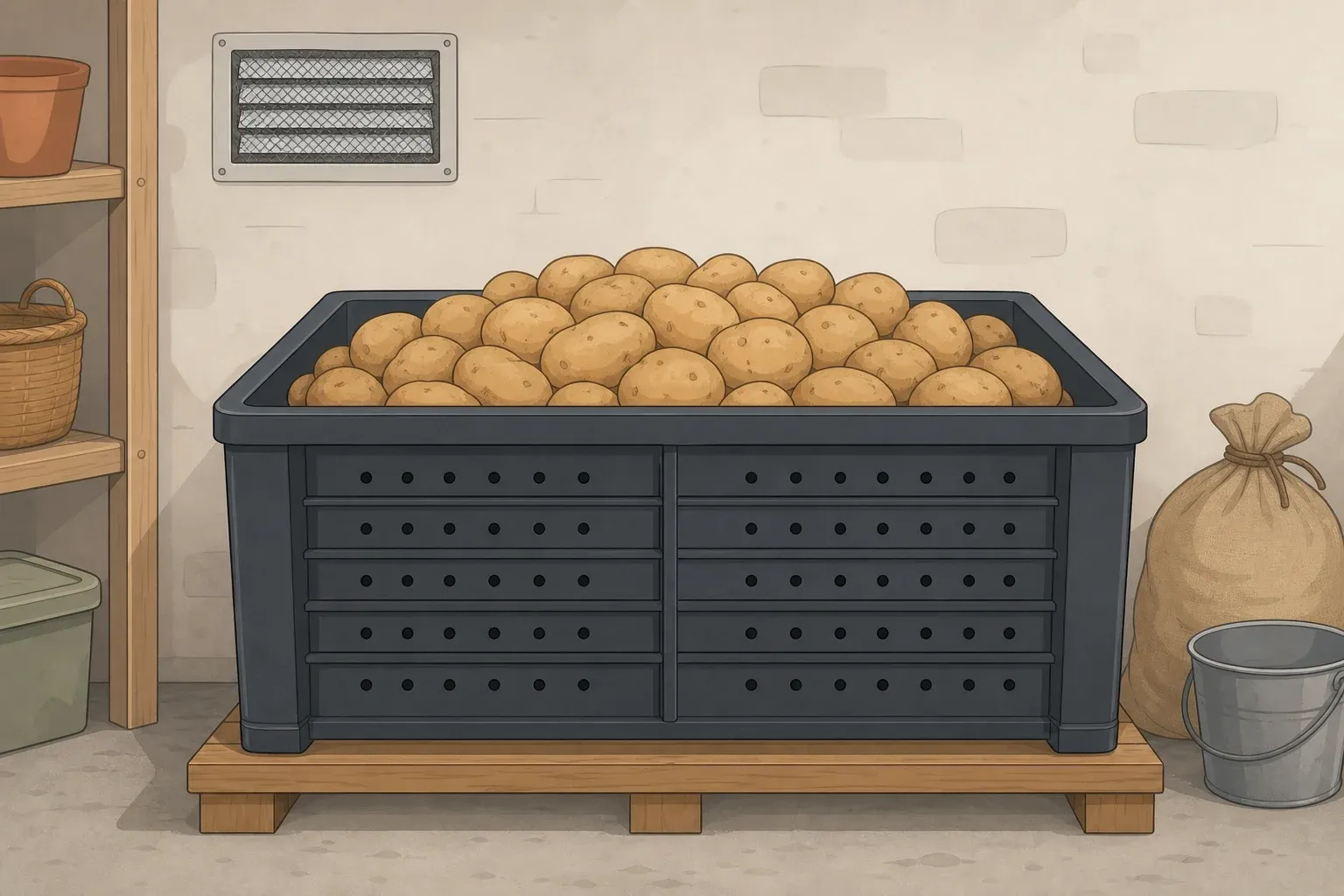
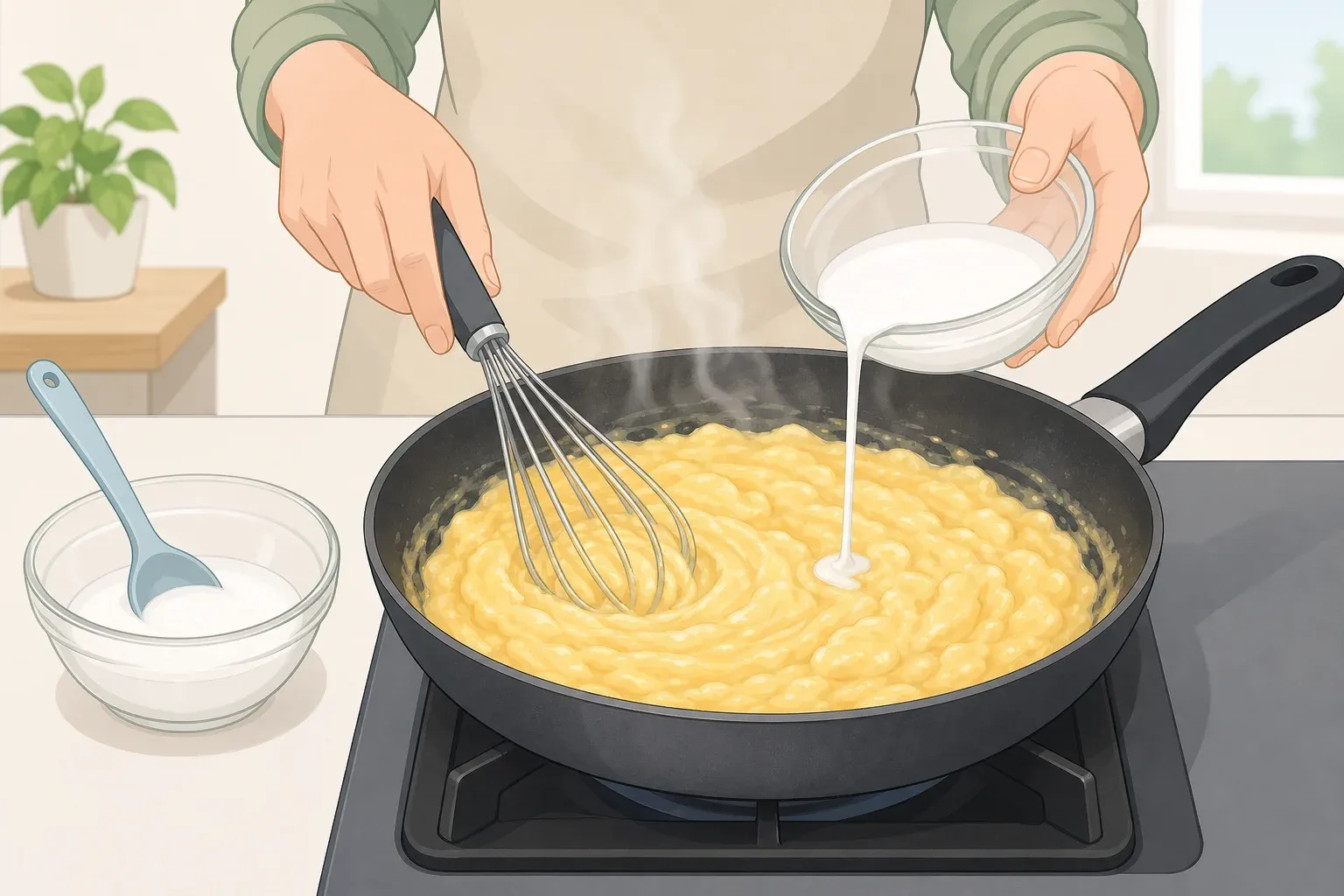
This precision moisture principle applies to other textural challenges, like crispy latkes. Most recipes demand endless squeezing of grated potatoes, but the potato starch rescue method works smarter. After basic squeezing, collect the starchy liquid and stir it back into your mixture. Here's why this works: potato starch acts as a natural binder when hydrated correctly, helping bind and crisp the latkes while absorbing residual moisture. The chemistry requires balance—add just enough to bind and soak up residual moisture because too much starch creates gummy results.
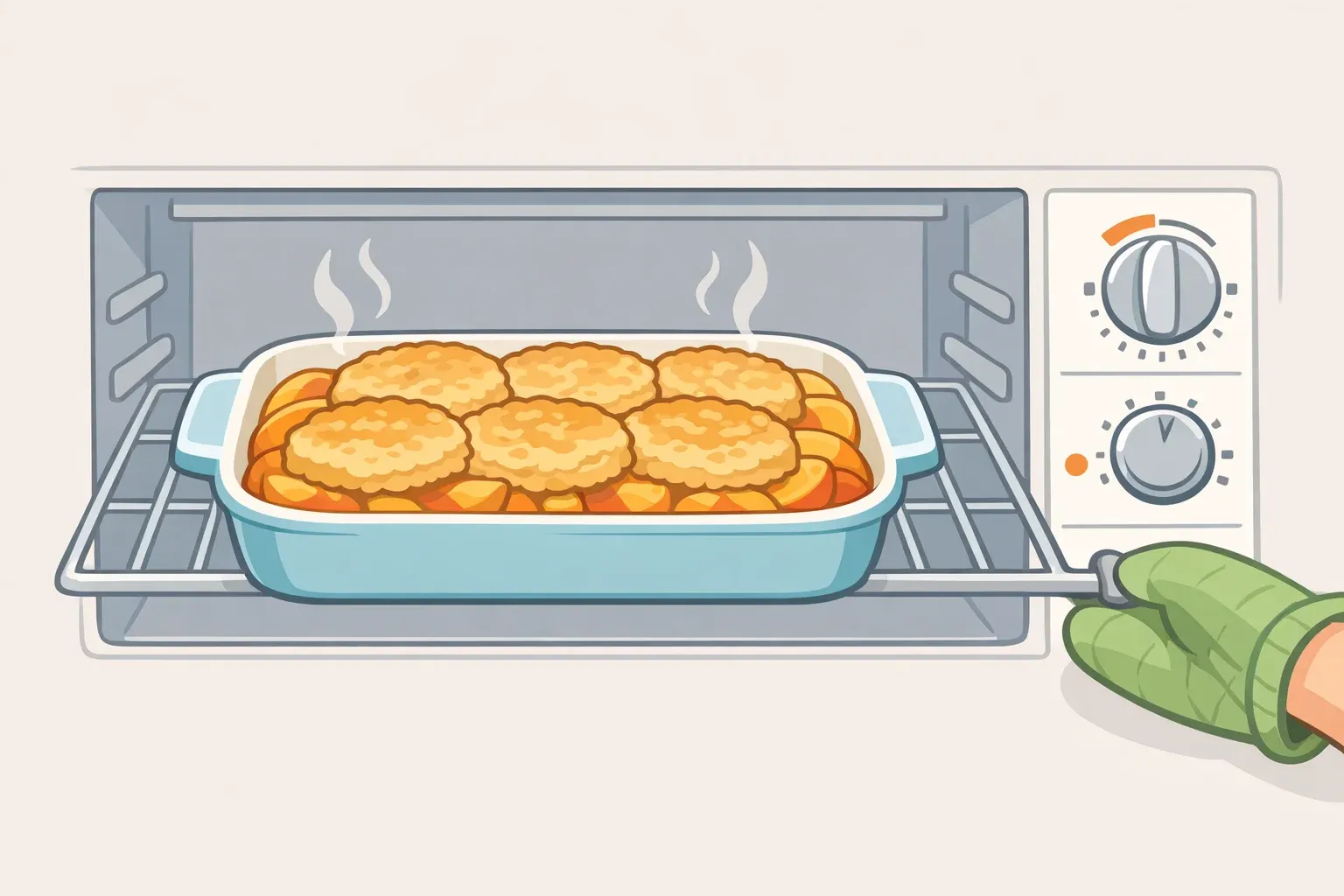
Understanding heat application rescues disappointing foods through targeted restoration techniques. Stale cereal regains its crunch with 5-10 minutes in a 300°F oven because gentle heat drives out moisture that caused the staleness. For hot dogs, apply condiments inside the bun instead of on top to create a flavor pocket that prevents sliding while distributing taste more evenly across each bite.
Instant ramen upgrades that actually satisfy
Stop accepting watery, bland ramen by understanding flavor concentration principles. The amount of water manufacturers recommend is often too much because more water means flavor compounds become diluted across a larger volume. Package instructions generally call for 2 cups; for a more concentrated broth some cooks reduce to 1.5 cups, and for larger packets, stick to 2 cups maximum. Less water means more flavor because you're creating a concentrated broth where each spoonful delivers maximum taste impact.
The egg drop method transforms texture and nutrition by using precise timing to control protein coagulation. Add seasoning packets first, then noodles, and about 30 seconds before the noodles finish cooking, pour beaten egg into the pot in a swirl pattern. Let it set for 10 seconds before stirring to create silky egg ribbons. This timing matters because eggs coagulate rapidly in hot liquid—too early and you get scrambled chunks, too late and the egg doesn't cook through properly.
Building on protein incorporation principles, the tomato-egg combination creates umami depth through caramelization and acid balance. Cut the tomato into wedges, add oil to a small pot over medium-high heat, and fry the tomato until softened. The cooking process breaks down tomato cell walls, releasing glutamates that enhance savory flavor. Add water, seasoning packet(s), and noodles, then use the same egg-swirling technique. The wakame seaweed addition provides health benefits from antiviral and anti-inflammatory compounds while contributing natural MSG that amplifies the overall flavor profile.
Meal prep strategies that save real time
Strategic preparation multiplies your cooking efforts exponentially by creating building blocks that combine into multiple meal possibilities. Batch cooking versatile ingredients gives you components that work across different cuisines and meal types: roasted sweet potatoes work in grain bowls, breakfast scrambles, or wraps, while shredded rotisserie chicken adapts to salads, tacos, and soups. This approach works because you're front-loading the time-intensive cooking processes while maintaining flexibility for different flavor profiles throughout the week.
Time-efficiency shortcuts eliminate friction points that prevent home cooking. Pre-cut vegetables significantly reduce cooking time because chopping often represents the biggest barrier to weeknight cooking. Frozen rice heats up in minutes instead of waiting 45 minutes for fresh batches, while canned beans provide instant protein for soups, salads, and grain bowls with zero soaking or boiling required. These aren't compromises on quality—they're strategic time investments that reduce decision fatigue when you're hungry.
Component prep creates exponential meal combinations through systematic organization. Pre-chopping vegetables, marinating proteins, and portioning snacks sets you up for mix-and-match meals that adapt to your energy level and time constraints. Store everything in glass containers, mason jars, or BPA-free plastic containers to maintain freshness and maximize fridge space. The flexibility principle means five prepared components can create 15+ different meal combinations throughout the week.
Why these simple changes make such a big difference
These food hacks work because they address the real psychological and logistical barriers to home cooking: time scarcity, decision fatigue, and flavor disappointment. Home-cooked meals cost significantly less per serving than takeout—often single digits versus $12-20 for restaurant meals—while research links home preparation with higher vegetable intake and lower processed-food consumption. Beyond economics, these techniques reduce the friction that makes home cooking feel overwhelming.
The validation for systematic efficiency comes from unexpected sources. Nestlé's R&D teams have developed an AI-powered recipe optimization tool that balances consumer preferences with nutrition, cost, and environmental impact, showing how even major food companies recognize that the best cooking methods optimize multiple variables simultaneously. These same principles—balancing flavor, nutrition, time, and cost—guide the techniques that work best in home kitchens.
Your kitchen doesn't need expensive gadgets or complicated recipes—it needs systematic approaches that multiply your efforts while reducing complexity. Try one method this week, understand why it works, then add another. The compound effect of simple techniques—proper storage that prevents waste, cooking methods that boost flavor, strategic prep that saves time—transforms your relationship with food from frustrating to satisfying. These aren't just cooking tips; they're systems that create better meals with less stress, proving that professional results come from understanding principles, not just following recipes.



Comments
Be the first, drop a comment!