



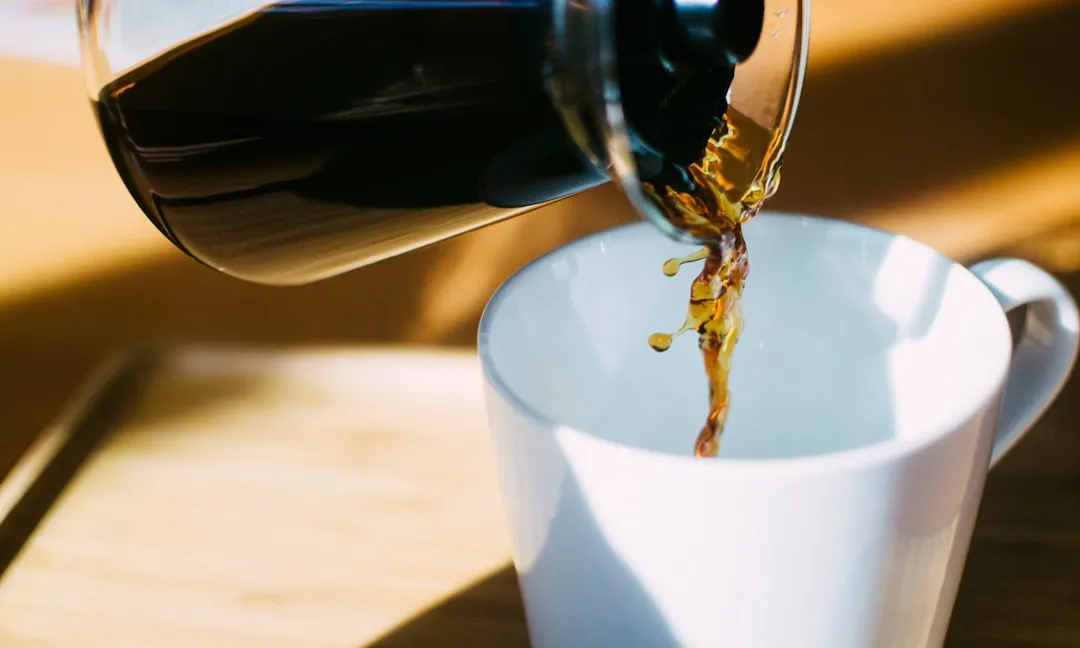
You know that moment when you look in the mirror after your morning coffee and notice your smile isn't quite as bright as it used to be? You're not alone. Coffee, wine, and countless other favorites are secretly working against your pearly whites every single day. But here's the thing—you don't need to give up what you love to keep your teeth looking their best.
Difficulty: Novice
Time: 15 minutes daily (prevention habits)
Cost: Free to $20 for basic supplies
Why You'll Like This (Quick Intro)
After years of helping clients maintain bright smiles without sacrificing their favorite beverages, I've learned that prevention beats treatment every time. Every sip of coffee or glass of wine leaves behind microscopic staining compounds that cling to your tooth enamel, but smart daily habits can stop this process before it starts. These techniques work better than expensive whitening treatments after the fact, they're surprisingly simple to implement, and they'll save you money while keeping your confidence intact.
What You'll Need
Materials
Water (for rinsing)
Straws (reusable or disposable)
Milk or cream (2% works best for tea)
Sugar-free gum
Whitening toothpaste (ADA approved)
Baking soda (for occasional use)
Tools
Soft-bristled toothbrush (electric preferred)
Dental floss or interdental brushes
Timer (for proper brushing duration)
Safety First
Wait 30–60 minutes after acidic foods or drinks before brushing (some guidelines recommend waiting up to 60 minutes).
Use baking soda sparingly (about 1–2 times per week is commonly recommended) or follow your dentist's advice.
Choose whitening products with ADA Seal of Acceptance
Consult your dentist before starting any whitening routine if you have sensitive teeth
Steps
Understanding What Causes Stains
Know your enemy: chromogens and tannins. Dark-colored beverages contain pigmented molecules called chromogens that bind to teeth, while tannins help these pigments stick even more stubbornly. Think of chromogens as the paint and tannins as the primer that makes it stick.
Why this matters: The acidic nature of many staining drinks also weakens enamel, making it easier for stains to penetrate.
Identify the worst offenders. Concentrated beverages like espresso tend to stain more than lighter brews, while red wines cause more staining than white varieties, especially darker, tannin-rich options like cabernet sauvignon. The concentration and temperature both matter—hot drinks change mouth temperature and may increase short-term susceptibility in already-weakened enamel, but strong evidence that normal hot beverages materially increase porosity/staining is limited.
Create Physical Barriers
Master the straw technique. Using a straw helps liquid bypass your front teeth, minimizing the contact that leads to visible staining. Position the straw toward the back of your mouth and drink steadily rather than sipping.
Pro tip: Metal or glass straws work best for hot beverages and won't add plastic waste to your routine.
Time your rinse perfectly. Rinsing your mouth with water immediately after drinking can significantly reduce staining from coffee or wine. Swish water around for 10-15 seconds to wash away residue before it has time to bond with your enamel.
Neutralize Staining Power
Transform your consumption pattern. Sipping slowly throughout the day constantly exposes your enamel to staining compounds and gives your teeth less time to recover. Instead, drink your coffee or tea more quickly during designated times, allowing your saliva to neutralize acids between sessions.
Harness the power of dairy. The proteins in dairy products help neutralize acids and can reduce staining effects. Research shows that adding 2% milk to tea can significantly cut down the beverage's staining power. This works because the protein casein found in dairy products helps reduce tea's ability to stain teeth.
If you're dairy-free: Cashew or oat milk provide similar protective proteins, though they're less effective than traditional dairy.
Deploy Natural Cleaning Foods
Turn meals into cleaning sessions. Raw crunchy vegetables like carrots and celery function as natural polishing agents that help diminish surface staining. The fibrous texture creates a natural scrubbing action while chewing, cleaning the surface of your teeth without causing abrasive damage. Carrots' crunchy texture requires extensive chewing, which triggers saliva production and naturally cleans your teeth.
Timing trick: Eat these natural cleaners during or immediately after consuming staining foods for maximum benefit.
Choose strategic fruits. Apples stimulate saliva production that's essential for neutralizing acids and cleaning teeth. Strawberries contain malic acid that may help break down surface stains, while pineapple contains bromelain, an enzyme that aids in removing surface stains and helps soothe gums.
Note: Always rinse with water after eating acidic fruits like strawberries to prevent enamel softening.
Perfect Your Timing
Protect softened enamel. Avoid brushing immediately after drinking acidic beverages, as acids can soften enamel and make it more vulnerable to damage. Wait at least 30 minutes before brushing to protect softened enamel. During this waiting period, your saliva works to re-mineralize and harden the enamel.
What to do instead: Rinse with water immediately, then wait 30 minutes before brushing.
Optimize your nighttime routine. The last thing in your mouth at night should be toothpaste—clean between your teeth with floss or interdental brushes, then brush, then spit out the excess and leave the rest on the teeth to protect them overnight. Don't rinse after brushing, as spitting rather than rinsing after brushing gives tooth-strengthening fluoride the time it needs to work.
Activate your natural defense system. Chewing sugar-free gum after meals stimulates saliva production, which helps neutralize acids and wash away food particles, reducing the risk of stains. This creates a continuous cleaning cycle that prevents stains from setting in.
Cleanup & Disposal
Rinse straws thoroughly if reusable, or dispose of disposable ones properly
Store baking soda in a dry place away from moisture
Replace toothbrushes every 3-4 months or after illness
Troubleshooting
Problem: Coffee tastes different with milk → Fix: Start with small amounts and gradually increase until you find the right balance for your taste preferences. Try different milk types—whole milk provides the most protection but 2% still offers significant benefits.
Problem: Forgetting to rinse after drinking → Fix: Set a phone reminder or keep a water bottle visible as a visual cue. Link the habit to finishing your drink—make it part of the experience.
Problem: Stains appearing despite prevention → Fix: Schedule a professional dental cleaning to remove buildup and assess if additional whitening treatments are needed. Some people have naturally more porous enamel that requires extra protection.
Variations & Upgrades
Budget-friendly approach: Focus on water rinsing and the 30-minute brushing rule—these cost nothing but make a significant difference
Comprehensive protection: Add professional cleanings every six months and consider a whitening toothpaste for daily maintenance
Natural boost: Use a paste of baking soda and salt twice a week to improve tooth whiteness over time, but limit this to prevent enamel wear
Why It Works
Prevention succeeds where treatment struggles because teeth are surprisingly porous, with small tunnels running through their structure, and when stain molecules enter these spaces, they can get lodged and linger. By creating barriers, neutralizing acids, and maintaining good oral hygiene, you're stopping the staining process at every stage rather than trying to reverse deep-set damage.
The combination of physical barriers (straws), chemical neutralizers (dairy proteins), natural cleaners (crunchy foods), and proper timing creates a comprehensive defense system. By being mindful of your diet, practicing good oral hygiene, and seeking professional dental care when needed, you can enjoy a radiant smile that boosts your confidence and oral health.






Comments
Be the first, drop a comment!