



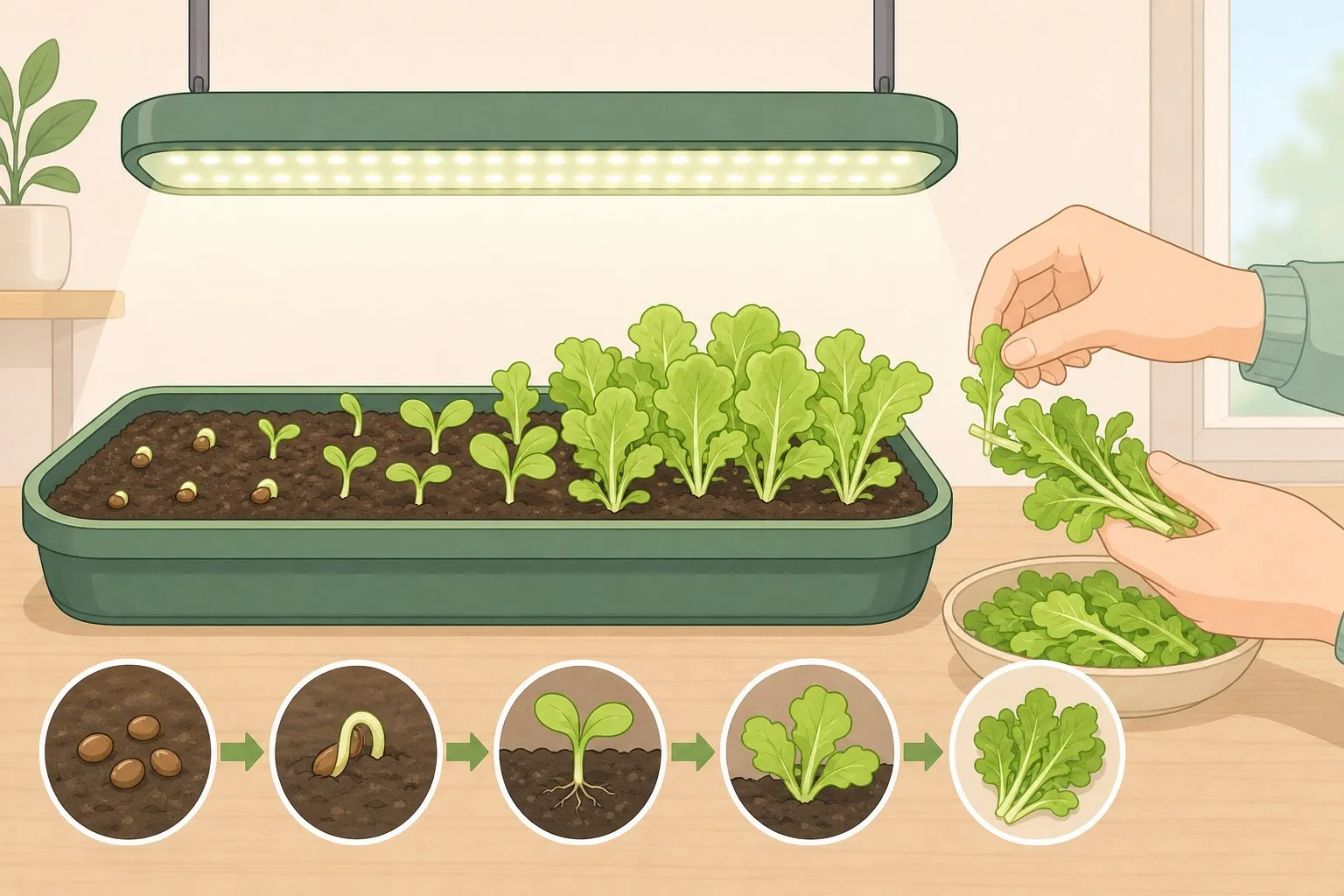
How to Grow Lettuce Indoors in Winter: Baby-Leaf Tray Method
Sow loose-leaf lettuce seed in a shallow tray under a grow light, and sprouts typically show up within about a week, with the first baby leaves ready to cut in about a month, according to UVM Extension, posted two weeks ago. That timeline is the whole point of how to grow lettuce indoors in winter: this guide grows loose-leaf lettuce for young leaves, not full mature heads, so set aside any plan for a dense, grocery-store-style head. Think instead in small, recurring harvests you cut straight into a salad bowl.
Growing lettuce indoors takes some investment in space, time, and equipment, UVM Extension notes. Loose-leaf lettuce is the easiest starting point, and UVM Extension also lists arugula, spinach, and endive as options, so once the first tray is going, a winter indoor salad garden has room to grow past plain lettuce. This guide covers picking a tray and a spot for it, buying and placing a grow light, sowing the seed, catching problems early, harvesting without killing the plant, and starting new trays on a staggered schedule so harvests can overlap instead of leaving a gap.
What you'll need
Gather these before sowing anything:
- A shallow container 2 to 6 inches deep with drainage holes, plus a drip tray underneath
- Sterile potting mix, not garden soil
- Lettuce seed, or a mix of lettuce with arugula, spinach, or endive
- A grow light to supplement or replace window light
UVM Extension lists this as the core setup for indoor greens. Compared with indoor tomatoes, this method skips the tomato-specific work UVM Extension describes, such as hand-pollinating flowers or staking vines. Lettuce just needs light, water, and a steady temperature.
Choose your tray and location
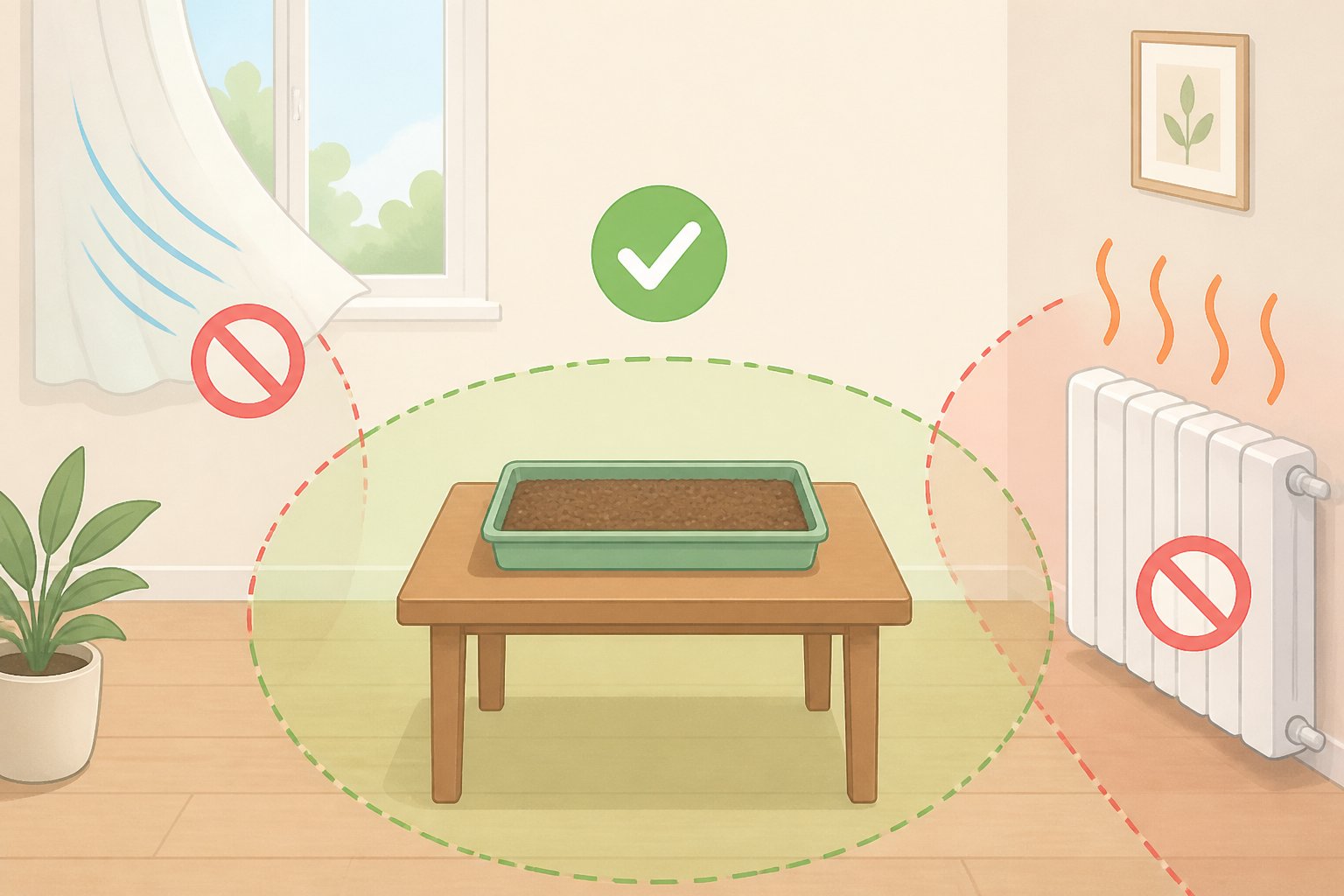
Pick a container 2 to 6 inches deep. UVM Extension notes that depth should match the goal: shallower trays suit baby greens, deeper ones suit growing to maturity. Since this guide is for baby-leaf harvests, leaning toward the shallow end is a practical choice that saves counter space, not a strict rule. Use a container with drainage holes, and set a drip tray underneath to catch runoff without letting the container sit in it.
Set the tray somewhere that holds between 60°F and 70°F, UVM Extension advises, away from cold drafts near windows and doors and away from the hot, drying air near radiators or heating vents. A spot clear of both keeps the growing area closer to that range.
Lettuce seedlings are vulnerable to damping-off, a disease that takes hold more easily in cold, wet soil, UMN Extension noted seven months ago in its lettuce disease research. Use sterile potting mix, good drainage, and moisture that isn't excessive. Those choices follow that guidance to avoid the cold, overly wet conditions linked to damping-off.
How to grow lettuce indoors with grow lights
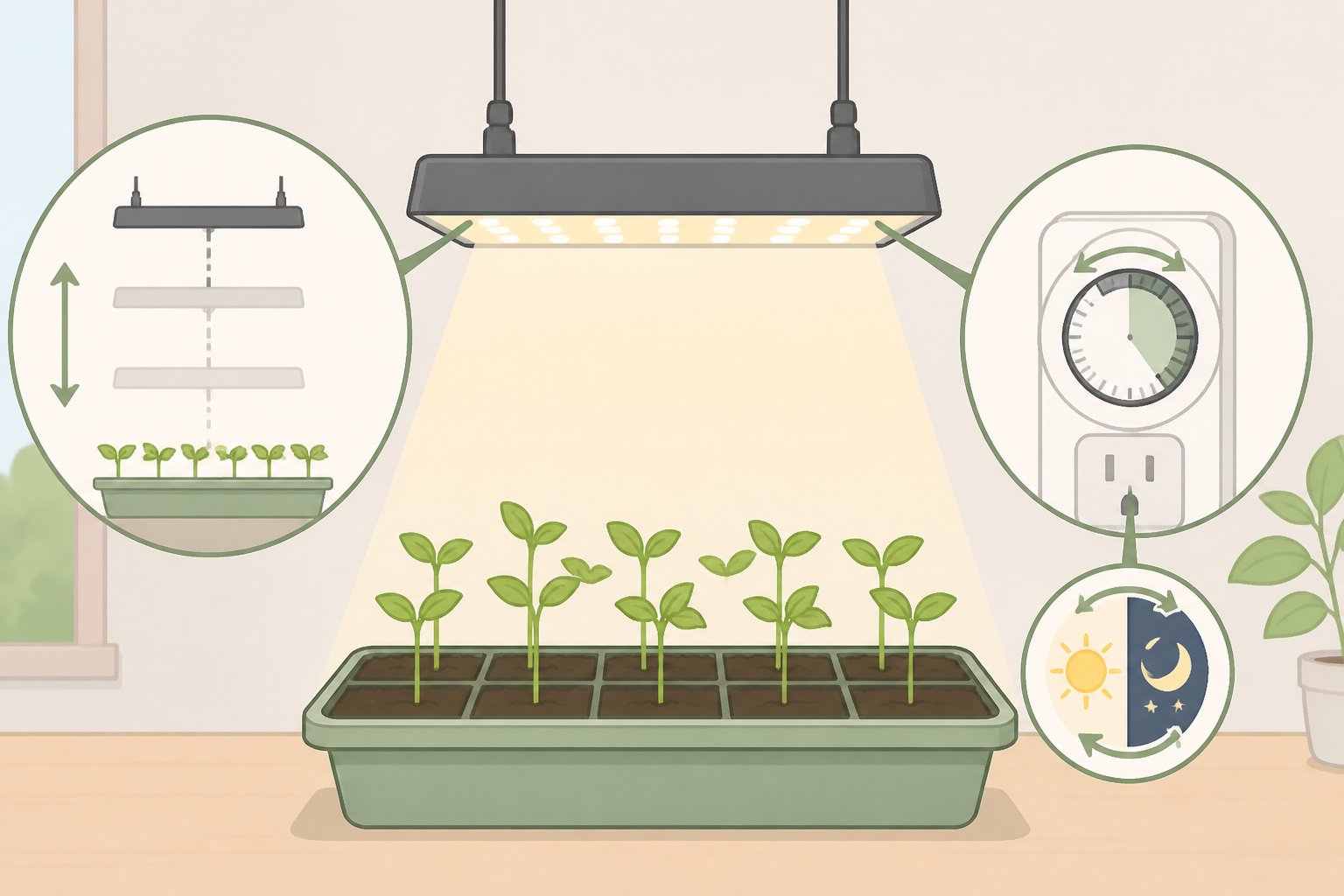
A bright south-facing windowsill can grow leafy greens, but most greens do best with 12 to 14 hours of light a day, and UVM Extension says a grow light used to supplement or replace that window light will generally produce better results. A grow light also makes that daily schedule easier to hold steady than relying on whatever a window happens to offer that week.
If buying one, choose an LED sized to cover the tray, with some way to adjust its height. LEDs produce very little heat, which lets growers position them close to seedlings without much risk of heat damage, per University of Georgia Extension, posted 11 months ago.
Place the light 2 to 4 inches above the tops of the plants, per UVM Extension, and keep it there as seedlings grow by raising the fixture or lowering the container. If the fixture's height doesn't adjust, UVM Extension suggests propping the container on books or another stable support to bring it closer, then removing those supports one at a time as the plants gain height. A timer can help keep that 12-to-14-hour window consistent day to day.
Sow the seed and get seedlings growing
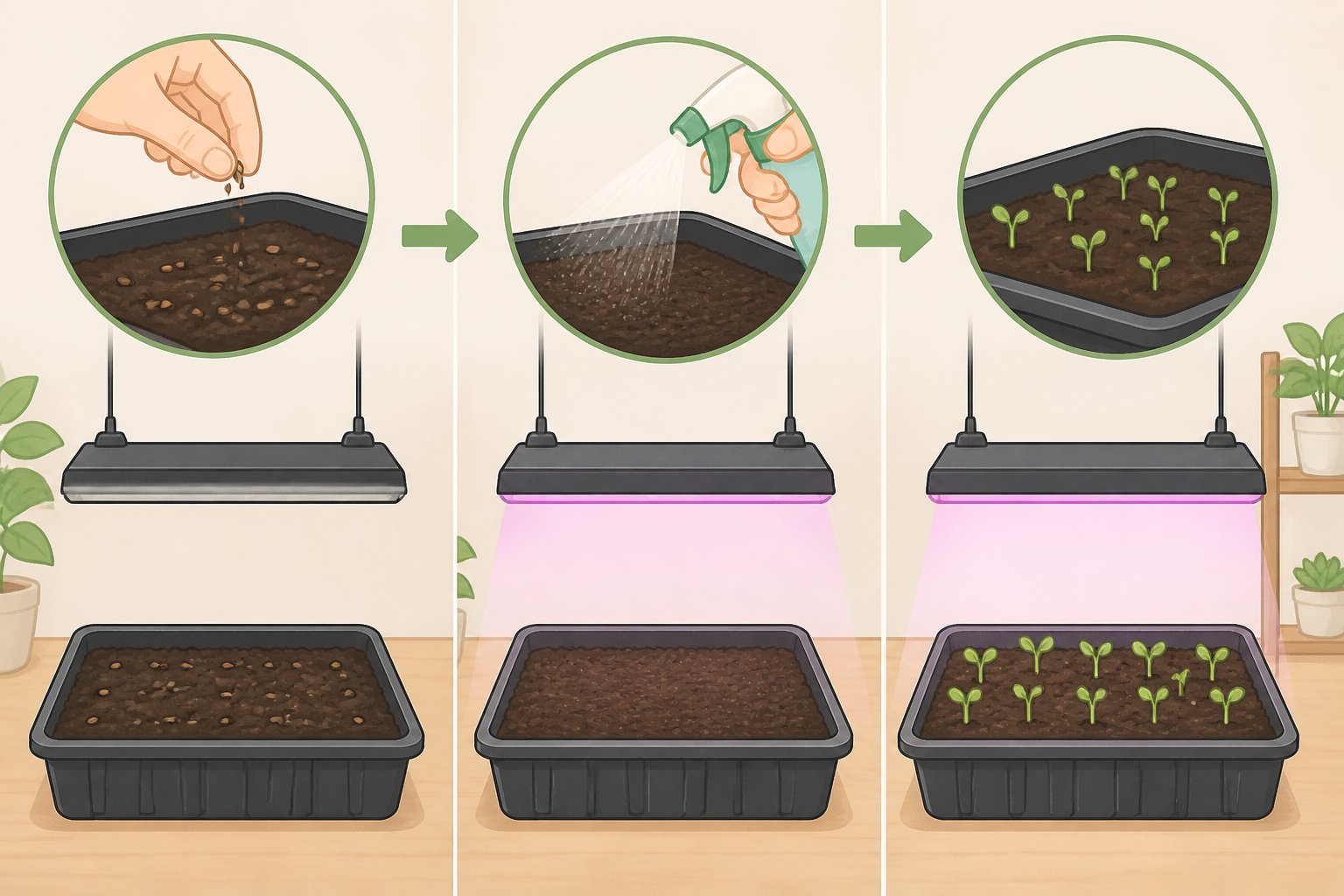
- Fill the container with moistened sterile potting mix, leaving a little room below the rim so misting water doesn't spill over.
- Scatter lettuce seed about an inch apart across the surface, per UVM Extension.
- Cover with a thin layer of soil and mist with water to settle the seed in place.
- Watch for sprouts over the next week or so. UVM Extension says sprouts should show up within about a week. If germination seems slower than that, check whether the mix has dried out or gone soggy and whether the room has dipped below 60°F before deciding to reseed; a few extra days isn't necessarily a failed tray.
- Turn on the grow light once sprouts appear: 2 to 4 inches above the seedlings, running 12 to 14 hours a day. Keeping the light that close helps prevent seedlings from stretching toward it, per UMN Extension's seed-starting guidance from earlier this year. Seedlings under adequate light should look compact and stand upright within the first week or so; pale, thin, or leaning growth means it's time to check light distance and schedule, not wait and see.
- Water to keep the mix evenly moist, not muddy, and don't let the container sit in standing water in the drip tray, per UVM Extension. Shallow-rooted greens like lettuce need consistent moisture in the top layer of soil, Utah State University Extension noted last month. Check the surface before watering again, and empty the drip tray whenever water collects there.
Stagger your trays for a steady supply
One tray is suited to an occasional small harvest. For something closer to a steady supply, UVM Extension recommends starting a new tray about every two weeks rather than depending on a single tray to keep regrowing indefinitely.
As a starting schedule, sow tray one today, then sow tray two two weeks later. That stagger can help create overlapping harvest windows, with one tray nearing its first cutting as the next fills in behind it. Trays don't always mature at the same pace, so treat two weeks as a starting point and adjust the interval if a tray runs ahead of or behind the one before it.
Harvest the outer leaves
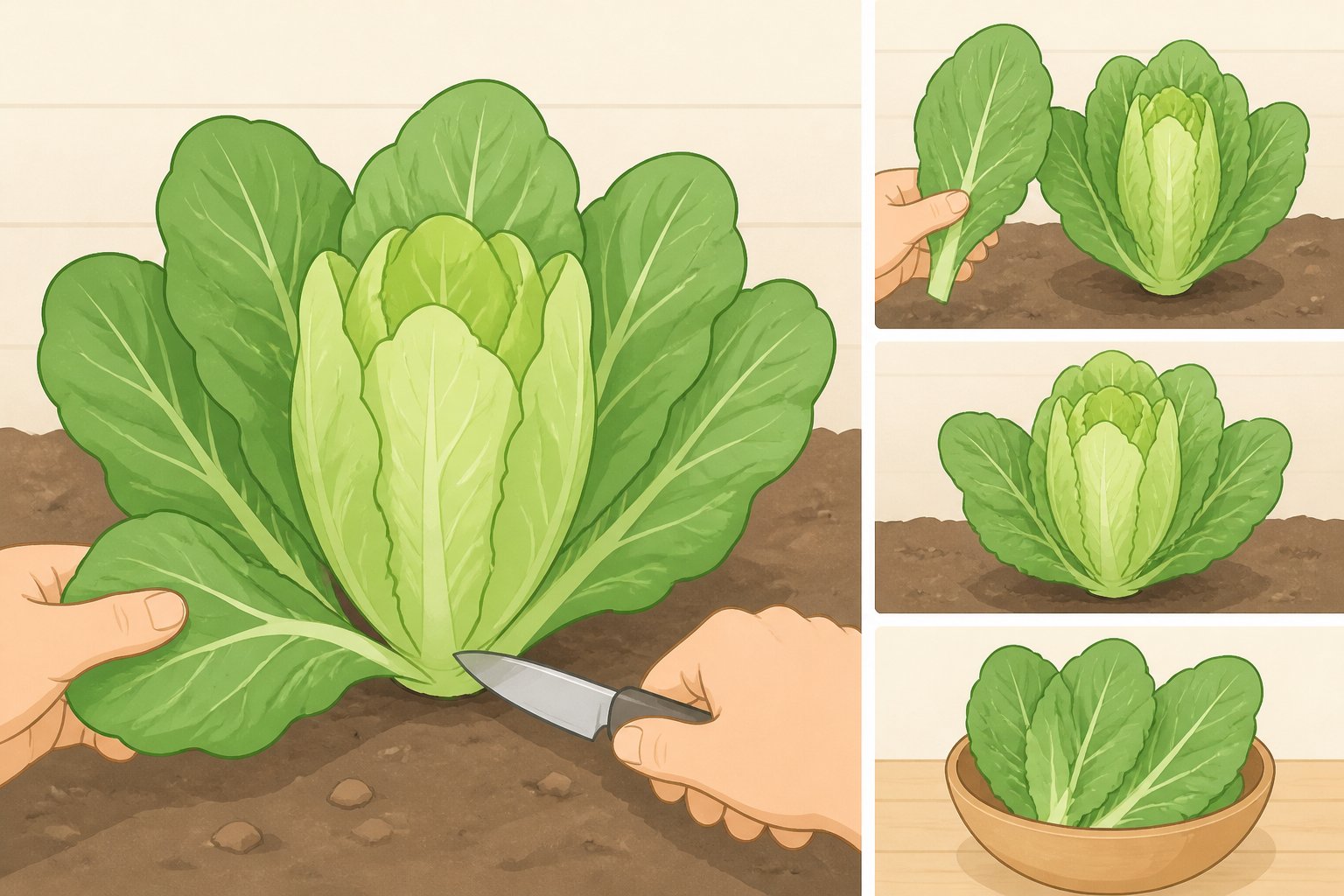
Cut the outer leaves once they reach 3 to 4 inches tall, leaving the center of the plant intact, UVM Extension instructs. The center keeps growing, giving the tray a shot at another cutting through what UVM Extension calls cut-and-come-again harvesting.
Take only the mature outer leaves at each cutting. Cutting the whole plant removes the center UVM Extension says should be left in place for regrowth, so a tray harvested that way won't give you another cutting. Keep the two-week sowing rhythm going, and the next tray may be ready before this one stops producing.
Skip any leaves that look moldy, slimy, or collapsed. Discard those instead of rinsing and saving them.
Store your harvest
If the leaves show visible soil, give them a light rinse in clean, potable water and let them dry a bit before storing, UMN Extension advises. Store them in a clean plastic bag, closed loosely rather than sealed tight, to hold in moisture.
UMN Extension's storage guidance, citing USDA figures, says lettuce does best at 32°F to 36°F with high humidity. Keep the bag in a cold, humid part of the refrigerator without letting the leaves freeze, and keep it away from apples, tomatoes, and other high-ethylene produce, since storing lettuce near those can shorten how long it stays fresh.
Troubleshooting common problems
| Symptom | What to check first |
|---|---|
| Seedlings pale or leggy | Light distance (should be 2 to 4 inches above the plants) and whether the timer is running a full 12 to 14 hours |
| Wilting despite moist-looking mix | Standing water in the drip tray; empty it and let the tray drain before watering again |
| Germination slower than expected | Moisture level in the mix, and whether the growing area has dipped below 60°F |
| No further cutting after a harvest | Whether the center was left intact; leave it in place next time and keep the next tray on its schedule |
| Leaves look moldy, slimy, or collapsed | Discard those leaves; if most of the tray looks affected, start over with a clean tray rather than keep harvesting from it |
Finish the harvest and keep the cycle going
A tray that's working sprouts within about a week and gives you outer leaves to cut around the one-month mark, with the center still green afterward. Once you've harvested:
- Rinse only if the leaves show visible soil, then let them dry before bagging.
- Store loosely bagged in a cold, humid part of the fridge, away from apples and tomatoes.
- Sow the next tray on schedule, about two weeks after the last one went in.
- If a tray shows widespread collapse, mold, or keeps failing after you've corrected moisture and temperature, discard the mix and start a clean tray instead of continuing to troubleshoot it.
Once that rhythm is running, try arugula, spinach, or endive in a later tray for variety. UVM Extension lists them alongside lettuce as indoor salad options, but check the seed packet for each crop's own spacing and timing rather than assuming lettuce's settings carry over exactly.


Comments
Be the first, drop a comment!