



How to Plan Weekly Meals Around Grocery Sales and Pantry
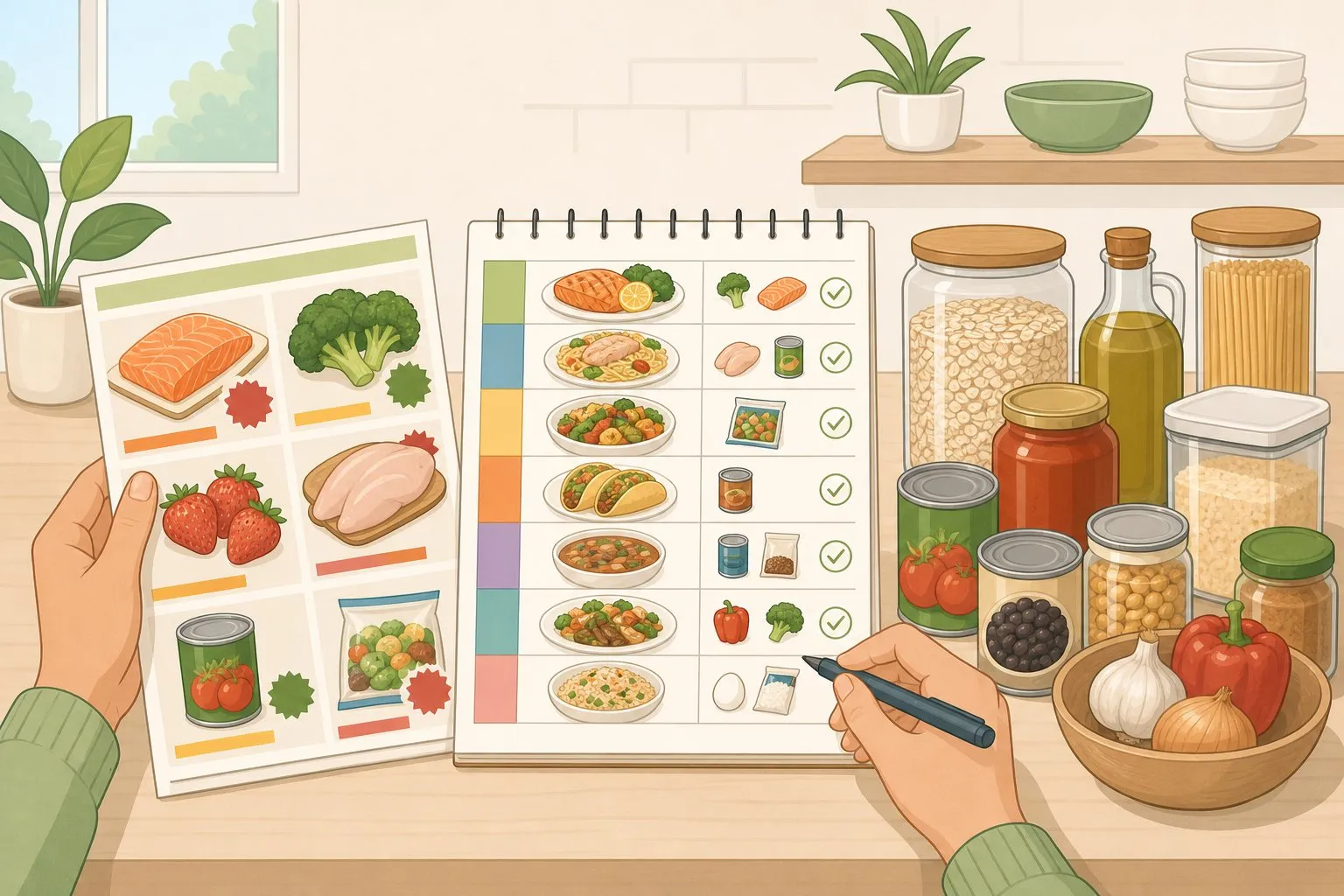
One practical way to cut down on unnecessary grocery spending and avoidable food waste doesn't involve a coupon binder or a phone full of clipped digital offers. It involves checking what's already sitting in the kitchen before looking at what's on sale, then building the week's dinners around both lists at once. Shop the flyer first and a cart tends to fill up with food the house doesn't need yet. Check the fridge first and the flyer turns into a tool for filling actual gaps, which is the core idea behind planning meals around grocery sales instead of just reacting to them.
Timing is what makes this realistic, not extra willpower, once you know how long things actually keep. Raw meat, poultry, and seafood all come with a narrow refrigerator window before they need to be cooked or frozen, and checking the package's date label is what determines whether a marked-down pack of chicken thighs is a real deal for a Tuesday-through-Friday dinner plan or just food that spoils before it gets cooked.
What follows is a repeatable weekly system: a pantry check, a flyer scan, a simple filter for deciding which deals are worth taking, and a five-night dinner grid built around this week's actual sales and pantry stock, with two optional nights you can tack on. This system is designed to reduce full-price purchases and avoidable food waste, not promise an exact dollar figure saved.
What you'll need
- This week's store flyer or app sale listings, including any loyalty-account digital coupons that need to be clipped before checkout
- A running list of what's in the fridge, freezer, and pantry. A notes app, whiteboard, or index card works fine; no spreadsheet necessary
- A blank weekly grid: five boxes for the core plan, plus two optional boxes if you're stretching to a full week
- Beginner-friendly skill level: the method is basic comparison and list-building, not cooking expertise
- Scope note: this covers planning and shopping, not canning, bulk meal-kit freezing, or other food preservation methods that carry their own safety rules
Before you start
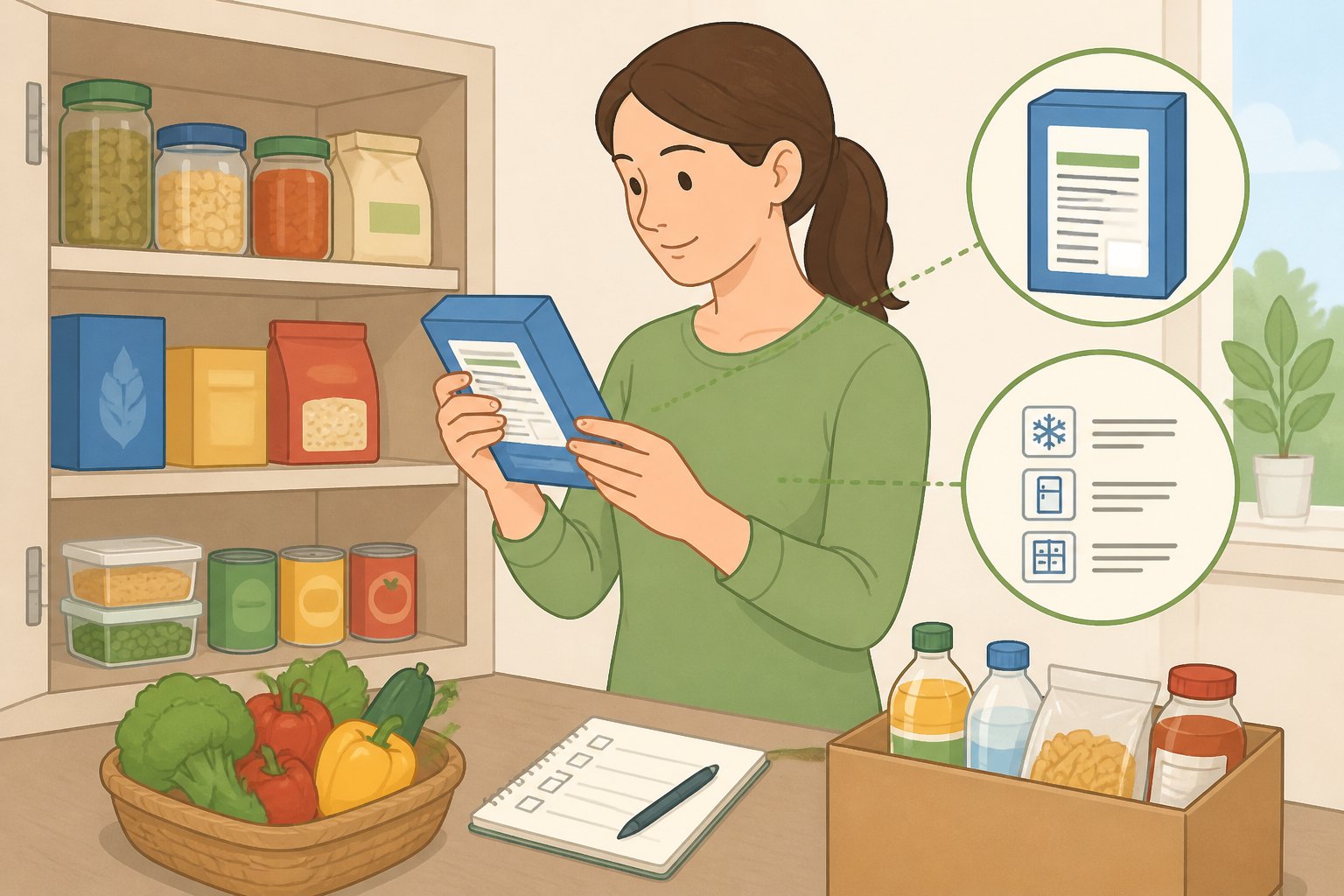
Walk the kitchen before opening the flyer, and check package wording rather than guessing at what a date means. Date labels vary by product, so follow the instructions printed on the package, and when in doubt, freeze raw meat, poultry, or seafood you won't be cooking soon instead of leaving it to sit in the fridge.
Confirm family size and which nights realistically become leftover nights before locking anything in. A sale item only saves money if the meal built around it actually gets eaten, not left in the fridge until it's tossed.
If anyone in the household manages a food allergy or a medical diet, don't swap ingredients on their behalf without confirming the substitution is safe first. A sale-driven plan should bend around those restrictions, never override them.
Step-by-step method
-
List what needs to be used soon, then sort the rest into two more piles. Walk through the fridge, freezer, and pantry and write down anything opened or close to its date first; that's top priority for the week's menu no matter what shows up on sale. Then split everything else into "already have enough" (skip it even if it's discounted) and "buy only if it's genuinely on sale" (staples worth restocking at a lower price, but not worth paying full price for this week). That three-way split turns a vague inventory into something you can actually act on at the store.
-
Check sale prices the right way before trusting the tag. Start with categories your household buys often, such as meat, dairy, eggs, or produce. For each item, compare the per-pound or per-unit cost to what you'd normally pay, not just the percentage-off sticker. A "40% off" label on a premium brand isn't automatically cheaper than the regular-price store brand sitting next to it.
Then check what the deal actually requires. Some sale prices only apply with a loyalty account, a clipped digital coupon, a minimum purchase amount, or a buy-one-get-one structure that means buying more than the household needs. Confirm all of this before building the grid, not while standing at the register.
-
Run every appealing item through a quick filter. Ask three questions: Does it match the use-soon list? Is the price genuinely lower than what's normally paid? Is there a realistic meal and enough storage space for it before it spoils? If the answer to all three is yes, it's in. If even one answer is no, skip it, even if the discount looks big on the tag. Staples the family already eats regularly and can store safely come next, followed by sales that lower the cost of a meal already in rotation. A discount on food nobody's going to eat isn't really a discount, it's clutter in the cart.
Whatever survives this filter is what moves into the grid. Everything else stays on the shelf at the store, no matter how good the tag looks.
-
Build a five-night grid, planning leftovers on purpose instead of letting them happen by accident. Assign sale proteins to a couple of nights, use-soon items to one or two more, and pantry staples to the rest, with one night set aside specifically for leftovers. Plan meal categories rather than exact named recipes, so the plan survives a store substitution: "chicken plus rice" and "soup with greens" hold up better than a recipe card that falls apart if one ingredient is out of stock.
Here's how that looks with an actual flyer, as an example, not a fixed formula. Say this week's sale includes an 8-count family pack of chicken thighs (about 2.5 pounds) and bagged spinach, and the pantry already has rice, canned tomatoes, and broth on the shelf, for a household of four.
Night Meal Where it comes from 1 Bake all 8 thighs at once; serve 4 for dinner Sale protein + pantry staple (rice) 2 Dice 2 of the reserved cooked thighs into chicken and spinach soup with canned tomatoes and broth Sale protein + sale produce + pantry staples 3 Shred the final 2 reserved thighs over a spinach salad Sale produce + reserved protein 4 Rice and beans, pantry-only Already on hand, no new purchase 5 Flex night for leftovers N/A For anyone copying this into a notes app instead of reading a table:
- Night 1: Bake all 8 thighs in one batch, serve 4 with rice
- Night 2: Soup using 2 reserved thighs, diced, plus canned tomatoes and broth
- Night 3: Salad with the final 2 reserved thighs, shredded
- Night 4: Rice and beans, pantry only
- Night 5: Flex night
That's 4 thighs for dinner on Night 1, with 2 thighs apiece stretched through Nights 2 and 3 by soup and salad, not a full repeat of Night 1's portion. Treat those two later nights as meals where chicken is one ingredient among several, not a second helping of the same dinner.
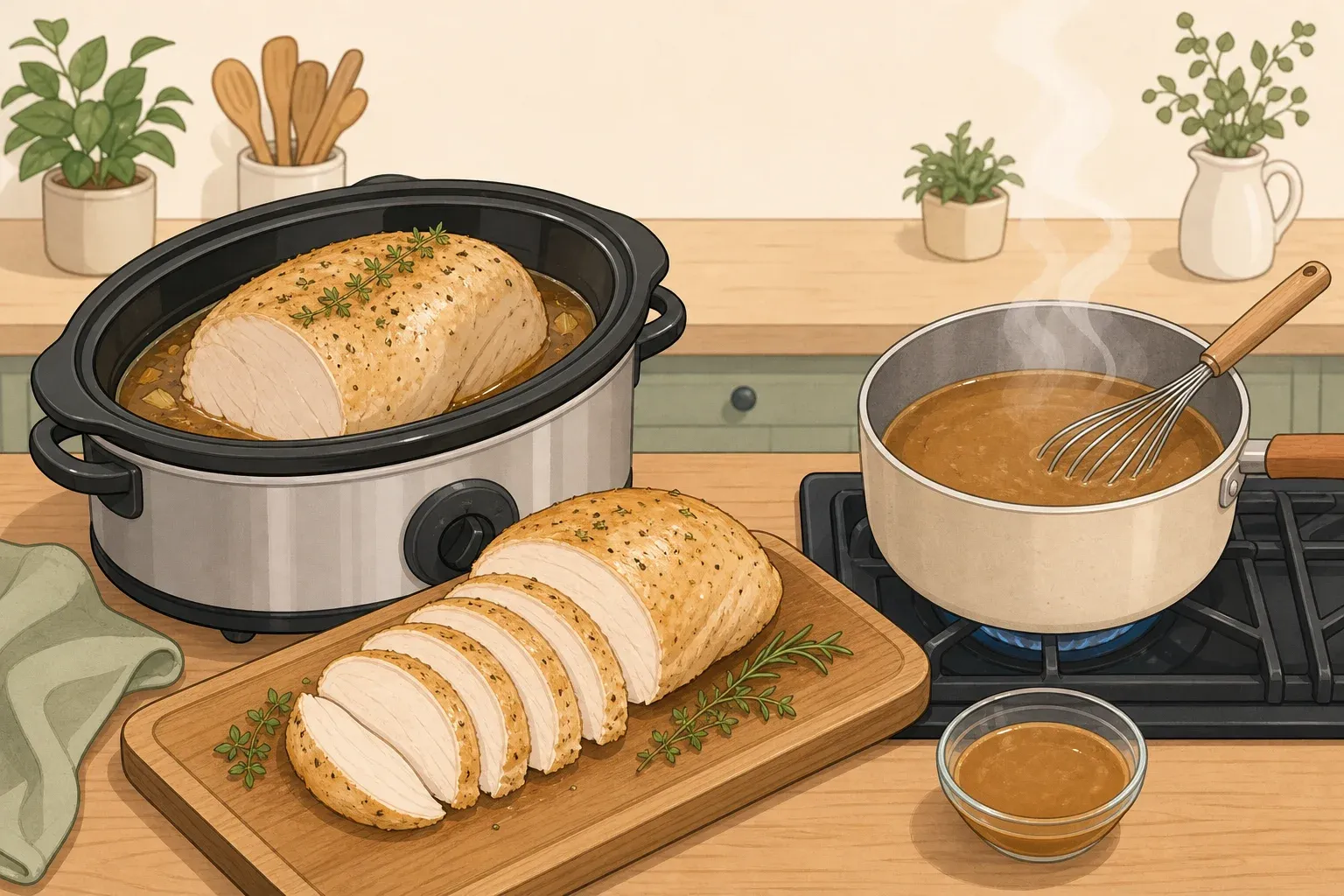
Baking all 8 thighs in one batch cuts down on repeated prep and cleanup, not just oven time. As soon as the meal is served, portion the 4 remaining thighs into shallow containers and get them into the fridge rather than leaving them out while the table gets cleared, then use them up promptly rather than letting them sit all week. The only true new purchase that week is salad dressing, since the broth and canned tomatoes are already on the shelf.
For a household of two, a family pack may cost less per pound, but buy it only if the package size and storage plan make sense. If it does, bake only what's needed for dinner that night, then freeze the remaining raw thighs right after shopping instead of holding them in the fridge all week. That stretches one sale pack across two separate weeks of meals rather than forcing a two-person household to cook through eight thighs in five days.
This worked example covers five nights, which is the core of the method. For a full seven-night week, add two more nights on your own terms: a second flex night for leftovers or stray ingredients, plus one easy night built from a freezer meal, a pantry-only meal, or breakfast-for-dinner. Those two nights aren't pulled from this week's sale scan, so don't count them toward the savings math, and keep in mind that takeout fills the same slot but usually costs more than a pantry or freezer option.
-
Write the shopping list by meal, not by aisle. Go through the grid night by night and write down only what's missing. A simple template keeps this organized: item, quantity needed, use-first priority (use first, have enough, buy if on sale), which night it's assigned to, and the expected price from the flyer. For anything with its own storage rule, like raw meat, follow the package directions rather than guessing at how long it's good for. Every item on the final list should trace back to a specific night; if it doesn't, cut it before checkout.
-
Set a planned total before shopping, then compare it to the receipt afterward. Add up the list's estimated cost, flyer prices plus a rough number for pantry fill-ins, and jot that total right on the list. If the receipt comes in noticeably higher, figure out whether it was a swapped substitute, a missed coupon condition, or an impulse add, and fix that specific thing next week rather than scrapping the whole method.
Adjustments, variations, and troubleshooting
No sale items match the pantry or use-soon list this week. Build at least one night entirely from pantry staples, beans, rice, frozen vegetables, so the plan doesn't pull in more fresh purchases than it needs to.
Large family versus small household. Only buy the discounted bulk or family-size pack if the per-unit price actually beats the smaller package and the household can realistically use or freeze all of it. If it checks out, split it across two meals rather than buying two smaller packages at full price.
Fast-spoiling sale produce. As a rule of thumb, schedule berries, leafy greens, and other quick-spoiling items into the first few nights of the grid, since they tend to hold up for less time than sturdier vegetables like carrots, cabbage, or apples. That's a general pattern, not a guarantee, so check everything before using it regardless of where it falls in the week: wilted leaves alone are usually just a quality issue, but anything moldy, slimy, leaking, or off-smelling should be thrown out no matter what day it is.
Weak protein deals that week. Center the menu on sale produce plus a pantry protein, canned beans, canned tuna, frozen fish, instead of buying full-price meat just to have one in every meal slot.
A sale item sells out or a condition can't be met in-store. Swap in a same-category item, a different cut of meat, a different in-season vegetable, rather than dropping that meal slot entirely, and note the swap on the list so the planned-total comparison still holds up at checkout.
Finish, use, store, and repeat
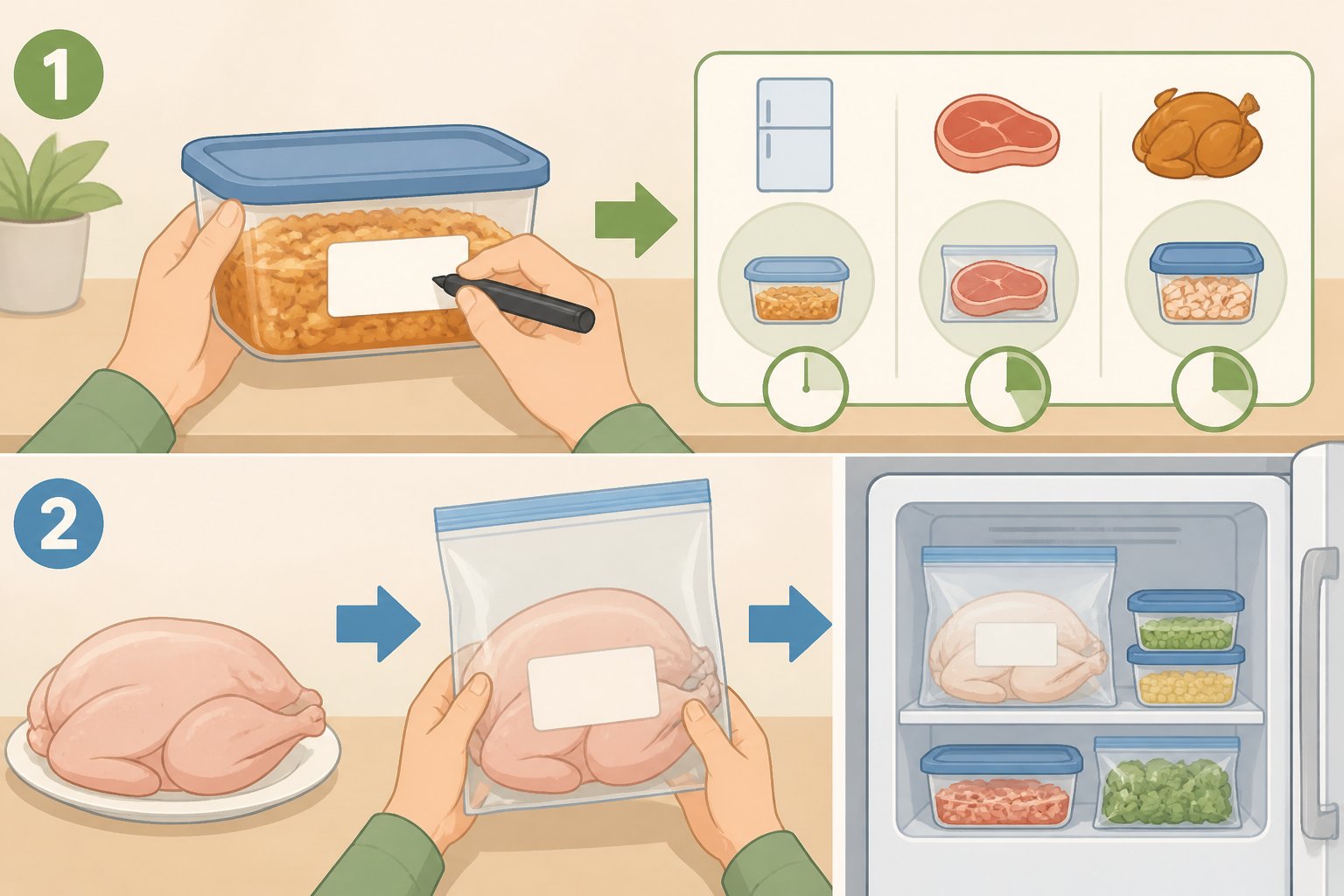
A finished week looks like a shopping list where every item traces back to a specific night and a receipt total that lands close to what got planned before the trip. Before calling the week done, run through three things:
- Label or freeze anything that won't get used soon. If raw poultry or ground meat isn't going to get cooked soon, move it to the freezer rather than leaving it to sit in the fridge.
- Check that every purchased item belongs to a meal or a confirmed pantry backup. Anything left over at the end of the week that doesn't trace back to the grid is the thing to cut from next week's list.
- Record one adjustment for next week. Maybe that's buying less produce, allowing two flex nights instead of one, or double-checking a coupon condition before shopping. Pick one specific fix instead of trying to overhaul the whole system at once.
If an item sells out or spoils, replace that meal with the closest pantry option and record the change for next week.







Comments
Be the first, drop a comment!