



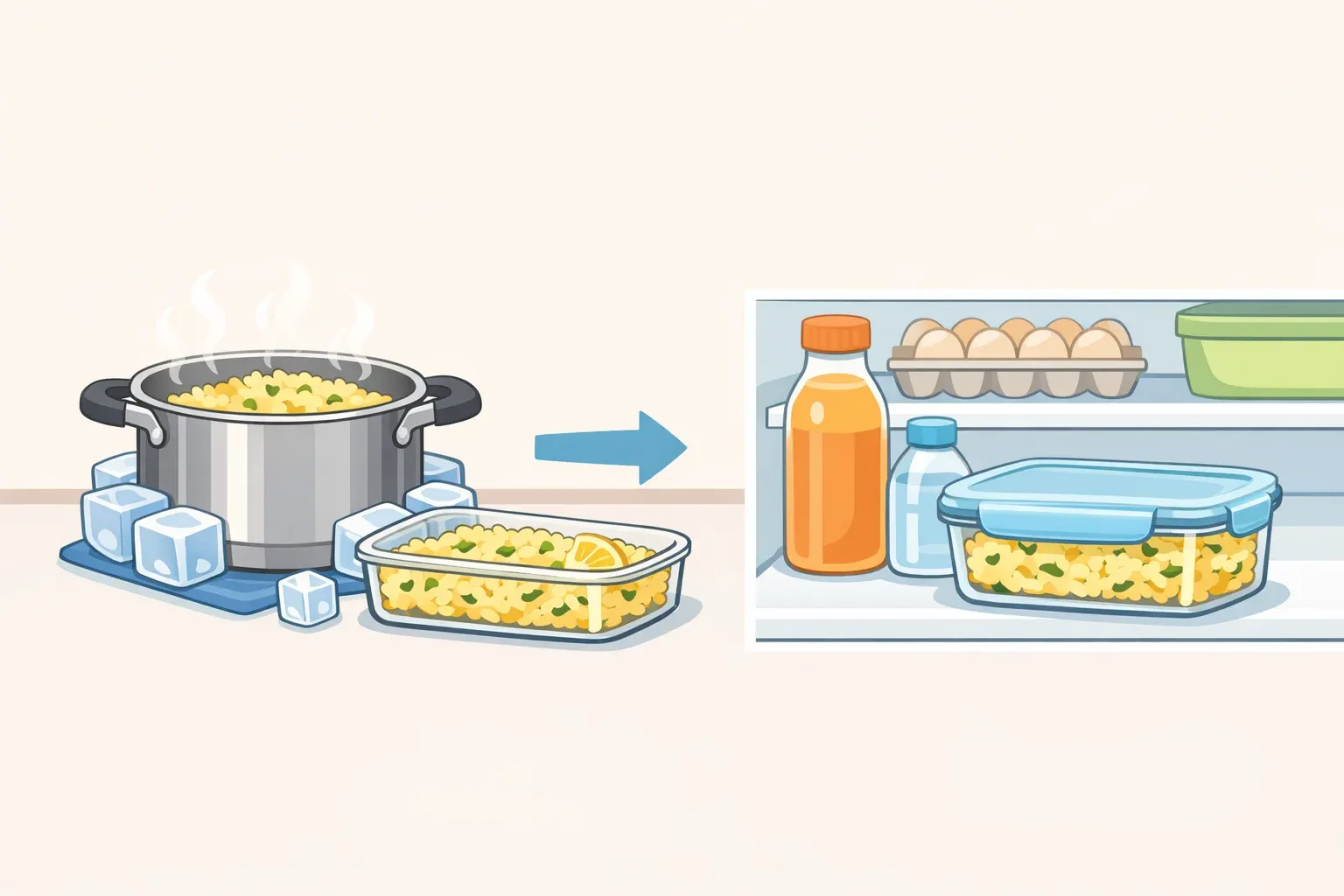
How to store cooked rice safely after Greek lemon rice
Most rice recipes hinge on nailing the water-to-rice ratio, which is exactly the step that trips people up. The family behind a well-known Greek lemon rice recipe skips it entirely: they boil the rice in a big pot of water, like pasta, and drain it once it's tender, a method the recipe's author calls fail-proof in her own kitchen (Mia Kouppa, 2023). This guide walks through that recipe start to finish, then covers how to store cooked rice safely once the meal is over, because rice leftovers come with a food-safety quirk most people never think about.
Rizi lemonato is the lemon rice that shows up in Greek restaurants alongside souvlaki, grilled chicken, or fried calamari. It contains no dairy, eggs, or meat, which is part of why it appears during Orthodox fasting periods too (Mia Kouppa, 2023). The whole recipe takes about 30 minutes and serves four (Mia Kouppa, 2023).
What follows is the full recipe using the boil-and-drain technique, from ingredients through a clear doneness cue, then a practical protocol for refrigerating, reheating, and freezing whatever's left over.
What you'll need
The ingredient list is short, and nothing on it is hard to find. You'll need 1½ cups of uncooked long-grain rice, 2 to 3 bay leaves, ¼ cup olive oil, one medium yellow onion, ¼ cup fresh lemon juice (roughly 2 to 3 lemons), ¼ cup chopped fresh parsley, 1 teaspoon salt, and ¼ teaspoon black pepper (Mia Kouppa, 2023).
Equipment-wise, keep three things within reach: a large pot for boiling the rice, a fine sieve or colander for draining it, and a separate medium pot for sautéing the onion (Mia Kouppa, 2023).
This makes four servings, generous enough as a side dish or filling enough to eat on its own, at roughly 410 calories per serving (Mia Kouppa, 2023). Laying out the full ingredient list before touching a stove means the recipe runs start to finish without pausing to hunt down a missing lemon.
Cook the rice like pasta
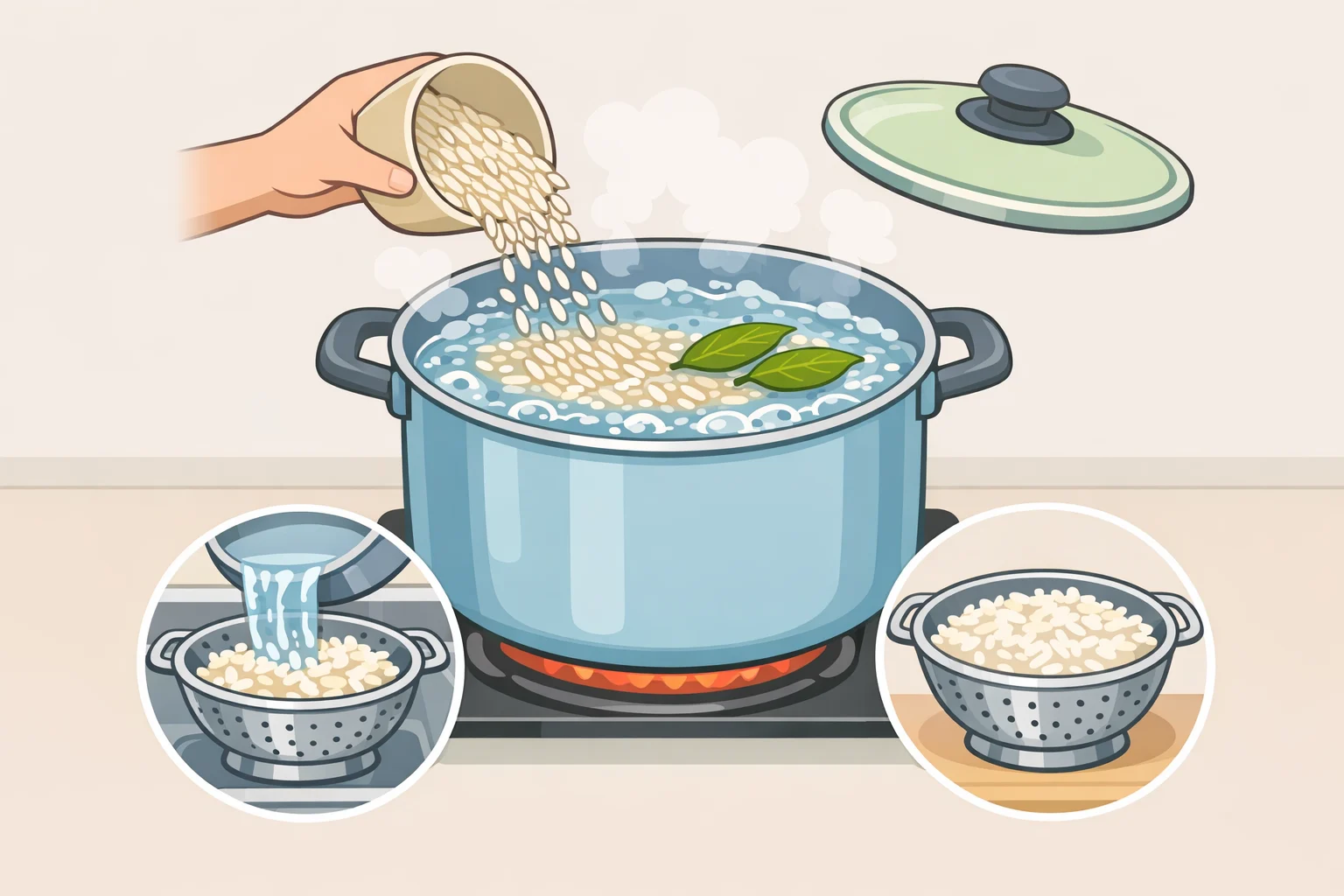
Skip the water-to-rice ratio entirely and treat the rice the way you'd treat pasta.
-
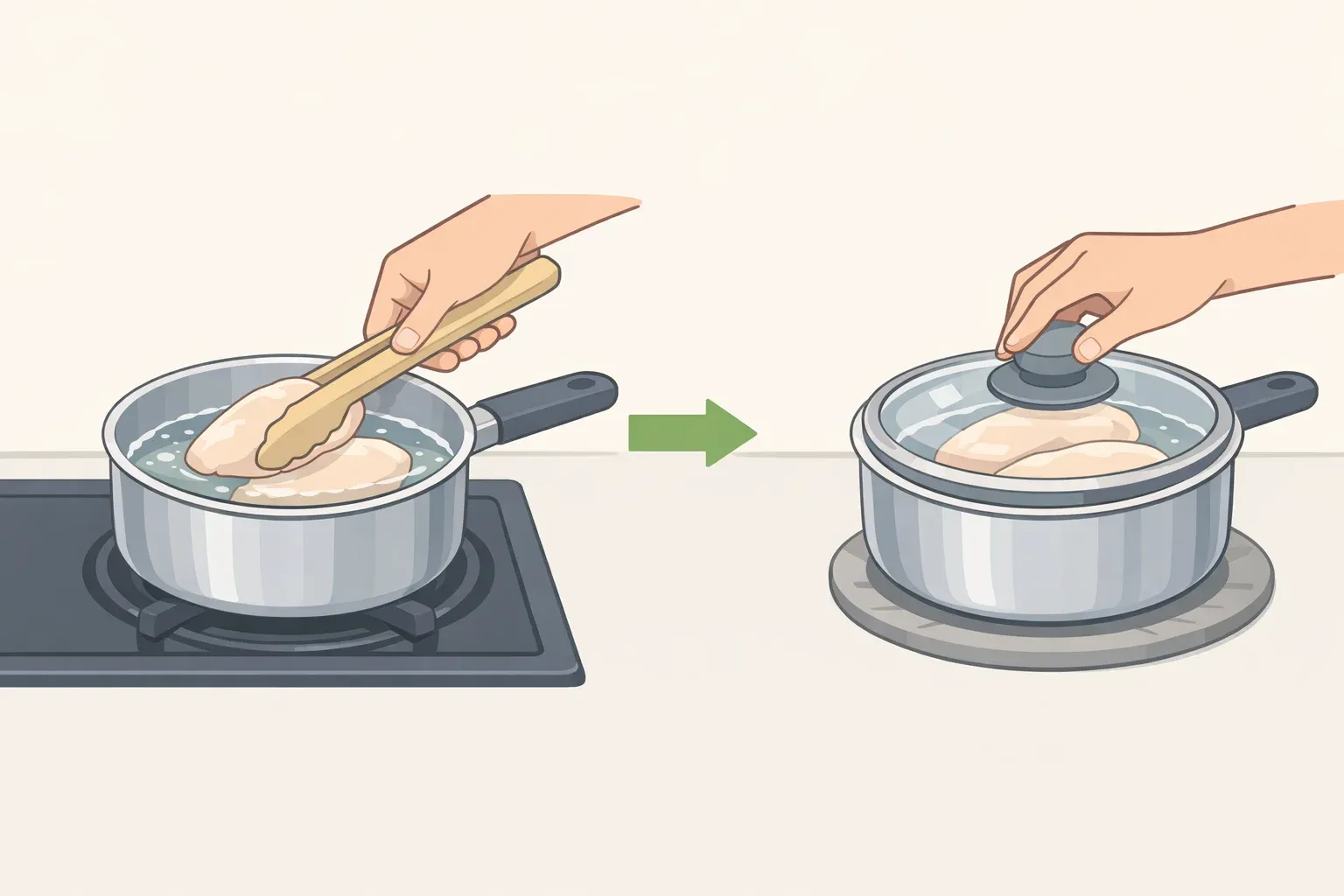
Place the rice and bay leaves in a large pot and cover with several inches of water. There's no need to measure anything precisely, since the excess gets drained off later anyway (Mia Kouppa, 2023).
-
Bring the pot to a boil, then reduce to medium heat and cook until the rice is tender (Mia Kouppa, 2023). Skip the clock and use a bite test instead: the grain should be tender all the way through with no chalky center. The moment it hits that point, pull it before it turns mushy sitting in the water.
-
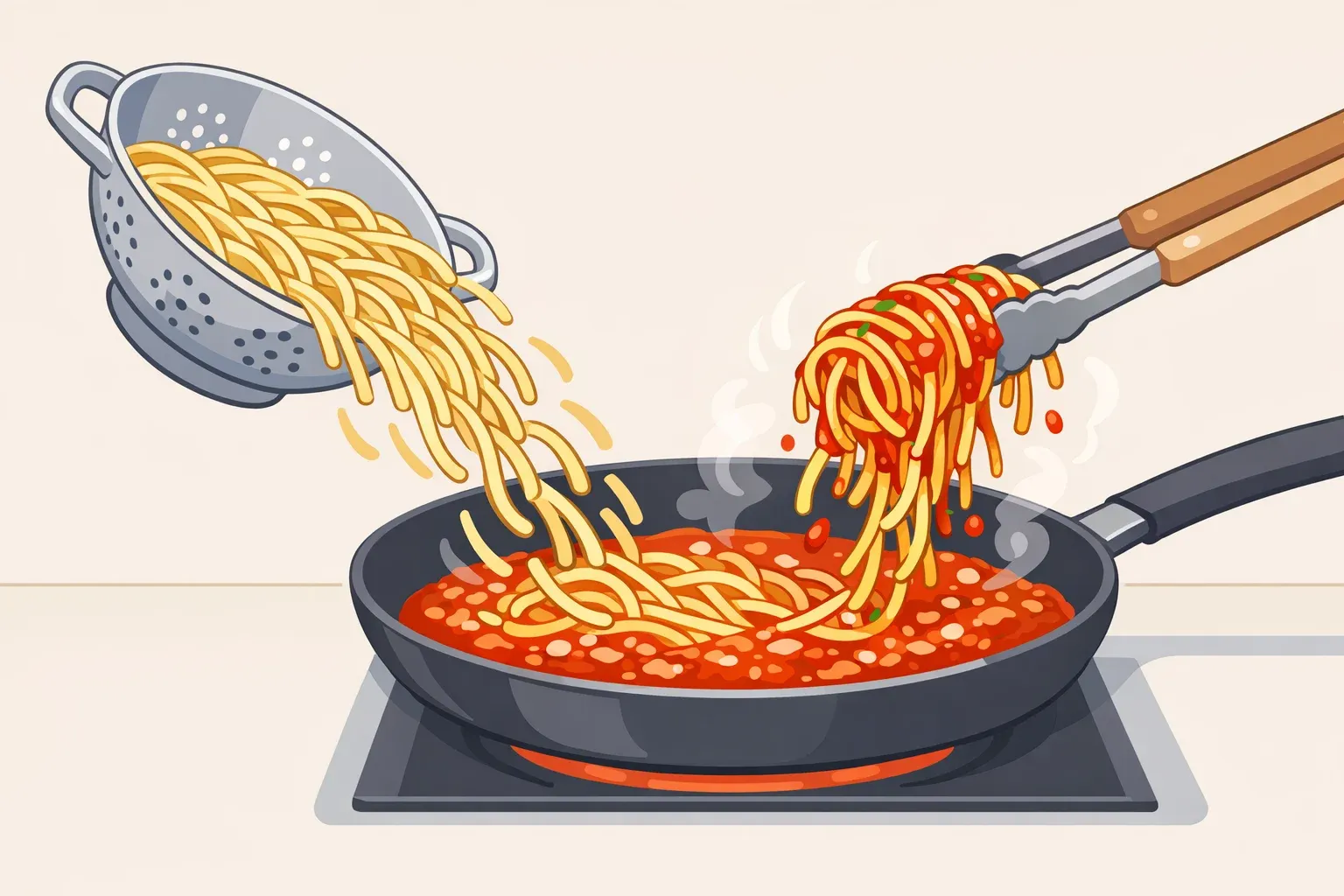
Drain immediately through a fine sieve or colander. The recipe's author learned this method from her parents and relies on it specifically to avoid measuring absorption water; she also rinses the rice beforehand and sometimes soaks it when she has extra time (Mia Kouppa, 2023). She credits the boil-and-drain approach with removing impurities from the rice, a claim rooted in family tradition rather than tested food science.
Once the rice is drained, the flavor-building starts. No more guessing whether the water ratio was right.
Build the Greek flavor
While the rice boils, heat the olive oil in a medium pot over medium heat and sauté the chopped onion until translucent, about five minutes (Mia Kouppa, 2023). Working in parallel like this means the rice and the aromatics finish at roughly the same time.
Add the drained rice to the onion and oil, stirring to combine, then mix in the lemon juice, parsley, salt, and pepper (Mia Kouppa, 2023). The ¼ cup of lemon juice against just 1½ cups of rice is a deliberately heavy pour. This isn't a background note of citrus; it's the defining flavor of the dish (Mia Kouppa, 2023).
Serve it alongside souvlaki, grilled chicken, or fried calamari, or make it the centerpiece with a dollop of tzatziki and some grilled bread for a vegetarian plate. The recipe's author notes it's good enough that it sometimes gets served as the meal itself, rather than a side (Mia Kouppa, 2023).
How long does cooked rice last in the fridge?
Kept reliably at or below 41°F, cooked rice and other leftovers stay microbiologically safe for up to seven days, though confirming that requires an actual fridge thermometer rather than a guess (N.C. Cooperative Extension, 2024).
For this particular recipe, treat it more conservatively. Mia Kouppa's own storage note caps this Greek lemon rice at three days in the fridge, a tighter window than the general range above (Mia Kouppa, 2023). Use the shorter number for this dish rather than assuming all rice behaves the same.
How to refrigerate cooked rice safely
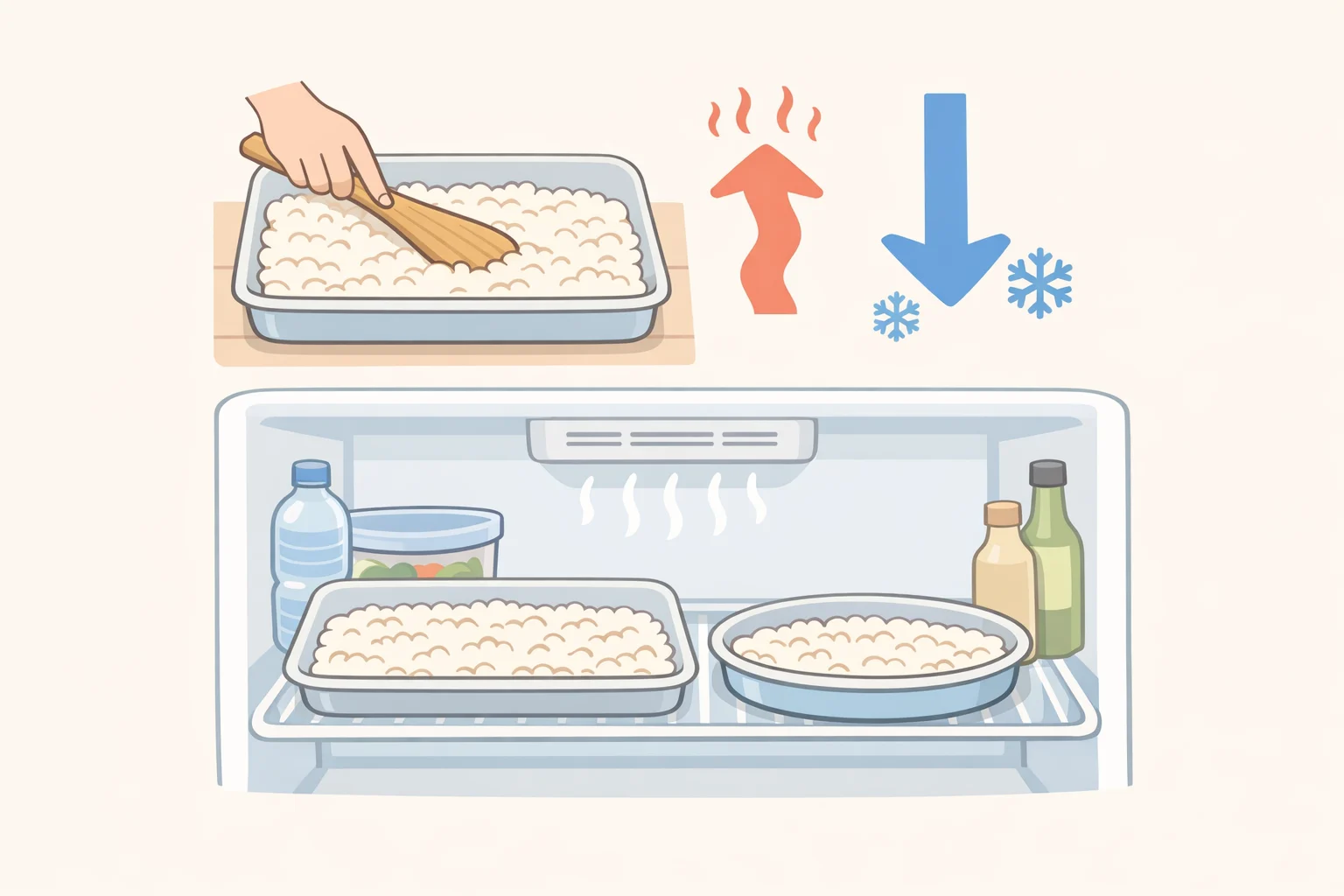
The food-safety issue with leftover rice is specific to starchy foods, and it comes down to a bacteria called Bacillus cereus. Raw rice can carry its spores, which survive cooking and only become a problem once the rice cools slowly or sits out (N.C. Cooperative Extension, 2024). Care matters with any leftovers, but rice gets singled out for this reason specifically.
Get it cold fast:
- Never leave cooked rice at room temperature for more than two hours. If it's been sitting out longer than that, discard it rather than trying to salvage it (N.C. Cooperative Extension, 2024).
- Spread the rice into a shallow layer so it cools as fast as possible, then move it to the fridge right away instead of leaving it on the counter to cool first. The target is a specific cooling curve: 135°F down to 70°F within two hours, then down to 41°F within four more hours. Miss that window and the rice should be pitched, not eaten (N.C. Cooperative Extension, 2024).
- The safe zone sits at either extreme: keep rice hot, above 135°F, or cold, below 41°F. Trouble starts when it lingers between those two numbers for too long (N.C. Cooperative Extension, 2024).
- If there's a lot of rice, portion it into individual containers before refrigerating rather than storing it as one large block. That way, reheating one serving doesn't mean repeatedly warming and re-cooling the whole batch.
How to reheat leftover rice safely
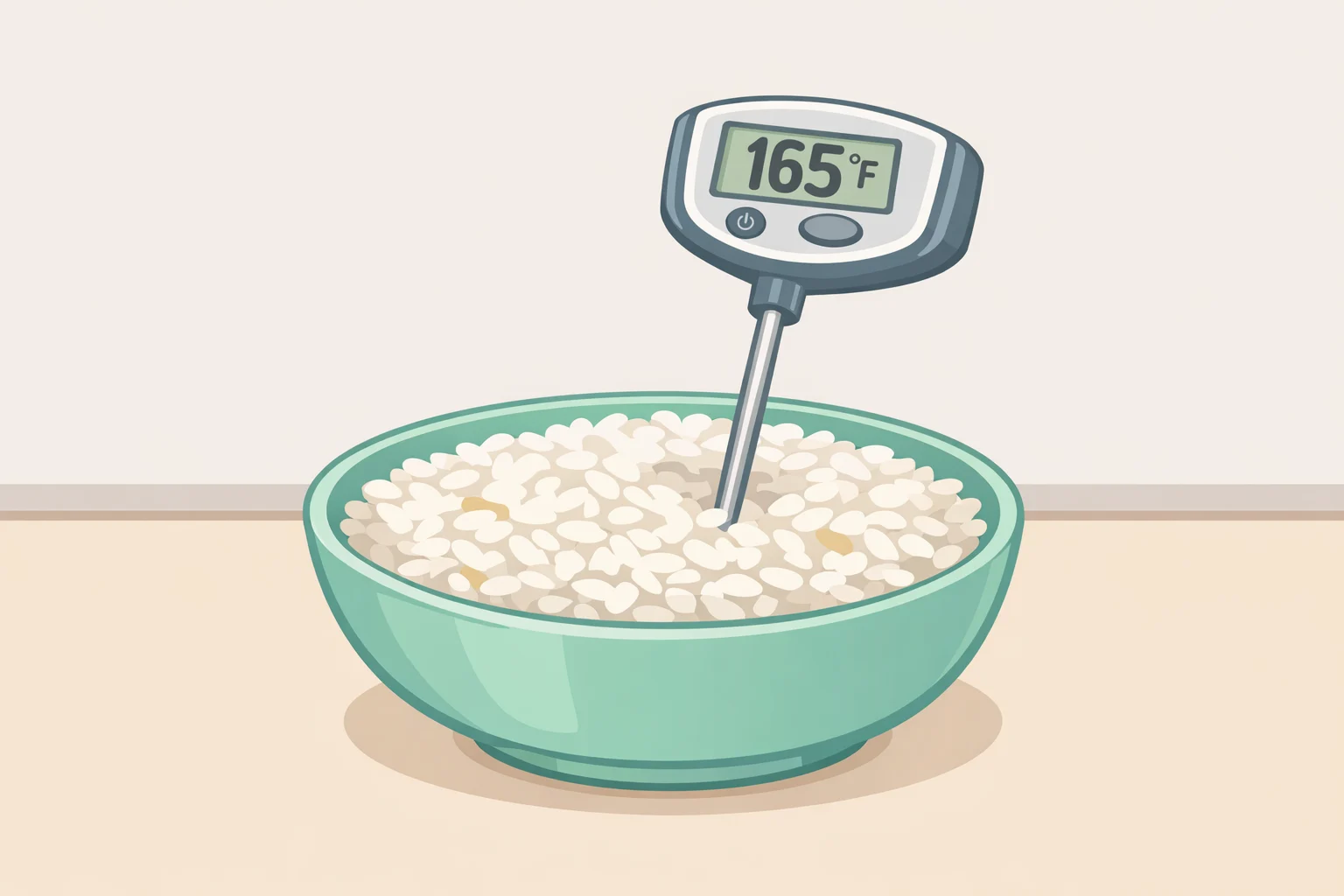
There's no shortcut around heat. Bring rice all the way back to steaming hot, not just warm on the surface, since food-safety guidance sets 135°F as the threshold for holding food safely hot (N.C. Cooperative Extension, 2024). A stir partway through, whether on the stovetop or in the microwave, keeps the center from staying cold while the edges scorch.
For a hands-off option, Mia Kouppa reheats her leftover lemon rice in an oven-proof dish wrapped tightly in foil, baked at 350°F for about 15 minutes (Mia Kouppa, 2023).
Reheat only the portion you're about to eat. Cycling rice through repeated rounds of reheating and cooling pushes it through the bacteria-friendly temperature range more than once, instead of just the single trip from fridge to plate (N.C. Cooperative Extension, 2024).
There's a limit to what reheating can fix. It kills bacteria that grew during cooling, but it cannot neutralize the heat-resistant toxin B. cereus produces if rice sat out too long (N.C. Cooperative Extension, 2024). If the rice missed its two-hour window on the counter, no amount of oven or stovetop time makes it safe again. Toss it and start fresh.
Can you freeze cooked rice?
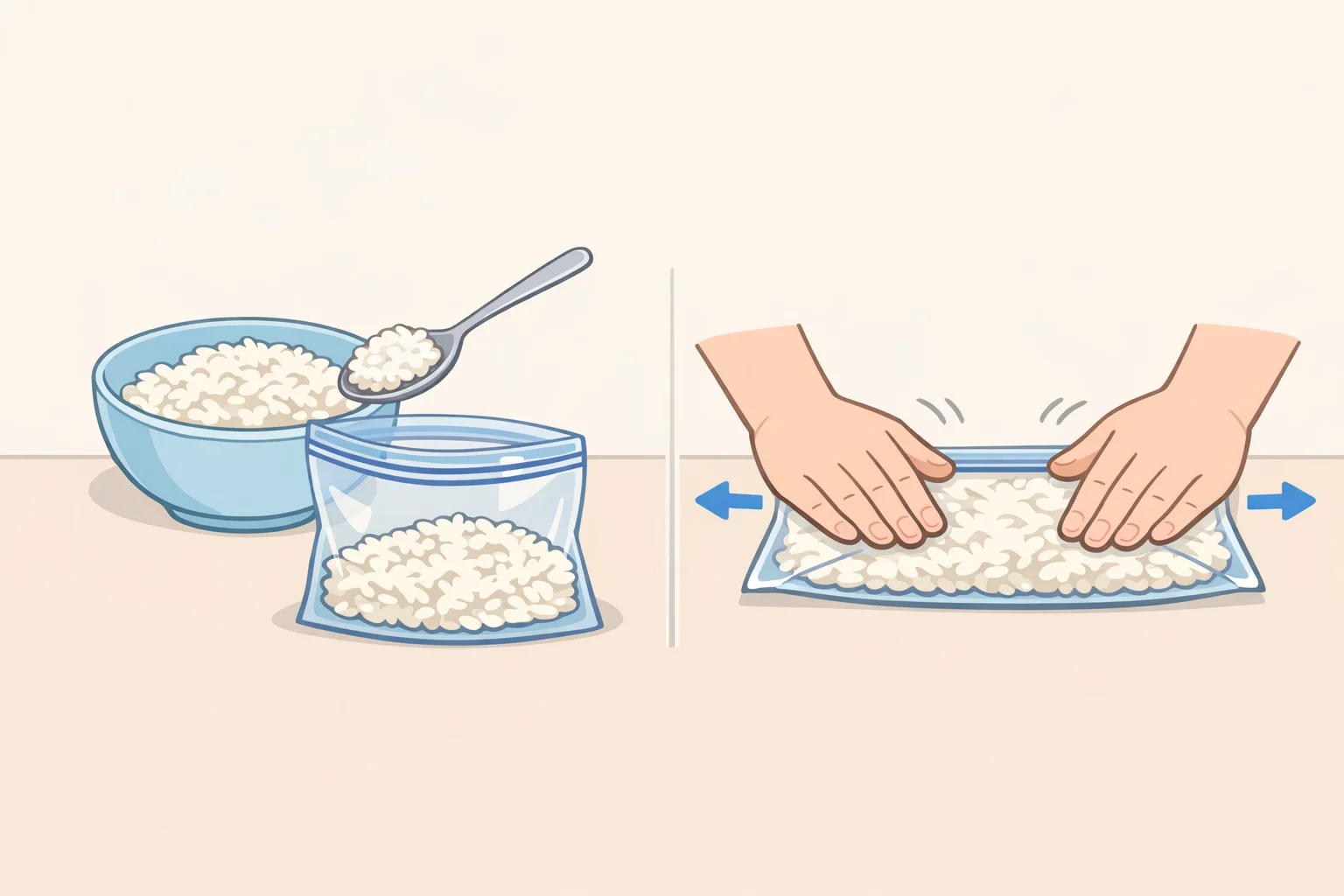
Yes, but expect a texture trade-off. Cooked rice doesn't freeze especially well; it tends to turn mushy and taste warmed over once thawed and reheated (N.C. Cooperative Extension, 2024). That shift matters less if the rice ends up folded into a soup or casserole than if it's meant to stand on its own on a plate.
If freezing is the plan, cool the rice completely first and pack it into a freezer-safe bag or container (Mia Kouppa, 2023), aiming to use it within about six months for the best quality (N.C. Cooperative Extension, 2024). Freezing halts bacterial growth, but that growth resumes the moment the rice thaws, so treat thawed rice with the same two-hour and reheating rules as fresh leftovers (N.C. Cooperative Extension, 2024).
Reserve the freezer for rice headed into a different dish entirely, and keep the fridge for whatever's going straight back onto a plate this week.
Conclusion
The boil-and-drain method isn't limited to this one dish. Once the bite test clicks, it works as a reliable base for any long-grain rice recipe, Greek or otherwise, wherever measuring water has always been the annoying part.
Getting the rice right is only half the job, though. The other half happens after dinner: cool it fast, refrigerate it fast, reheat it hot, and know when a batch belongs in the freezer instead of back on tonight's plate. Handle both halves, and rizi lemonato holds up just as well as leftovers as it did fresh out of the pot.



Comments
Be the first, drop a comment!