



Pasta Pomodoro Recipe: How to Make Sauce Cling to Pasta
Pomodoro fails for a predictable reason. Not one mistake, but a sequence that breaks down at two specific points: the sauce never reduces enough, and the pasta gets fully cooked and drained before it ever touches that sauce. Fix both, in the right order, and a good pasta pomodoro recipe comes together almost on its own.
Experts interviewed by EatingWell point to overcooking as the single biggest mistake home cooks make with pasta. Once noodles pass their peak, they shed the surface starch that acts like glue between pasta and sauce. Serious Eats lays out the other half of the mechanism: pasta pulled early and finished directly in its sauce absorbs some of that liquid and releases starch back into it, merging the two into one dish instead of two elements sharing a plate.
Pomodoro is built from almost nothing: fresh tomatoes, olive oil, garlic, basil, and salt (Iowa Girl Eats). With such a short ingredient list, a sauce that never reduced or noodles that went limp have nowhere to hide. The classic version below, with peeled tomatoes simmered into a real sauce, runs about 50 minutes start to finish (Iowa Girl Eats). A related dish made from grated, uncooked tomatoes gets you something rawer and quicker in about 25 minutes (Serious Eats, last year), worth knowing about but built on a different ingredient list, not a shortcut to this one.
This guide covers how to prep the tomatoes, build and reduce the sauce, coordinate pasta timing so the two finish together, what a properly reduced sauce should actually look like, and what to do when the timing slips.
What pasta pomodoro actually is
The name is literal. Iowa Girl Eats, whose recipe anchors the method below, calls its dish spaghetti al pomodoro, or simply spaghetti pomodoro, and notes that pomodoro means "tomato" in Italian (Iowa Girl Eats). It's meant to be a fresh, light Italian tomato basil pasta, not a heavy, long-simmered red sauce.
The base is five ingredients: fresh tomatoes, olive oil, garlic, basil, and salt (Iowa Girl Eats). Home cooks often add a chopped shallot, a pinch of sugar to soften the tomatoes' acidity, and a knob of butter for silkiness. Iowa Girl Eats includes all three and says plainly that butter isn't traditionally part of pomodoro; it's there to smooth out the flavor, not to define the dish (Iowa Girl Eats).
The same recipe notes that angel hair or linguine work just as well as spaghetti. The noodle shape is flexible; the reduction technique is the part that has to stay fixed. The recipe below uses the classic base plus those three optional additions, clearly marked, so deciding how minimal to go is a choice you make, not one the recipe makes for you.
Choose your tomato prep
Use peeled tomatoes for the recipe below. Treat the grated method further down as a separate, faster option, not an interchangeable step.
What "ripe" means here. Iowa Girl Eats typically uses vine-ripened tomatoes but says the recipe works with any ripe, fresh, preferably local tomato (Iowa Girl Eats). The source frames this as a summer-tomato recipe, so good, in-season fruit is easier to find right now than it will be come winter.
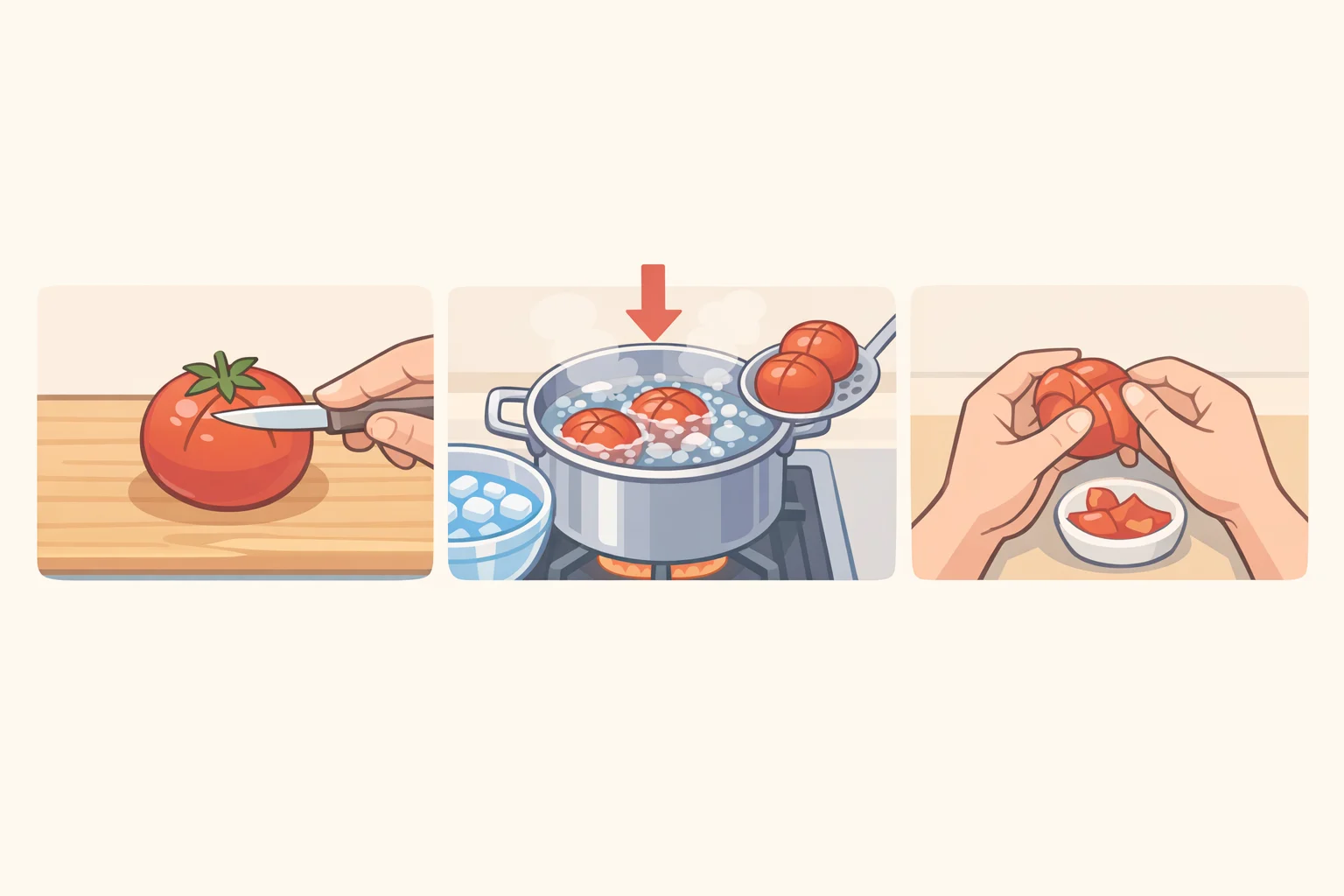
Blanch and peel. Score a shallow "X" in the base of each tomato, drop them in boiling water for 30 seconds, then peel once they're cool enough to handle (Iowa Girl Eats). Don't dump that water afterward: it gets reused to cook the pasta later in the process (Iowa Girl Eats).
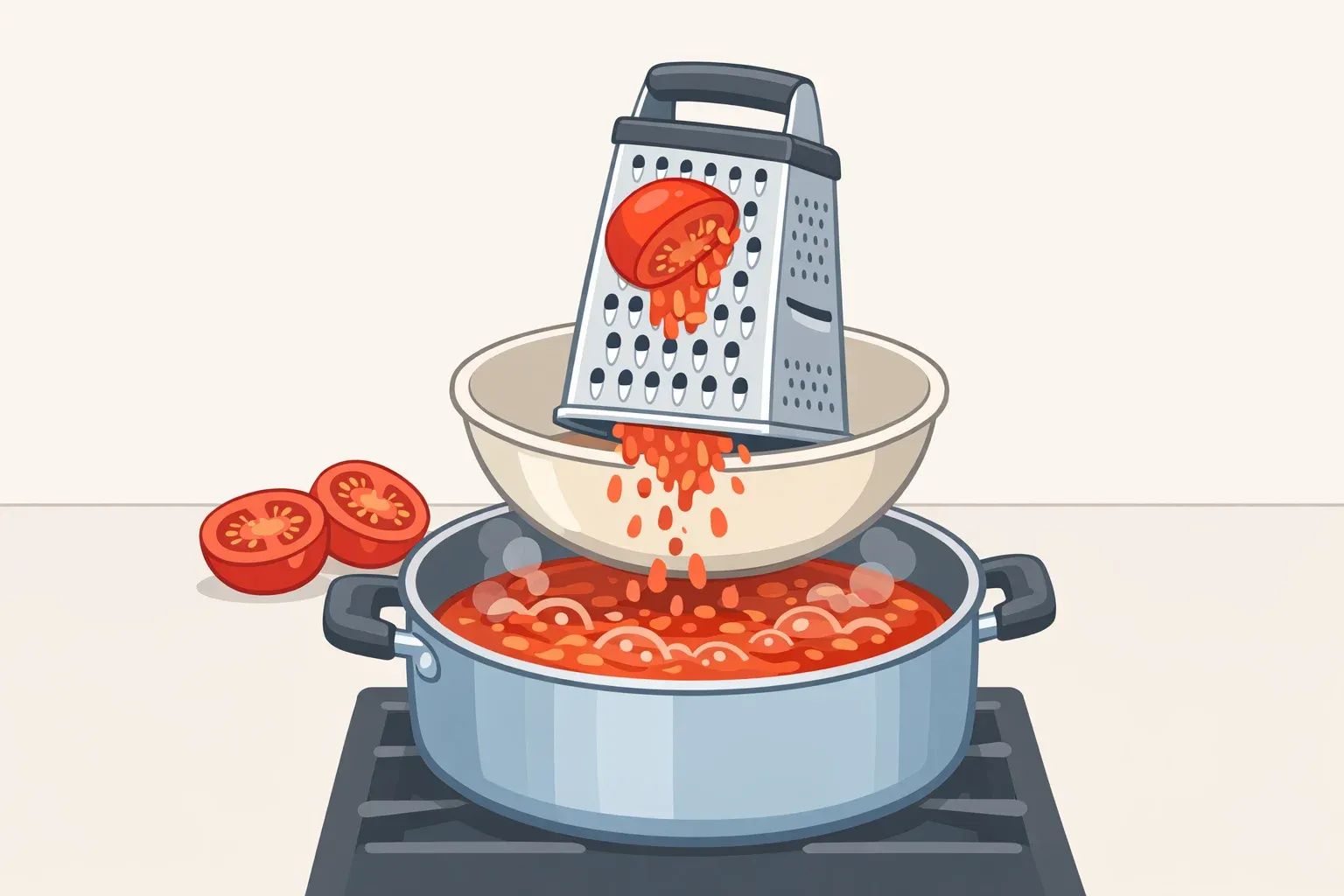
A separate fast variation. Serious Eats' spaghetti alla carrettiera grates whole tomatoes on the large holes of a box grater directly into a bowl, skipping blanching entirely. It's a different dish, though, built on a different ingredient list, garlic, red pepper flakes, and toasted breadcrumbs among them, finished raw rather than simmered, and it runs about 25 minutes start to finish (Serious Eats, last year). Make it on its own terms if a quick, raw-tomato pasta sounds appealing. Don't fold its method into the recipe below.
Canned, with caution. This is a pasta with fresh tomato sauce, tested with fresh tomatoes specifically. If canned tomatoes go in out of season, expect the water content and cooking time to shift, since that swap hasn't been tested here. Whatever tomatoes end up in the pan, keep pomodoro separate from longer-simmered, butter-and-onion tomato sauces like Marcella Hazan's well-known version. That's a different recipe with a different method, not a variation on this one (PBS American Masters, last year).
Iowa Girl Eats also offers two ways to combine pasta and sauce: cook the pasta separately and spoon sauce over it, or finish the pasta directly in the sauce. The recipe's author prefers the second method because it lets the noodles take on the sauce as they finish cooking, rather than just getting topped with it afterward (Iowa Girl Eats). The method below builds around that second option.
Build the sauce and finish the pasta in it
The sauce needs to be most of the way to done before the pasta gets anywhere near it. That's a design choice built into this recipe, not a universal law: Iowa Girl Eats times the pasta water to come to a boil once the sauce has about 15 minutes left to cook, and building the recipe around that same schedule keeps the two on track to finish together (Iowa Girl Eats).
Ingredients (8 servings): 2½ lbs peeled tomatoes; ¼ cup extra-virgin olive oil; 1 chopped shallot (optional); 4 garlic cloves, minced; a pinch of sugar (optional); ¼ cup torn fresh basil; 2 tbsp butter (optional); ¾ tsp salt, plus more for pasta water; black pepper; 12 oz spaghetti; grated parmesan for serving (Iowa Girl Eats). Halve everything for 4 servings.
- Sauté the aromatics. Warm the olive oil over medium heat. Add the shallot and cook until tender, 3 to 5 minutes, then add garlic and cook until fragrant but not browned, about 30 seconds (Iowa Girl Eats).
- Add tomatoes and reduce. Stir in the tomatoes and sugar, then simmer 25 to 30 minutes, smashing them against the pan occasionally to break them down (Iowa Girl Eats). This is where the sauce gets thick enough to hold onto pasta later instead of pooling around it.
- Bring the pasta water up. When the sauce has about 15 minutes left, bring a pot of water to a boil and salt it generously (Iowa Girl Eats).
- Finish seasoning the sauce. With 5 minutes left, stir in torn basil, butter, salt, and pepper (Iowa Girl Eats). At this point it should look thick and cohesive, not watery or loose.
- Cook the pasta, but stop early. Add spaghetti to the boiling water. Start tasting a minute or two before the shortest time listed on the package rather than at the time listed, since package times vary by brand and shape and your teeth are the better judge (Serious Eats). Pull it when the center still pushes back with a bit of spring, not a crunch (Serious Eats).
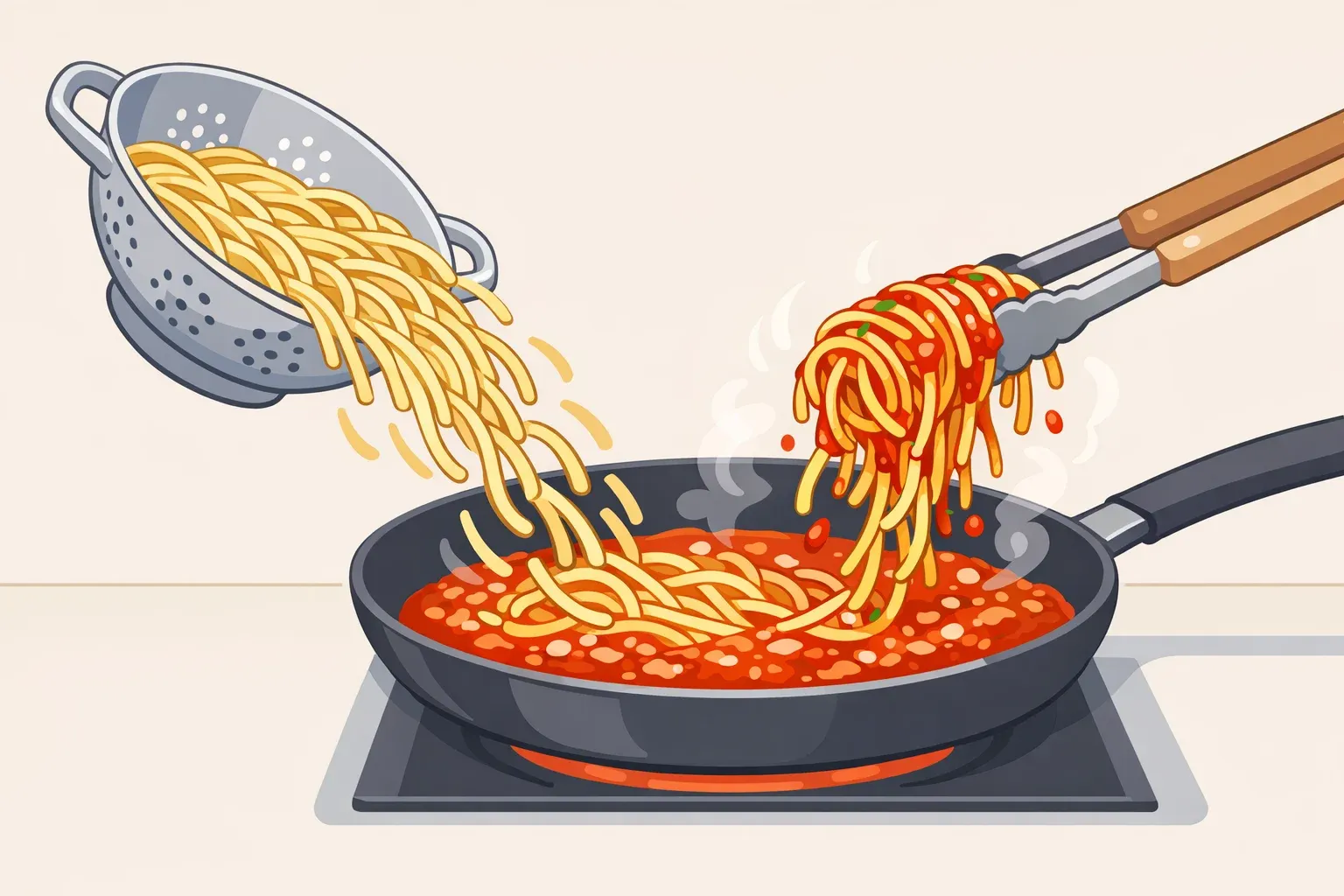
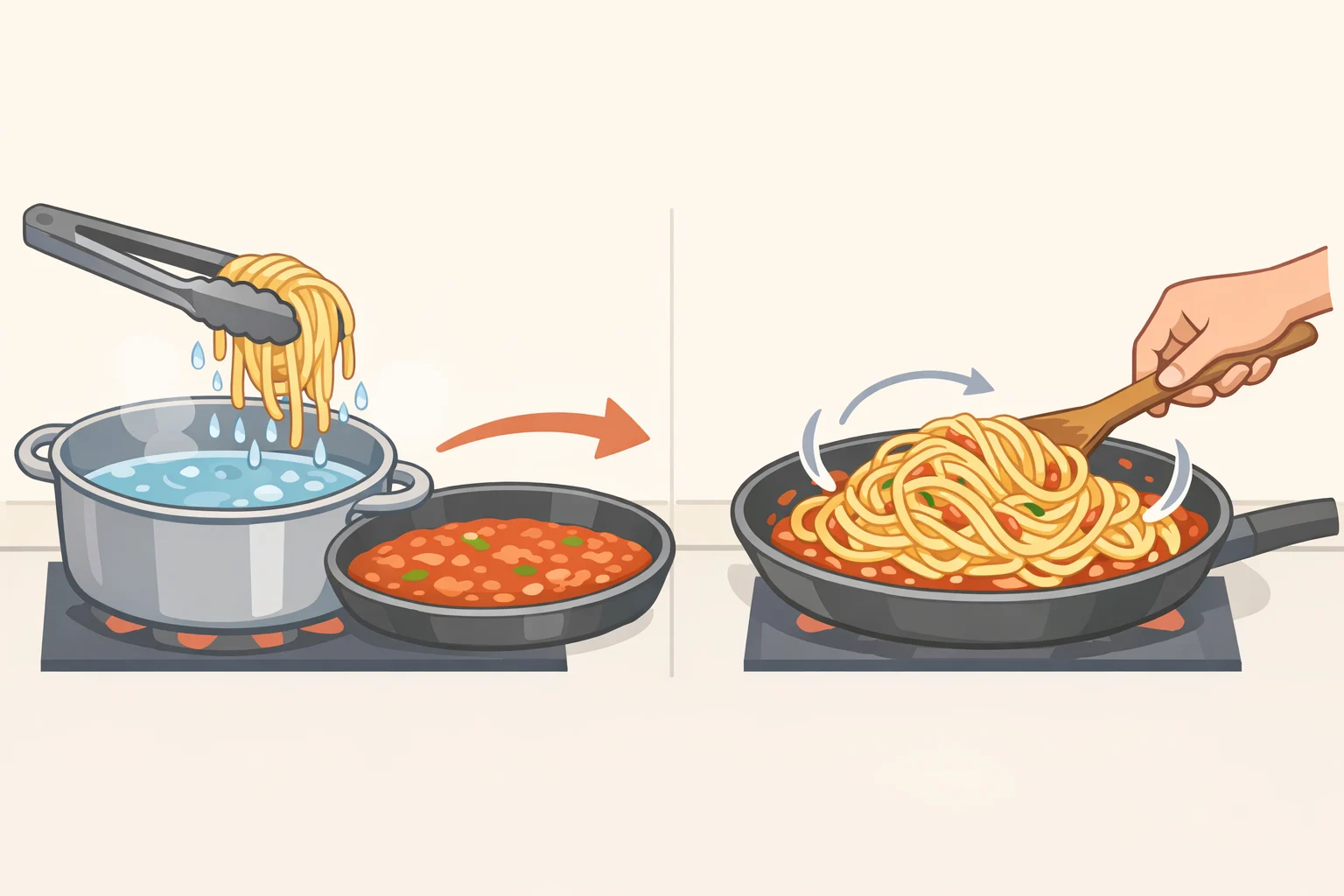
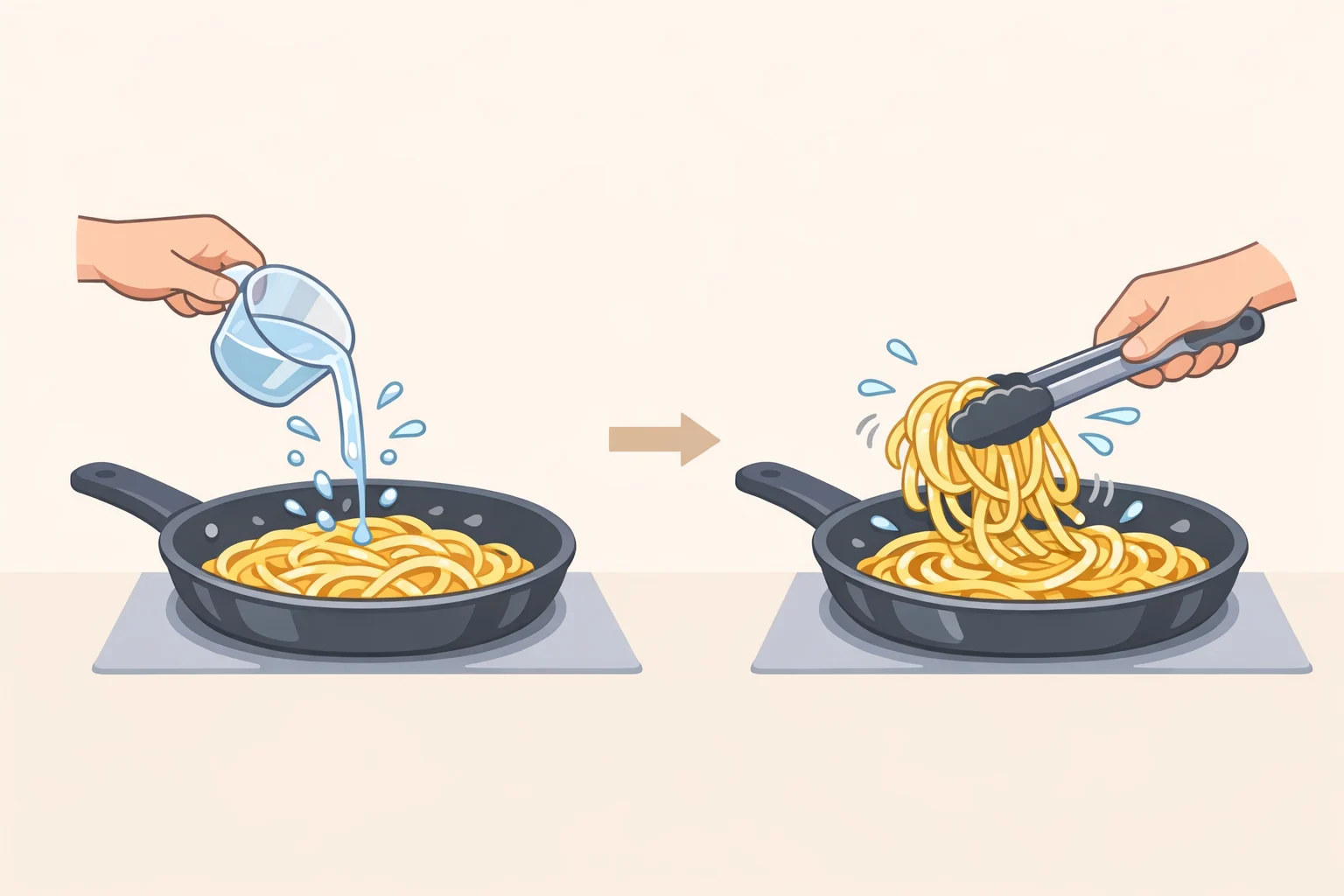
- Transfer directly to the sauce. Use tongs to move the pasta straight into the simmering sauce, along with a splash of reserved pasta water (Iowa Girl Eats). As it finishes cooking there, it absorbs some of the sauce's liquid and seasoning and releases starch that thickens things further (Serious Eats).
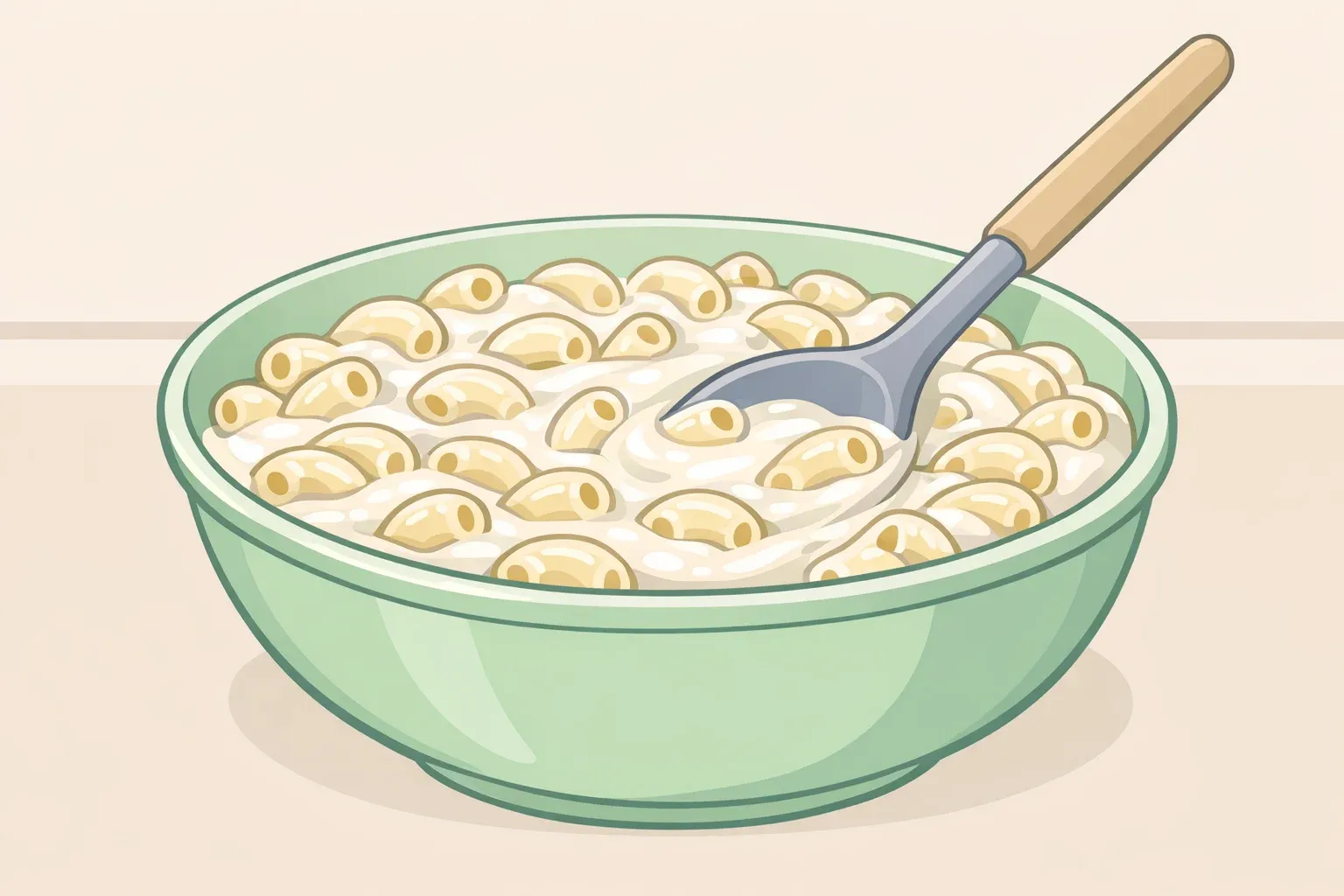
- Toss until glossy, not just combined. Keep tossing until the sauce visibly tightens and coats every strand in a thin, glossy film, with no liquid pooling at the bottom of the pan. If it looks dry, add pasta water and olive oil a tablespoon at a time until it comes back together, a fix borrowed from Serious Eats' carrettiera method, though that recipe runs on a different raw-tomato base with breadcrumbs stirred in, so treat it as a general troubleshooting move rather than a step this pomodoro was tested against (Serious Eats). Either way, that move rescues a sauce that already reduced properly; it won't fix one that never reduced in the first place. Serve immediately with parmesan.
How to judge a properly reduced sauce
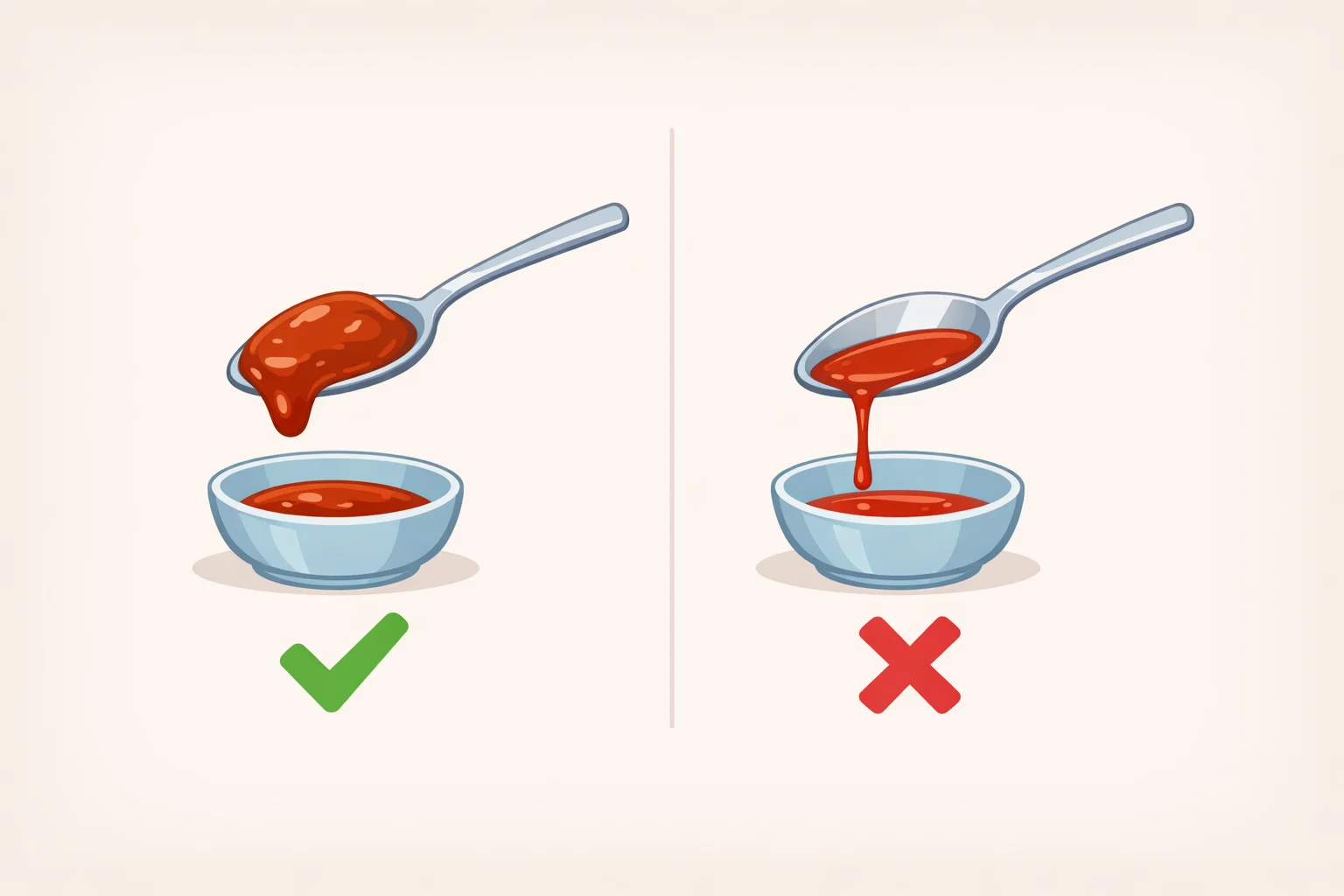
Reduced enough looks different from just done cooking. Pull a spoonful and tilt it: a sauce that's ready holds together in a loose mound rather than running off in a thin stream, and there's no separate layer of clear liquid pooling at the edges of the pan. If it still looks like tomato water with solids floating in it, it needs more time over the heat before basil and butter go in, not a shortcut through the rest of the recipe.
Dry and under-reduced can look confusingly similar at a glance, both tight and matte instead of glossy, but they call for opposite fixes. An under-reduced sauce is watery underneath a deceptively thick top layer, and simmering it longer, uncovered, evaporates what's left. A dry sauce has already lost too much moisture, usually from sitting too long over high heat, and it needs liquid added back rather than more time on the stove.
Reserved pasta water is the fix for dry, added a tablespoon or two at a time and tossed in fully before adding more. Overshoot and the sauce turns thin again, so add less than seems necessary, then check. A splash of olive oil alongside the water helps bring back a sauce that's split, visible as tiny pools of oil sitting apart from the tomato.
Troubleshooting the finish
Sauce and pasta drift out of sync sometimes, even with good timing.
- Sauce still watery after tossing. It likely wasn't reduced enough in step 2. A longer toss over the heat helps some, but if it's still thin after another minute, the real fix is more reduction time next round, not more tossing.
- Sauce looks tight and dry. It's lost too much moisture. Add reserved pasta water in small splashes, tossing between additions, until it loosens back to a glossy coating (Serious Eats).
- Pasta finishes before the sauce is ready. Don't drain and wait around. Turn the sauce down to hold at a bare simmer, and leave the pasta sitting in its cooking water with the heat off rather than draining it early. Reserve extra pasta water before draining either way, since the recipe calls for splashes of it more than once.
- Skip the oil in the pasta pot. Adding oil to the cooking water makes noodles repel sauce instead of absorbing it, according to experts interviewed by EatingWell.
Where this leaves you
Watch for a sauce that holds together instead of separating into liquid and pulp, pasta still slightly firm at the center when it goes into the pan, and no liquid pooling once everything's tossed.
Once that coordination between sauce and pasta timing starts to feel automatic, it carries over to almost any pan sauce, tomato and basil today, something else entirely tomorrow, built from a completely different pantry.




Comments
Be the first, drop a comment!