



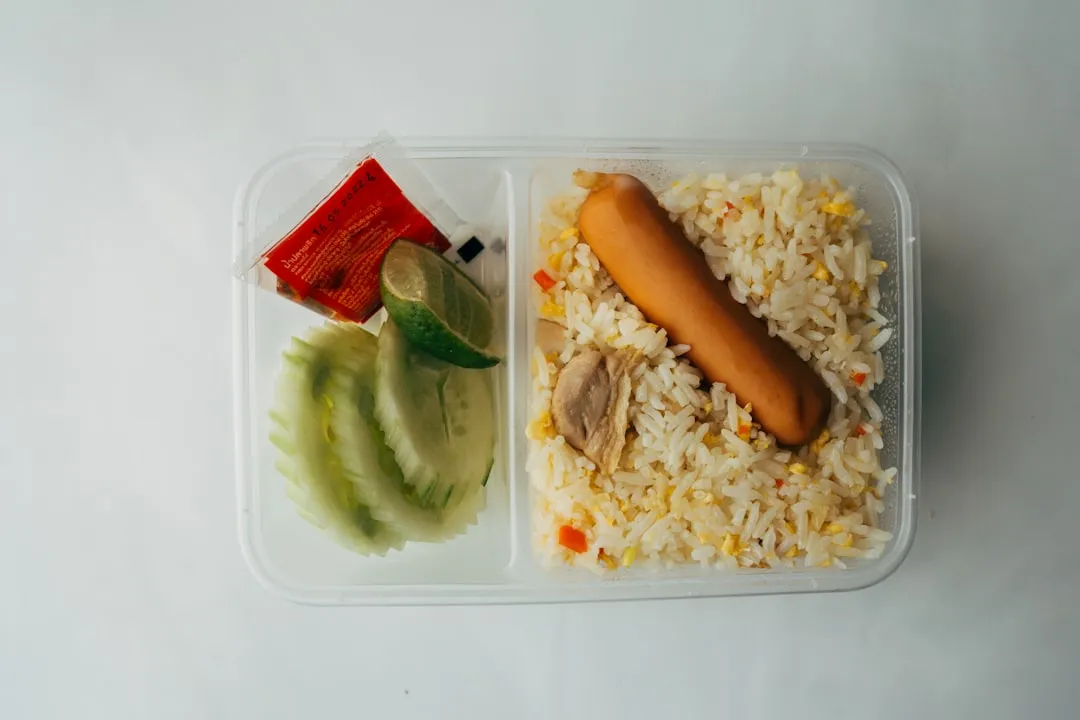
Transform Your Lunch Game: Make-Ahead Ideas That Actually Work
Tired of grabbing the same boring sandwich every morning? When lunch becomes an afterthought, you end up spending more money and eating less nutritiously than you'd like. Smart meal preparation can transform your weekday routine, giving you delicious homemade options that are ready when you need them.
Make-ahead lunches aren't just convenient—they're a game-changer for your budget and health. Many meal preppers create home-cooked meals for $3 to $5 per serving compared to $12 to $20 for takeout. Plus, people who prep meals ahead of time consume 23% more vegetables and 18% less processed food than non-preppers. Most prepared meals stay fresh in your fridge for about a week, giving you plenty of flexibility for the workweek ahead.
This guide tackles both the cost and nutrition challenges by organizing recipes around storage life and reheating success, ensuring your $3-5 homemade meals actually get eaten instead of forgotten in the fridge.
Below, you'll find practical categories and proven strategies that work for busy schedules. Whether you need grab-and-go options or hearty meals that reheat beautifully, you'll discover solutions that fit your lifestyle and taste preferences.
The basics: storage and safety that actually matter
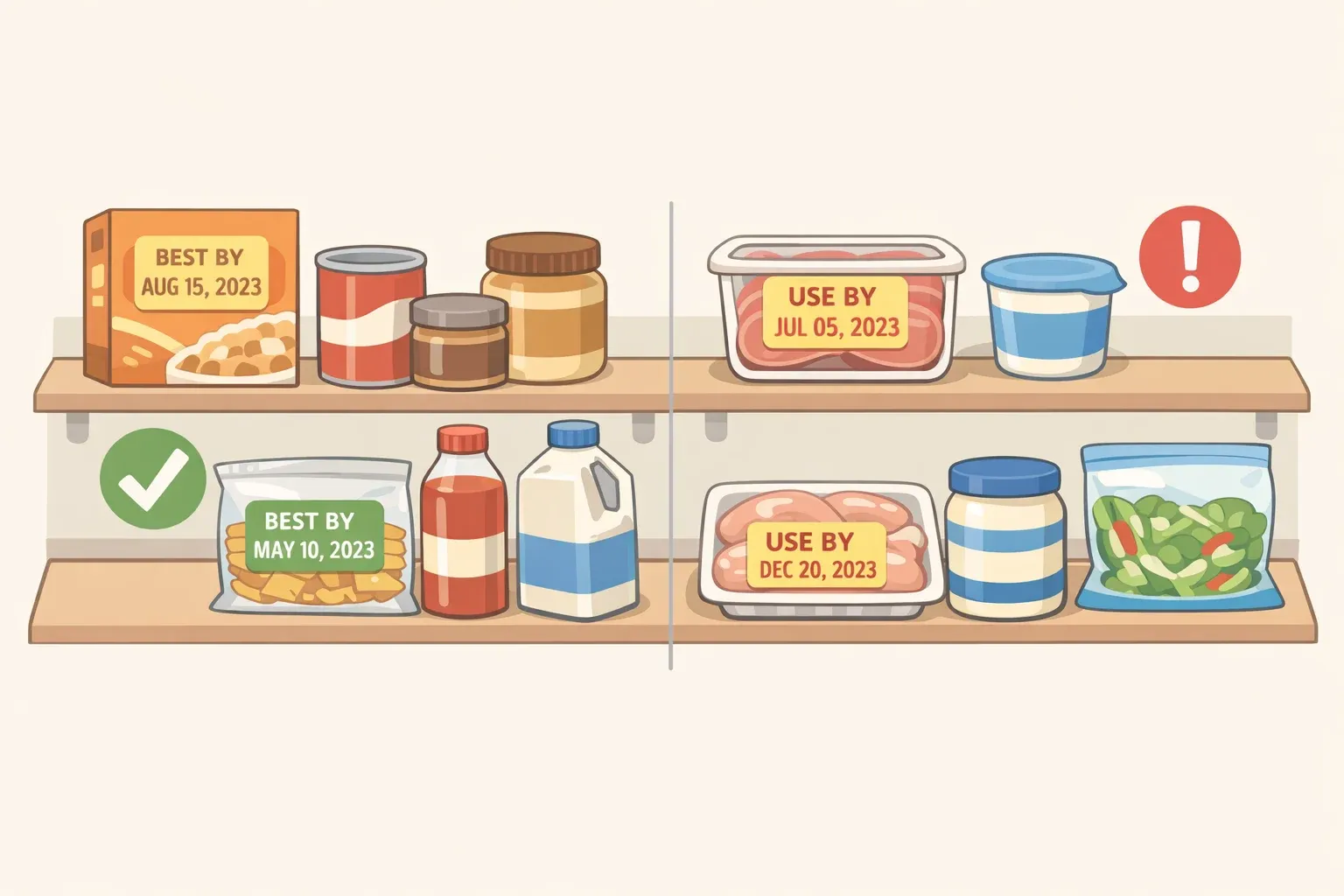
Getting the fundamentals right makes everything else easier. Food safety experts recommend refrigerating cooked foods within 2 hours, storing most cooked meals for 3-4 days, and freezing leftovers for 2-3 months. This timeframe makes Tuesday your natural midweek prep refresh point, preventing food waste while maintaining peak flavor. When reheating, bring proteins to an internal temperature of 165°F for safety.
For longer storage, your freezer extends your options significantly. Most cooked meats can last in the freezer from two to six months. Soups store particularly well in the freezer, and you can split them into single servings to store for up to three months.
Pro tip: When fresh ingredients hit their storage limits, frozen vegetables become your backup plan that's often more nutritious. Research from the University of Chester found that frozen produce is higher in antioxidants and other nutrients than fresh produce. Frozen carrots contain about three times the lutein and twice the beta-carotene, as well as greater levels of vitamin C and polyphenols, compared with their fresh counterparts.
Cold lunch champions: no reheating required
Sometimes you need lunch options that work without access to a microwave. Some people need cold lunches out of necessity because there's no way to reheat at work, while others simply prefer them. These real-life, low-effort lunches actually get eaten—like yogurt parfaits, adult lunchables, and cranberry apple chicken salad sandwiches.
Salad strategies that work: Traditional greens wilt quickly once dressed, but heartier options hold up beautifully. Kale salads can last up to 4 days and get better as they sit and absorb the flavors of the dressing. This texture advantage means you can dress kale salads Sunday night and enjoy peak flavor by Wednesday—something impossible with delicate greens. Build salads with protein-packed ingredients like edamame, black beans, and tofu for staying power.
Protein-packed classics: These protein salads leverage the same principle as hardy greens—ingredients that improve rather than deteriorate when flavors meld. Chicken salad, egg salad, and tuna salad are reliable options, but don't overlook ham as the starring protein. These can be made into sandwiches, wraps, or enjoyed over greens, offering flexibility as your week progresses.
Hot lunch heroes: meals that reheat like magic
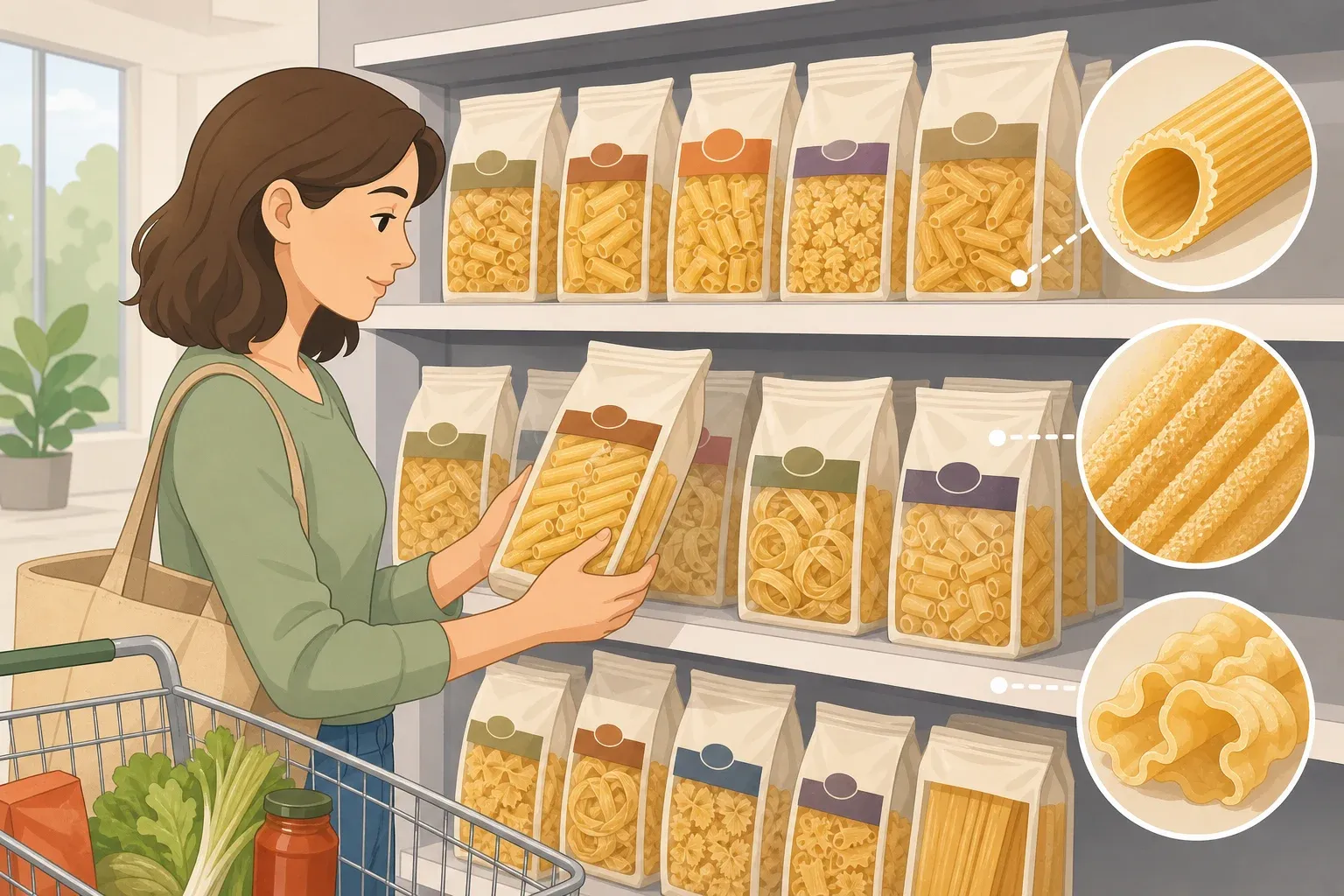
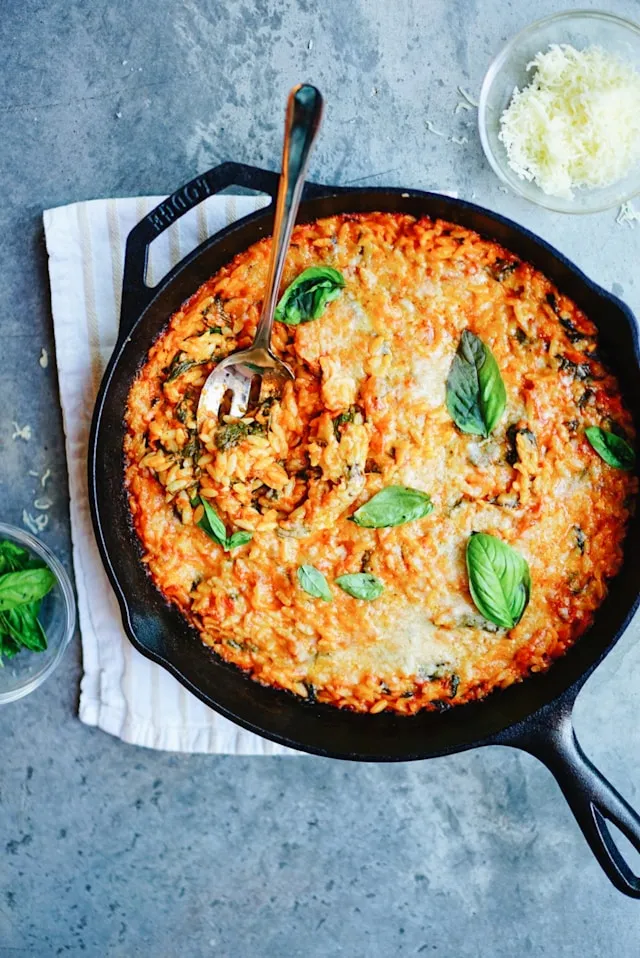
When you want something warm and comforting, certain dishes actually improve after a day or two in the fridge. Most pastas reheat beautifully, making them perfect for batch cooking on weekends. Pasta's starch structure actually helps it retain moisture during reheating, while proteins can become tough, making pasta-forward dishes your most reliable hot lunch option.
Soup superiority: Soups are the ultimate meal prep dish because they can be made in bulk and are endlessly versatile. Most soups can stay in the fridge for about three days or longer if they're not dairy-based. Whether it's a protein-rich vegan chili or a nutty peanut butter and farro soup, these one-bowl meals deliver satisfaction and nutrition.
Grain bowl magic: Like soups, grain bowls improve with time because starches continue absorbing flavors, creating more complex taste profiles than fresh-made versions. Cook grains like quinoa and brown rice according to package instructions—quinoa actually gets better with age, while white rice should be used within three days. Choose hardy vegetables like roasted broccoli, Brussels sprouts, bell peppers, cauliflower, and cabbage for maximum longevity.
Smart reheating tip: The entire bowl can be assembled in the morning or even the night before if you plan to eat it at room temperature, or transport the sauce in a separate container to add after everything else has been reheated.
Quick assembly options: minimal prep, maximum impact
Not every make-ahead lunch requires hours of cooking. No cooking equals way less stress, and these simple assembly meals prove that point perfectly.
The adult lunchable approach: This approach sidesteps the 3-4 day storage limit by using ingredients with longer individual shelf lives—cheese lasts 2 weeks, crackers last months, creating a more flexible timeline. Combine quality ingredients that don't require cooking—think sliced turkey, cheese, crackers, fresh fruit, and nuts. These components stay fresh when stored separately and can be assembled quickly each morning.
Wrap and roll strategies: Wraps travel well and can handle a variety of fillings. The key is preventing sogginess by keeping wet ingredients separate until you're ready to eat, or using a barrier like lettuce leaves between wet and dry components. This storage strategy extends your prep flexibility beyond the standard 3-day window for assembled meals.
Batch-prep components: Unlike complete meal prep, component prep lets you adjust portions based on daily hunger levels and combine ingredients differently throughout the week. Ingredient prep focuses on preparing components rather than complete meals, giving you flexibility throughout the week. Cook a big batch of protein on Sunday, prep your vegetables, and portion out grains—then mix and match based on what sounds good each day.
Making it sustainable: habits that stick
The best meal prep system is one you'll actually use consistently. People who meal prep save an average of 6 to 8 hours every week, but only when they develop sustainable routines that match their lifestyle and energy levels.
Start small and build up: Start with the cold lunch champions—they require less precise timing and forgive storage mistakes better than hot options. Begin by prepping 5 lunches and 3-4 dinners as a first step rather than trying to prep every meal for the week. Define your goal before starting meal prep, such as saving money, eating healthier, or simply reducing daily decision fatigue.
Choose your method: The four main meal prep approaches are batch cooking, ingredient prep, freezer prep, and the hybrid method. If the 3-4 day storage limit feels restrictive, focus on freezer prep and ingredient prep methods that extend your timeline flexibility. Batch cooking involves preparing large quantities of complete meals that are portioned and stored, while ingredient prep gives you more day-to-day flexibility for portion control and variety.
Keep it simple: Focus on the reliable combinations from each category rather than complicated recipes that sound impressive but become a chore to prepare. These are the exact meals to prep when you're short on time or energy—the ones that consistently get eaten instead of forgotten.
Your lunch game just got stronger
With these strategic approaches and practical categories, you're equipped to break free from the boring sandwich routine. Meal prep habits support better health outcomes by controlling portion sizes and reducing processed food consumption, while saving families over $5,800 annually by reducing food expenses and waste. Research shows that meal preppers even lose an average of 6.2 pounds over 12 weeks without specifically trying to diet.
Start with one category that matches your current schedule and kitchen setup, then gradually expand your rotation as you discover what works best for your taste and routine. Remember, the goal isn't perfection—it's progress toward more convenient, nutritious, and budget-friendly lunches that you'll actually look forward to eating.
Your future self will thank you when you open the fridge Monday morning and see a week's worth of delicious, ready-to-grab lunches waiting for you.

Comments
Be the first, drop a comment!