



Are Panera Secret Menu Items Real? A Fact-Checked Guide
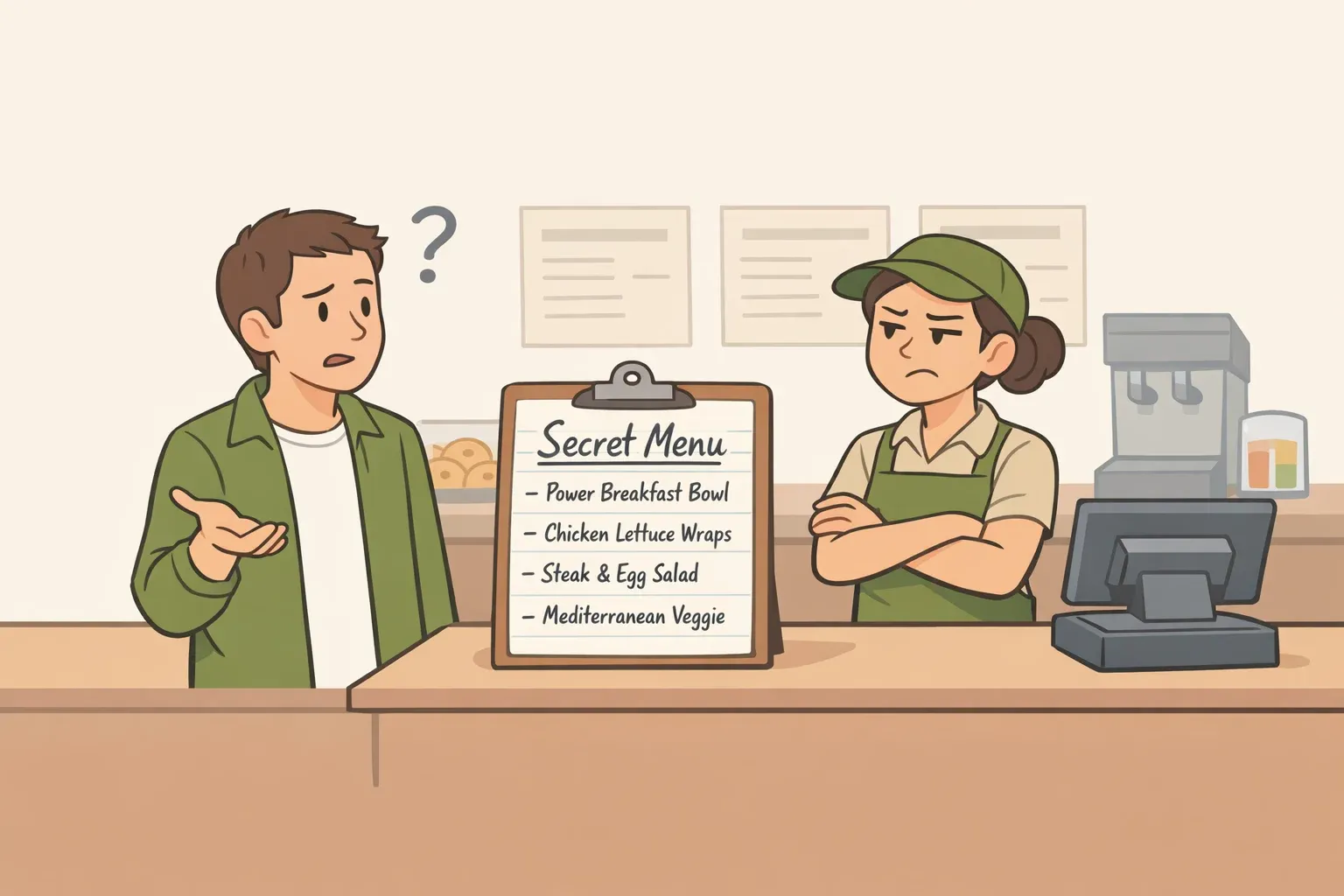
Every few months, a list circulates claiming to reveal what Panera employees order for themselves. Combinations too insider to find on the board, too good to stay hidden. The lists are fun to read. Almost impossible to verify. And attempting most of them at the counter is a reasonable way to get a blank stare and whatever the cashier defaults to.
The premise behind Panera secret menu items doesn't survive much scrutiny. But the more useful story, the one that gets buried under "staff-only" framing, is that Panera's customization options are wide enough to build genuinely good variations without needing any insider access. This piece explains why the secret menu myth persists, what official evidence actually exists, and how to vet any claim you find online before you leave the house.
One caveat up front: the only official source cited here is Panera's publicly hosted Nutrition Guide, which took effect this spring. The research data confirms it exists and is published by Panera, but the full component-level contents aren't available through that data. That constraint shapes everything that follows, and it's worth naming directly rather than papering over it.
Are Panera secret menu items real?
Most claims fit one of two patterns. Either a customer-invented combination accumulated enough shares to pick up a name, or someone noticed that existing ingredients could be assembled in a way that isn't listed as a standalone item. Neither requires special employee access. The "secret" label is a framing device that adds perceived exclusivity to things that are mostly underpublicized variations.
The "staff meal" framing is the more specific pattern worth recognizing. Several circulating lists describe items as what employees eat on break, with no named source, no former-employee account, and nothing checkable. That structure implies insider knowledge while providing zero verification path. It doesn't mean the combination is bad. It means you have no way to confirm it's current, available at your location, or something a cashier will know how to ring up.
Panera's Nutrition Guide is a brand-accountability document, a public record the company chose to publish and host. Any claimed Panera hidden menu item that cannot be traced to current official documentation is, at minimum, unverifiable. That's a lower bar than proof, but it's more than most viral posts provide.
Why "secret menu at Panera Bread" keeps spreading anyway
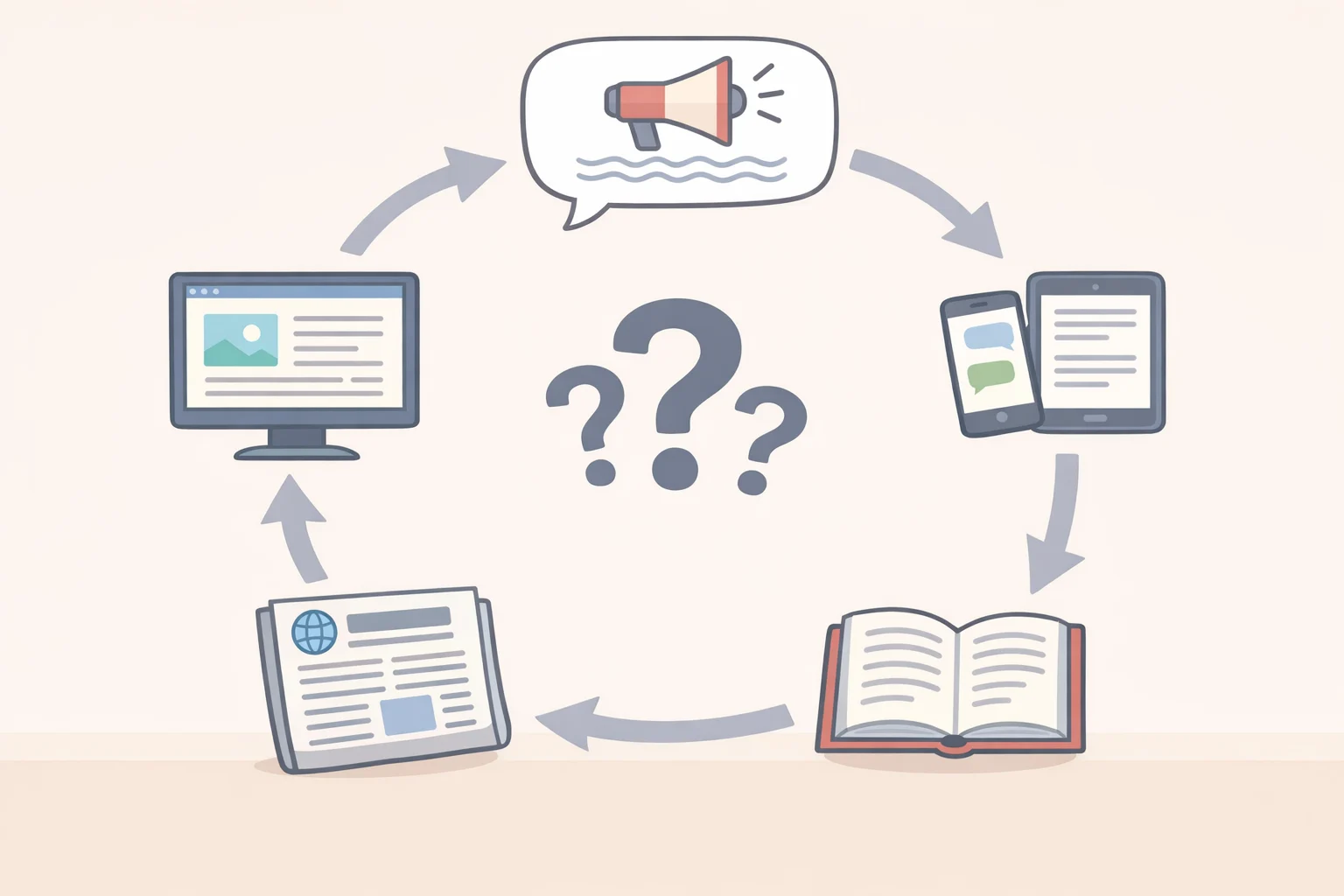
Food sites citing other food sites, with no named employee and no document trail, produce a kind of confidence through repetition. A claim shared enough times starts to read as fact. It isn't.
This is how most "secret menu" roundups work across chain restaurants, not just Panera. A combination gets tried, gets posted, gets aggregated. Three shares later it's described as "what employees actually order." The original source, if there was one, is long gone from the citation chain. The framing survives because it's a better story than "someone asked nicely and the kitchen said yes."
Publishing a list of "verified" Panera off-menu items without access to the full guide contents would repeat that same mistake, just with more hedging in the footnotes. So this piece doesn't do that. What it does instead is give you a faster, more reliable method for evaluating any claim yourself.
How to fact-check a Panera menu hack in under two minutes
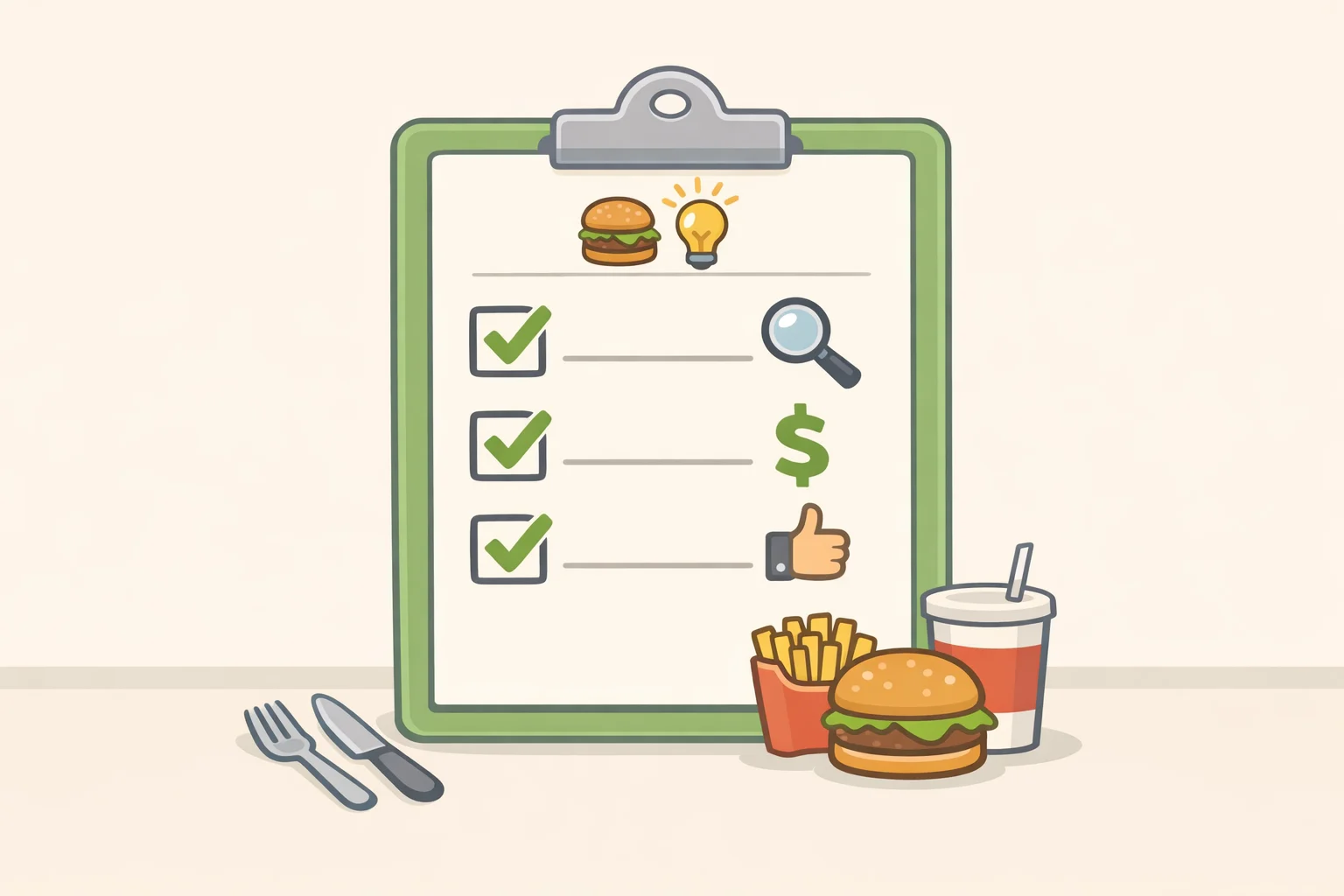
Three questions, asked in order, will resolve most cases before you get in the car.
One: Is the combination buildable in the Panera app? Pull up the base item, open the customization screen, and see what surfaces as selectable options. If an addition or swap appears there, there's a path in the system to make it. If it doesn't appear, that's meaningful. The app check is free, takes ninety seconds, and is more current than any post from six months ago.
Two: Does the original source name a real person with identifiable access? A former employee, a named journalist who visited a location, someone with a verifiable connection to the claim. Or is it a food site citing another food site, no human anywhere in the chain? That second structure is how unverifiable claims accumulate authority they haven't earned.
Three: Does the claimed item require components that appear in Panera's current official documentation? The guide is publicly accessible without a login. If a hack depends on something you cannot locate in any current official source, it may be discontinued, regional, or invented.
Two "no" answers out of three is a reasonable threshold for calling ahead rather than just showing up and hoping. The app check is the fastest first filter. It's not a guarantee since regional variation exists, but it beats trusting a viral post.
How to order Panera customizations that actually work
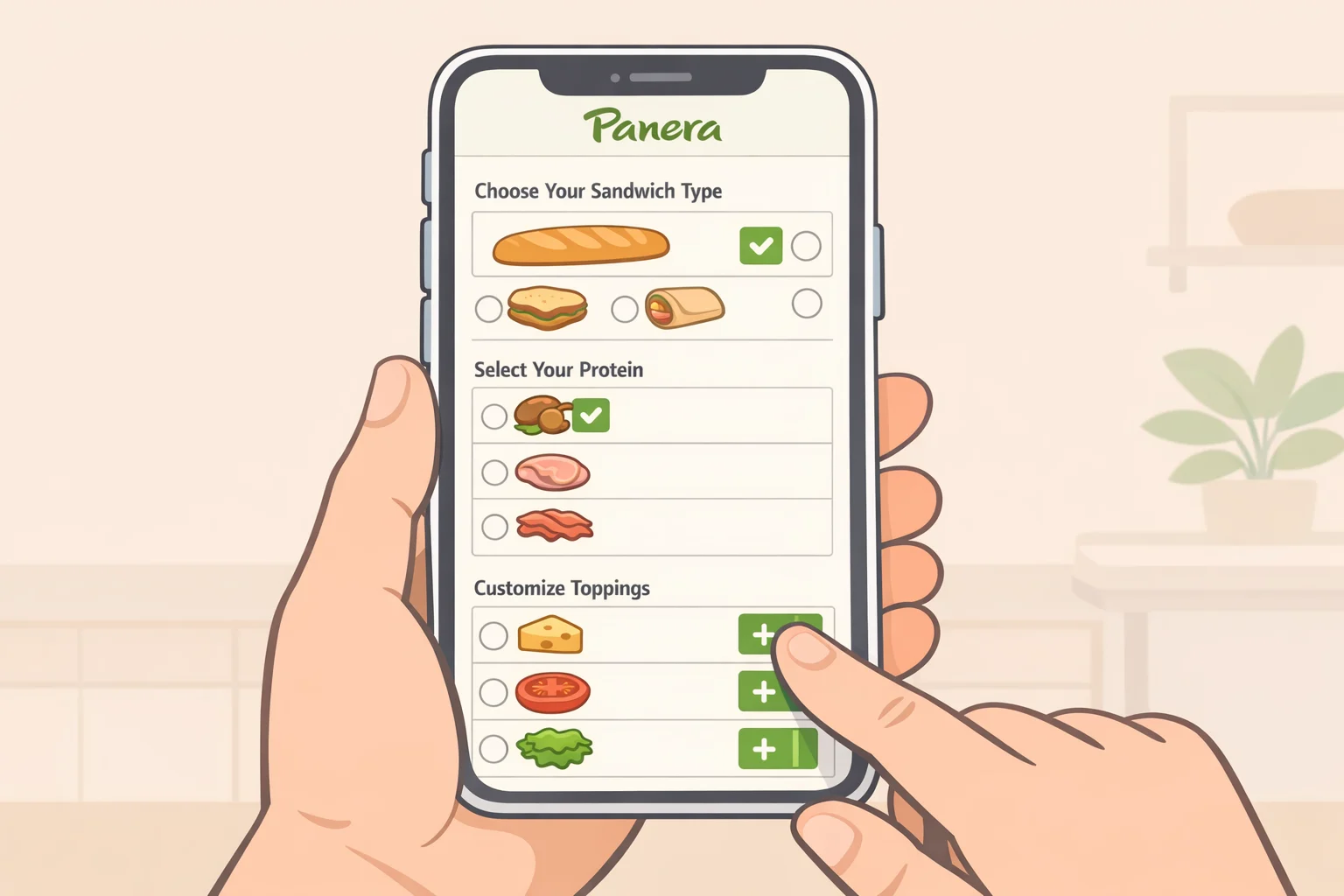
The most useful shift when ordering something off-menu is to drop the hack name entirely. Asking for "the thing I saw on TikTok" depends on whether the employee has seen the same content. Naming the base item and the specific modification you want is a kitchen instruction that works regardless. Use whatever label appears on the Panera menu or app, since those are the terms the system recognizes.
A few principles hold across any customization request, regardless of whether a specific combination has gone viral.
App-built orders reduce friction. A modification placed digitally before you arrive is less likely to require explanation at the counter, particularly during a lunch rush. If the app supports building what you want, build it there and confirm the price before you commit.
Cross-category requests need a call ahead. Asking the kitchen to combine components from separately prepared items is a bigger ask than swapping one included ingredient for another. Whether a given location can execute that during peak service is a real question worth a two-minute phone call.
Add-on versus substitution affects the total. When a modification registers as adding a separately priced item rather than swapping an included one, the total changes. The app usually shows which applies before you commit.
None of that is insider knowledge. It's how chain restaurant customization works when you approach it as a kitchen logistics question rather than a secret access problem. The "staff-only" framing obscures something genuinely useful: building a good custom order is mostly about understanding what the system can execute, not knowing a password.
The one thing the evidence actually supports
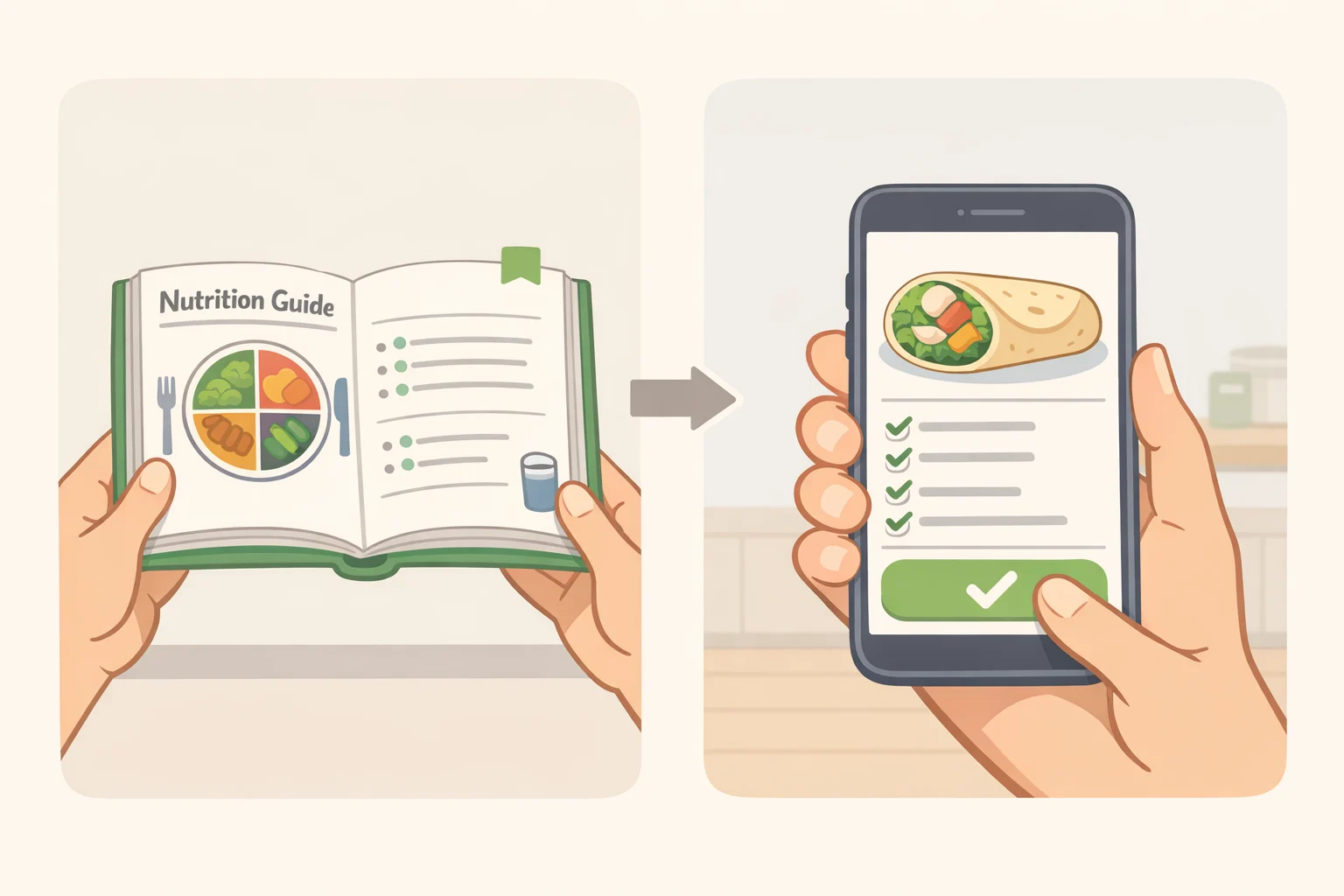
Ignore the "staff-only" label. Confirm what you want in the app. Order by the name of the item and the specific modification, not by whatever the hack is called on the post where you found it.
Panera publishes a Nutrition Guide, currently in its first edition and in effect since this spring, hosted on panerabread.com without a login requirement. The full contents aren't available in the research behind this piece, which is itself a useful data point: if a brand-published document can't be verified at the component level through available research, a years-old Reddit thread certainly can't be either.
The guide is still worth opening directly. If you want to experiment with custom orders and want something more reliable than a circulating list, start there and use the app to test what you find. That two-step process, official documentation plus app confirmation, is more current and more reliable than any roundup that hasn't named a source.



Comments
Be the first, drop a comment!