



Save on Groceries: 4 Powerful Apps That Actually Cut Your Bills
Getting your grocery bills under control might seem impossible with today's prices, but there's a tech-powered solution that's been saving shoppers serious cash. Mobile apps designed for grocery savings have transformed how we approach food shopping, turning every trip into an opportunity to cut costs without sacrificing quality.
The traditional approach of clipping paper coupons and hunting through weekly circulars has evolved into something far more powerful. Smart shoppers now leverage technology to track deals, earn cashback, and optimize their spending with just a few taps on their phones. Most people who adopt these digital strategies report saving between 15-20% on their monthly food bills within the first month, according to Trovia Magazine. With the average household spending $5,703 annually on groceries, according to the U.S. Bureau of Labor Statistics (Consumer Expenditure Survey, 2022 'food at home'), even a 15% reduction translates to over $850 back in your pocket each year - enough to offset rising food costs and free up money for other priorities.
Why cashback apps are game-changers for grocery budgets
Modern cashback applications have revolutionized the way we save on everyday purchases by rewarding shoppers for buying items they already need. These platforms work by offering rebates on specific products, which you can claim by uploading your receipt after shopping. The beauty lies in their simplicity - you shop normally, snap a photo of your receipt, and receive money back directly to your payment account.
The Aisle app exemplifies this new generation of grocery savings tools, providing cashback for purchases at major retailers including Whole Foods, Wegmans, Target, Kroger, Walmart, and 7-Eleven, according to Food & Wine. Released in 2021, this platform focuses on retailer-specific rebates for grocery and personal care products, as noted by Yahoo Lifestyle. One user reported saving nearly $50 in a single month using the app, according to AOL. What sets Aisle apart is its straightforward approach - there's no complex points system, and payments typically arrive within 24 to 72 hours via Venmo or PayPal, as reported by the New York Post.
The key advantage of these apps lies in their ability to turn routine purchases into profit centers. Unlike traditional couponing that requires finding deals for products you might not need, cashback apps let you earn money on items already in your cart while discovering quality brands at reduced cost.
Setting up your money-saving grocery tech stack
Creating an effective digital savings system starts with choosing the right combination of apps and setting them up properly. Focus on selecting two to three well-reviewed applications rather than overwhelming yourself with too many options, suggests Medium contributor Karen Snow. Popular choices include Rakuten, Ibotta, and Checkout 51, each offering different advantages for grocery shopping.
The setup process typically involves creating an account with your email and linking payment details for cashback deposits. Enable notifications to stay alert about new offers and time-sensitive deals, as recommended by cashback experts. Most major grocery stores now offer their own apps with exclusive digital coupons that aren't available elsewhere, according to Lemon8. These store-specific apps often integrate seamlessly with loyalty programs, allowing you to stack savings from multiple sources.
For maximum efficiency, start by downloading your primary grocery store's app first, then add one general cashback app like Ibotta or Aisle. This prevents you from getting overwhelmed while still maximizing your savings potential. When setting up location permissions, allow apps to access your location - this ensures you see relevant local deals and store-specific offers that match where you actually shop.
Maximizing your savings with strategic shopping
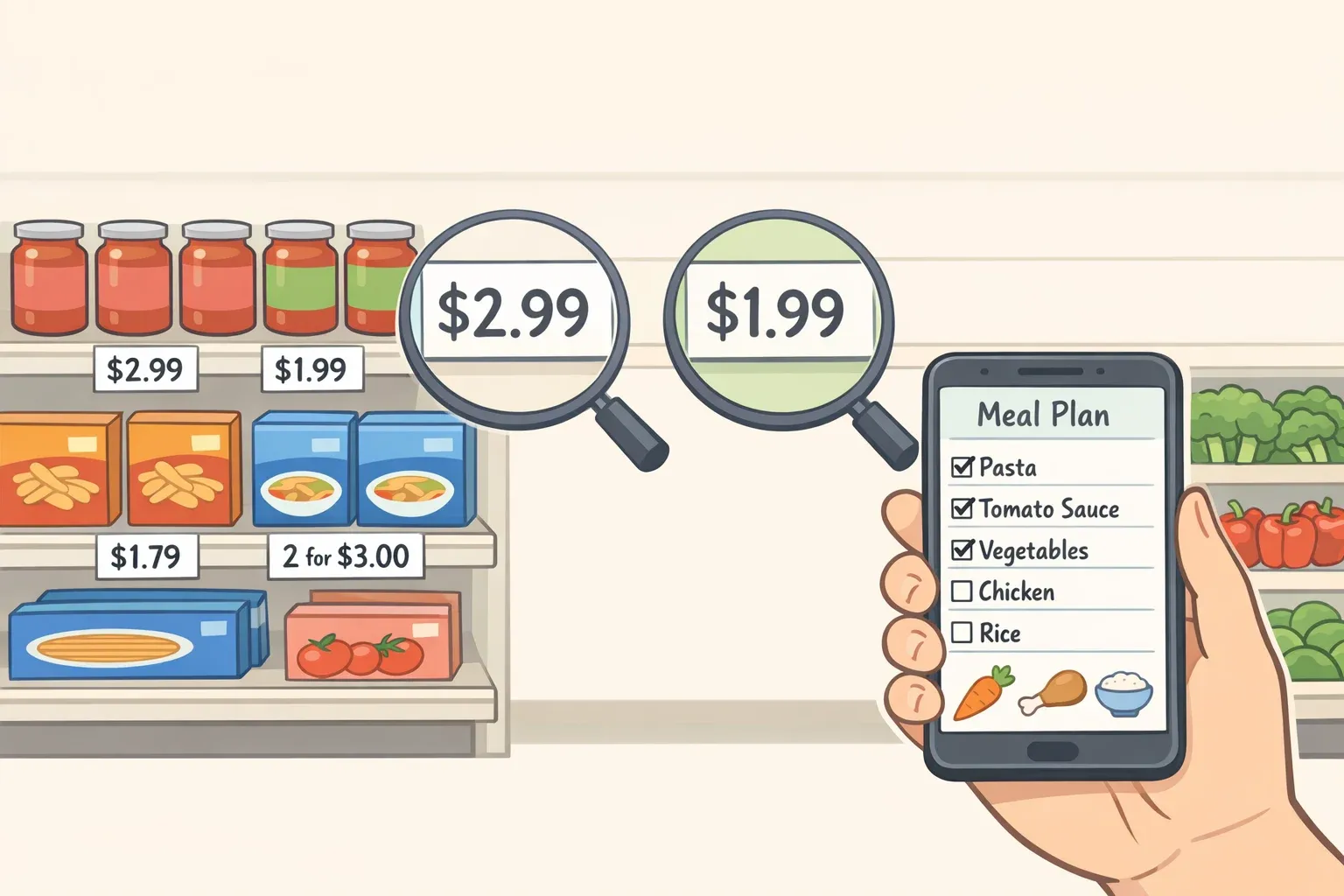
The key to substantial grocery savings lies in strategic planning rather than random deal-hunting. Start by creating your essential shopping list with items like bread, milk, and eggs, then check your cashback apps to see what additional products offer rebates, suggests cashback expert Karen Snow. This approach prevents impulse purchases while maximizing your earning potential.
Stacking offers becomes crucial for serious savings - combine store sales with app rebates and loyalty program benefits for maximum impact, according to Medium's practical guide. Apps like Fetch allow you to earn points by shopping and scanning receipts, which convert into gift cards for groceries, as noted by The Takeout.
Strategic timing can significantly boost your savings. Many stores run predictable sale cycles - for example, meat often goes on sale during the first week of the month, while produce deals peak mid-week. Patience often pays off when better deals appear later, suggests the Medium guide. Consider checking apps on Sunday evenings to plan for the upcoming week's deals, and set reminders to browse offers before leaving for the store.
Brand-specific rebates deserve special attention since they often offer higher percentages than general cashback platforms, especially during product launches or seasonal promotions, according to grocery savings experts. These manufacturer deals can often be combined with store sales and app rebates for triple savings.
Beyond apps: building a complete money-saving system
While apps provide excellent savings opportunities, they work best as part of a comprehensive approach to grocery budget management. Smart money saving starts with structure rather than hunting for every sale, according to PlanEat AI. The most effective strategies include planning a basic weekly menu, checking existing pantry items before shopping, and using grouped grocery lists.
The USDA estimates that the average American family of four throws away $1,500 worth of food annually, as reported by Thryve Digest, making waste reduction a crucial component of any savings strategy. Switching to a smart grocery system can dramatically cut this waste, notes Trovia Magazine. To bridge the gap between digital tools and smart planning, create a simple inventory system where you photograph your pantry before shopping - this prevents duplicate purchases and helps you build meals around what you already have.
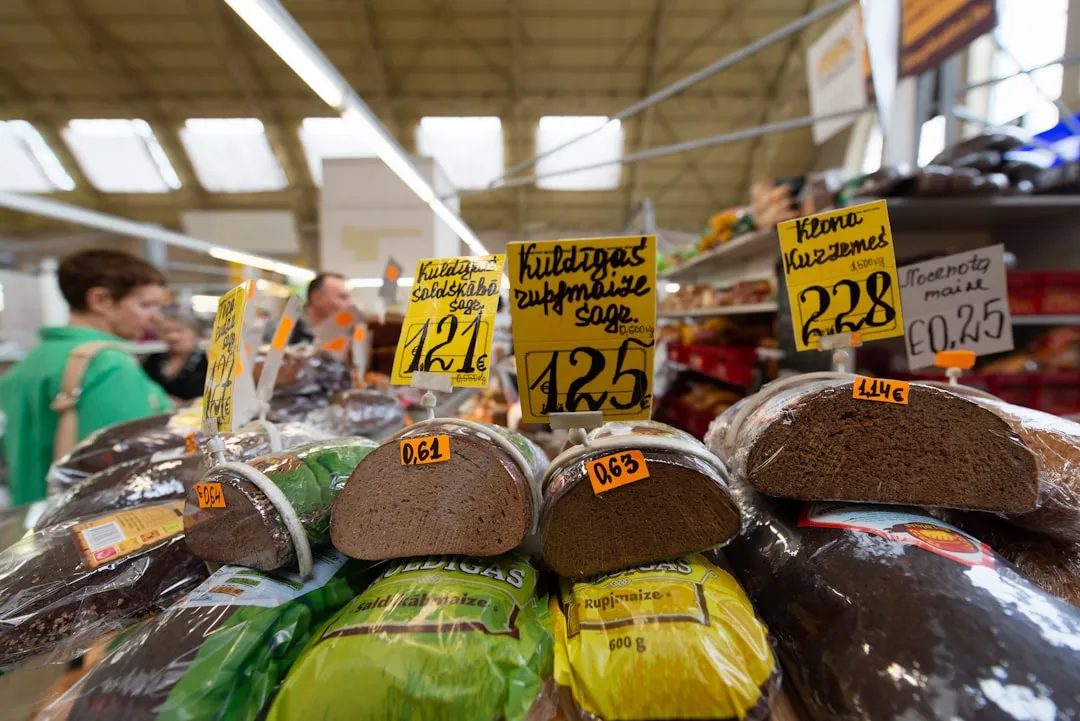
Consider shopping at different store types strategically - you might find lower prices at farmer's markets for organic eggs and at smaller international stores for meats and produce, suggests NPR's grocery guide. Store brands now rival national labels in quality, with Consumer Reports finding that 64% of U.S. shoppers prefer store-brand products for pantry staples, according to Thryve Digest.
The most successful money-savers combine traditional strategies like meal planning around sales with modern tools like price-comparison apps and digital coupons. They understand that saving money on groceries involves both reducing costs and eliminating waste through better planning and flexible meal preparation.
Ready to transform your grocery spending?
The combination of strategic app usage and smart shopping habits can deliver substantial savings without requiring extreme couponing or hours of deal-hunting. Most people find that switching to technology-enhanced grocery systems saves them 15-20% on monthly food bills within the first month, according to Trovia Magazine. Even small changes in approach can double or triple your savings when you plan meals, use digital rebates, and shop strategically, notes ENT's savings guide.
The key lies in consistency - regularly checking your cashback accounts and tracking total savings provides insight into spending habits over time, suggests the Medium guide. Start small by downloading one or two highly-rated apps, setting up notifications for deals, and integrating them into your next shopping trip.
Success with grocery savings apps isn't just about the money you earn back - it's about developing smarter shopping habits that compound over time. Every penny counts, and discovering new strategies for optimized spending can be incredibly fulfilling while making grocery shopping more engaging, according to cashback experts. The technology is already in your pocket, and once you establish the habit of checking apps before shopping, the savings become almost automatic, turning every grocery run into an opportunity to keep more money in your account while discovering quality products at better prices.













Comments
Be the first, drop a comment!