



Reviewed by: Y. Garcia
Difficulty: Novice
Time: 45 minutes to plan, 7 days to execute
Cost: ~$200-$400 (depending on your menu size)
Why You'll Like This
Got 45 minutes to plan? Use it. This week-long timeline turns Thanksgiving from chaos into calm. Hosting can feel overwhelming, yet a few small tasks each day shift the whole mood. Professional chefs know the secret is not fancy techniques, it is strategic preparation (Serious Eats reports).
Instead of panic-cooking eight dishes on Thursday morning, you will spend about two hours on final assembly. Guests walk in to buttery, herby aromas. You look relaxed. Imagine that.
What You'll Need
Materials
Master grocery lists divided by category
Sticky notes for labeling serving dishes
Storage containers and zip-top bags
Aluminum foil and plastic wrap
Tools
Kitchen timer or phone alarms
Instant-read thermometer
Large roasting pan
Multiple sheet pans and casserole dishes
Slow cooker, optional but helpful
Safety First
Verify oven calibration with a probe thermometer before the big day
Follow USDA thawing guidelines, 24 hours per 4-5 pounds of turkey
Keep perishables refrigerated and use within safe timeframes
Label all prepared dishes with contents and date
Why start a full week ahead?
Smart hosts begin long before Thursday morning. Experts recommend starting at least a week in advance (Good Morning America suggests) to avoid last-minute panic. The trick is knowing what can be done early and what must wait.
Restaurants prep stocks on Monday for Friday service. You will make turkey stock on Monday for Thursday gravy. Professional kitchens run on detailed timelines for a reason — they use mise en place, everything in place, and set stations to prevent chaos during service.
Work backward from your dinner time and spread tasks across the week. That means chopping vegetables on Tuesday, not at 10 a.m. Thursday. Oven space opens up when dishes are pre-assembled. Stress drops because every task has its day. Why do it all at once when you do not have to?
Steps
Saturday: Deep clean and strategic planning, one week out
Do a massive fridge cleanout and kitchen reset. Clear expired items and make room for incoming groceries and make-ahead dishes (How Sweet Eats recommends).
Tip: A less packed fridge cools your food better (Good Morning America notes).
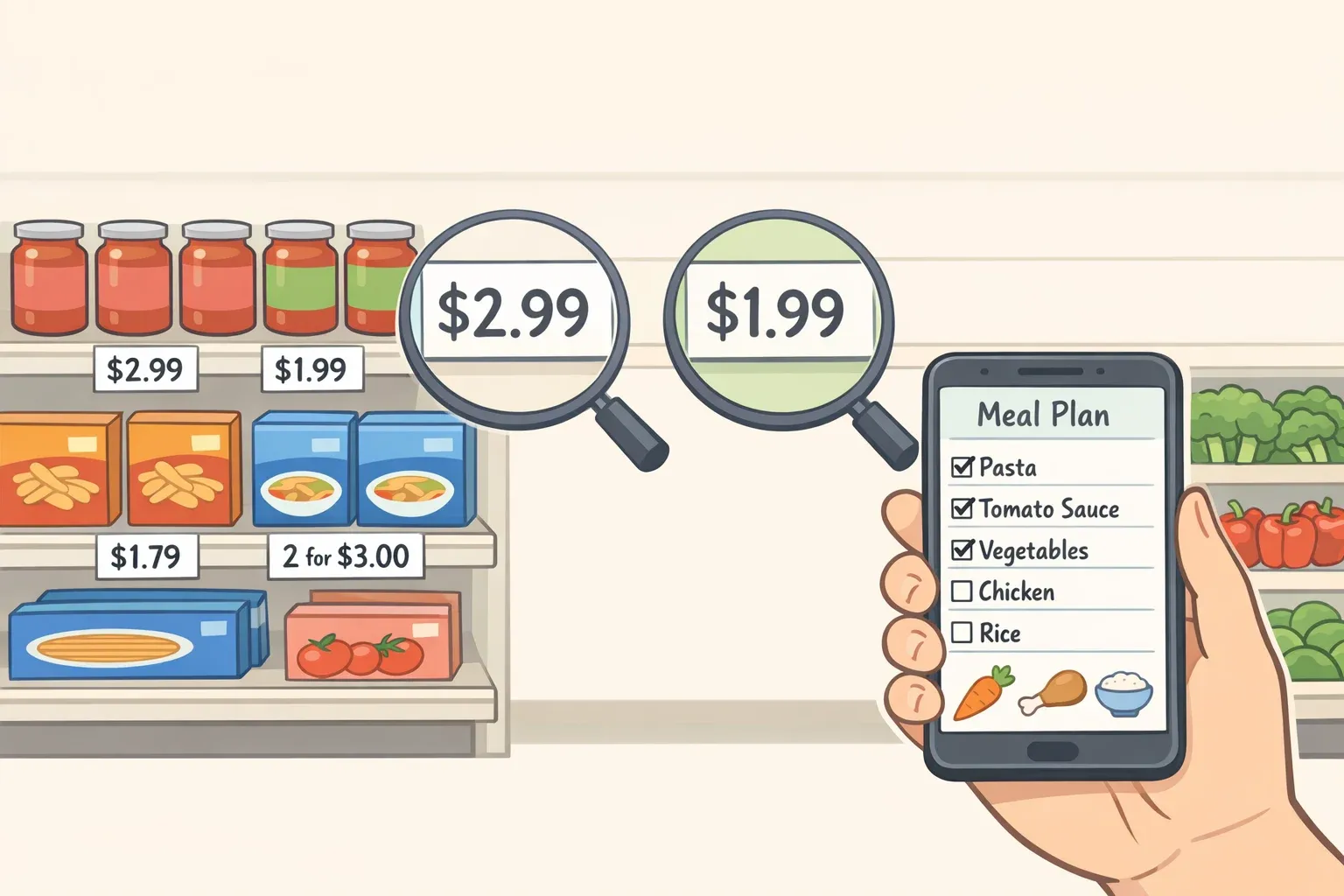
Sort your master shopping list by category. Group non-perishables, semi-stable ingredients like potatoes and squash, and fresh items like herbs and dairy you will buy closer to Thursday. Fewer trips, fresher food.
Clear your schedule. Pay bills, wrap up work, finish appointments. Give yourself mental and physical space for the week.
Stage your serving dishes with labels. Set out platters and bowls with sticky notes for each dish (Good Morning America notes). No Thursday morning guessing.
Sunday: House prep and table setting
Knock out non-cooking chores. Deep clean guest areas and tidy up where people will gather. Keep cooking time for cooking.
Set the table now, thank yourself later. Plates, glasses, silverware, napkins, simple centerpiece. Waking up to a ready table feels like a win (Serious Eats suggests).
Shop for semi-stable ingredients and pick up the turkey. Think root vegetables, dairy with longer dates, and your bird if you ordered fresh.
Finish admin. Confirm guest count and lock in any borrowed platters, extra chairs, or equipment.
Monday: Turkey prep and foundational cooking
Dry-brine the turkey. Mix your brine, season the bird, and leave it uncovered in the fridge (How Sweet Eats details).
Why it works: Salt draws out moisture, dissolves, then gets pulled back in with seasoning. Juicier meat, crisper skin.
Make homemade turkey stock for standout gravy. It mostly simmers on its own, and the flavor bump over store-bought is huge.
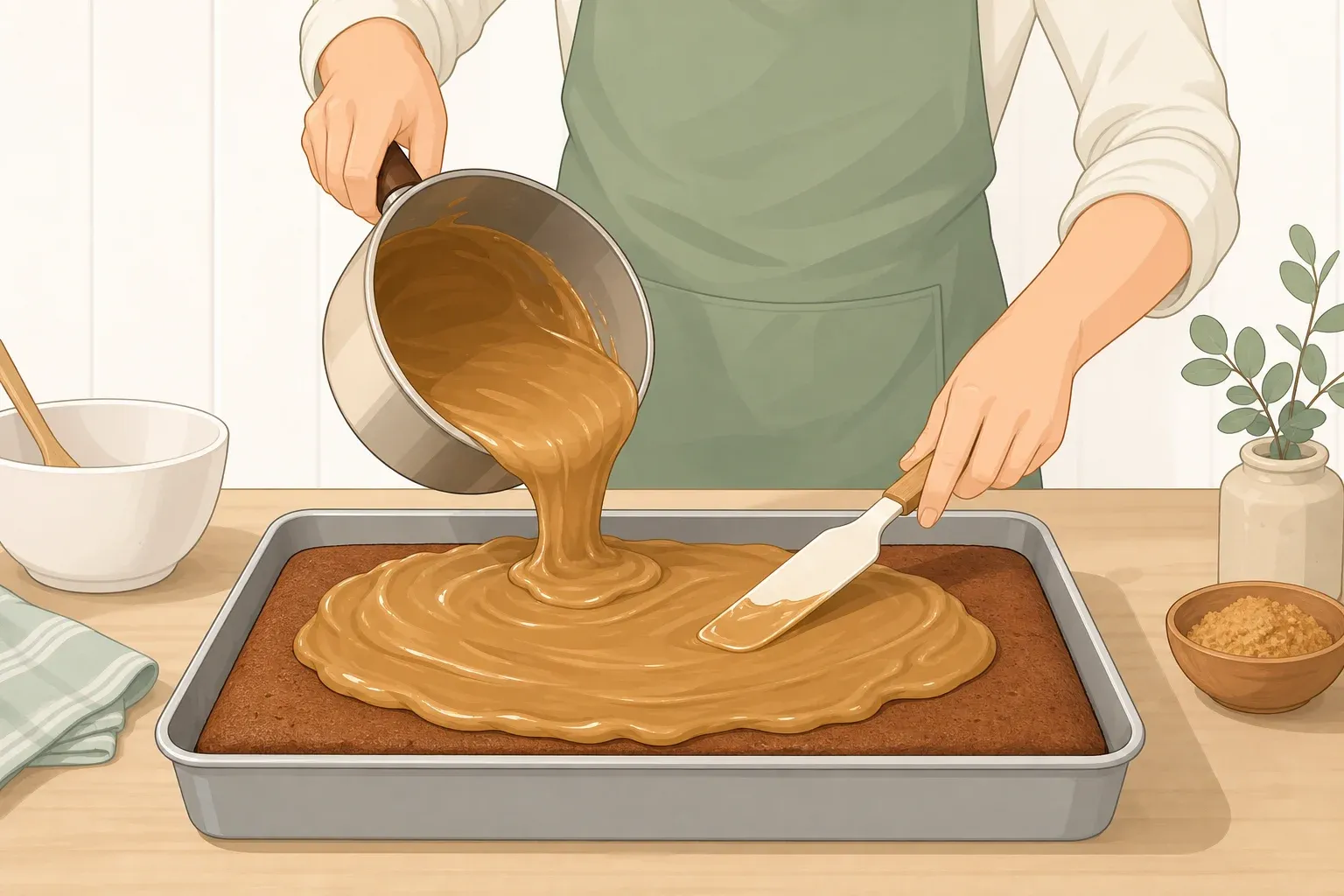
Bake desserts that improve with time. Chocolate pecan pie bars or pumpkin dream cake hold well and taste better after chilling. Zero Thursday dessert stress.
Tuesday: Strategic casserole assembly and sauce making
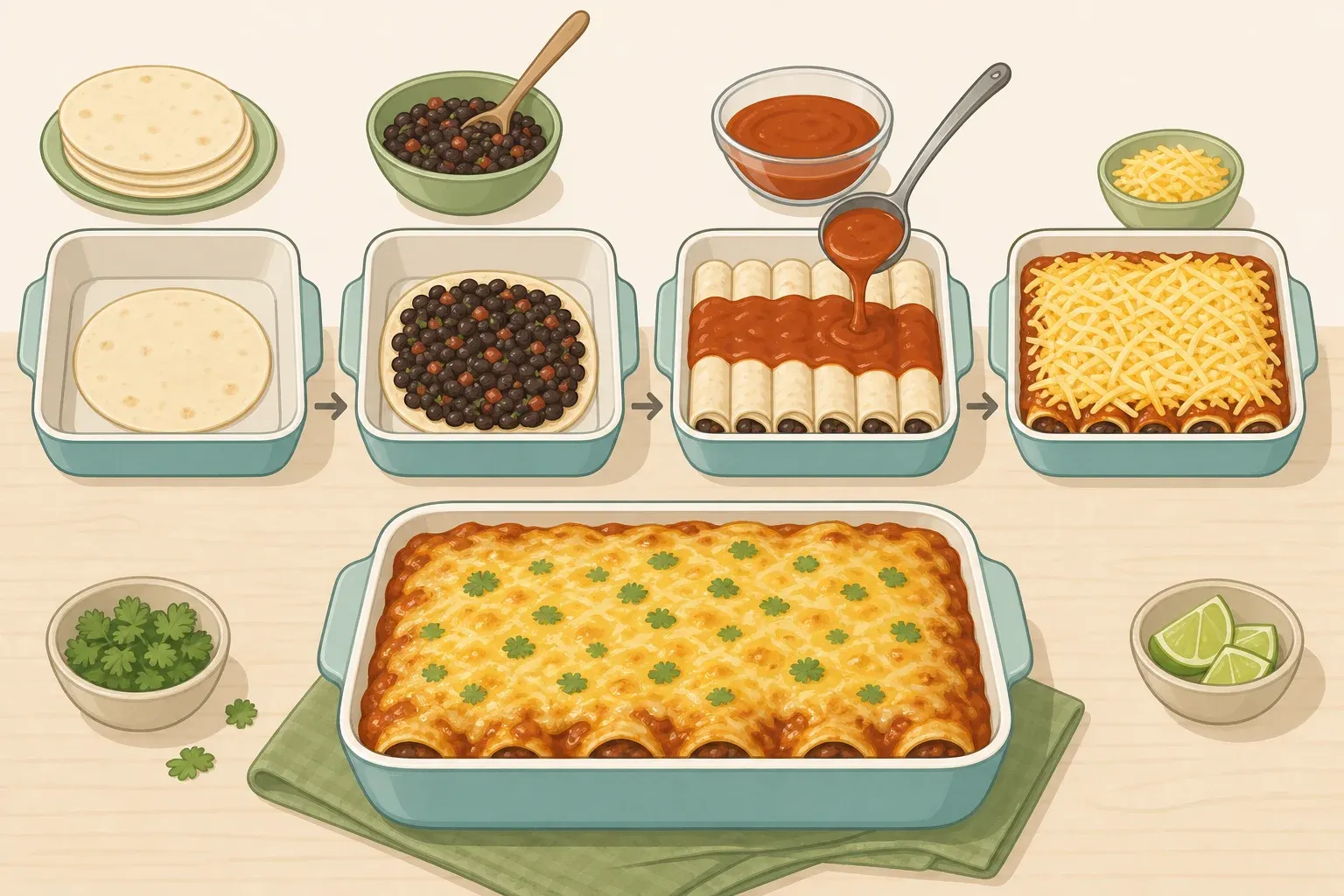
Build your big sides. Assemble sweet potato bake and green bean casserole completely, do not bake yet (How Sweet Eats explains). Cover, refrigerate, and they are ready for Thursday.
Make cranberry sauce so flavors can bloom. It lasts at least a week and tastes better after it sits (Serious Eats confirms).
Finish dessert components. Wrap up cakes, bars, or other make-ahead sweets that benefit from a rest.
Prep stuffing components like a pro. Sauté the veg, store in jars in the fridge, and keep dried bread in the baking dish. Classic mise en place.
Wednesday: Final preparations and mise en place completion
Do the last, tiny grocery run. Only true stragglers, not major ingredients.
Peel potatoes and store in cold water in the fridge. No browning, no Thursday peeling rush.
Bake dinner rolls. They reheat beautifully on Thursday (Serious Eats notes). Once cooled, wrap them for best texture later.
Close down the kitchen. Clean everything and run the dishwasher before bed. Start Thursday with a clear deck.
Thursday morning: Professional execution and timing cascade
Temper the turkey. Take it out of the fridge 90 minutes before cooking so it cooks evenly. No cold spots.
Prep the bird and set your oven schedule. Mix your basting setup, stuff if you like, and get the turkey into the oven at your planned time (How Sweet Eats provides specific timing). A 15-pound turkey takes approximately 4 hours, build in wiggle room.
Use every appliance. Set phone alarms for hourly basting while you make mashed potatoes. Hold potatoes warm in a slow cooker to free the stovetop.
Manage temperature for efficient reheating. Pull casseroles from the fridge 2-4 hours before reheating so they warm through evenly. Prep fresh items like salads during this window.
Final hour: Professional assembly and service
Check temps and rest the turkey. Aim for 165°F in the breast and 170-175°F in the thigh, then rest 30-45 minutes (America's Test Kitchen specifies).
Use the resting window. Bake casseroles, whisk gravy from pan drippings, and reheat rolls. One task unlocks the next.
Set for service. Toss salads, fill water glasses, lay out serving spoons. Guests get great smells, hot food, and a calm host.
Cleanup & Disposal
Wash prep containers as you go to avoid a mountain on Thursday
Store leftover ingredients properly for use beyond Thanksgiving
Set out guest takeaway containers ahead of time — everyone loves leftovers
Compost vegetable scraps when possible and dispose of turkey bones according to local guidelines
Troubleshooting
Problem: Turkey thawing slower than expected → Fix: Use cold water bath method, changing water every 30 minutes for faster thawing
Problem: Limited oven space for reheating → Fix: Utilize slow cooker for mashed potatoes, air fryer for roll reheating, stovetop for gravy
Problem: Casserole too cold for efficient reheating → Fix: Remove from refrigeration 2-4 hours before oven time to reach room temperature
Variations & Upgrades
Smaller gathering: Keep the timeline, scale quantities down
Beginner-friendly approach: Focus on 3-4 signature dishes and delegate appetizers or desserts to guests
Advanced execution: Add homemade stock, fresh bread baking, and multiple dessert options within the same timeline
Why it works: The schedule mirrors a professional kitchen by spreading tasks across days so no single day explodes. Monday's stock becomes Thursday's gravy, Tuesday's casserole assembly turns into a 20-minute reheat, and Wednesday's rolls just need warming.
Some dishes improve with time, like cranberry sauce and desserts, others hold quality when made ahead, like casseroles and rolls, and a few deserve same-day attention, like turkey and mashed potatoes. Follow the flow and Thanksgiving shifts from a marathon to an organized, genuinely enjoyable meal where you can sit, eat, and breathe.





Comments
Be the first, drop a comment!