


Authentic vodka sauce recipe: restaurant-style results at home
Make this once and jarred vodka sauce becomes hard to justify. This authentic vodka sauce recipe builds on a single Italian pantry ingredient passata that most home cooks overlook, plus two technique decisions that separate a glossy, restaurant-style result from the kind that pools at the bottom of the bowl. Dinner on the table in about 35 minutes.
Vodka sauce returned to prominence largely on the strength of Carbone's spicy rigatoni, which turned an Italian-American staple into something people actively try to recreate at home, per Serious Eats earlier this year. The problem is that most homemade versions are built on the wrong tomato foundation. When America's Test Kitchen systematically tested variations in 2024, they found that tomato paste as the sole base produced sauces that tasted "one-note and concentrated" the brightness that cream needs to stand against simply wasn't there.
Passata fixes that. Two technique upgrades reinforce it: using vodka in the right quantity so it amplifies rather than dominates, and finishing the pasta in the sauce with starchy cooking water to build a proper emulsion.
What you'll need before you start: A wide skillet or large sauté pan, a large pot for the pasta. Ingredients: passata (Mutti or Cento in tall glass bottles), one small can of tomato paste, heavy cream, vodka, unsalted butter, shallots, garlic, Parmigiano-Reggiano, red pepper flakes, and rigatoni or penne.
Can't find passata? Blend a 28-oz can of whole peeled tomatoes until smooth and strain through a fine-mesh sieve. It adds about 5 minutes and a blender to clean, but the result is functionally equivalent closer to fresh than any pre-cooked American purée.
Why passata is the right base for Italian vodka sauce
Passata is a smooth, strained tomato purée, free of skins and seeds, traditionally made with peak-season tomatoes and sold in tall glass bottles. It's minimally processed typically unseasoned aside from a touch of salt and left largely raw rather than cooked down (Serious Eats, last year). That matters here.
Unlike American-style tomato purée, which is cooked until thick and sweet with a stewed-tomato character, passata is brighter, lighter, and far more reminiscent of fresh tomatoes (Serious Eats, last year). Its natural sweetness and acidity are already in balance, so it needs little correction. A vodka sauce needs that acidity to hold its own against heavy cream; ATK's testing confirmed that passata's "fresh, clean" brightness is "essential to stand up to the heavy cream" in the finished sauce (America's Test Kitchen, 2024). Tomato paste alone fills the pot with concentrated sweetness instead.
A small amount of paste still belongs in the recipe. ATK used it alongside the passata to layer in additional umami (America's Test Kitchen, 2024), but it's a supporting role, not the foundation.
Passata has become genuinely accessible. Brands like Mutti and Cento have expanded into mainstream grocery stores over the past several years, no longer confined to specialty importers (Serious Eats, last year). Look for the tall glass bottles.
One note on origins: pasta alla vodka is Italian-American, with its roots traceable to at least the 1974 Italian cookbook L'abbuffone (America's Test Kitchen, 2024). Using passata isn't a claim of ancient tradition. It's the application of Italian pantry logic bright, restrained, quality-ingredient-forward to a dish that has always lived at that border.
Authentic vodka sauce recipe: step-by-step method
Step 1: Soften the aromatics
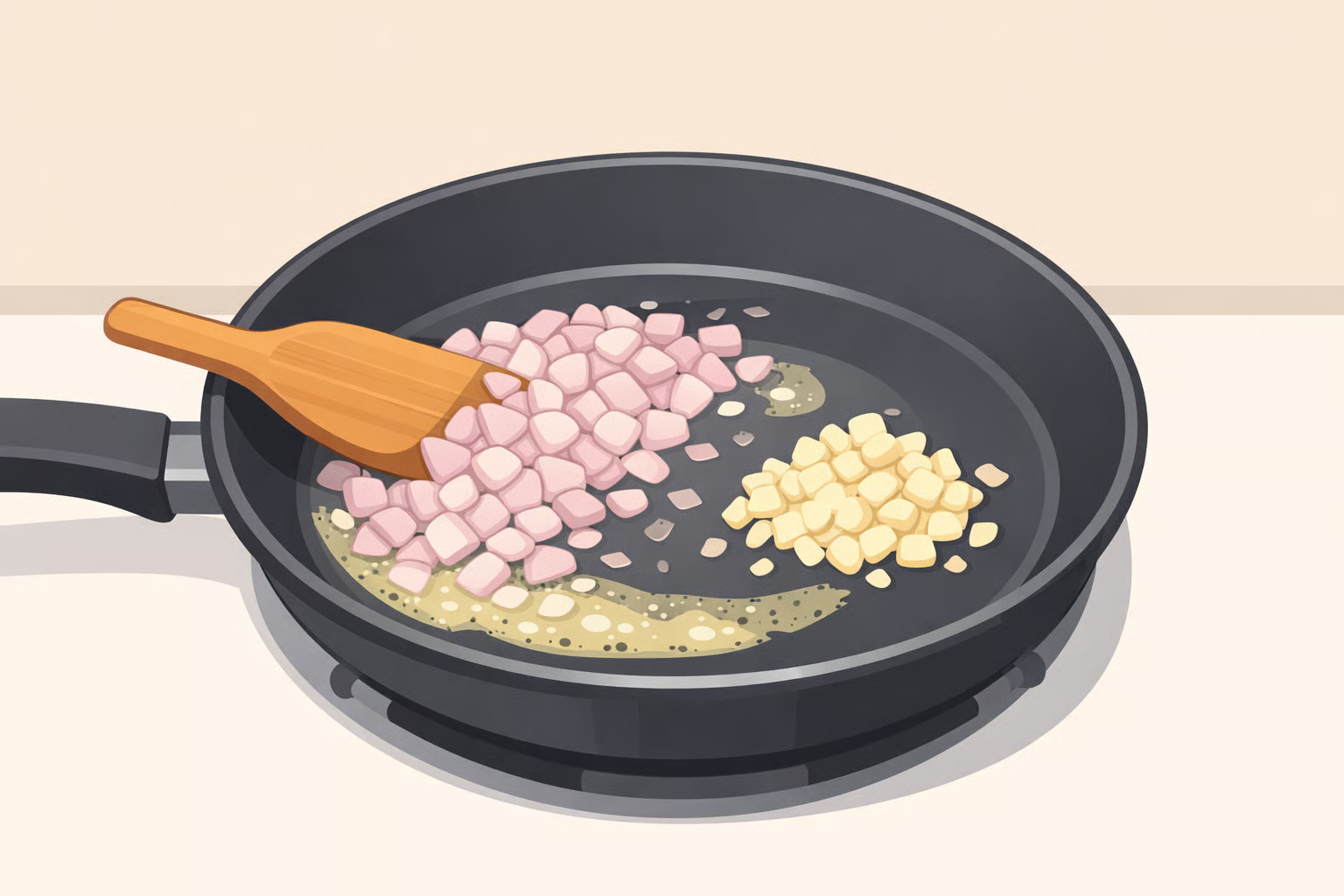
Melt 2 tablespoons of unsalted butter in a wide skillet over medium heat. Add 2 finely minced shallots and cook, stirring occasionally, until soft and translucent about 3 to 4 minutes. Add 3 to 4 cloves of minced garlic and cook for another 60 seconds. The pan should smell sweet and fragrant; nothing should be browning.
- Shallots vs. onions: ATK's testers found that whole onion muddied the tomato's focused character (America's Test Kitchen, 2024). Shallots provide a mild, sweet onion base that doesn't compete with the sauce (Savoring Italy, two months ago). This is a deliberate choice, not an omission.
- Pancetta variation: For a meatier sauce, add 2 oz of finely minced pancetta at the start and render it lightly before the shallots go in. ATK found this added depth without disrupting texture (America's Test Kitchen, 2024). The passata-forward version stands on its own without it.
Step 2: Toast the tomato paste
Stir in 2 tablespoons of tomato paste and cook it directly in the pan for 2 minutes, stirring frequently. It will darken slightly and begin to stick in places that's exactly what you want. This develops concentrated, roasted umami that passata alone doesn't supply (America's Test Kitchen, 2024).
- Add red pepper flakes now half a teaspoon to start, more to taste so they bloom in the fat alongside the paste.
Step 3: Add the vodka and simmer it down
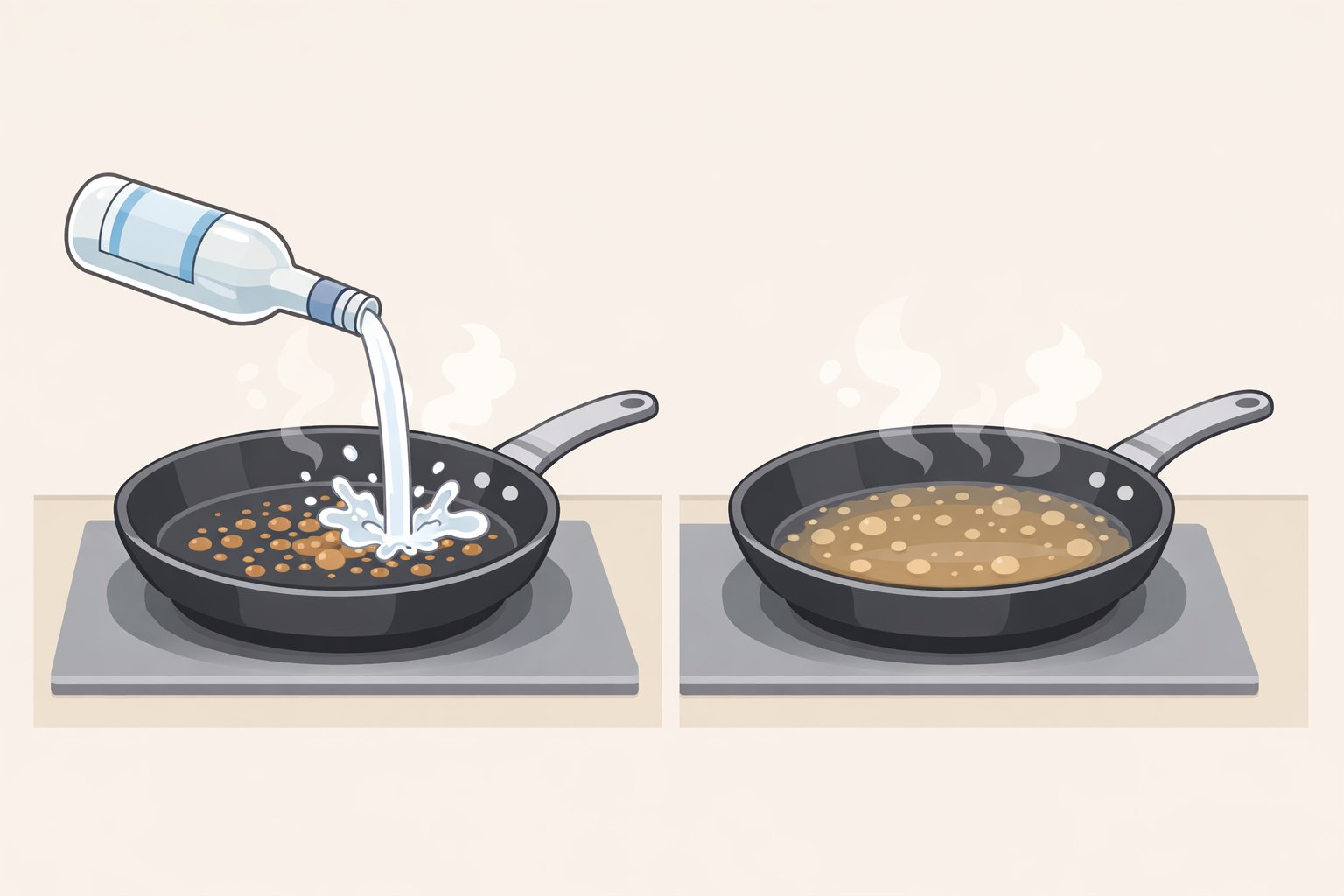
Pour in a quarter cup of vodka and stir to deglaze the pan, lifting any paste stuck to the bottom. Let it simmer briskly for 2 minutes. The volume will reduce noticeably and the sharp alcohol smell will soften.
Vodka is doing two things at once: it releases aromatic compounds in the tomatoes, garlic, and cream as the alcohol evaporates, and it acts as an emulsifier, helping the fat-based cream bind with the water-based tomato so the sauce holds together rather than breaking (Tasting Table, 2023). Quantity matters. J. Kenji López-Alt's testing found roughly a quarter cup per four cups of sauce to be the workable ratio; too little and the aromas stay locked in, too much and the sauce goes bitter (Tasting Table, 2023).
- Don't rush this step. Vodka that hasn't cooked off will taste sharp in the finished dish. The alcohol edge softens as it simmers but only if you give it time.
Step 4: Add the passata and simmer
Pour in 2 cups of passata and stir to combine. Simmer over medium-low heat for 10 to 12 minutes, until the sauce thickens slightly and the color deepens. It should look like a vibrant, slightly glossy tomato sauce at this stage not watery, not paste-thick.
- Don't substitute jarred pasta sauce. Jarred sauces typically contain added garlic, herbs, sugar, and stabilizers that work against the vodka's job as an aroma amplifier and throw off the balance of the finished dish. Passata's value is its neutrality (Serious Eats, last year).
Step 5: Stir in the cream
Reduce heat to low and pour in half a cup of heavy cream. Stir gently and let the sauce simmer for 3 to 4 more minutes. The color should shift from bright red to a warm blush-pink. Taste for salt and adjust.
ATK used half a cup of cream against 2 cups of passata enough to create richness and smooth the acidity without flattening the tomato brightness (America's Test Kitchen, 2024). More cream produces a prettier color but a softer, less distinct flavor. Less, and the tomato tastes sharp. This ratio is the balance.
Step 6: Start the pasta in less water than usual
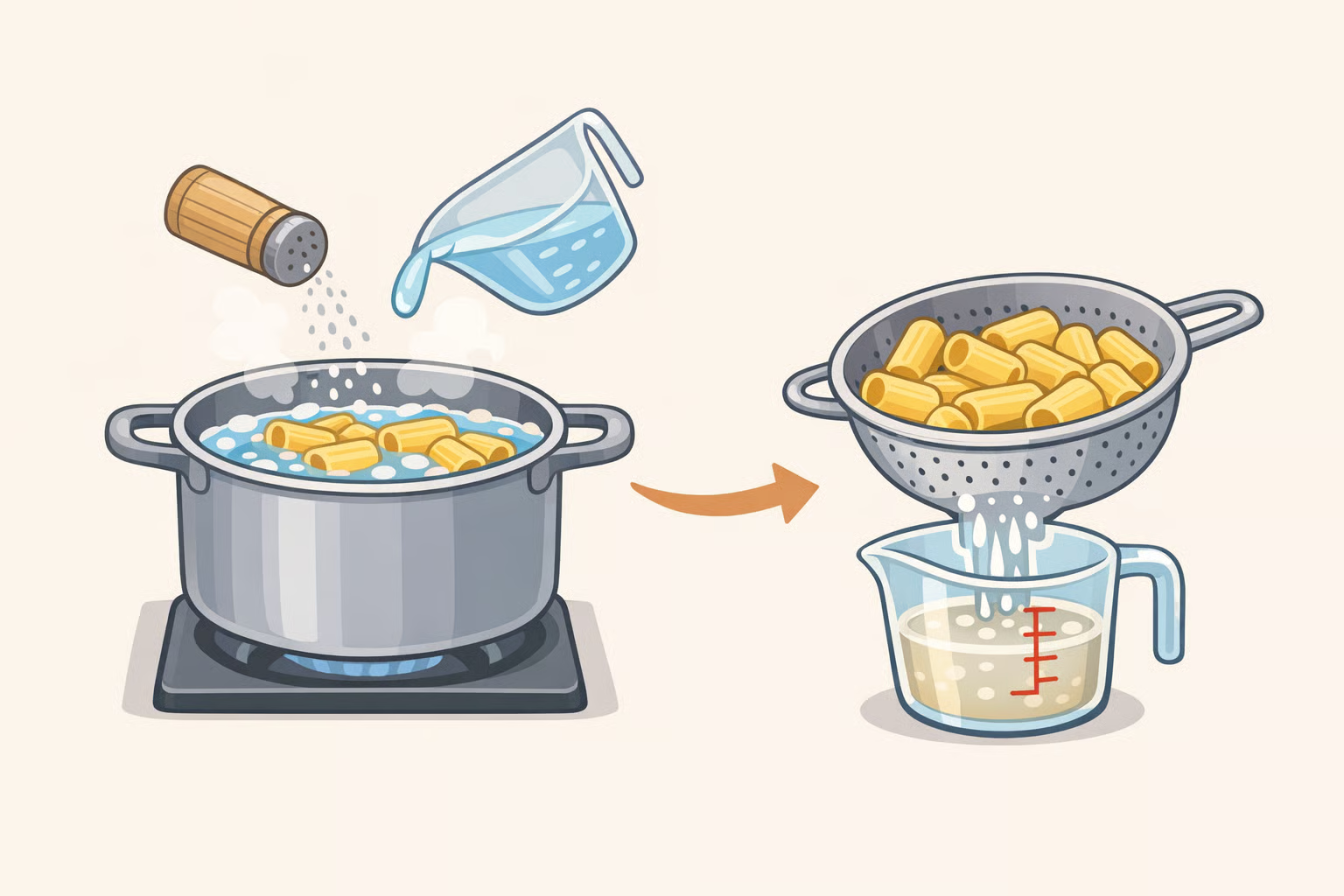
Bring a pot with about 3 quarts of water to a boil less than the standard fill. Salt it well; it should taste like mild, seasoned broth. Cook rigatoni until roughly 2 minutes shy of the package's al dente time.
Cooking pasta in a smaller volume of water concentrates the starch, making it far more effective as an emulsifying agent in the next step (Serious Eats, last year). Reserve at least 1 cup before doing anything else.
Rigatoni is the right shape: its ridged exterior and hollow tube trap thick, creamy sauce on every surface (Savoring Italy, two months ago). Penne works as a substitute. Long pasta doesn't there's nowhere for the sauce to go.
Step 7: Finish the pasta in the sauce
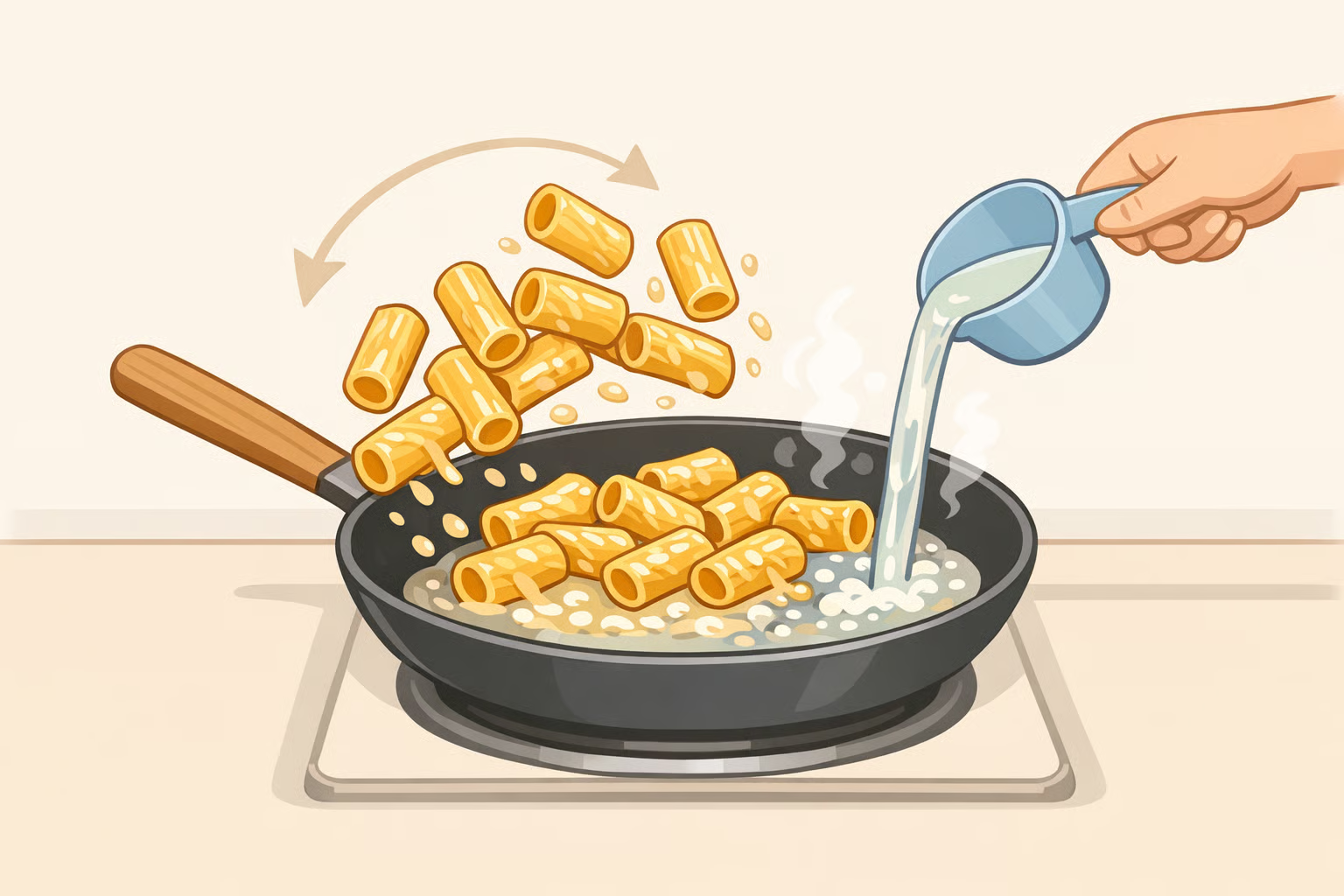
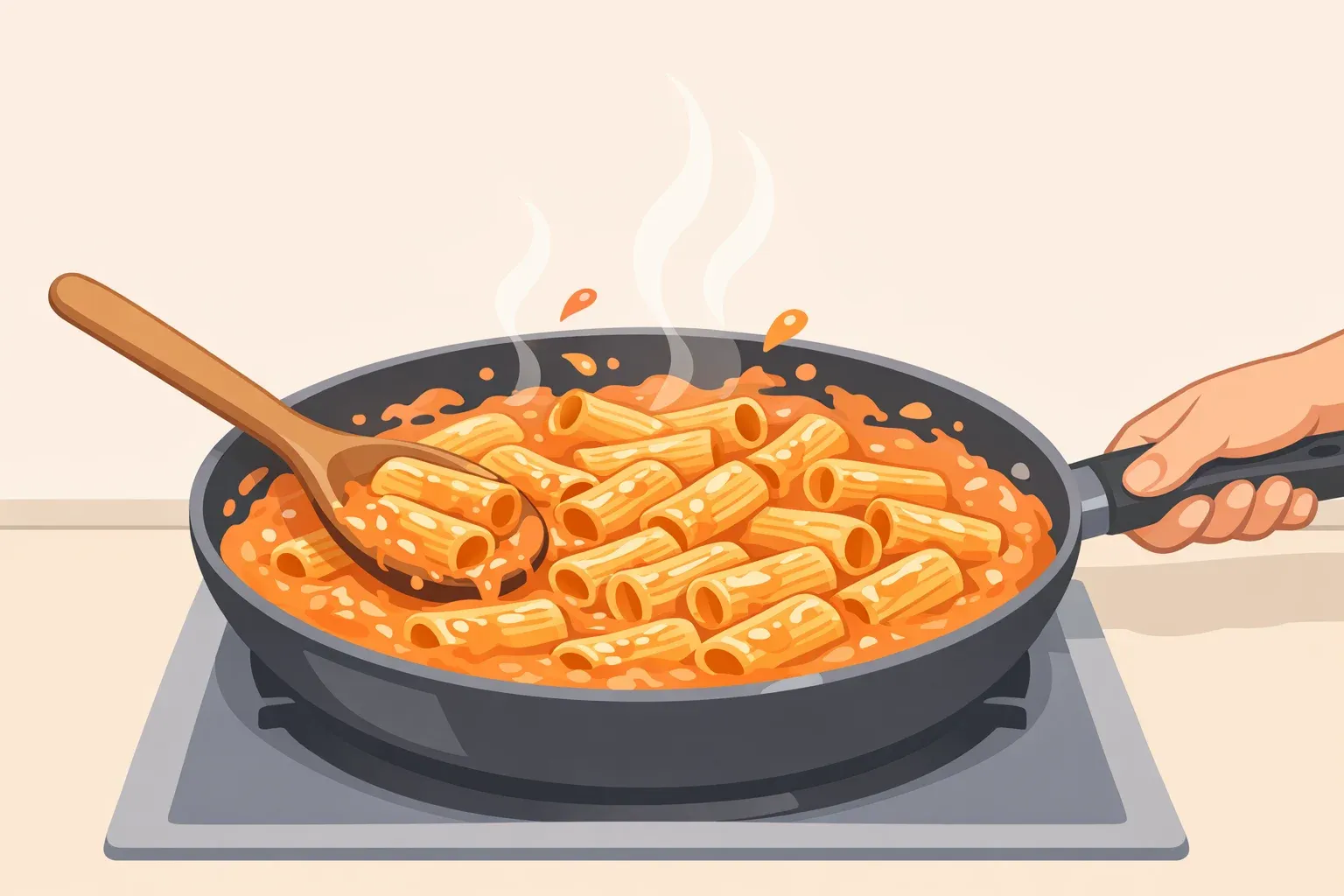
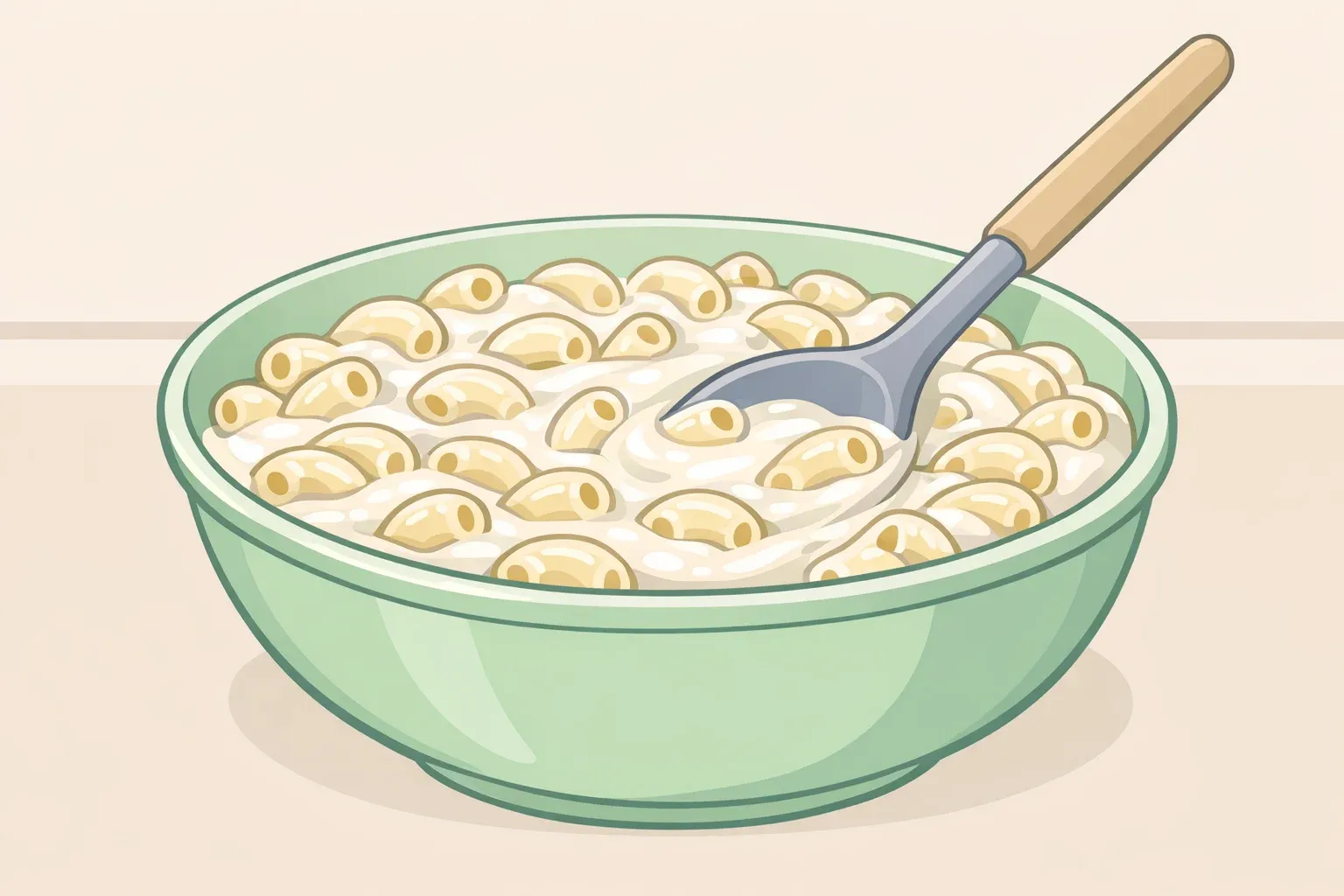
Transfer the undercooked pasta into the skillet using tongs or a spider don't drain it into a colander first. Add a ladleful of starchy pasta water, about a quarter cup, and toss everything together over medium heat for 2 minutes, until the pasta finishes cooking and the sauce clings to each piece. Add more pasta water a splash at a time if the sauce tightens up.
This is the step that separates the result from home-style pasta with sauce on top. Finishing the pasta in the sauce lets the noodles release additional starch directly into the pan, building a cohesive, glossy coating rather than a pool at the bottom of the bowl (Serious Eats, last year).
Step 8: Finish and serve
Take the pan off the heat. Stir in a generous amount of finely grated Parmigiano-Reggiano and a few fresh basil leaves if you have them. Taste once more for salt. Serve immediately.
Parmigiano-Reggiano contributes umami and a clean, savory sharpness; Grana Padano works as a substitute (Savoring Italy, two months ago). A Microplane grates it fine enough to dissolve into the sauce rather than clump. Pre-shredded parmesan is coated with anti-caking agents that prevent this skip it.
Troubleshooting: what went wrong and how to fix it
- Sauce tastes boozy: The vodka didn't cook long enough. Return the sauce to a low simmer for another 3 to 5 minutes, uncovered. The alcohol edge softens with heat and time (Savoring Italy, two months ago). Next time, don't rush Step 3.
- Sauce tastes flat or one-dimensional: Almost always a cream imbalance too much has muted the passata's brightness. A small squeeze of lemon juice stirred in off the heat can restore sharpness without changing the sauce's character. The underlying fix is to stay at half a cup of cream, not more (America's Test Kitchen, 2024).
- Sauce has pooled at the bottom of the bowl instead of coating the pasta: The pasta was drained before going into the sauce, or Step 7 was skipped entirely. Starchy pasta water is the binding agent; without it, the emulsion breaks and the sauce separates (Serious Eats, last year). Rescue attempt: return pasta and sauce to the pan together with a splash of pasta water over medium heat and toss vigorously.
- Sauce is gluey or too thick: Too much starchy water, or the pasta over-reduced in the pan. Thin with a splash of hot water and toss to loosen. Serve immediately this sauce doesn't hold well once it sets.
What to expect on the plate, and where to go next
When this works, the sauce coats every ridge of each piece of rigatoni in a glossy blush-pink layer. The tomato is present and bright, not buried under cream. The heat from the pepper flakes sits at the back of the throat. No boozy edge, no pooling, nothing one-note.
Even the top performers in a blind tasting of 15 jarred vodka sauce brands left testers wanting more spice, more Parmigiano-Reggiano, and a splash of additional vodka before serving (Serious Eats, earlier this year). The gap between a good jar and a properly built homemade version is real and now closeable.
The sauce can be made ahead and stored separately before the pasta is added. It reheats well over low heat with a splash of water or cream stirred in (Savoring Italy, two months ago). Make a double batch and the second dinner costs almost nothing.
Next time: try the pancetta variation in Step 1, dial up the red pepper flakes toward Carbone-level heat, or swap rigatoni for penne alla vodka to see how shape changes the experience. The sauce holds up to all of it.

Comments
Be the first, drop a comment!