



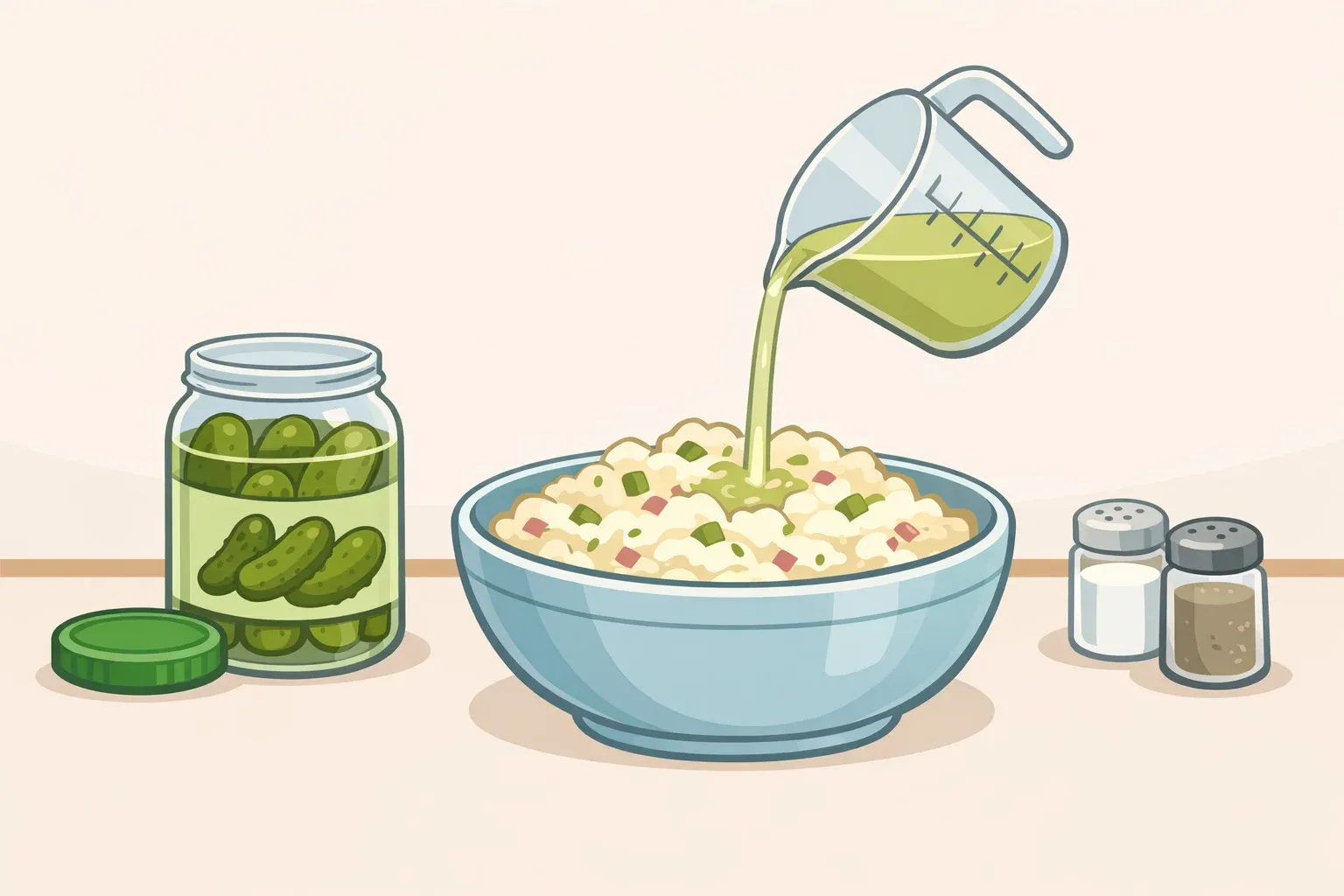
Best Potato Salad Without Vinegar: Use Pickle Brine
Most potato salad problems trace back to the acid. Skip the vinegar entirely and reach for the brine in your pickle jar instead. It does the same acidifying work, but it also brings the salt, garlic, dill, and aromatics that are already in there, all at once, without separate calibration.
This guide shows you how to make the best potato salad without vinegar using pickle brine as your primary acid. By the end, you'll have a working formula, the right potato for the job, and a two-stage technique that seasons the potato from the inside out rather than just coating the surface.
Prerequisites: A jar of dill pickles. Waxy or all-purpose potatoes. A large pot, a mixing bowl, and a rubber spatula.
What to add to potato salad instead of vinegar
Dill pickle brine is the answer, and the reasoning is worth understanding before you start.
Where plain vinegar acidifies and stops, pickle brine carries whatever salt, sweetness, and aromatics went into that particular jar alongside its acidity. NYT Cooking built an entire recipe around it as the primary acid in a mustard vinaigrette, noting that pickle brine both sharpens the dressing and lightens the finished salad. Chowhound arrived at the same conclusion independently, finding that brine amplifies the tangy notes in both mayo-based and mustard-based versions. The Vegan Larder built a no-mayo dressing around pickle juice, olive oil, and Dijon with almost no additional seasoning required. These aren't coordinated takes; they're the same conclusion reached from different directions.
With plain vinegar, you're calibrating acid, then salt, then aromatics as separate steps. With brine, one ingredient handles most of the seasoning load. That's not luck; it's what brine is.
One caveat worth taking seriously: dill pickle brines vary considerably by brand in salt concentration, acidity, and sweetness. NYT Cooking flags this directly taste your brine before adding it and adjust the quantity accordingly. A particularly salty brine requires less; a mild one may need more. The same logic applies before reaching for the salt shaker at the end. Chowhound makes the same point: brine-based dressings carry significant sodium on their own, and over-salting is an easy mistake.
For a creamy version, use brine as roughly half the acid, stir it into a mayo and Dijon base, skip or reduce added salt, and taste as you go. The two-stage layering principle below applies either way; only the base changes.
Choose the right potato, then cook it properly
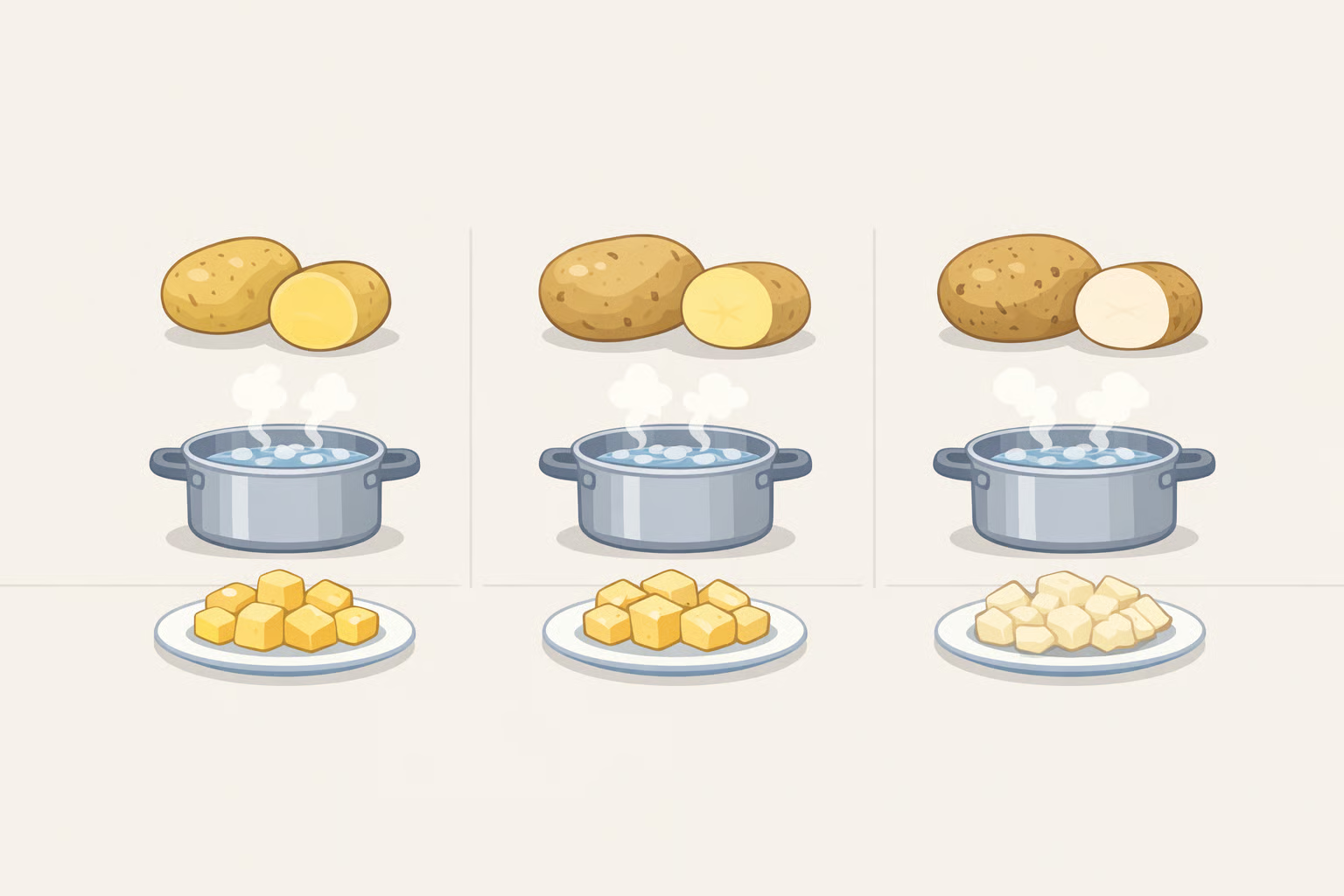
Potato variety isn't a detail to sort out later. Choose wrong and the dressing has nothing to work with; the pieces turn to mush before they ever reach the bowl. Get this right first, and everything downstream becomes easier.
Which potato to use: Waxy types red-skinned, new potatoes, and small baby yellow potatoes have the higher moisture content needed to hold their shape after boiling. The University of Kentucky Cooperative Extension identifies red and new potatoes as specifically suited to boiling and salads. Yukon Golds are a reliable all-purpose alternative that also holds up under heat, per the same source. Russets don't belong here: they break down when boiled and are better suited to mashing, according to the same Extension guide.
Two cooking rules that matter:
-
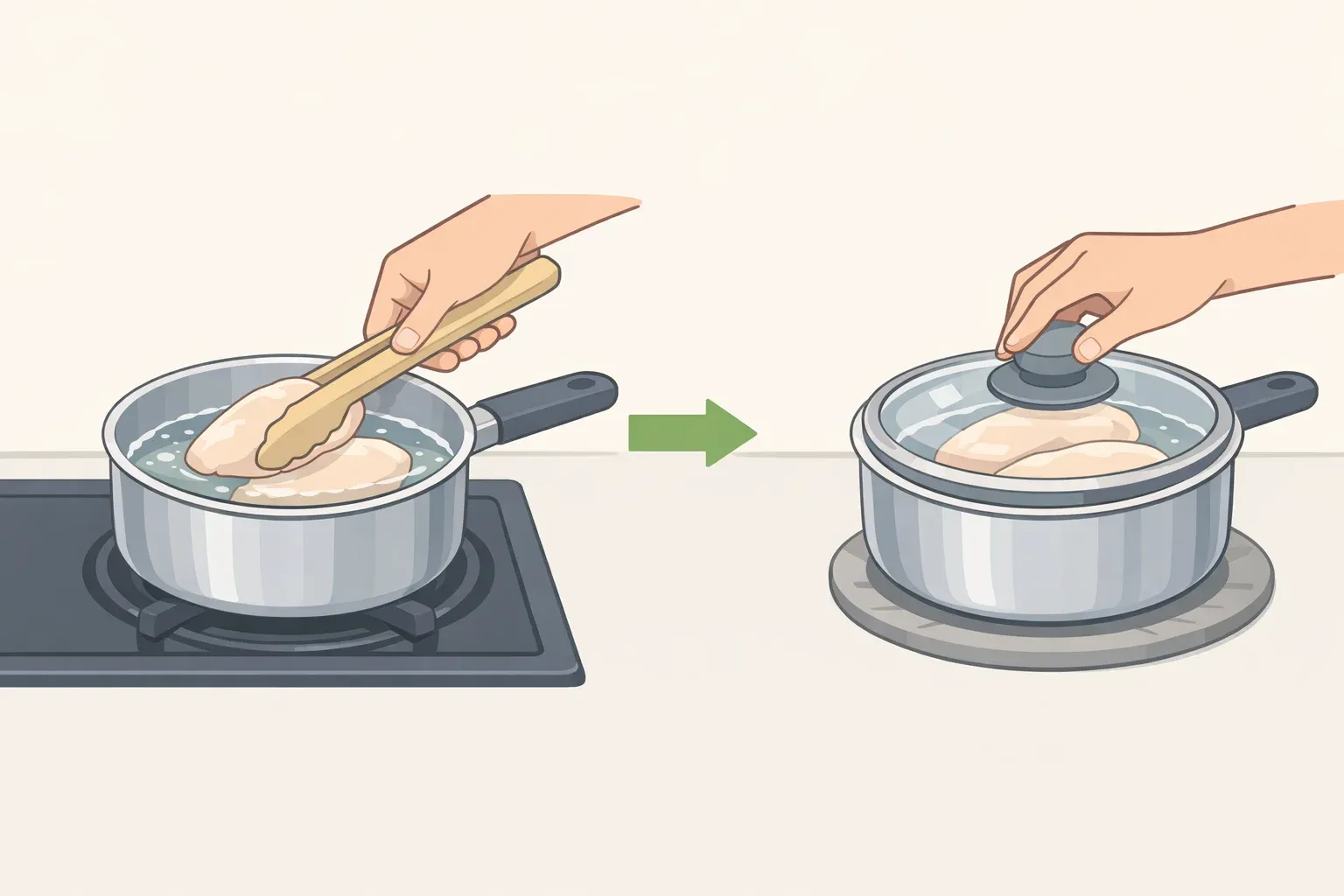
Start potatoes in cold water, not boiling. Dropping potatoes into already-boiling water cooks the outside before the center catches up. Starting in cold water and bringing everything up to temperature together ensures even cooking and keeps pieces structurally intact which matters when you need them to hold shape through dressing and folding.
-
Salt the water aggressively. Potatoes are dense, and seasoning the surface after cooking doesn't penetrate. Generously salted cooking water carries seasoning through the potato as it simmers, so every bite is flavored throughout rather than just on the outside. Think pasta-water levels of salt.
Cook until a knife tip meets no resistance, then drain. For small waxy potatoes, that's typically 10 to 17 minutes depending on size test with a knife, not a clock, because sizes vary even within the same bag.
The payoff from getting both of these right is potatoes that already taste like something before the dressing touches them. That's the foundation the two-stage brine method builds on.
Best potato salad tip: use pickle brine in two stages
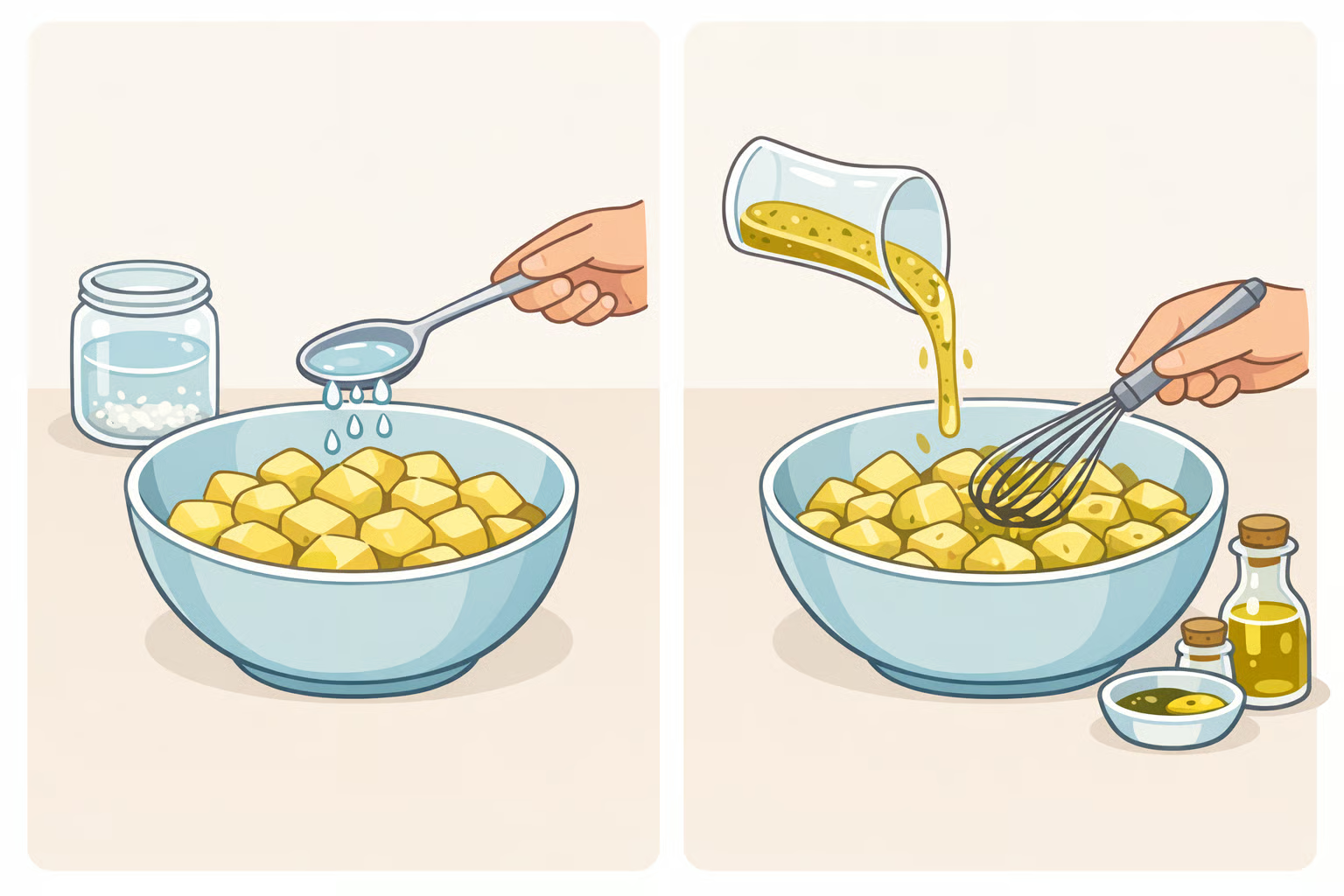
The most underused technique here is applying brine in stages rather than all at once. Chowhound describes the approach: add a splash of brine directly to the warm drained potatoes as they cool, let that absorb, then dress with the full vinaigrette. The first application pulls flavor into the potato itself; the second layers more on top. Skip stage one and you get a potato that tastes seasoned on the outside. Do both and you're building from the center out.
Starting formula for 1 to 1.5 lbs of waxy potatoes (4 to 6 servings):
- Stage 1, warm brine absorption: Spoon 1 to 2 tablespoons of pickle brine over hot drained potatoes. Toss gently and let sit 5 minutes.
- Stage 2, vinaigrette: Combine 3 to 4 tablespoons pickle brine, 3 tablespoons olive oil, 1 tablespoon Dijon mustard, 1 small minced garlic clove, and a small pinch of sugar. Whisk, taste, then adjust brine up or oil up depending on whether you want more sharpness or more body. This ratio is drawn from NYT Cooking and The Vegan Larder, scaled for 1 to 1.5 lbs of potatoes.
Dress while warm. NYT Cooking is explicit: warm potatoes absorb dressing; cold ones don't. The window closes as they cool, so don't wait.
Fold, don't stir. Use a rubber spatula and turn the potatoes over gently. Vigorous mixing roughens the cut edges of waxy potatoes and turns them mushy the spatula keeps pieces whole and evenly coated.
Finishing: Fold in chopped dill pickles for crunch and to reinforce the brine flavor in solid form. Then add fresh dill, chives, or parsley. Chowhound recommends leaning into herbs that already appear in pickle brine dill, celery seed, mustard seed because they give the salad a coherent flavor profile rather than a scattered one. Add herbs just before serving to keep them from wilting.
If you want to push this toward a main dish, NYT Cooking notes that soft-boiled eggs laid on top work well, and that crispy chickpeas or crumbled feta achieve a similar effect for a plant-based version.
Make-ahead, storage, and troubleshooting
The dressing itself can be made two days ahead and held in a sealed jar in the refrigerator NYT Cooking notes this directly. Once assembled, that version keeps up to 3 days refrigerated. The Vegan Larder reports their specific recipe holds up to 5 days refrigerated, though that estimate reflects their particular formula and ingredients.
A vinaigrette-based version also travels better than a mayo-based one. The Vegan Larder notes that without a mayo dressing that can break or weep in heat, the salad holds up at a cookout or picnic where refrigeration isn't guaranteed. Worth knowing before you decide which version to bring somewhere.
A few things that can go wrong:
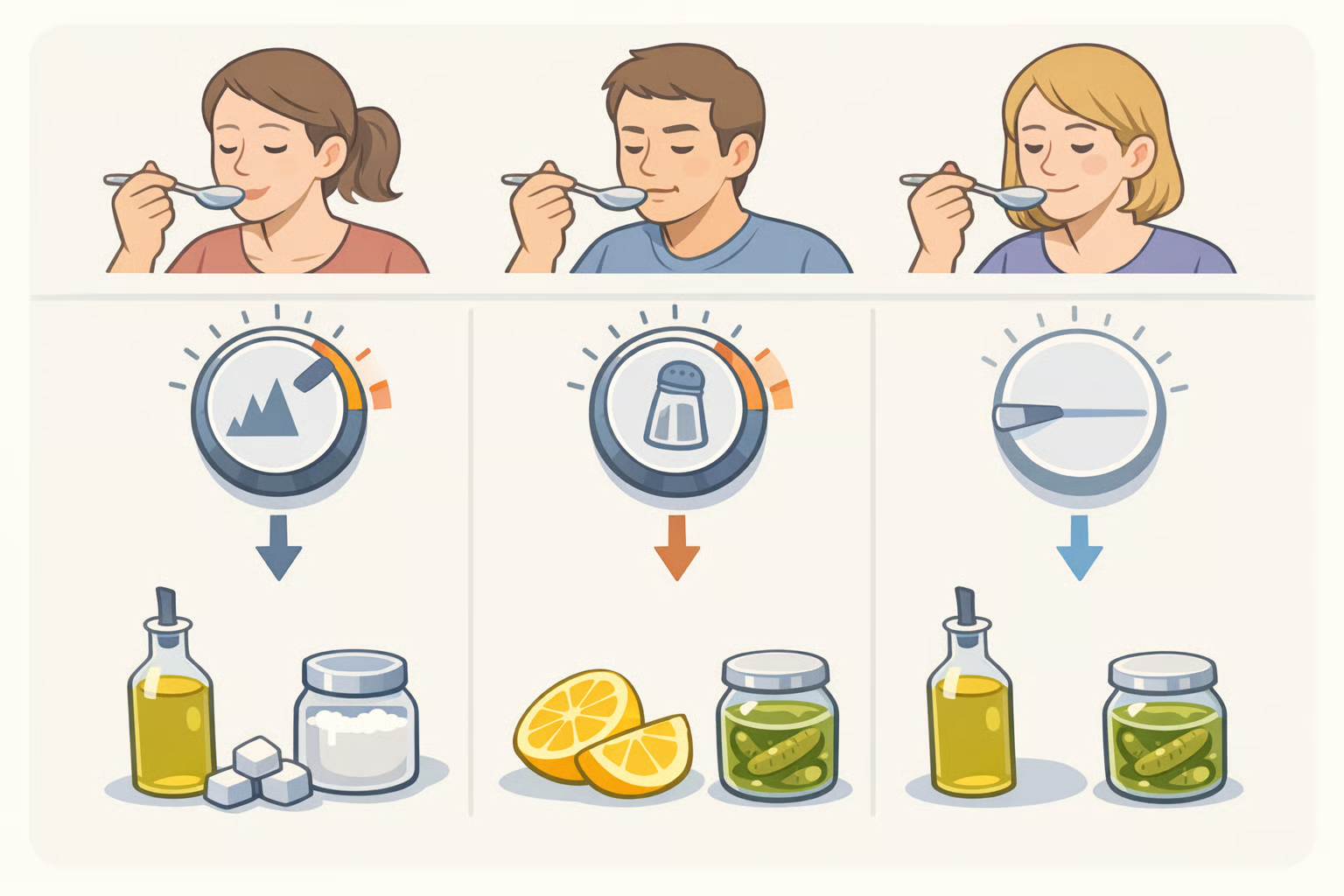
- Too sharp: The brine is dominating. Whisk in a bit more olive oil to soften the acidity, or add a small pinch of sugar.
- Too salty: Don't add more salt anywhere. Taste again after the salad has sat for a few minutes saltiness often mellows slightly as the ingredients settle. If it's still too much, a small squeeze of lemon juice can shift the perception without adding sodium.
- Too flat: The brine is mild. Add more brine directly, taste again, then decide whether a touch more Dijon helps sharpen things.
- Potatoes falling apart: This is a variety problem, not a technique problem. Floury types cannot hold their structure through boiling and dressing. Next time, use red, new, or small yellow potatoes.
If serving the next day, hold the fresh herbs until just before the salad comes out of the refrigerator. They wilt overnight and dull the surface. Everything else potatoes, dressing, chopped pickles holds well and actually benefits from the rest as the flavors knit together.
One last note on quantity: when you're done, the jar of brine you started with will likely be running low. That's useful information. An empty brine jar means you used it; an untouched jar usually means the dressing ended up underpowered. If the salad tastes flat before serving, that's the first place to look.



Comments
Be the first, drop a comment!