


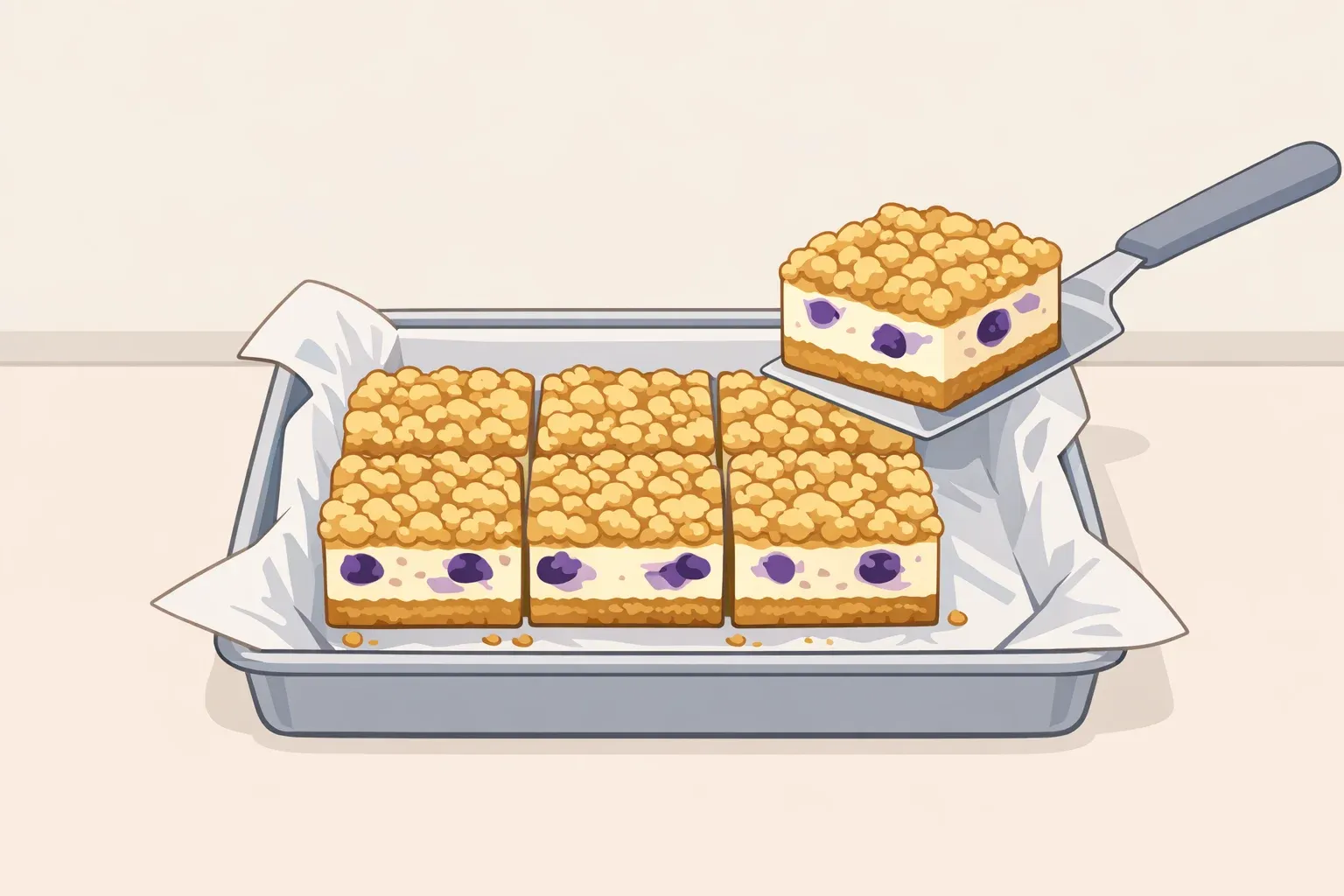
Blueberry Crumble Cheesecake Bars Recipe That Slices Clean
This guide walks through making a blueberry crumble cheesecake bars recipe that holds its layers, sets firmly, and cuts into clean squares without collapsing. The method covers four components: crust, cheesecake filling, blueberries, crumble topping. Results depend almost entirely on three things: keeping moisture out of the filling, pulling the bars from the oven at the right moment, and giving them enough time to set before slicing.
Most problems with this recipe trace back to one of those three variables. Soggy base, runny center, crumble that sinks, bars that smear when cut all preventable, all fixable at the setup stage.
At a glance (figures drawn from Bakeologie, Sift With Kima, and Well Made by Kiley):
- Pan: 8x8 inch, lined with parchment and an overhang on two sides
- Yield: 16 bars
- Active prep: 25–30 minutes
- Bake time: 35–40 minutes at 325°F
- Minimum chill: 4 hours; overnight gives better texture and cleaner results
- Storage: 4–5 days refrigerated (some sources suggest 3); up to 2 months frozen
Bakeologie puts total time at about 4 hours including a minimum 3-hour chill. Well Made by Kiley recommends chilling overnight for best texture. Plan around those numbers before starting.
Prerequisites:
- 8x8 baking pan, parchment paper, hand or stand mixer
- Two 8 oz blocks of full-fat cream cheese, brought to room temperature before starting cold cream cheese creates lumps that won't smooth out
- Eggs at room temperature
- At least 4 hours of refrigerator time available after baking
The ingredient logic: four components, three moisture risks
Each component has a job. Knowing where moisture threatens that job is what separates a clean result from a soft, slumped one.
The crust forms the structural base. About 1½ cups (170g) of crushed graham crackers combined with 5 tablespoons (84g) of melted butter and a tablespoon of sugar is the standard ratio, per Sift With Kima. It gets a short pre-bake of 8 minutes before the filling goes on that step is not optional. A raw crust will absorb moisture from the filling during baking and turn soft. The baked crust should look dry and just golden when it comes out.
Graham crackers are the baseline. Biscoff cookies are a direct swap if you want a caramelized, lightly spiced base; Well Made by Kiley actually leads with Biscoff as the default and treats graham crackers as the substitute.
The cheesecake filling needs to set firm enough to slice but stay creamy. Bakeologie uses 16 oz (454g) room-temperature full-fat cream cheese, ½ cup (100g) granulated sugar, ¼ cup (60g) sour cream, 1 teaspoon vanilla extract, 1 tablespoon cornstarch, and 2 large eggs. That cornstarch makes a real structural difference it helps the bars hold their shape when cut rather than sagging at the edges. Eggs go in last, mixed on low speed just until combined. Overbeating after the eggs are added works air into the batter and increases cracking risk.
The blueberries are the primary moisture risk. Fresh berries release juice during baking; thawed frozen berries release far more. Both are manageable. Toss berries with 1 tablespoon of flour and 1 tablespoon of sugar before they go on top of the filling (Sift With Kima). Add lemon zest if you want the fruit flavor to read sharper without tipping the bars into lemon territory.
The crumble topping requires cold butter. Bakeologie uses ½ cup (63g) flour, ¼ cup (25g) old-fashioned oats, ¼ cup (53g) packed brown sugar, and 4 tablespoons (56g) cold cubed butter worked together until coarse clumps form. Warm or softened butter produces a paste. Cold butter produces distinct crumble texture. Brown sugar gives the topping its golden color and slight caramel depth.
How to make blueberry crumble cheesecake bars without a soggy crust
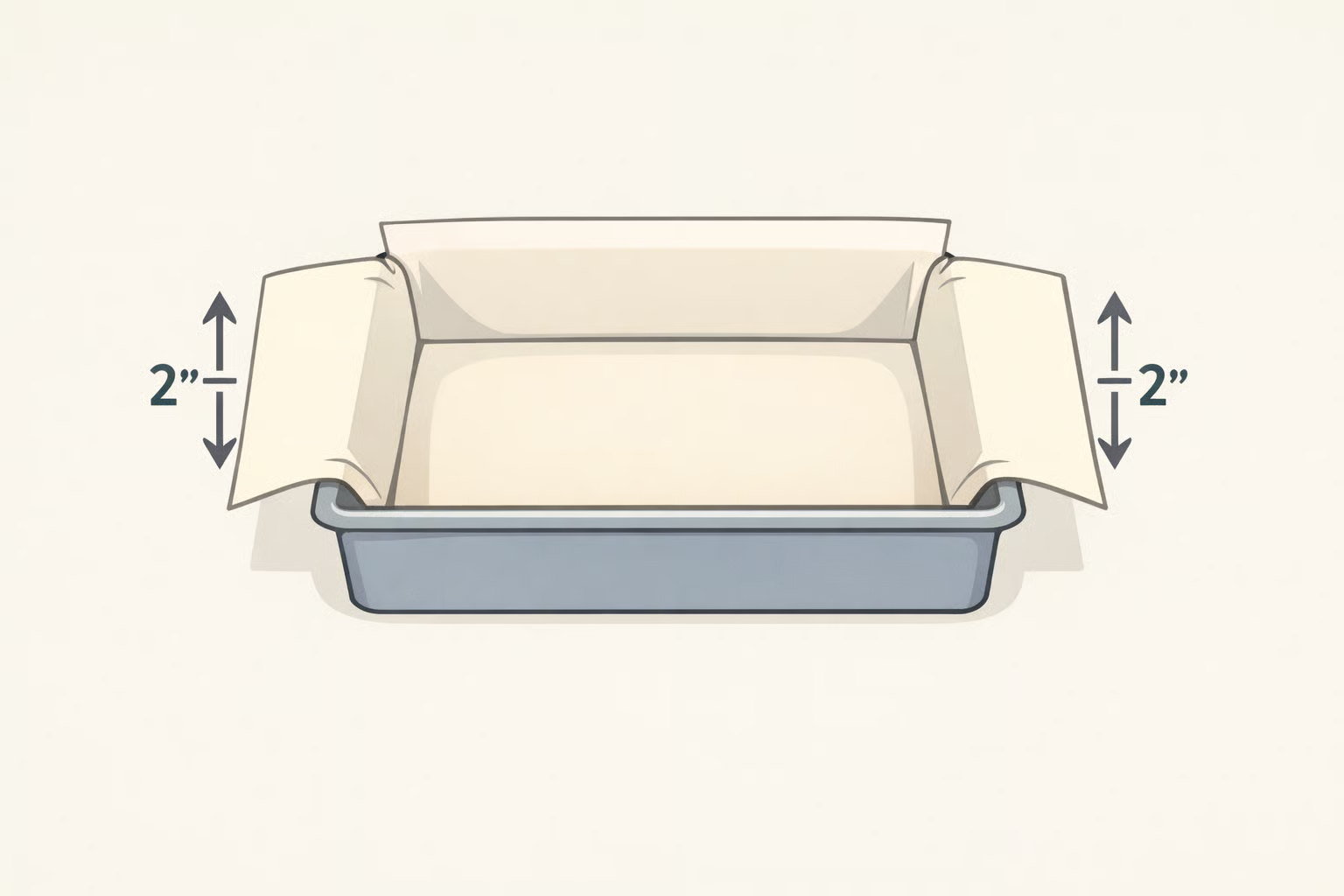
Step 1: Preheat the oven and prepare the pan. Set the oven to 325°F with the rack in the center position. Grease an 8x8 pan, line with parchment, and leave a 2-inch overhang on two opposite sides. That overhang is how you'll lift the whole slab onto a cutting board later no prying, no broken bars.
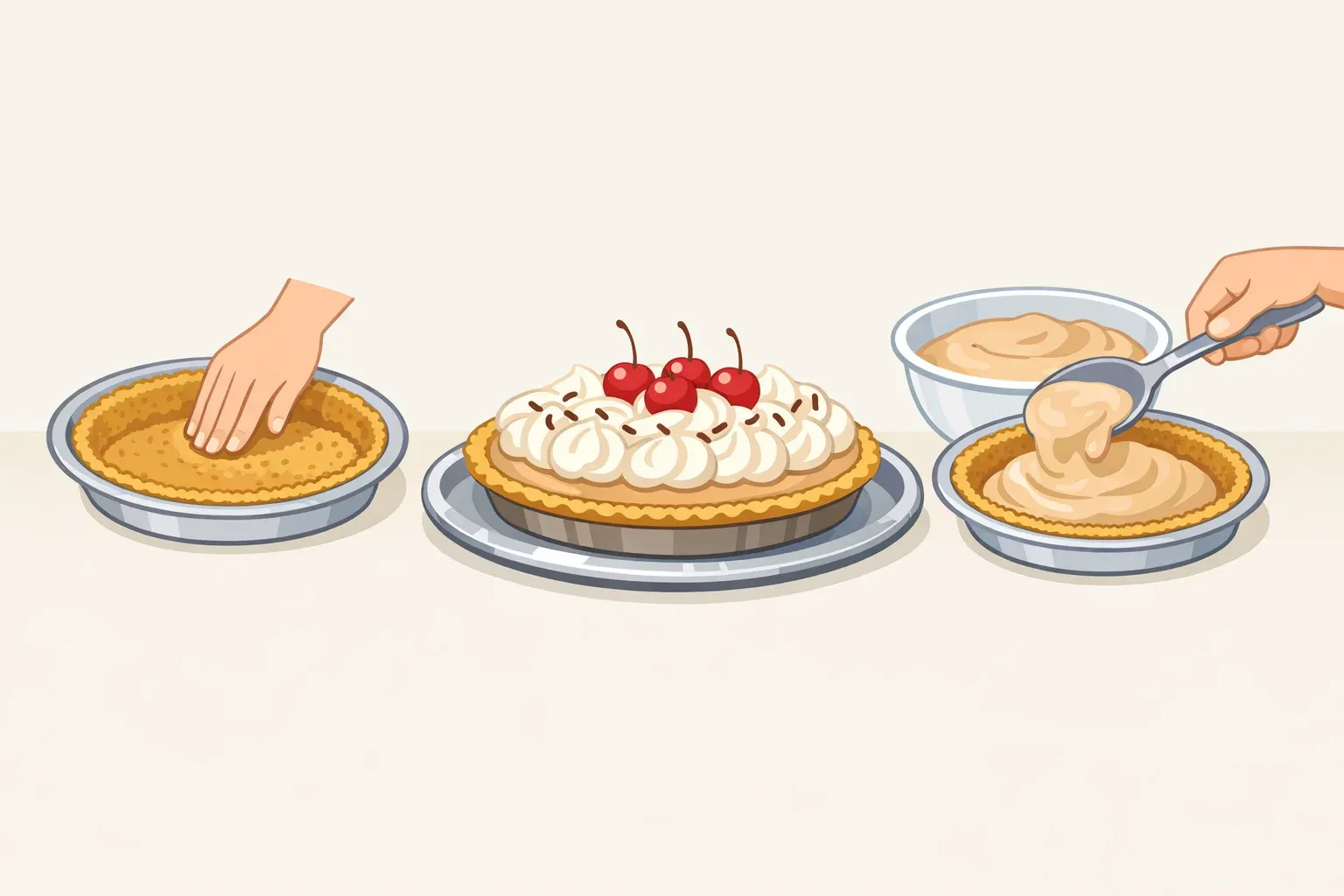
Step 2: Make and pre-bake the crust. Combine graham cracker crumbs, melted butter, sugar, and a pinch of salt until the mixture looks like wet sand. Press firmly and evenly into the pan bottom. Bake 8 minutes until set and lightly golden (Sift With Kima). Let cool for a few minutes before adding the filling. The crust should look dry, not shiny.
Step 3: Make the cheesecake filling. Beat room-temperature cream cheese and sugar on medium speed for about 3 minutes until smooth and slightly fluffy, with no visible lumps. Add sour cream, vanilla, and cornstarch and beat until combined. Add eggs one at a time on low speed, mixing only until each disappears into the batter. Stop there. The filling should be smooth and pourable, not airy.
Step 4: Handle the blueberries this is the moisture control step. Toss fresh or still-frozen blueberries with 1 tablespoon of flour, 1 tablespoon of sugar, and lemon zest if using. If working with frozen berries, do this quickly and return them to the freezer until you're ready to assemble. You want them cold and firm when they go on top, not starting to weep. Every source that addresses this point agrees: do not thaw frozen blueberries first (Kneaded That; Sift With Kima; Bakeologie). Thawed berries release enough liquid to prevent the filling from setting properly.
Step 5: Make the crumble. Work cold cubed butter into the flour, oats, and brown sugar with your fingers or a fork until you have coarse, irregular clumps ranging from pea-sized to smaller. Some variation in clump size is good it produces better texture in the finished topping than a uniform fine crumble.
Step 6: Assemble. Pour the cheesecake filling over the cooled crust and spread it level. Scatter the flour-tossed blueberries evenly across the surface, then distribute the crumble topping over everything.
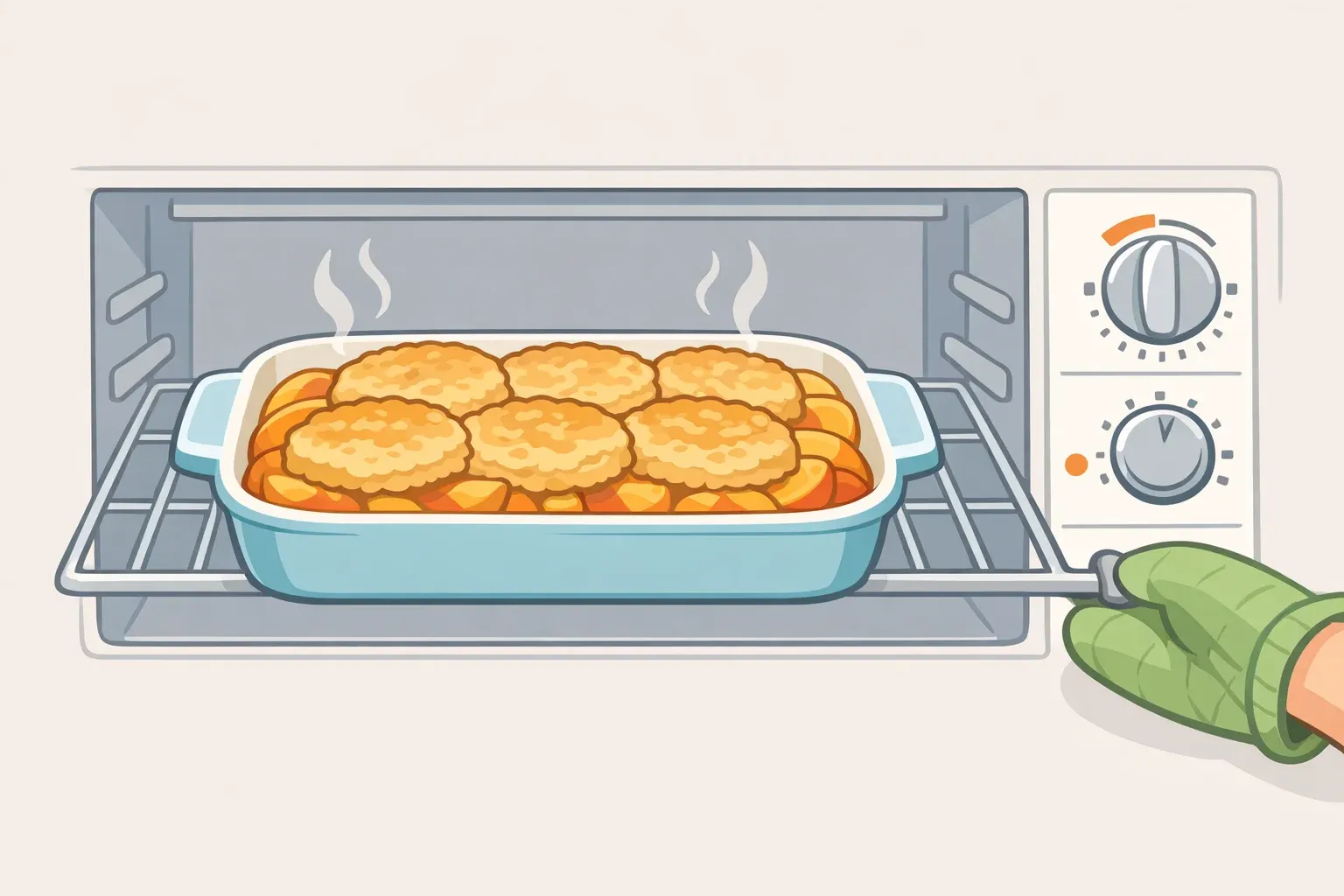
Step 7: Bake to the right doneness, not a moment past it. Bake at 325°F for 35–40 minutes (Bakeologie). The bars are done when the edges have puffed and set, the crumble is golden brown, and the center has a slight wobble when you gently shake the pan. For the most reliable read, an instant-read thermometer inserted into the cheesecake layer should hit 150–155°F (Bakeologie). If using frozen berries, add 5–10 extra minutes and recheck (Sift With Kima).
A wobbly center is correct. The urge to bake until the center looks fully set is the most common mistake with cheesecake bars. Carry-over heat and refrigerator time finish the job. Overbaking produces a grainy texture and increases cracking.
Step 8: Cool gradually, then chill fully. Turn off the oven, crack the door, and leave the bars inside for 30 minutes. This gradual temperature drop reduces cracking from thermal shock (Well Made by Kiley). Move the pan to the counter and let it cool another 30 minutes, then refrigerate for at least 4 hours. Overnight is better. For the neatest cuts, move the pan to the freezer for one hour just before slicing (Bakeologie).
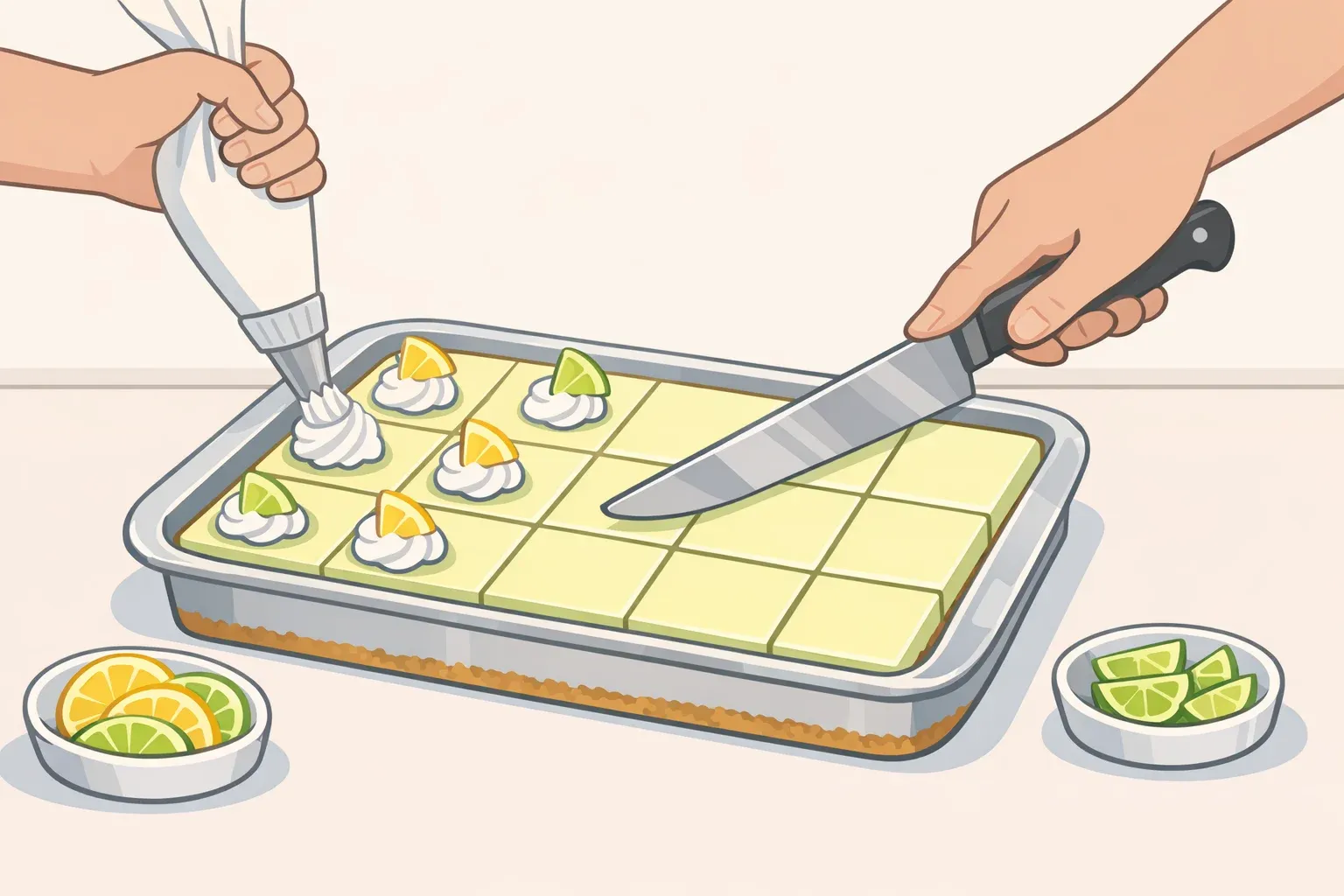
Step 9: Lift, slice, and serve. Use the parchment overhang to transfer the slab to a cutting board. Slice with a sharp knife, wiping the blade clean between cuts. Let bars sit at room temperature for 10–15 minutes before serving for the best texture and flavor (Well Made by Kiley).
Troubleshooting common problems
If the bars won't slice cleanly: They haven't chilled long enough. Return to the refrigerator for another hour or transfer to the freezer for 30–60 minutes. Knife technique helps at the margins, but no amount of careful cutting fixes an under-set bar.
If the center is runny after chilling: The bars were underbaked. The cheesecake layer needed more time to reach 150–155°F internally, or frozen berries added too much cold mass and the bake time wasn't extended to compensate.
If the crust is soggy: Either the pre-bake was skipped or cut short, or the blueberries were thawed before going in. Both causes are preventable at the setup stage.
If the crumble sinks or spreads: The butter was too warm when mixed. Crumble topping needs to go on as coarse, distinct clumps not as a soft paste that melts into the filling before the oven sets it.
Variations, storage, and scaling
Variations: The crumble accepts sliced almonds without any other changes and adds a slightly nutty finish (Bakeologie). Raspberries, blackberries, or a mixed berry blend can be substituted for blueberries, though bake time may need checking since moisture content varies (Bakeologie). Biscoff cookies replace graham crackers one-for-one.
Storage: Sources differ slightly here. Sift With Kima and Bakeologie put refrigerator life at 4–5 days; Delish suggests 3 days. The bars keep well either way the crumble softens slightly by day three. Freeze individual bars for up to two months (Well Made by Kiley). Thaw overnight in the refrigerator; room-temperature thawing softens the crumble faster. Don't leave bars out longer than two hours since the cheesecake filling requires refrigeration (Well Made by Kiley).
Scaling up: Double the recipe in a 9x13 pan and add a few extra minutes to the bake time (Kneaded That). Check for the same doneness markers.
The recipe itself isn't complicated. Four components, one pan, no water bath. What trips people up is impatience at the end pulling the bars too early, skipping the gradual cool-down, cutting before the chill is done. Get the timing right and the rest takes care of itself.

Comments
Be the first, drop a comment!