



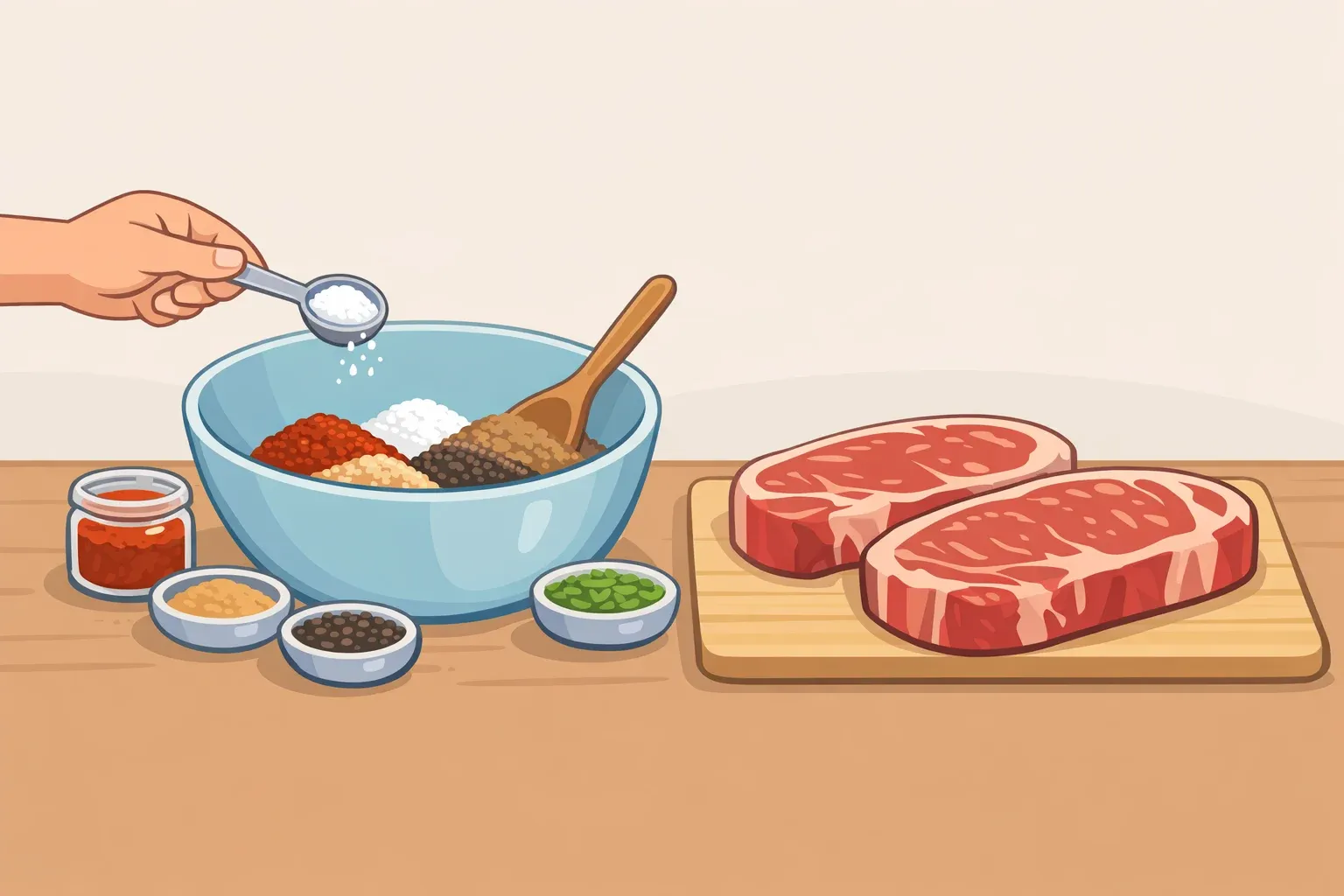
This copycat Texas Roadhouse steak seasoning uses nine spices plus cornstarch, takes about five minutes to mix, and costs an estimated $0.72 per batch, according to Eating on a Dime. This guide compares a sweeter version with a saltier circulating alternative, then shows how to mix, apply and troubleshoot the blend.
No publicly available recipe has been verified as Texas Roadhouse's actual kitchen formula. Treat both versions here as approximations: they use a similar ingredient list, but the proportions create noticeably different blends.
What's in the copycat seasoning
Both copycat versions use the same nine core ingredients: salt, brown sugar, black pepper, paprika, chili powder, garlic powder, garlic salt, onion powder and turmeric.
That puts this blend in different territory from a plain steakhouse salt-and-pepper rub. The copycat profile leans sweeter and warmer, with brown sugar for browning, paprika for color, chili powder for mild heat and turmeric for earthiness.
The salt-to-sugar ratio has the biggest effect on the final taste.
Version A, the sweeter profile, uses equal parts salt and brown sugar, with 1 tablespoon of each. It also includes ½ teaspoon cornstarch, which helps prevent clumping and helps the seasoning stick to the meat.
Version B, the saltier profile, uses 2 tablespoons kosher salt against 2 teaspoons brown sugar — a 6:1 ratio that reads closer to a conventional steakhouse rub.
This guide uses Version A as the baseline and includes Version B for comparison.
Salt type matters before mixing either version. Kosher salt is less dense by volume than table salt, so a tablespoon-for-tablespoon swap can make the blend too salty. If you only have table salt, start with about two-thirds of the listed amount.
Mix the sweeter version
You need a small bowl, whisk or fork, and airtight jar.
For the sweeter version, combine:
1 tablespoon brown sugar
1 tablespoon salt
2 teaspoons black pepper
1 teaspoon paprika
1 teaspoon chili powder
½ teaspoon garlic salt
½ teaspoon garlic powder
½ teaspoon onion powder
½ teaspoon turmeric
½ teaspoon cornstarch
Whisk until uniform. The finished blend should be a consistent reddish-brown with no visible streaks or clumps. Transfer it to an airtight jar and label it with the mixing date.
Break up brown sugar clumps before whisking. A clump can scorch against a hot pan or grill grate and turn bitter before the steak is done.
The batch should season 2 to 5 steaks, depending on steak size and application, with about 1 tablespoon per steak. Use that as your baseline and adjust for the cut. Based on the source's $0.72 estimate, a triple batch still costs less than $2.50.
Season the steak before cooking
Apply about 1 tablespoon of the blend per steak, covering both sides and pressing the seasoning into the surface rather than dusting it loosely. Let the steak sit for at least 40 minutes before cooking, or refrigerate it uncovered overnight for a deeper dry-brine effect. Serious Eats recommends salting steak at least 40 minutes before cooking or letting it rest overnight, rather than cooking during the middle window when surface moisture can interfere with browning.
The blend works for grilling, searing and roasting. Because it contains brown sugar, move the steak to a cooler part of the grill or flip it sooner if the surface darkens before the center is cooked.
Cook to temperature and rest
First, separate preference from food safety. FoodSafety.gov recommends cooking beef steaks, roasts and chops to 145°F followed by a 3-minute rest. Lower steak temperatures are common doneness preferences, but they fall below that federal safety minimum.
Use a meat thermometer. It is more reliable than timing or touch, and it is the safest way to check both doneness and minimum internal temperature. For preference-based steak doneness, many cooks use these targets:
Rare: 120°F, cool to warm red center
Medium rare: 130°F, warm red center
Medium: 140°F, hot pink center
Medium well: 150°F, mostly brown center
Well done: 160°F, brown throughout
After pulling the steak from heat, let it rest before cutting. Rest at least 3 minutes when cooking to the 145°F safety minimum; for many standard steaks, 5 minutes is a practical target.
For the next batch, adjust based on what happened during cooking:
Too salty: Reduce the salt by ½ tablespoon. If you used Version B, confirm you did not substitute table salt at the same volume for kosher salt.
Too sweet: Pull back the brown sugar by 1 teaspoon and add a little more black pepper.
Scorching before the steak is cooked through: Lower the heat, use ¾ tablespoon per steak instead of a full tablespoon, or finish the steak in the oven after the initial sear.
Tastes flat: Try a lighter hand before changing the recipe. Too much seasoning can create a wall of salt that mutes the background spices; the fix is often less blend on the steak rather than a new formula.
Use it on chicken, ribs and vegetables
The blend also works on chicken, ribs and grilled vegetables, but the application should be lighter than it is on steak until you know how sweet or salty your batch tastes.
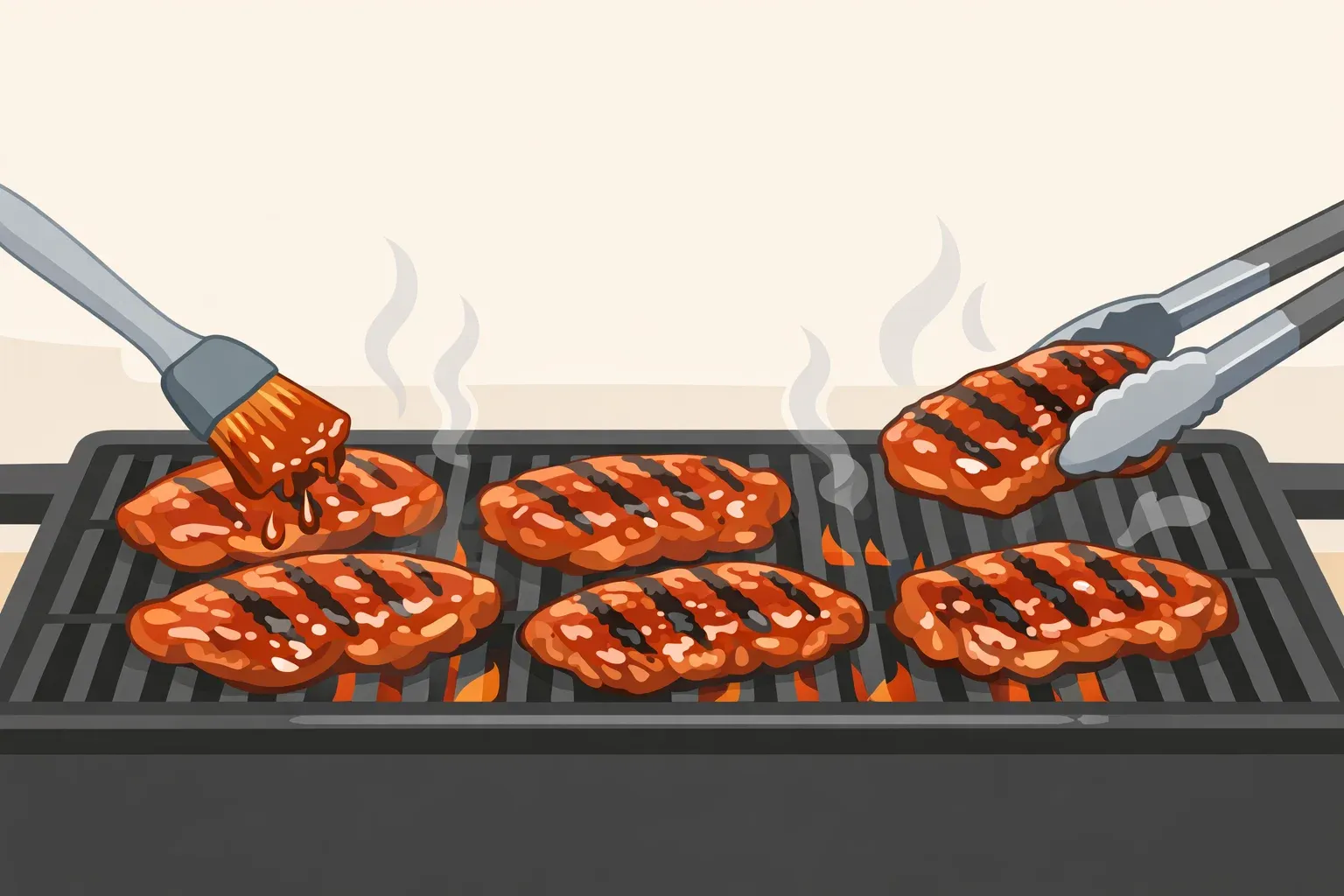
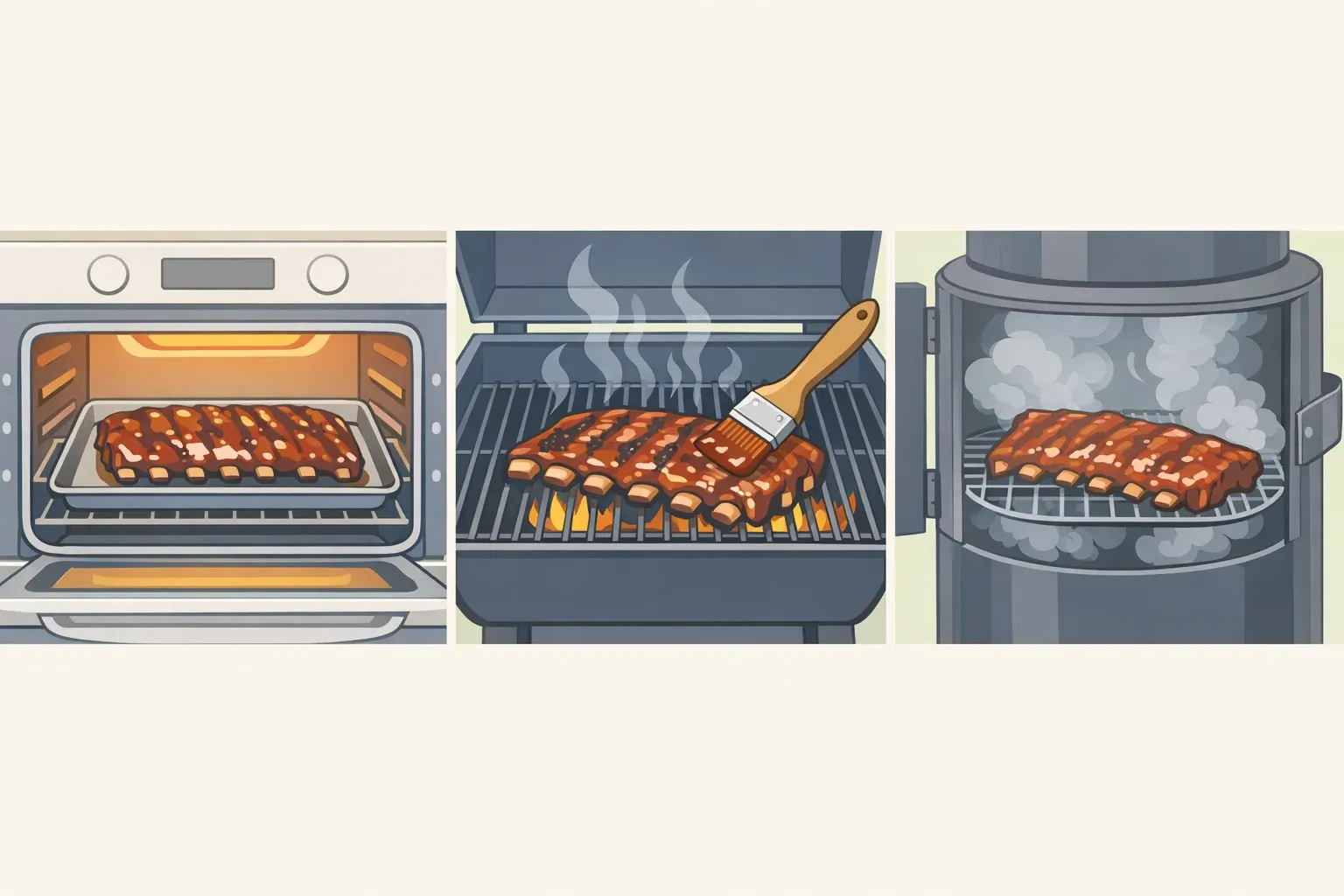
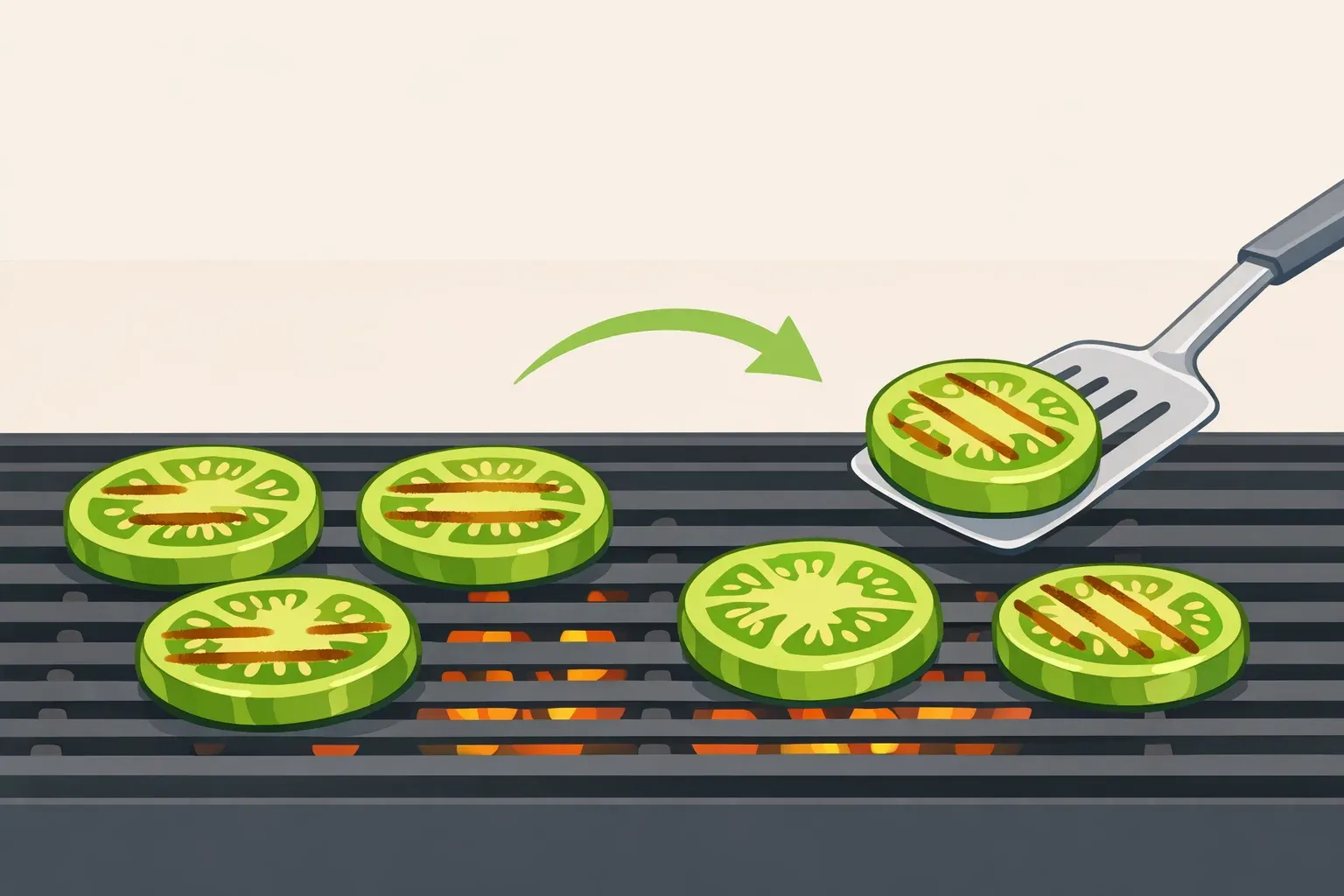
For chicken, season lightly and cook to 165°F. For pork ribs, use the seasoning as a dry rub base, then cook according to your rib method and finish with sauce if you want a sweeter Texas Roadhouse-style profile. For grilled vegetables, start with a light sprinkle; chili powder and paprika come through more sharply without meat to balance them.
Store unused blend in an airtight jar away from heat, light and moisture. For best flavor, use it within about three months. Food & Wine notes that spices do not spoil like fresh food, but they lose aroma, color and flavor over time.
Try a saltier variation
To make a saltier version, keep the same ingredient list but shift the balance toward salt and away from brown sugar. Start by doubling the salt and cutting the brown sugar to 2 teaspoons, then mix, taste and adjust from there. Use kosher salt if possible; if you use table salt, start with less because it is denser by volume.
This variation is not a verified Texas Roadhouse formula. It is simply a salt-forward adjustment for readers who want the blend to taste closer to a conventional steakhouse rub.
Which version should you use?
Choose Version A for a sweeter, more paprika-forward blend. Choose Version B for a saltier rub that tastes closer to a conventional steakhouse seasoning.
Whichever version you choose, check the salt type before adjusting the recipe. If you like the result, make a double or triple batch so it is ready for the next steak night.







Comments
Be the first, drop a comment!