



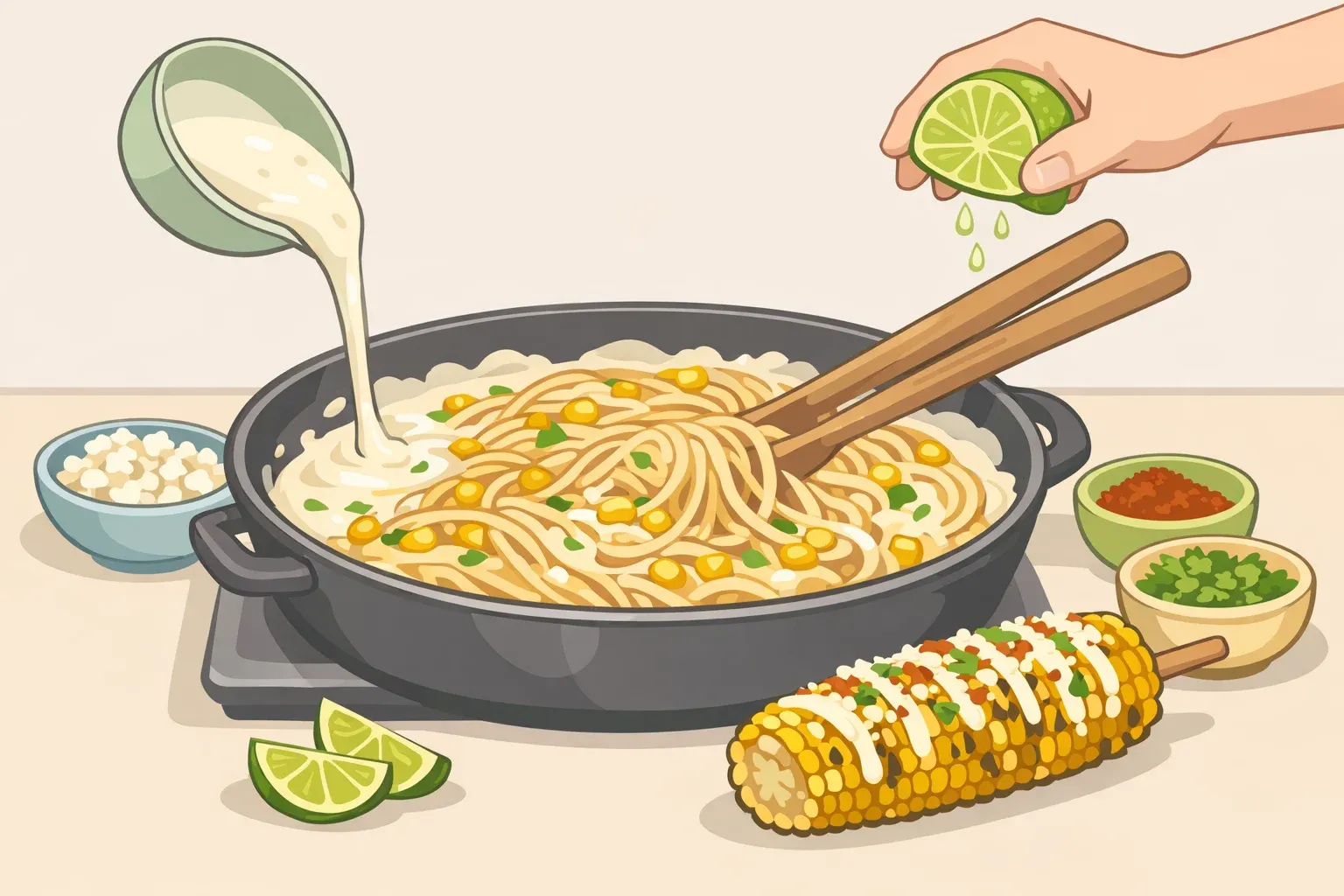
This creamy Mexican street corn pasta brings elote-inspired flavors into a quick skillet dinner: sweet corn, smoky spice, tangy sour cream, salty cotija, fresh lime, and spaghetti tossed in a cream sauce.
The base recipe comes from Francesca Zani's creamy Mexican street corn pasta for Delish, published June 23, 2026. It serves four, takes about 30 minutes, and uses fresh or frozen corn. This guide keeps that basic structure and adds practical cooking cues for choosing corn, managing the sauce, reheating leftovers, and adjusting the dish for different kitchens.
The flavor idea comes from elote, or Mexican street corn. Epicurious describes elote as grilled or roasted corn typically finished with mayonnaise or crema, cotija, chile, lime, and sometimes cilantro. This pasta is not traditional elote; it is a skillet pasta inspired by those creamy, salty, spicy, and acidic flavors.
What You Need Before You Start
Time: 10 minutes prep, 20 minutes cooking
Yield: 4 servings
Equipment: Large pot, large high-sided skillet, colander, measuring cup
Ingredients
8 ounces spaghetti
2 tablespoons extra-virgin olive oil
2 cups fresh or frozen corn kernels
2 garlic cloves, minced
1 1/2 teaspoons smoked paprika, plus more for serving
1/2 teaspoon cayenne pepper
1 teaspoon kosher salt, plus more for the pasta water
1 cup heavy cream
1/2 cup sour cream
1/4 cup crumbled cotija, plus more for serving
2 tablespoons chopped fresh cilantro
1 scallion, thinly sliced
Lime wedges, for serving
Choosing Your Corn
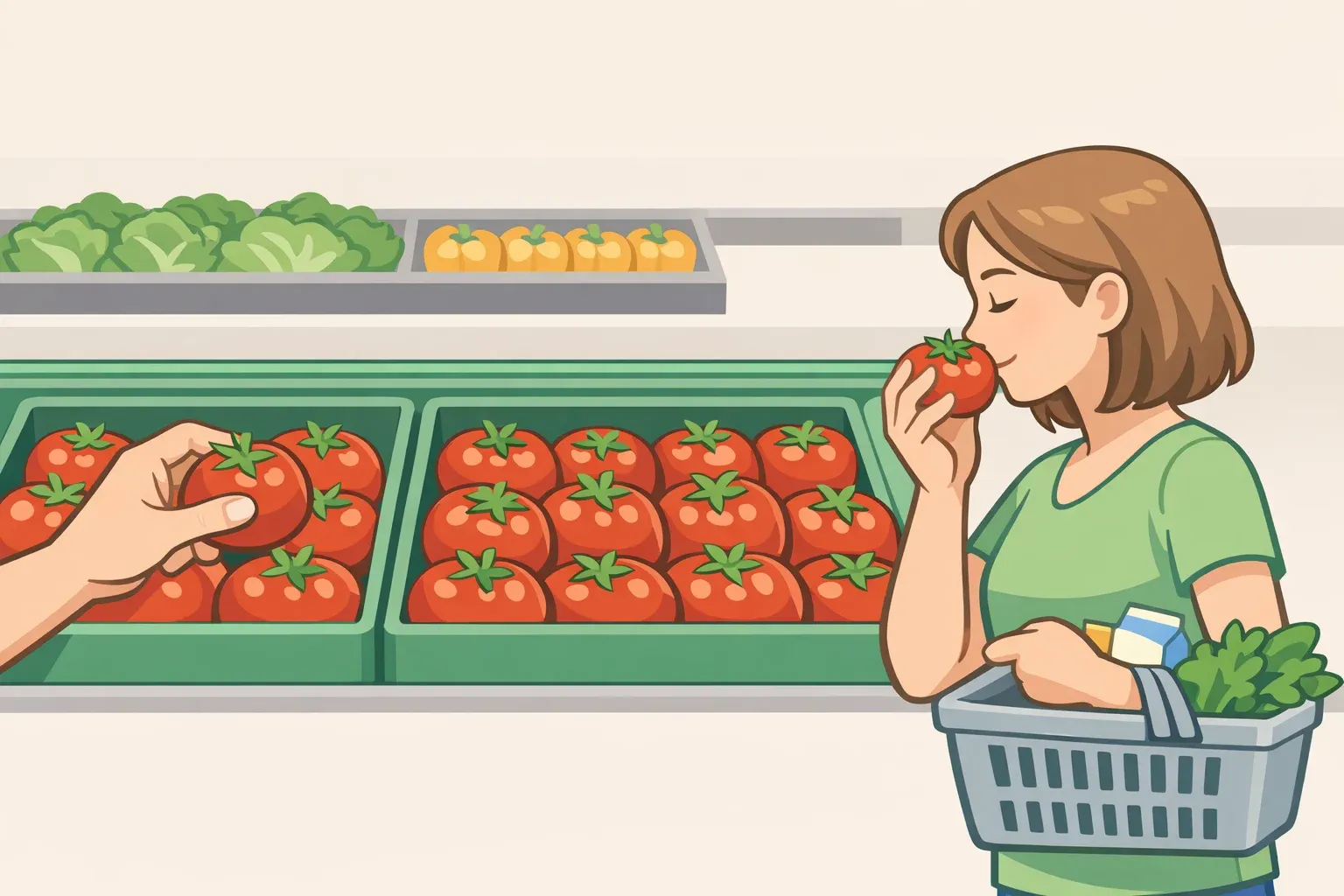
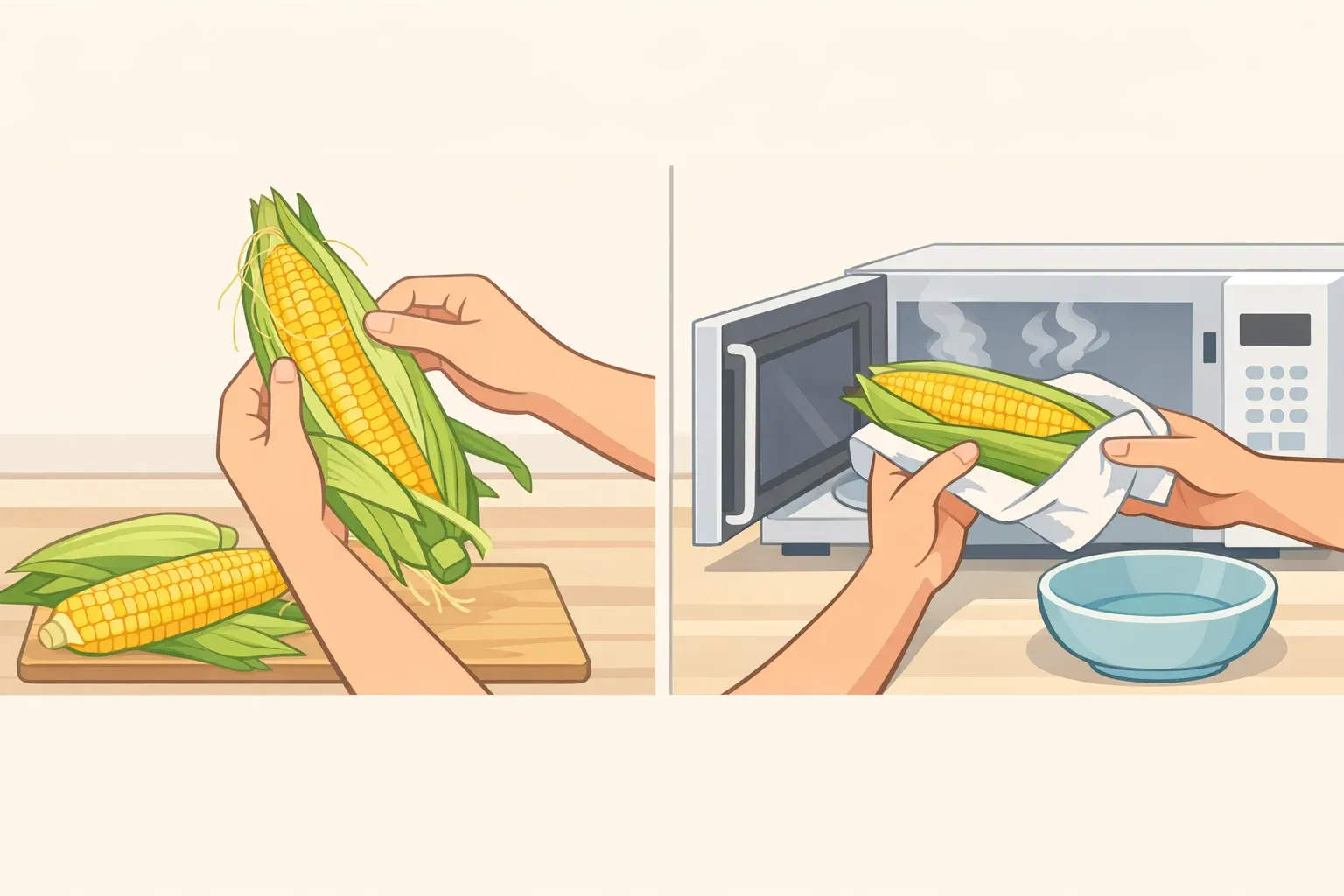
Fresh corn gives the pasta the best sweetness and texture, especially in summer. Cut the kernels from the cob just before cooking so they stay juicy and crisp.
Frozen corn is the easiest year-round option. Thaw it first, then pat it dry with a clean towel or paper towels. Wet corn steams in the skillet instead of browning, which can make the finished dish taste flatter.
Canned corn works only as a backup. It is softer and wetter than fresh or frozen corn, so drain it well, rinse it if needed, and press it dry before adding it to the skillet. It will not have the same snap as fresh corn, but it can still work for a pantry version.
Step 1: Start the Pasta Water
Bring a large pot of salted water to a boil. Add the spaghetti and cook it for about 1 minute less than the package's al dente timing.
Before draining, scoop out 1/2 cup of pasta water and set it aside. This starchy water helps loosen and bind the sauce later, so do not skip it.
Drain the pasta, but do not rinse it. The surface starch helps the sauce cling.
Step 2: Cook the Corn
Heat the olive oil in a large high-sided skillet over medium heat. Add the corn and cook for 2 to 3 minutes, stirring occasionally, until it looks bright and smells sweet.
Fresh corn should lose its raw edge. Frozen corn should be fully warmed through with some of its moisture cooked off.
If the corn is not picking up any color, give the pan more time. Crowded or damp corn will steam before it browns, so spread it out and avoid stirring constantly.
Step 3: Add Garlic and Bloom the Spices
Push the corn to one side of the skillet. Add the minced garlic and stir for about 30 seconds, just until fragrant.
Add the smoked paprika, cayenne, and kosher salt. Stir everything together so the spices coat the corn in the oil.
This quick step helps the paprika and cayenne spread evenly through the sauce instead of clumping once the cream is added.
Step 4: Build the Cream Sauce
Lower the heat to medium-low. Add the heavy cream and sour cream, then stir until the sauce is smooth.
Let it simmer gently for about 3 minutes, stirring now and then. Do not let it boil hard. The sauce is ready when it lightly coats the back of a spoon.
If the sauce looks greasy, separated, or too thick, pull the pan off the heat and whisk in a small splash of reserved pasta water. Add only a little at a time; too much water will thin the sauce before it has a chance to cling to the pasta.
The sour cream adds tang and body, which keeps the sauce from tasting like plain cream pasta.
Step 5: Finish the Pasta in the Skillet
Add the drained spaghetti directly to the skillet. Toss it through the sauce over medium-low heat for 2 to 3 minutes.
Add reserved pasta water 1 tablespoon at a time until the sauce turns glossy and coats the strands. You may not need the full 1/2 cup.
The goal is sauce that clings to the pasta, not sauce that pools at the bottom of the pan. Keep tossing until the spaghetti looks evenly coated and the corn is distributed throughout.
Step 6: Add the Street Corn Finishes
Divide the pasta among four bowls. Top each serving with cotija, cilantro, scallion, and a light dusting of smoked paprika.
Serve lime wedges on the side and squeeze the lime over the pasta right before eating. Adding lime at the table keeps the flavor bright and cuts through the richness of the cream sauce.
Cotija is worth using if you can find it. Bon Appétit describes cotija as a firm, dry, salty cheese, which is why it works well as a finishing cheese here. If you cannot find cotija, feta is the closest easy substitute for a softer, tangier finish. Parmesan can work in a pinch, but it will push the dish farther from the street corn flavor.
Easy Adjustments
For less heat, reduce the cayenne to 1/4 teaspoon or leave it out entirely. Keep the smoked paprika, since it brings flavor without much heat.
For more heat, add a pinch of chili powder or a few dashes of hot sauce at the end. Add heat gradually so it does not overpower the corn and lime.
If you do not like cilantro, use a smaller amount or replace it with extra sliced scallions. The dish still benefits from something fresh at the end, so avoid skipping the green garnish entirely.
For gluten-free pasta, use a sturdy gluten-free spaghetti or short pasta and watch the cooking time closely. Gluten-free pasta can soften quickly, so pull it early and finish it gently in the sauce.
Storing Leftovers
Store leftovers in an airtight container in the refrigerator for up to 3 days.
The sauce will thicken as it chills because the pasta continues absorbing moisture. Reheat it gently in a skillet over medium-low heat with a splash of cream, milk, or water. Stir slowly until the sauce loosens and coats the pasta again.
Do not freeze this dish. Cream-based sauces often separate after thawing, and the pasta texture can turn soft.
If You Want a Cold Pasta Salad Version
This skillet pasta is best served hot, but the same flavor idea can work as a cold pasta salad with a few changes.
Use a short pasta such as rotini, penne, or shells instead of spaghetti. Short shapes hold dressing better after chilling.
Skip the warm cream sauce and make a cold dressing with mayonnaise or Greek yogurt, lime juice, lime zest, smoked paprika, and a little cayenne. Toss it with cooked pasta, charred or sautéed corn, cotija, scallions, and cilantro.
For context, Serious Eats' esquites-style corn salad uses the same basic balance that makes this flavor combination work: corn, creamy dressing, cotija, chile, lime, and herbs. A pasta salad version should taste tangy and bright, not heavy.
Chill the salad for at least 20 to 30 minutes before serving. Pasta absorbs dressing as it sits, so keep a little extra dressing or a splash of pasta water nearby to loosen it before it goes to the table.
Quick Takeaways
Use fresh corn when it is in season and frozen corn the rest of the year. Dry the kernels well so they cook instead of steam.
Reserve pasta water before draining. It is the easiest way to fix a sauce that gets too thick.
Keep the cream sauce at a gentle simmer, not a hard boil. Lower heat helps prevent separation.
Finish with cotija and lime. Those two ingredients help the pasta read as street-corn-inspired rather than just creamy corn pasta.



Comments
Be the first, drop a comment!