



Reviewed by: Y. Garcia
Got 15 minutes and tired of hiding your smile? Here's how to stop food and drink from staining your teeth using simple, dentist-backed tricks that actually work.
You know that sinking feeling when you catch your reflection and notice your teeth looking more yellow than pearly white? Food staining happens when colored compounds called chromogens bind to your tooth enamel (according to dental research). The worst culprits pack a double punch — they're both highly pigmented and acidic, which weakens enamel and makes staining worse (Expert Reviews). But here's the good news: research shows most tooth stains are completely preventable with the right approach.
Know your staining enemies (and why they're so sneaky)
The biggest troublemakers aren't always obvious. Red wine and coffee get all the attention, but tomato sauce creates what dentists call "the perfect storm" of staining properties (Colgate research). Think about it — pasta night happens way more often than wine tasting, right? Curry spices are equally delicious and highly pigmented, making them major staining risks (same Colgate study). Even balsamic vinegar packs a color punch on your teeth (Colgate).
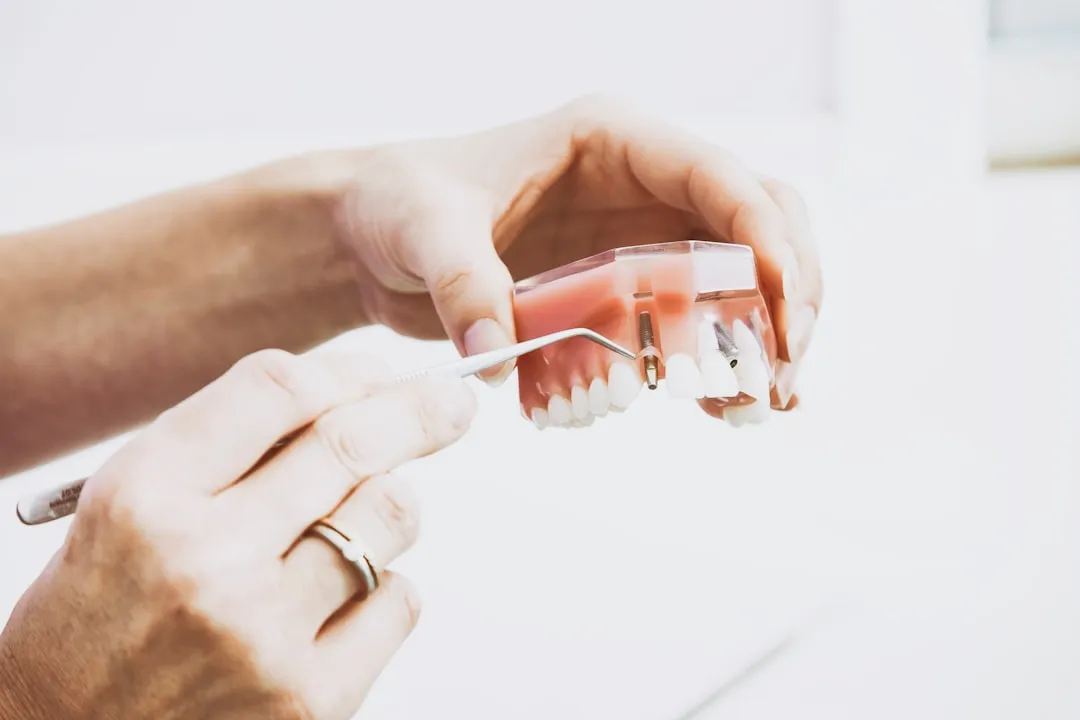
Here's what makes staining so effective: your teeth are surprisingly porous, with tiny tunnels running through their structure (BBC Good Food). When large stain molecules enter these tunnels, they get lodged and linger (BBC Good Food). It's like trying to get red wine out of a white shirt — those pigments really want to stick around.
Acidic foods and beverages make this whole process worse by weakening enamel first, essentially rolling out the red carpet for stains that follow (Verna Miconic). So that morning, lemon water you thought was healthy? It's actually prepping your teeth for whatever staining foods come next.
The straw trick (and other drink hacks that work)
This one's almost too simple to believe, but using a straw helps staining dyes avoid teeth altogether (Colgate research). I know, I know — drinking your morning coffee through a straw feels weird at first. But this simple positioning change bypasses your front tee,th where stains are most visible (BBC Good Food).
Here's another timing hack that makes a huge difference: wait 30 to 45 minutes after consuming acidic things before brushing your teeth (Cedar Walk Dentistry). During this window, acid temporarily softens your enamel, and brushing immediately can actually scrub away protective layers when they're most vulnerable.
The easiest prevention method? Rinsing with water after eating or drinking anything staining helps wash away pigments before they set (Verna Miconic). Water constantly cleanses the mouth and contributes to a whiter smile (Pure Smile Tips).
Tip: Keep a reusable straw at your desk for coffee and tea — it looks more professional than you'd think.
Foods that fight back against stains
Not all foods are working against your smile. Some actually help clean your teeth while you eat them, which is pretty amazing when you think about it. Crunchy vegetables like celery and carrots are excellent for fighting plaque (Pure Smile Tips). The physical action of chewing these fibrous foods creates a natural scrubbing effect.
Raw broccoli works double duty — the crunch cleans your teeth while forming a natural barrier (Pure Smile Tips). Chewing apples and pears helps scrub your teeth, naturally removing plaque and stains (Pure Smile Tips). It's like having a mini dental cleaning with your snack.
Some foods bring unique stain-fighting properties to the table. Pineapple is unique in the fruit world — it's a natural source of bromelain, a powerful enzyme that fights stains (Pure Smile Tips). Strawberries contain natural acids that lift away surface stains, though you should rinse afterward to protect enamel (Pure Smile Tips).
Here are some powerful additions many people overlook: shiitake mushrooms naturally fight plaque due to a specific compound that helps stop plaque before it starts (Pure Smile Tips). Basil helps your mouth fight bacteria that cause plaque and stains (Pure Smile Tips). Even sesame seeds act like a mild scrubber while providing calcium to strengthen enamel (Pure Smile Tips).
For tooth structure support, hard cheese and nuts help rebuild and protect tooth structure by providing calcium and phosphate (Pure Smile Tips). Think of these foods as your teeth's construction crew.
Note: Preparation matters — raw carrots help clean teeth, but carrot soup can actually stain them.
What NOT to try (avoid these dangerous DIY tricks)
Here's where things get serious. Skip the lemon juice hack completely — acids like this erode enamel chemically and ultimately yellow teeth by thinning the protective layer (AOL research). I've seen people try this, thinking citrus will naturally whiten teeth, but it actually makes staining worse over time.
Straight baking soda applied directly to enamel is like taking sandpaper to your teeth (AOL). While baking soda can be effective in proper concentrations, using it straight from the box is too abrasive. There's zero credible evidence that charcoal whitens teeth, and it can damage them (AOL).
The problem with these DIY approaches is that acid and abrasion cause permanent enamel loss (AOL). When enamel is damaged by acidic foods, acid reflux, or teeth grinding, it can lead to cavities, infections, and sensitivity (AOL). Many charcoal products also lack fluoride, which increases long-term risk (AOL).
Safety First: Never use undiluted acids or abrasives on your teeth. Enamel doesn't grow back once it's gone.
Keep it simple with proven daily habits
The most effective stain prevention isn't complicated or expensive. Regular brushing twice daily with fluoride toothpaste and flossing at least once a day helps remove plaque and stains between teeth (Verna Miconic). If you don't remove dental plaque thoroughly, you're more likely to develop discoloration since stains cling more easily to plaque (Aquafresh).
Professional cleanings every 6 months help prevent stain buildup and detect early signs of discoloration (Verna Miconic). Think of these as your preventive maintenance appointments.
Here's something most people don't realize: saliva naturally washes away stain-causing particles, so staying hydrated matters (Verna Miconic). Dry mouth conditions increase the risk of stain buildup because you lose this natural cleaning system (Verna Miconic). Replace your toothbrush every three months to maintain effectiveness (Cedar Walk Dentistry).
Why it works: Consistent removal of plaque prevents stains from having a surface to cling to, while regular hydration keeps your mouth's natural cleaning system working properly.
Cleanup & Maintenance
Rinse immediately after consuming staining foods or drinks
Keep straws handy for coffee, tea, and other pigmented beverages
Store whitening toothpaste in a cool, dry place
Schedule dental cleanings every 6 months for professional stain removal
That's it — clean habits, smart food choices, and avoiding the risky DIY tricks. Your teeth (and your smile) will thank you for keeping it simple and safe.






Comments
Be the first, drop a comment!