



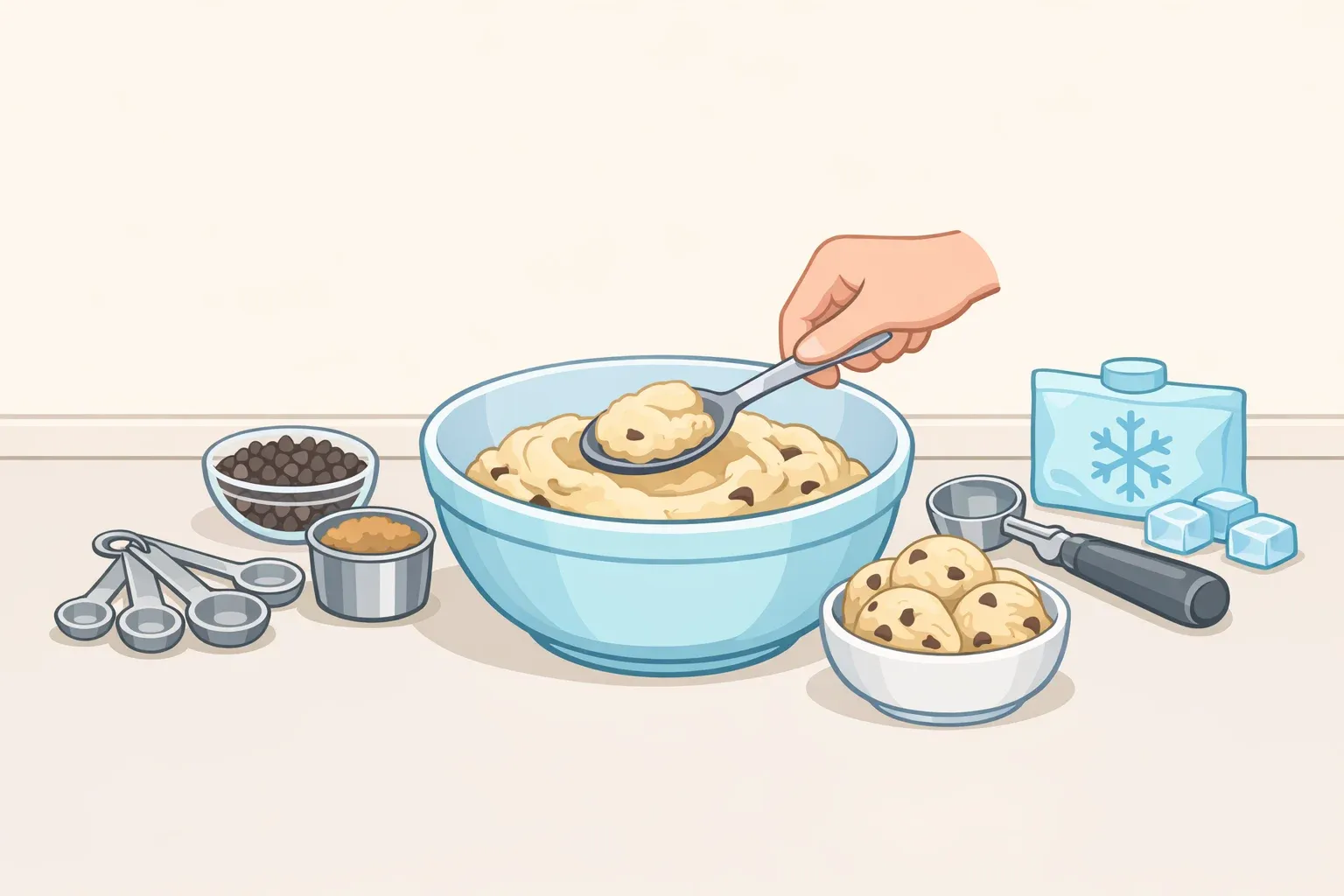
Edible Sugar Cookie Dough: Safe, Easy 15-Minute Recipe
This guide walks you through making a purpose-built edible sugar cookie dough that's safe to eat unbaked, tastes better cold than any refrigerated tube will, and takes 15 minutes start to finish. By the end, you'll have a small-batch recipe you can make on demand, a clear understanding of why the packaged dough belongs in the oven, and the two-step safety method that makes raw cookie dough safe to eat without any special equipment.
The distinction matters more than most people realize. Store-bought refrigerated dough is baking dough, made for the oven. The raw dough you actually want is a different product built with a different method. Conflating the two is where things go wrong, on both the safety side and the flavor side.
Two different things that look like the same thing
Most people know raw eggs carry Salmonella risk. Almost nobody thinks about the flour.
Standard all-purpose flour looks like a processed pantry staple, but most of it is raw. Pathogens can contaminate grain while it's still in the field or during milling, and neither grinding nor bleaching kills them, according to Serious Eats, citing CDC guidance. Both raw eggs and uncooked flour carry foodborne illness risks including Salmonella and Listeria.
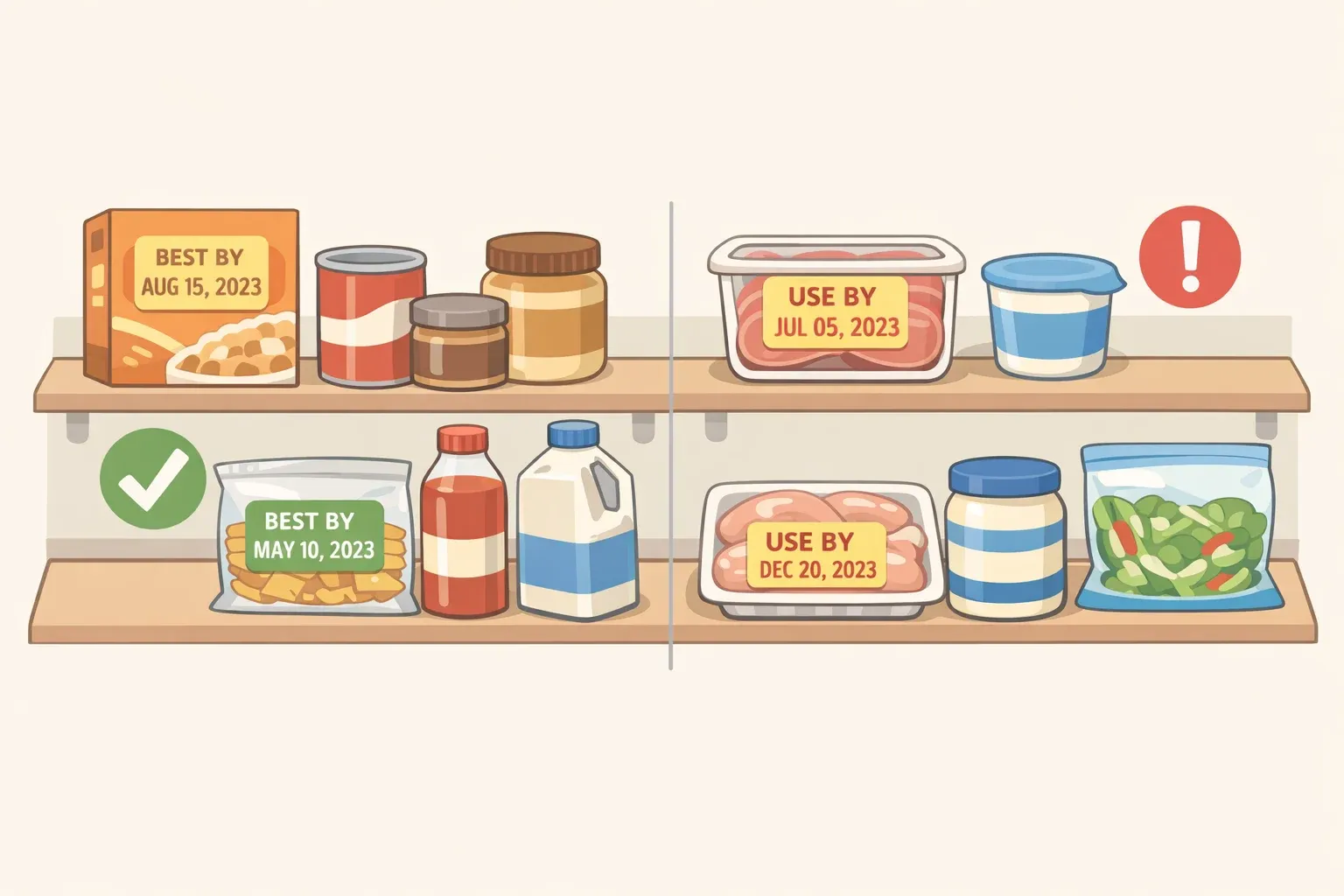
That flour is inside the packaged dough. A tube marked "ready to bake" is not a tube marked "safe to eat raw." Those are different claims. If yours doesn't say the latter, assume it means the former.
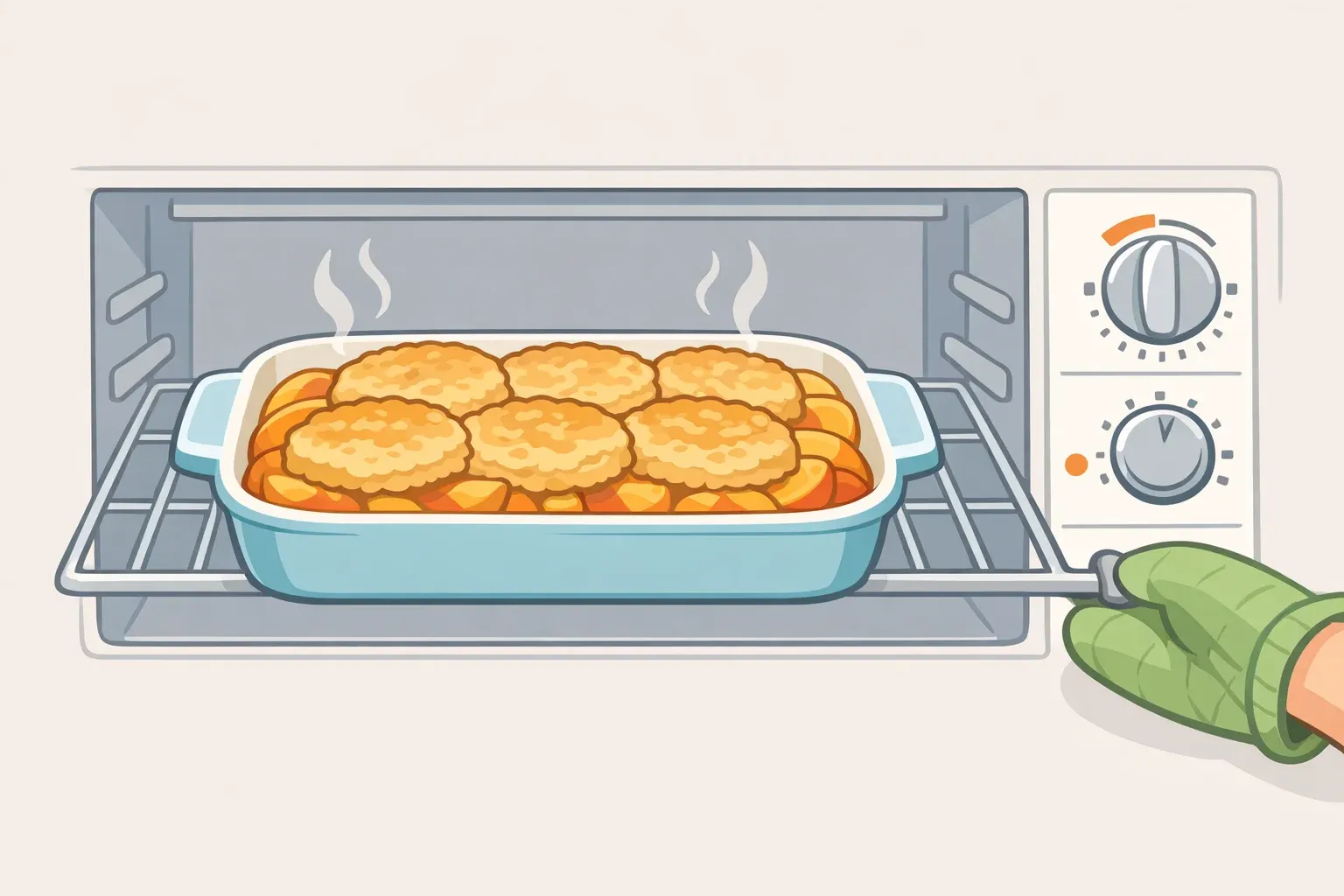
Bake the packaged dough. Make this for everything else.
How to make sugar cookie dough safe to eat
Making raw cookie dough safe to eat requires more than skipping the eggs. The flour problem is just as real. Here's the full checklist:
Skip the eggs entirely. Eggs contribute moisture and richness, both of which get replaced by other means in this recipe. Eliminating them removes one of the two main foodborne risks, per Serious Eats.
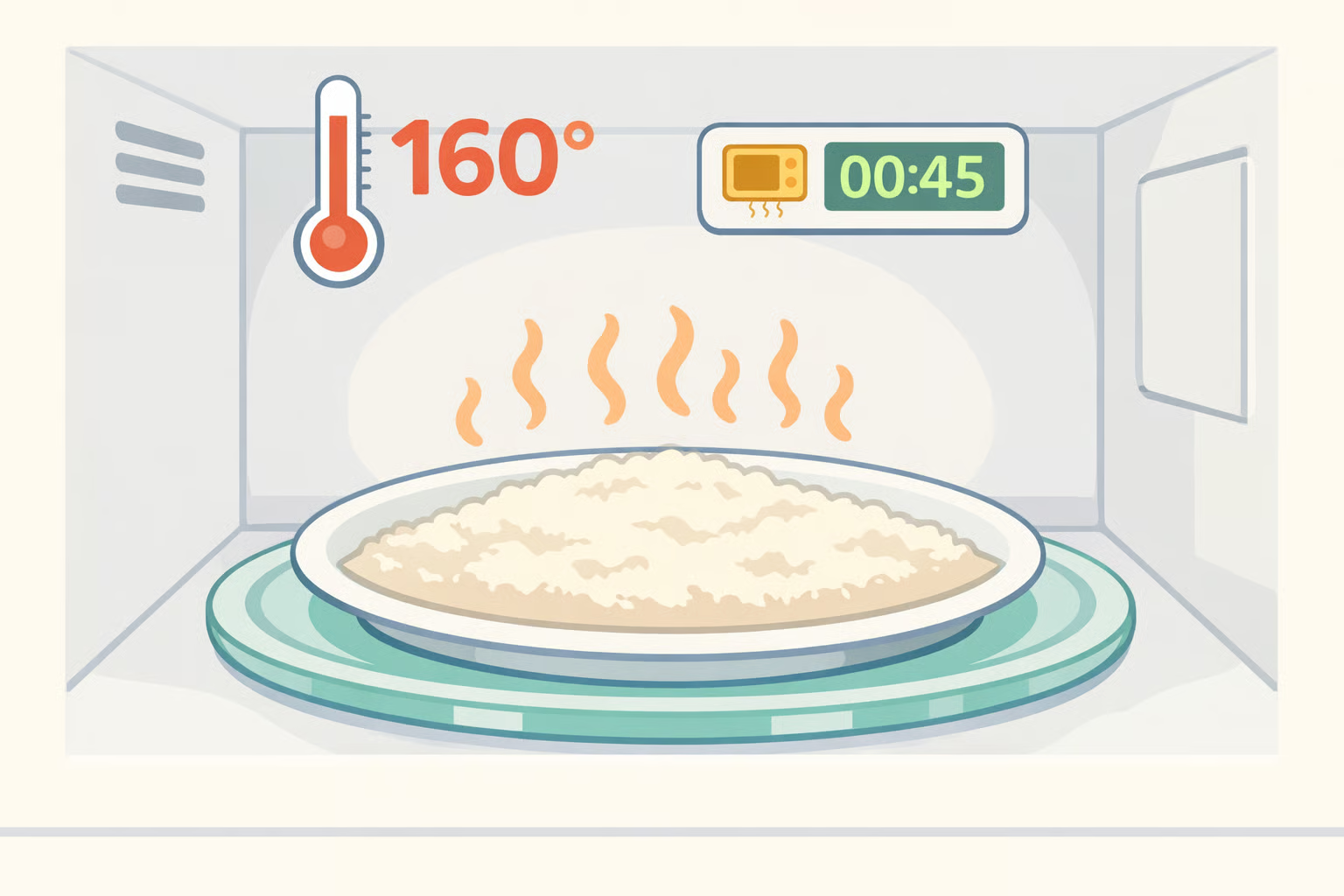
Heat-treat the flour to 160°F. Bacteria in flour die once they hit 160°F, the same threshold reached during baking, according to Serious Eats. A one-minute microwave blast on a flat plate gets the job done. No oven required, no thermometer needed for this small a quantity.
Cool the flour before mixing. This is the step most people skip when they read it. Warm flour added to melted butter causes the fat to separate and leaves the finished dough greasy rather than smooth. Three to five minutes on the counter is enough.
Eat it the same day. The texture is best within the first hour; the dough dries out gradually in the refrigerator and can be stored airtight for up to one day, per Serious Eats, but it's not a make-ahead item.
Those four steps are the whole safety framework. The rest is just making it taste good.
Why raw packaged dough tastes worse than you'd expect
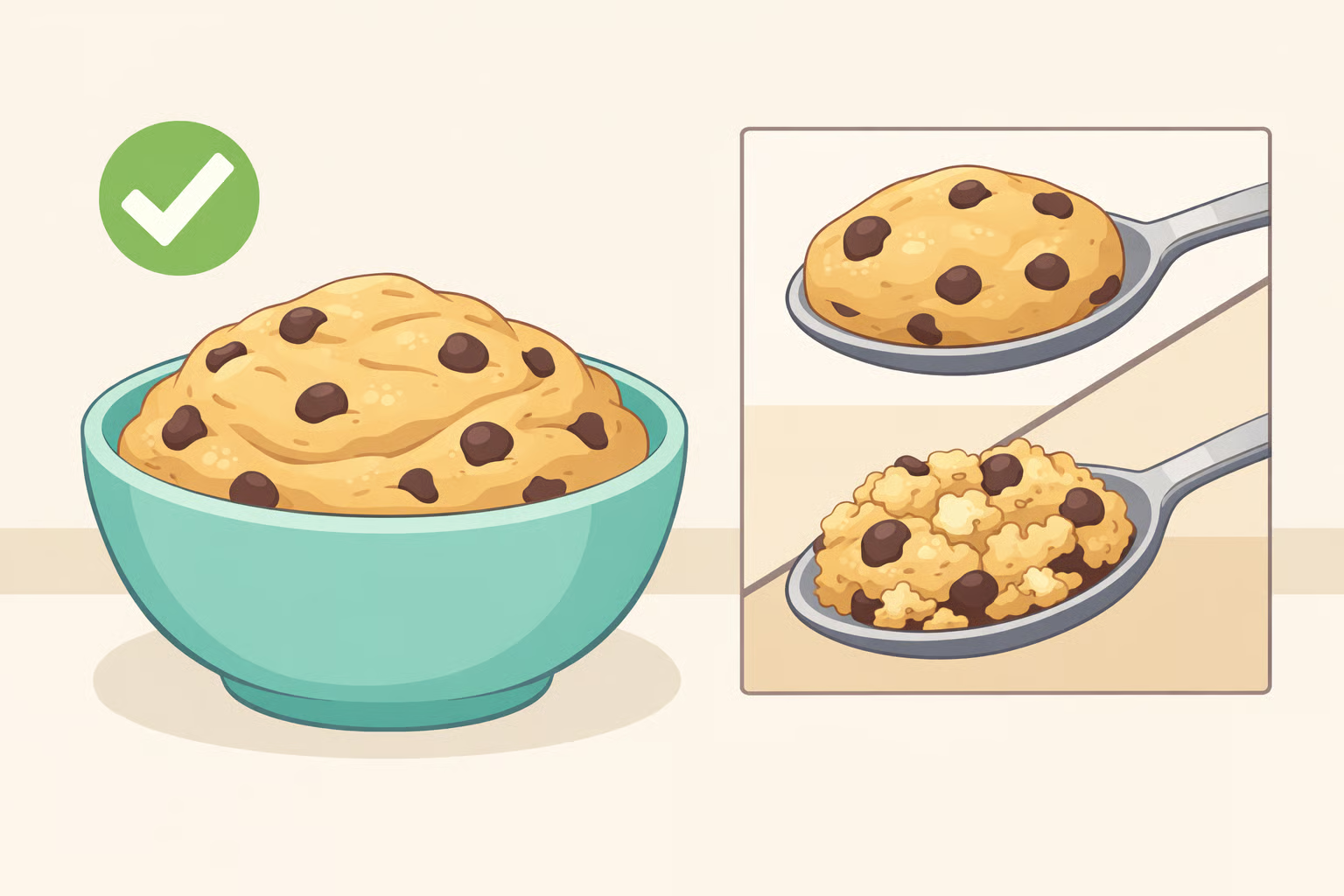
This isn't just a safety redirect. There's a genuine flavor argument here.
The microwave step does double duty. Bringing the flour past 160°F kills pathogens, but the brief heat also drives off the flat, starchy taste that raw flour contributes, per Serious Eats. Baking dough eaten raw carries that flavor because the flour was never treated. Edible dough doesn't. That's a noticeable difference on the palate.
The butter ratio does the heavy lifting where eggs used to. This recipe uses almost equal parts flour and butter by weight, 32g flour to 28g butter, a much higher butter percentage than standard cookie recipes call for, per Serious Eats. The result is rich enough that the missing eggs don't register as an absence.
Brown sugar rather than granulated produces a deeper, toffee-forward flavor that reads as more satisfying when eaten cold, per Serious Eats. A small pour of milk, just two tablespoons, hydrates the flour fully and keeps the texture smooth rather than sandy. The combination means the dough tastes like something designed to be eaten as-is, not a diminished version of something that should have gone in the oven.
Baking dough eaten raw is a lesser version of baking dough. This recipe is built for the spoon from the start.
How to make it: the method
The technique below comes from Serious Eats, originally developed for a chocolate chip cookie dough and adapted here toward a vanilla-forward sugar cookie profile. Sprinkles instead of chips for funfetti; nothing added for a clean vanilla dough.
This is a small-batch recipe yielding one to two servings. Make it when you want it.
What you need:
- ¼ cup (32g) all-purpose flour
- 2 tablespoons (28g) unsalted butter, melted
- 2 tablespoons packed brown sugar
- ⅛ teaspoon vanilla extract
- ⅛ teaspoon kosher salt (use half the volume for table salt)
- 2 tablespoons (30ml) whole milk
- Optional: 2 tablespoons rainbow sprinkles or mini chocolate chips
Total time: 15 minutes. Active work: about 5 minutes. Chilling: 10 minutes.
Step 1: Heat-treat the flour.
Spread the flour in a flat, even layer on a microwave-safe plate. Microwave on high for 1 minute. This brings the flour past 160°F, killing any pathogens present and stripping out the starchy flat taste that makes unbaked dough taste raw, per Serious Eats.
Set aside to cool for 3 to 5 minutes before using. The flour is ready when it no longer feels warm to the touch; a quick press with a fingertip is enough to check.
⚠️ Don't skip the cooling time. Warm flour added to melted butter causes the fat to separate, leaving the dough greasy instead of smooth.
Step 2: Build the butter base.
In a medium bowl, whisk together the melted butter, brown sugar, vanilla, and salt until the sugar is fully dissolved and the mixture looks smooth rather than grainy. About a minute of active whisking gets you there. The mixture should look glossy and slightly thickened, not separated or streaky.
Step 3: Whisk in the milk.
Add the milk after the sugar is dissolved, then whisk until fully combined. The milk replaces the moisture a whole egg would normally contribute, keeping the texture smooth rather than dry or sandy, per Serious Eats. Dissolved sugar absorbs the milk more evenly and prevents grainy pockets in the finished dough, so the order matters here.
Step 4: Fold in the flour.
Using a rubber spatula or the back of a large spoon, stir the cooled flour into the butter mixture until no dry streaks remain. The dough will be soft and loose at this stage. That's correct. Fold in sprinkles now if using.
⚠️ For funfetti, sprinkles folded in here will bleed some color into the dough. If you want them to stay bright, stir them in right before serving.
Step 5: Chill for 10 minutes.
Cover the bowl and refrigerate for at least 10 minutes. The butter firms as it cools, taking the dough from loose and sticky to scoopable. Before chilling it will look more like a batter than a dough; after 10 minutes it should hold its shape when scooped. The texture difference is significant enough to be worth the wait.
The dough can sit in the refrigerator for up to an hour before serving if you need the flexibility, per Serious Eats. Beyond that, it starts to dry at the edges.
Step 6: Serve.
Scoop into small balls or eat from the bowl. The dough is best within the first hour. It can be stored airtight in the refrigerator for up to one day, per Serious Eats, but the texture declines as it dries. This is not a recipe that improves with time.
Flavor variations worth trying
The base recipe is vanilla-forward and neutral enough to go several directions. The same Serious Eats method that underlies this adaptation also works for funfetti (rainbow sprinkles folded in at the end), double chocolate (cocoa added to the dry ingredients, chocolate chips folded in after), and peanut butter versions. The method doesn't change; only the mix-ins do.
For the sugar cookie version specifically: leave it plain for the cleanest vanilla flavor, or fold in two tablespoons of rainbow sprinkles for a funfetti version that's festive without being cloying. Mini chocolate chips work too, though they push the flavor profile away from sugar cookie territory and toward something closer to chocolate chip. All valid options. The base holds up to any of them.
What you've got at the end
Use packaged refrigerated dough for baking. Make this when you want to eat dough raw. Two different use cases that happen to involve similar-looking products, and keeping them separate is both the safe move and the better-tasting one.
The safety framework comes down to two steps: heat-treat the flour to 160°F to eliminate pathogen risk and strip the starchy raw taste, then skip the eggs entirely. A higher butter ratio fills in for the richness eggs would have contributed, and two tablespoons of milk handles the moisture. Once you've made this once, pulling a tube from the refrigerator and eating it raw becomes the obviously inferior option for this particular craving. The effort gap is smaller than you'd think, and the result isn't close.


Comments
Be the first, drop a comment!