



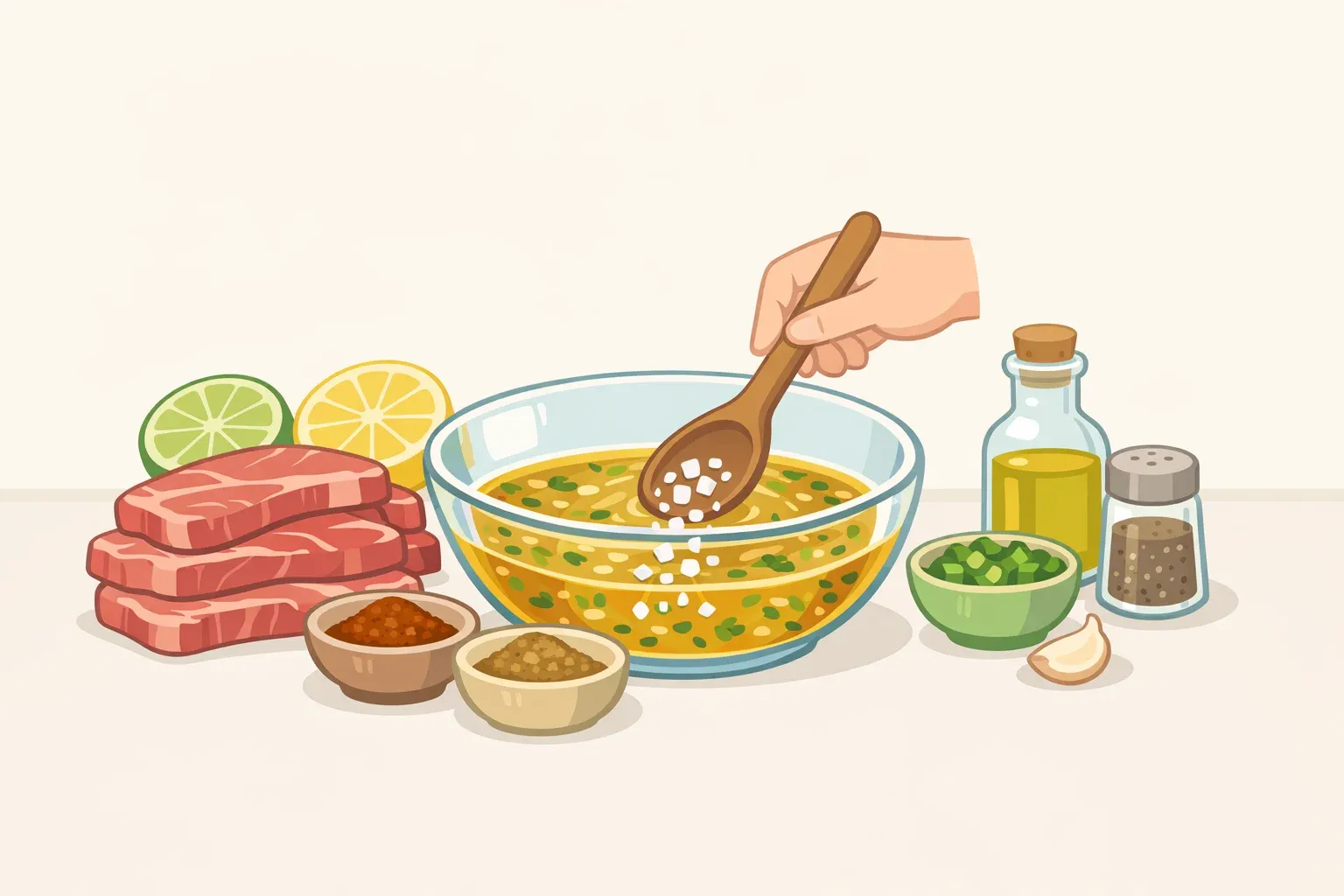
Here's the short answer: whisk together soy sauce, lime juice, neutral oil, brown sugar, garlic, chili powder, cumin, smoked paprika, and a pinch of kosher salt. Marinate skirt or flank steak for at least four hours. Cook it over the highest heat you can manage. That's the fajita marinade recipe. Everything below explains why it works, and what to do when you don't have four hours.
Why fajita marinades fall flat
A marinade has two distinct jobs, and most recipes conflate them.
The first job is brining. Salt penetrates muscle tissue, partially dissolves the proteins responsible for contraction, and causes the meat to hold more water during cooking. Less contraction means more juice. For a standard fajita marinade, salt is the ingredient doing the meaningful interior seasoning, and it requires time to work, as Serious Eats documented in controlled testing published in 2023.
The second job is surface treatment. Oil, acid, and spices coat the exterior, add flavor to the crust, and help with browning. These are worth including. They just don't do what most cooks assume they do.
Flavor compounds in cumin and black pepper are large molecules that don't migrate meaningfully into muscle tissue. In Serious Eats' testing, pepper and cumin did not meaningfully season the interior after eight hours, while garlic was barely perceptible beyond the surface. Lime juice affects surface texture, not internal seasoning, and too much left too long can degrade that texture rather than improve it. Salt is the only seasoning component that reliably penetrates meat in a standard fajita marinade, which is why soy sauce belongs at the center of the formula rather than the edge of it.
Cumin, chili powder, garlic, and lime are still earning their place, building the crust and char that make fajitas taste like fajitas. Just don't ask them to fix a flat interior. That's not what they're for.
How to make a better steak fajita marinade
This formula is adapted from ratios used by Serious Eats, with spice choices drawn from NYT Cooking's fajita seasoning blend. It covers 1.5 to 2 pounds of skirt or flank steak.
Prerequisites: A large bowl or zip-top bag, about 15 minutes of active prep, and a minimum of three hours before cooking. Four is better.
The marinade:
3 tablespoons soy sauce (primary salt delivery, with savory depth)
3 tablespoons fresh lime juice (surface brightness; adds acidity)
3 tablespoons neutral oil (promotes browning; conducts heat at the surface)
1 tablespoon brown sugar (supports caramelization and char over high heat)
3 cloves garlic, minced
1 teaspoon chili powder
1 teaspoon ground cumin
½ teaspoon smoked paprika
½ teaspoon kosher salt
½ teaspoon black pepper
The soy sauce is doing the heavy lifting. It combines sodium, water, and savory compounds in one ingredient, which is why it anchors the Serious Eats sheet-pan skirt steak marinade and similar tested preparations. Brown sugar seasons the surface and supports browning; sugar in a marinade promotes caramelization during high-heat cooking, as Serious Eats notes. NYT Cooking recommends adding lime zest just before using rather than letting it sit in the marinade, which preserves citrus brightness without extended acid contact.
Step-by-step:
Whisk wet ingredients together. Combine soy sauce, lime juice, oil, and brown sugar until the sugar dissolves. This is the brine core.
Add aromatics and dry spices. Stir in minced garlic, chili powder, cumin, smoked paprika, kosher salt, and black pepper. The marinade should smell sharp and savory.
Taste it. It should taste noticeably salty, not balanced. The meat will dilute it. If using low-sodium soy sauce, add another ¼ teaspoon kosher salt and taste again.
Add the meat and coat evenly. Place steak in a zip-top bag or airtight container, pour in the marinade, press out excess air, and seal. Massage briefly.
Refrigerate safely. The USDA recommends marinating raw meat in the refrigerator, not on the counter. If you want to use any marinade as a sauce, reserve some before it touches the raw steak or boil the used marinade before serving.
On the vegetables: Bell peppers and onions don't benefit from marination the way protein does. Salt draws out moisture before they hit the pan, which leads to steaming rather than searing. Toss them in oil with dry spices right before cooking, not hours before.
How long to marinate steak for fajitas
The brining effect is limited under one hour; there simply isn't enough time for sodium to penetrate even the first millimeter of tissue. The effective window is one to eight hours, with benefits tailing off after that for some proteins, per Serious Eats testing.
Skirt or flank steak:
Ideal: 4 to 8 hours. Testing found eight-hour beef samples rated highest for seasoning and juiciness
Minimum: 3 hours. The Serious Eats sheet-pan skirt steak recipe sets this as the floor, with up to ten hours as the ceiling
Overnight: Beef handles 24 hours without becoming rubbery, though it's not meaningfully better than eight hours (Serious Eats)
Chicken (thighs or breasts):
Ideal: 4 hours. Serious Eats testing found this balance of seasoning, tenderness, and juiciness rated best among tasters
Do not exceed 8 hours for breast meat. The 24-hour sample turned rubbery with an unpleasant springy texture; chicken over-brines where beef does not
Short window: 30 minutes to 1 hour produces mostly surface seasoning, not interior brining. Better than nothing
Seafood is different: already-tender proteins can turn tough or mushy with long marinating, so keep acidic marinades short.
A note on fresh pineapple: If you substitute fresh pineapple juice, limit marination to 30 minutes for any protein. Bromelain, the enzyme in fresh pineapple, breaks down proteins aggressively. Serious Eats testing found it produced the most tender interior of any tenderizer tested but left the exterior mushy and nearly inedible, with the meat losing 32% of its water weight after cooking. Canned pineapple is usually heat-processed, which inactivates bromelain, so it does not have the same aggressive tenderizing effect.
What to do when you're short on time:
30 minutes or less: Skip the full marinade. Season the steak directly with kosher salt, a rub of oil, chili powder, and cumin. Put everything into the heat and the char. You'll get most of the surface flavor with none of the internal brining.
1 to 2 hours: Use the full formula. Expect surface seasoning rather than deep brining; still worthwhile for browning and crust.
4 hours: Full brining effect. This is the target for both steak and chicken.
Overnight: Fine for beef, risky for chicken breast. Stick to steak or use thighs if you're prepping the night before.
High heat matters, too
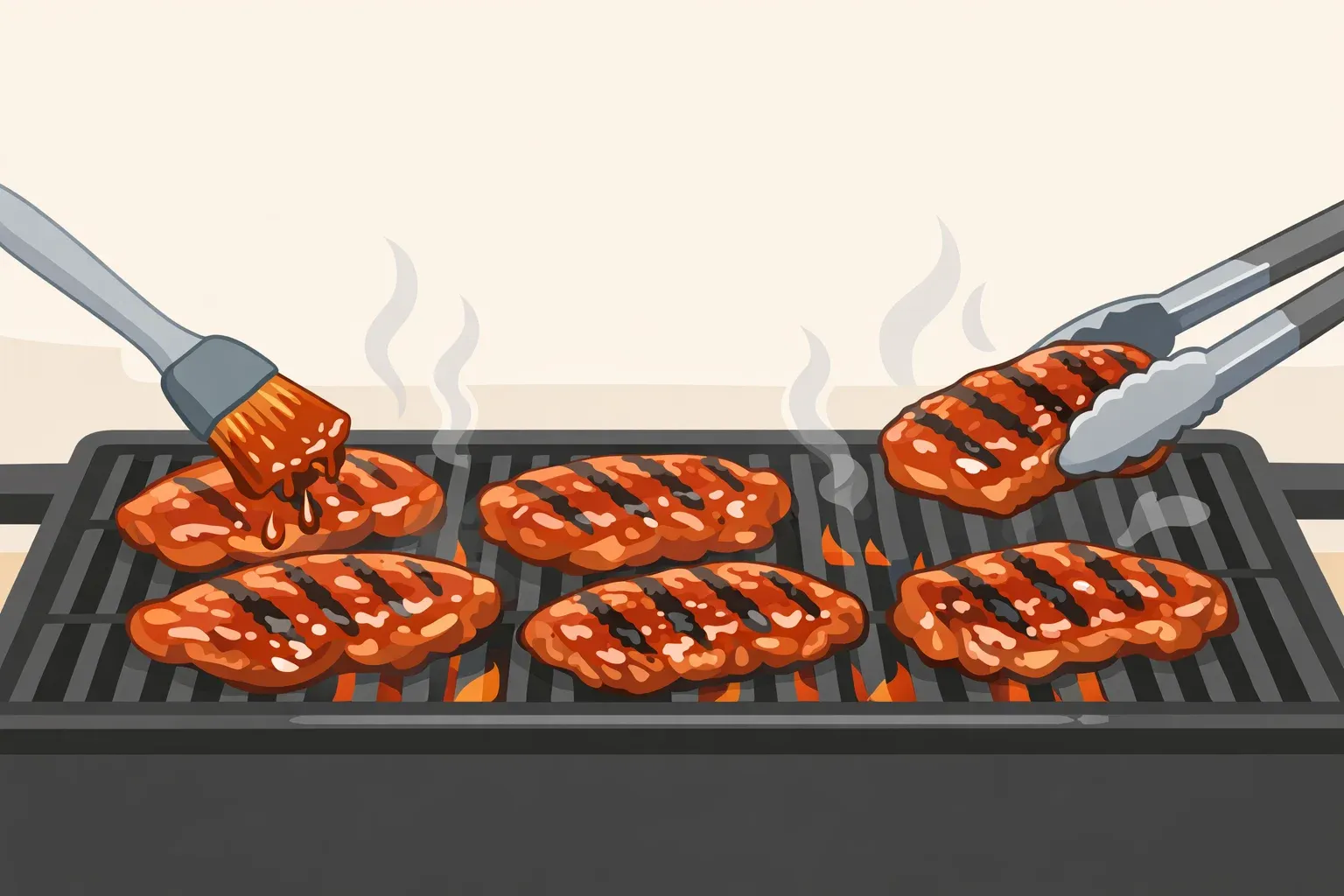
The marinade primes the meat. High heat finishes it. A well-marinated steak cooked at medium heat will taste noticeably flatter than the same steak cooked in a screaming-hot pan or under a broiler; the benefits of marination are only fully realized with high-heat cooking.
Sugar in the marinade promotes browning and caramelization. But it only works when surface temperature is high enough to trigger it.
Skillet method:
Remove steak from marinade and pat dry. Excess liquid steams instead of sears. Dry surface = better crust.
Preheat cast iron over medium-high heat until smoking. Not warm. Hot.
Add a thin film of neutral oil, then the steak. Don't move it. For skirt or flank steak, 3 to 5 minutes per side is a rough guide for medium-rare, but thickness and pan heat matter more than the clock. Check the thickest part with an instant-read thermometer; USDA guidance for whole cuts of beef is 145°F followed by a three-minute rest, though many cooks choose lower temperatures for medium-rare.
Rest 5 minutes before slicing. Then slice against the grain. On skirt and flank steak this is not optional; the grain runs in a single clear direction, and cutting with it produces something close to leather.
Cook peppers and onions in the same pan after the steak comes out. The residual fond and oil carry flavor into the vegetables without extra seasoning.
Don't crowd the pan. If the meat overlaps, it steams. For a full batch, cook in two rounds.
Broiler method:
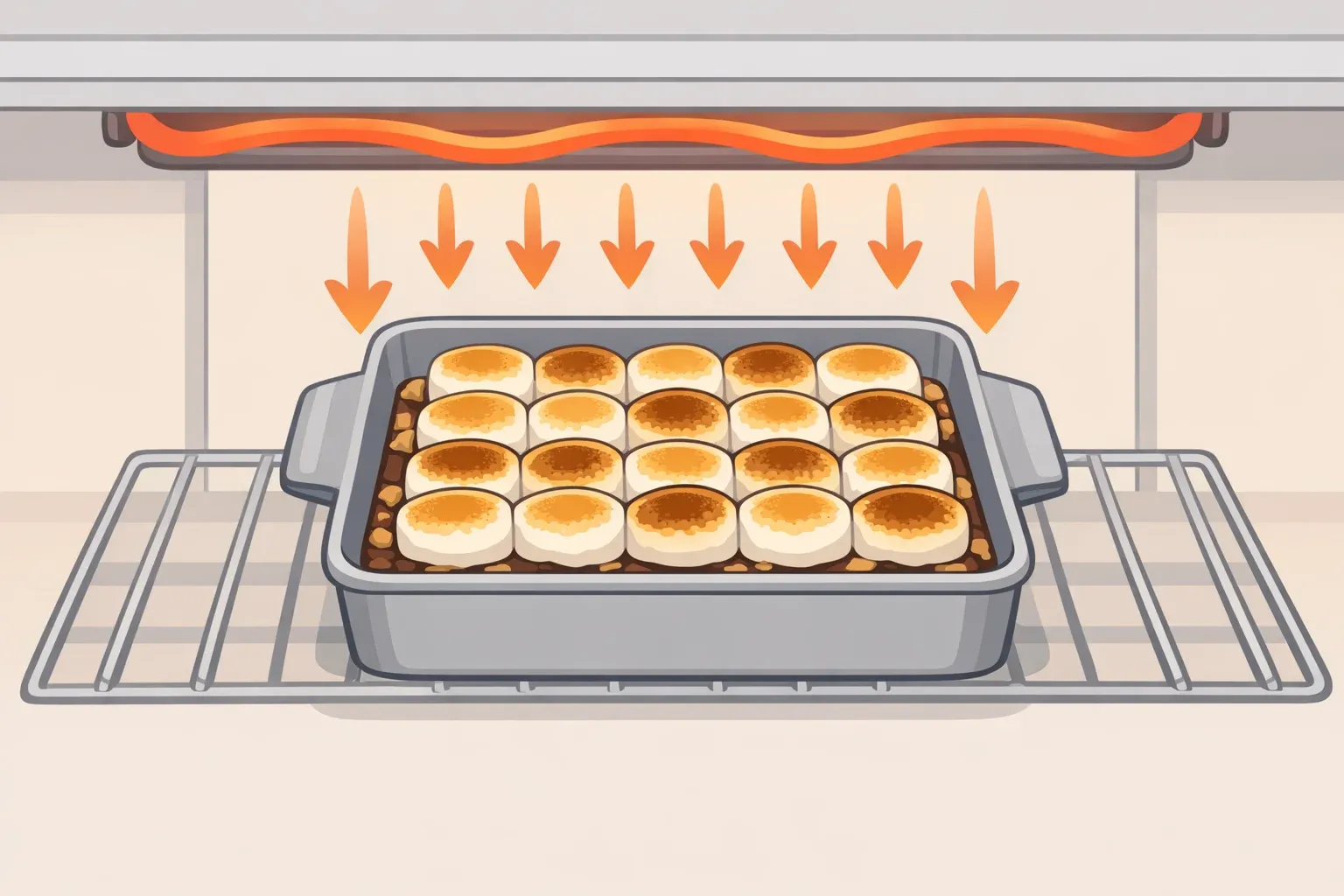
For a sheet-pan version, broil the steak hard on one side to maximize char, then flip it briefly to finish. The same idea works for chicken fajitas: roast until nearly cooked through, then broil briefly for color and smoky-edged flavor.
What to do based on your timing
The right approach depends on what you have:
30 minutes: Salt, oil, dry rub, very hot pan. Surface flavor only, but that's still most of the experience.
4 hours: Full steak fajita marinade, cast iron or broiler, slice against the grain. This is the complete version.
Overnight: Fine for beef. For chicken, use thighs or pull it out after 8 hours.
Using chicken breast: Four hours is the sweet spot. Anything past eight and the texture starts going sideways.
The formula here is intentionally simple. A more elaborate marinade that gets the salt level or timing wrong will underperform a simpler one that gets both right. If you want to skip marinating altogether on rushed nights, a dry fajita seasoning blend applied directly to salted meat before a hot skillet gets you most of the way there.


Comments
Be the first, drop a comment!