



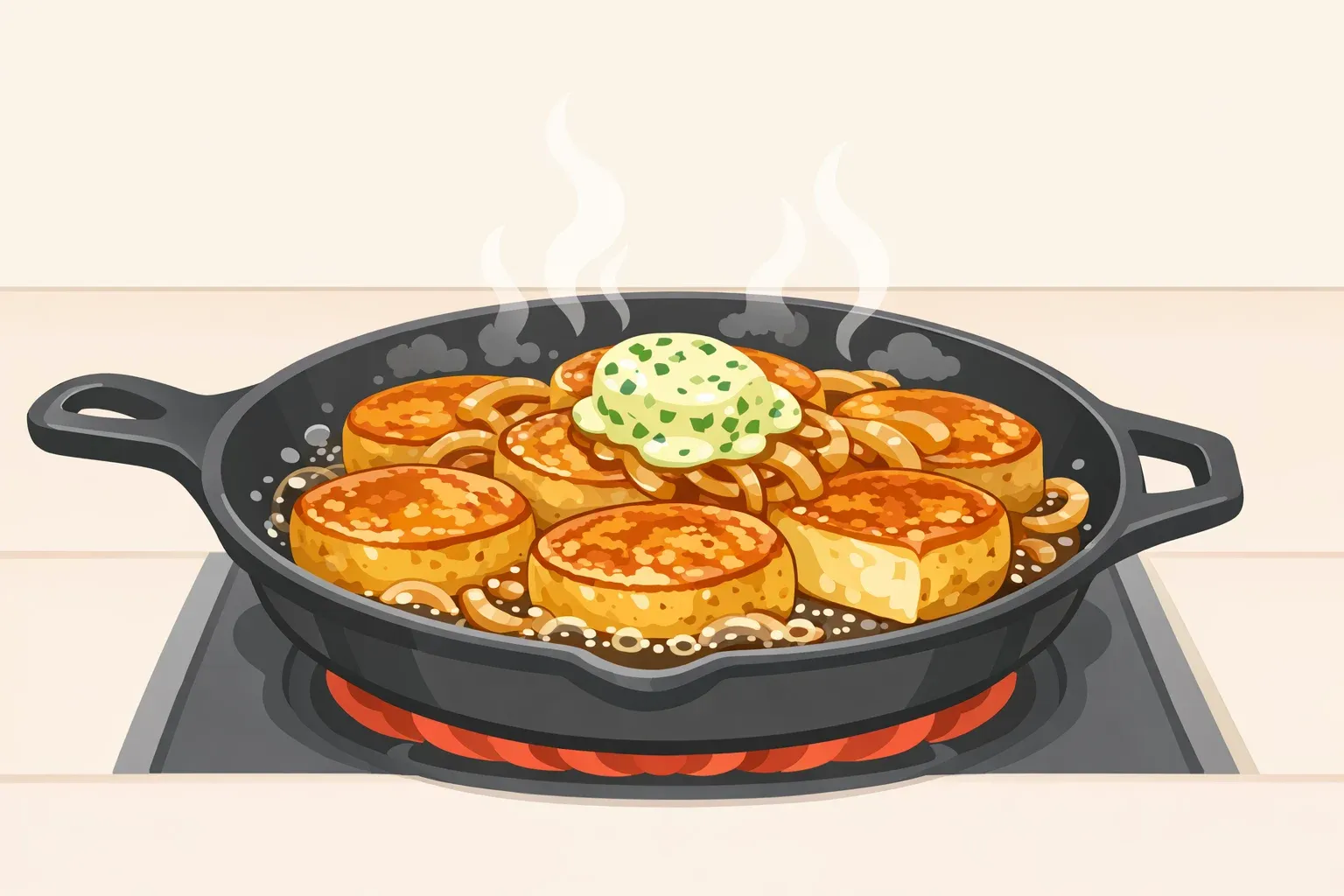
French Onion Melting Potatoes: One-Skillet Recipe in 45 Minutes
This guide walks through a skillet method for making French onion melting potatoes with a crispy exterior and creamy interior, start to finish in under 45 minutes, one pan, no baking dish required. Fair warning up front: this is a weeknight shortcut built around the same crisp-outside, creamy-inside payoff as classic fondant potatoes, not a true melting potatoes recipe. The difference matters, and it's covered below. What makes this version worth cooking is the French onion compound butter caramelized onions and Worcestershire folded into garlic-Parmesan butter which gives the finished potatoes the concentrated, savory depth of French onion soup in every bite.
The technique comes from Serious Eats' garlic-Parmesan skillet potato recipe (April 2025): boil fully, sear cut-side down, toss in compound butter. The French onion treatment is layered on top of that framework. Neither works without the other.
This is the right recipe for four to six people on a weeknight. When you need to feed a crowd or want something that can wait in the oven, a gratin makes more sense. That's covered briefly at the end.
Prerequisites: Large cast iron or nonstick skillet, a saucepan, 45 minutes of active time.
Before you start: two things that cannot be rushed
Most of this recipe moves quickly. Two steps cannot be compressed without ruining the dish.
Start the onions first. Caramelized onions need a minimum of 25-30 minutes over medium-low heat to develop the jammy, mahogany character that makes these potatoes taste like the soup. The difference between properly caramelized onions and ones that are merely soft and pale is time and low heat, not technique. Start them before anything else, and they'll be ready when the potatoes need the pan.
Choose waxy, small potatoes. Serious Eats' garlic-Parmesan skillet potato recipe (April 2025) calls for new or fingerling potatoes, 3 pounds, scrubbed, unpeeled. Waxy small potatoes hold together through a full boil and survive the sear intact. Yukon Golds work if new potatoes aren't available.
Russets don't work here. Too much starch, and they'll fall apart before they hit the pan. Keep that in mind: the potato that's wrong for this recipe is often the right call for a gratin, where a different cooking method and different textural goals apply.
Step-by-step: how to make French onion skillet potatoes
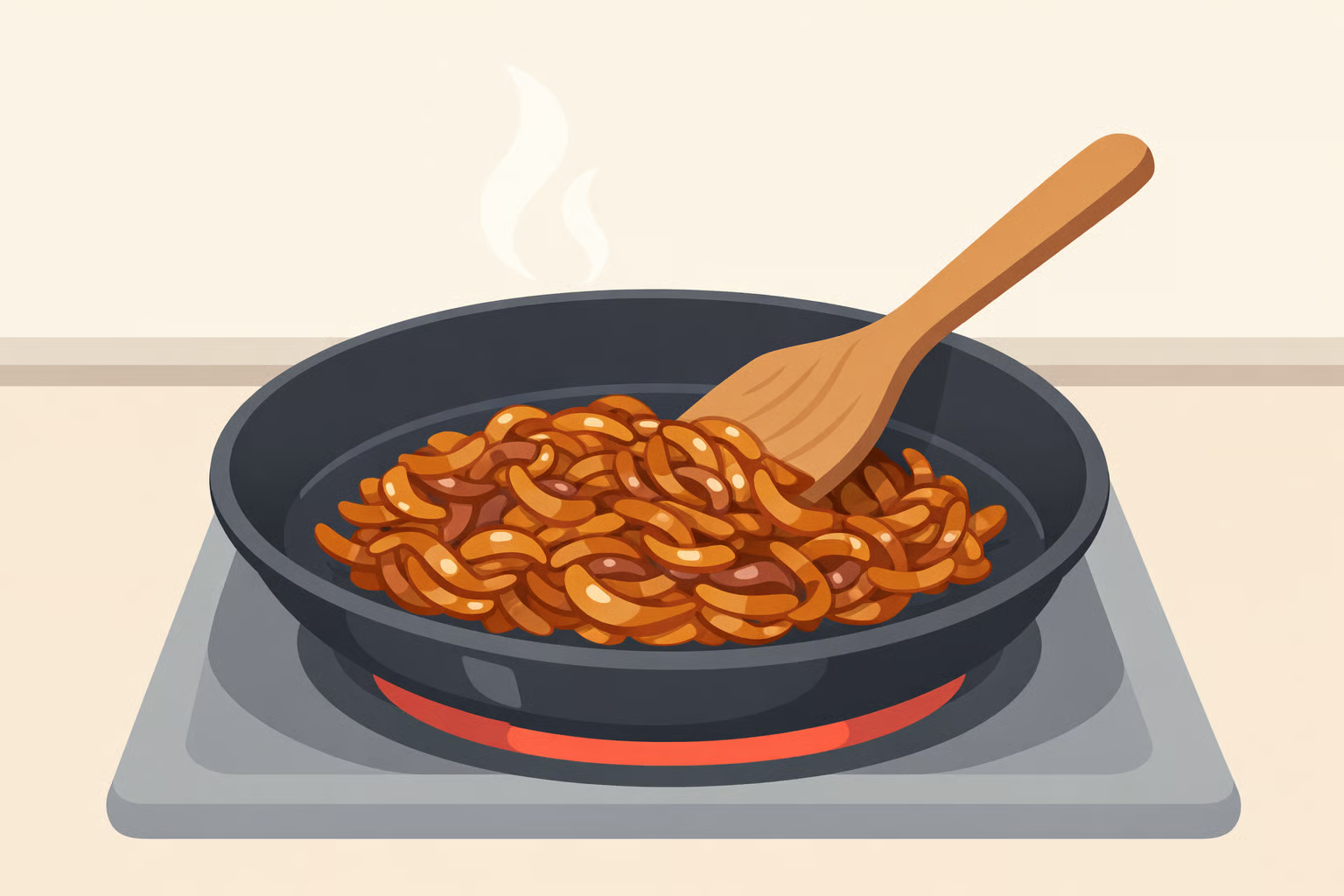
Step 1: Start the caramelized onions.
Melt 2 tablespoons of unsalted butter in a medium skillet over medium-low heat. Add 2 medium yellow onions, thinly sliced, with a pinch of salt. Cook, stirring every few minutes, for 25-30 minutes until deeply golden and jammy. In the last minute, stir in a teaspoon of Worcestershire sauce for savory depth. Remove from heat and set aside.
This step drives the French onion flavor. Onions that stop at soft and pale will give the compound butter a sweet, flat quality none of the concentrated, barely-recognizable-as-onion character that makes this worth making. Don't shortcut it.
Step 2: Boil the potatoes in heavily salted water.
Place 3 pounds of new or fingerling potatoes in a saucepan and cover with cold water. Salt the water aggressively; it should taste like mild seawater. Serious Eats instructs bringing to a boil, then simmering until a paring knife meets almost no resistance, roughly 5 minutes after it reaches a boil (April 2025). Drain and let cool just enough to handle.
Gotcha: Full tenderness here is not optional. The sear adds crust; it doesn't finish cooking. An underdone potato stays firm through the pan, and no amount of compound butter fixes that.
Step 3: Build the compound butter.
Melt 5 tablespoons of unsalted butter in a small saucepan over medium heat. Add 3 cloves of minced garlic and 1 teaspoon of red pepper flakes. Stir constantly for about 1 minute until fragrant but not browned. Serious Eats specifies this timing precisely (April 2025). Pull off the heat.
Stir in 2 ounces of finely grated Parmigiano-Reggiano, 3 tablespoons of minced fresh parsley, and the finished caramelized onions. Everything else in this recipe is texture work. This is the flavor.
Step 4: Halve and dry the potatoes.
Slice each potato in half lengthwise. Pat the cut surfaces thoroughly dry with paper towels. Moisture on the cut face becomes steam the moment it hits the pan, and steam is the direct enemy of a crust.
This is the step most people skip, then wonder why their potatoes aren't browning. Serious Eats' Cajun skillet potato recipe makes the same point: drain and pat dry before any hot-pan contact (April 2025).
Step 5: Sear cut-side down in two batches.
Heat 3 tablespoons of duck fat or olive oil in a large cast iron or nonstick skillet over medium-high heat until shimmering. Add potatoes cut-side down in a single layer, roughly half the batch. Serious Eats recommends duck fat specifically for browning performance (April 2025), though olive oil works fine.
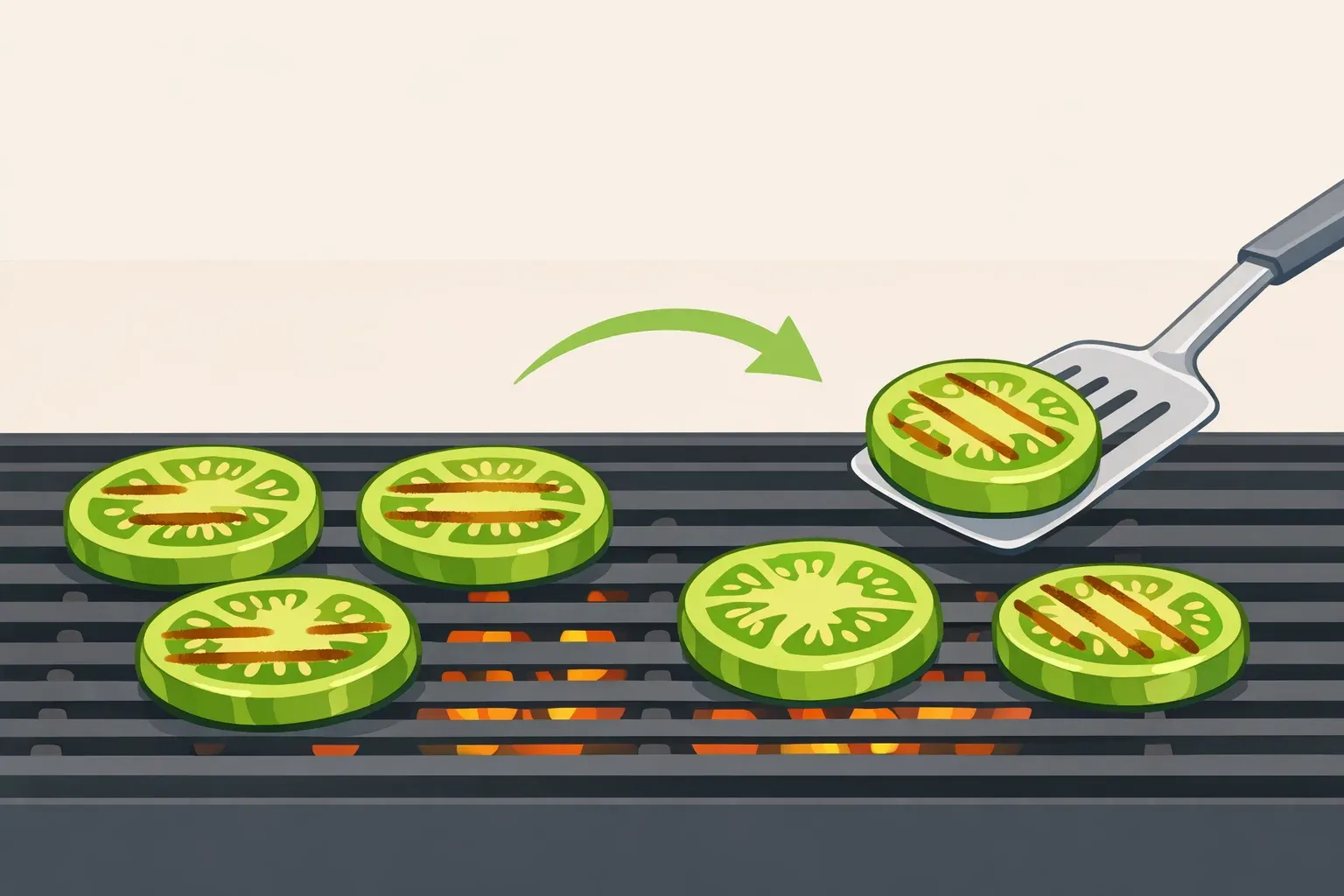
Cook without moving them for 8-10 minutes, shaking the pan occasionally, until the cut face is deeply golden. Transfer to the bowl of compound butter. Repeat with remaining fat and potatoes.
Gotcha: Don't force it. A potato that sticks when you try to move it isn't done. A fully seared potato releases cleanly from the pan on its own.
Gotcha: Don't crowd the pan. One too-full batch produces steamed potatoes, not seared ones. The temperature drop from overcrowding prevents browning before it can start the pan needs room to stay hot.
Step 6: Toss and serve immediately.
Once both batches are in the bowl, toss to coat every potato in the compound butter. Taste for salt. The residual heat blooms the Parmesan into a clingy coating. Serve right away; the crust starts softening within minutes as the butter absorbs into the surface.
This dish doesn't hold.
How these French onion melting potatoes differ from a fondant potatoes recipe
Same goal, different path. Classic fondant potatoes, as Serious Eats describes (February 2026), are rounds braised in stock until creamy inside and crisped outside the stock does double duty, cooking the interior and building flavor simultaneously. This skillet version separates those two jobs: the boil handles the interior completely, so the sear only needs to build crust. No stock, no basting, no oven.
What the skillet version gains is speed and a harder sear. What it trades away is the silky, stock-infused quality of a true fondant potato. On a Tuesday night, that's a reasonable trade. The French onion compound butter compensates for most of what's lost the caramelized onion depth does similar flavor work to the stock baste, just through a different mechanism.
The three levers that determine whether this works
Every failure in this recipe traces back to one of three places.
The onions. Caramelized onions that stop short of mahogany produce a compound butter that's sweet but flat. The whole French onion identity of this dish depends on onions that have cooked long enough to concentrate into something barely recognizable deeply savory, with no raw bite left. If yours taste sweet but lack depth, the Worcestershire at the end of cooking is the corrective.
The potato surface. Moisture is the enemy of crust. Serious Eats' Cajun skillet potato method depends on potatoes that are drained and patted dry before hitting the pan (April 2025). Skipping this step doesn't produce a slightly worse crust it prevents a crust from forming at all.
The pan. Batch cooking in a properly heated skillet beats one crowded pan every time. When the pan is overloaded, the surface temperature drops and the potatoes steam instead of sear. Serious Eats' Cajun potato recipe uses medium-high heat and expects crisp skin in roughly four minutes once the pan is properly loaded (April 2025) that timing assumes the pan isn't fighting a cold, wet pile of potatoes.
When to use this recipe vs. a gratin
Make these for four to six people when the dish needs to be on the table tonight. The skillet version rewards speed and delivers a harder sear than anything oven-based can match at this timescale.
Switch to a gratin when the crowd is larger or the schedule requires flexibility. Seasons in the Kitchen notes that gratin can be assembled a day in advance and baked cold with just 15 extra minutes added (July 2024). That make-ahead flexibility is exactly what the skillet version trades away in exchange for the crust.
On leftovers: Refrigerate in an airtight container for up to three days. Reheat in a hot skillet to recover some surface texture, but the original crust won't fully return. Skip the freezer. Allrecipes advises against freezing dairy-rich potato dishes because the fat and liquid separate on thaw (October 2024). The same applies once butter has been absorbed into the potato surface.
What you've made
These potatoes work because each step has one job. The onions build flavor long before the pan gets hot. The boil ensures the interior is fully cooked before the sear starts. The sear delivers the crust without asking the potato to cook and brown at the same time. Nothing overlaps, which is why the method is reliable.
Serious Eats puts it plainly: quick, crispy, and genuinely satisfying on a weeknight (February 2026). Once the base method is solid, swap the parsley for fresh thyme, or replace the French onion butter entirely with the Cajun blackening approach from Serious Eats' skillet potato variation (April 2025). The technique stays the same. Only the butter changes.

Comments
Be the first, drop a comment!