



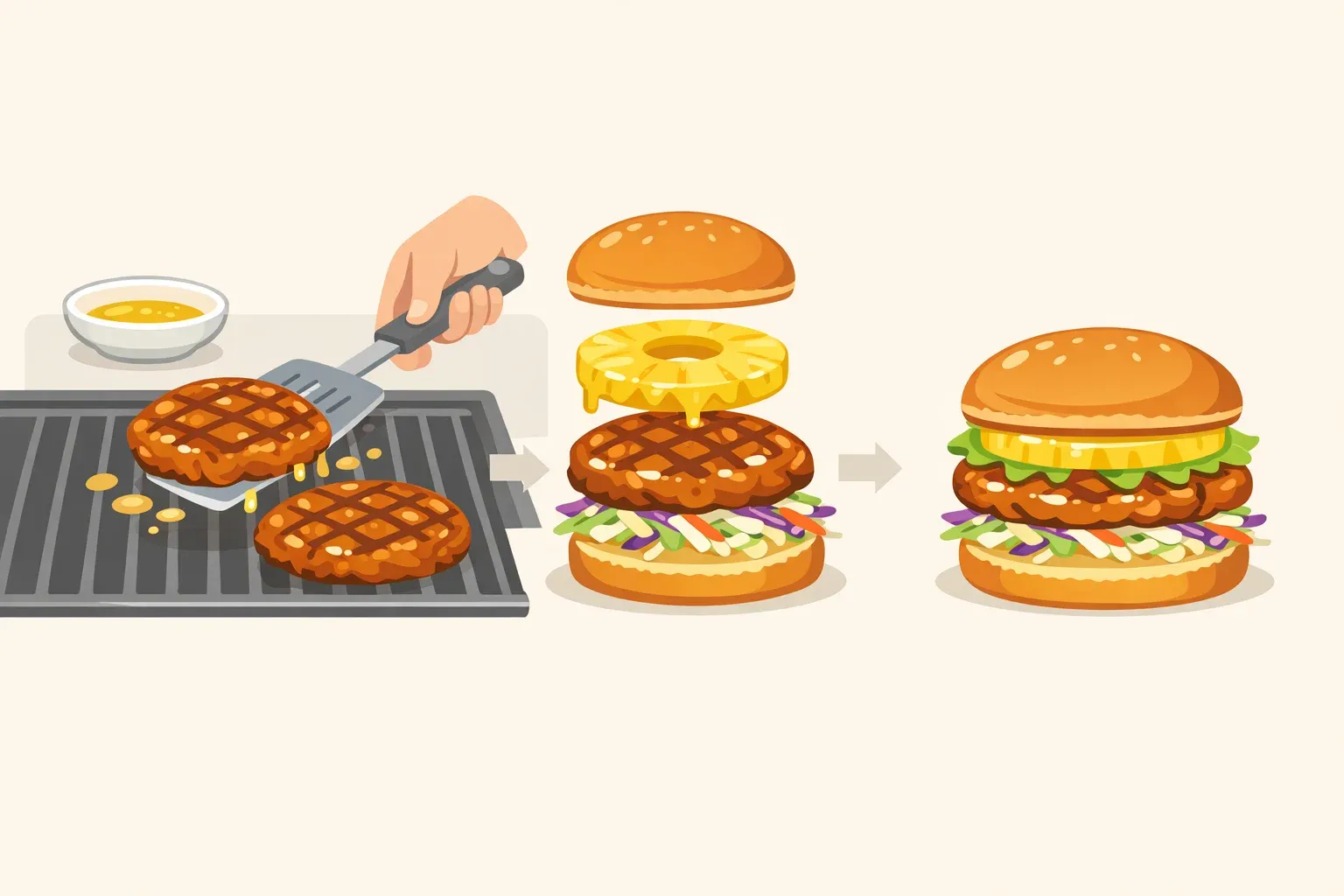
Hawaiian Shoyu Chicken Burgers Recipe: 3 Technique Fixes
Ground chicken burgers tend to disappoint in three predictable ways: they're dry, they're dense, and they fall apart the moment you try to flip them. This Hawaiian shoyu chicken burgers recipe solves all three by design, not by luck. Three technique decisions carry the whole build: drain the crushed pineapple completely before mixing, chill the formed patties for at least an hour before cooking, and toast the buns before assembly. Get those right and everything else follows.
The burger translates the flavors of classic Hawaiian shoyu chicken, traditionally bone-in thighs glazed with soy sauce, brown sugar, ginger, and garlic, into a ground patty format that comes together in about 25 minutes of active cooking time, per The Boat Shed Kitchen earlier this year. The result eats lighter and slightly sweeter than a standard teriyaki preparation, per Delish, with the sticky glaze balanced by grilled pineapple, crisp greens, and fresh herbs. Delish describes the full slaw version as "sweet, savory, and refreshing all in one bite."
This guide covers every component, patty, glaze, pineapple topping, and assembly, plus a practical make-ahead plan so the weeknight angle actually holds up.
Before you start: full ingredient list and equipment
What you need before step 1:
- A skillet or grill pan; nothing more specialized required, per The Boat Shed Kitchen
- At least 1 hour of chilling time built into your schedule after forming the patties; this is non-negotiable and affects the rest of the plan
- A meat thermometer; ground poultry must reach 165°F / 74°C, the safe minimum internal temperature for all ground chicken and ground poultry, per FoodSafety.gov (updated late 2024)
Patty ingredients (makes 4):
- 1 lb ground chicken
- ⅓ cup crushed pineapple, well drained
- ⅓ cup panko
- ¼ cup sliced scallions
- 1 egg
- 1 tbsp soy sauce
- 1 tsp sesame oil
- ½ tsp garlic (minced or powder)
- ½ tsp ginger
- ¼ tsp black pepper
- ⅛ tsp red pepper flakes (omit entirely for a kid-friendly build; the burger is fully flavorful without it, per The Boat Shed Kitchen)
Glaze ingredients:
- 2½ tbsp soy sauce
- 1 tbsp brown sugar
- ½ tsp ginger
- ¼ tsp garlic
- ¼ tsp canola oil
- ½ tbsp cornstarch whisked with 3½ tbsp water
For assembly:
- 4 brioche or standard hamburger buns (brioche adds buttery richness, per The Boat Shed Kitchen; standard buns keep the glaze more forward; both work)
- 4 fresh pineapple rings
- Lettuce leaves or a quick cabbage slaw with scallions and cilantro (slaw amplifies freshness; lettuce keeps it simple; see the assembly section for the tradeoff)
- Optional: sriracha mayo, extra scallions, cilantro
Sources: The Boat Shed Kitchen (earlier this year); Delish (this week)
Steps 1–3: building the patty moisture, structure, and the chill
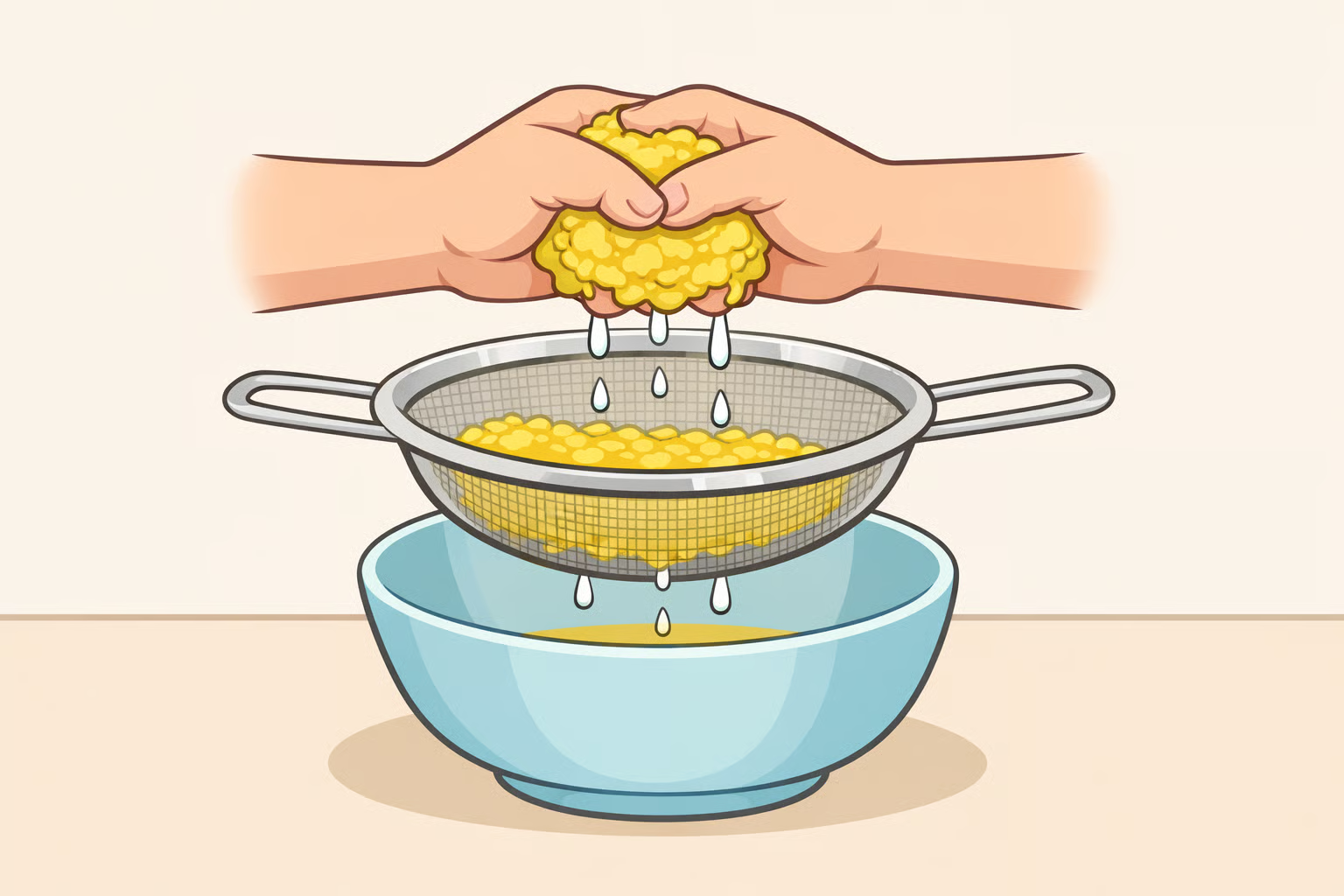
The three main failure modes with ground chicken burgers, dryness, mushiness, and structural fragility, are all addressed at the mixing and chilling stage. Each ingredient targets a specific problem; the steps below explain what to do and what to watch for.
Step 1: Drain the pineapple until it stops releasing liquid.
Press crushed pineapple through a fine mesh strainer or squeeze it in a clean kitchen towel. You want the fruit, not the juice. Undrained pineapple makes the mixture too wet to hold its shape; the patty steams instead of sears, sticks to the pan, and breaks on the flip. The Boat Shed Kitchen flags thorough draining as the key prep step for avoiding soggy patties. Once properly drained, the pineapple adds moisture from within the patty rather than releasing it into the pan, which is what keeps these burgers juicy without making them structurally hopeless.
The mixture should feel tacky but cohesive when you press a small amount between your fingers. Not wet enough to leave residue on your palm, not so dry it crumbles.
Step 2: Mix gently combine once, then stop.
Add all patty ingredients to a large bowl and mix by hand just until everything is evenly distributed. Overworking it tightens the proteins and produces a dense, rubbery result, per The Boat Shed Kitchen. The finished mixture should look cohesive and slightly tacky, not paste-like or gummy. Panko keeps the texture tender without adding mass; soy sauce and sesame oil build in umami depth so the patty has flavor before the glaze even appears.
Step 3: Form four patties and refrigerate for at least 1 hour.
Shape each to roughly ¾-inch thickness; even edges help them cook uniformly. Place on parchment, cover, and refrigerate. Chilling firms the fat in the mixture and gives the panko time to absorb moisture evenly, both of which allow a ground chicken patty to survive a hot pan intact, per The Boat Shed Kitchen. After the hour, lift one; it should feel noticeably firmer and hold its shape cleanly. If it still sags or sticks to your hand, give it another 30 minutes. The raw mixture can also be made up to three days ahead and refrigerated before forming, per Delish.
If patties are too wet, sticking, or breaking:
- Too wet before chilling: the pineapple wasn't drained enough; press again through a towel
- Sticking to the pan: the skillet wasn't at temperature when the patty went in, or the oil was insufficient; let the pan come fully to heat before adding patties
- Breaking when flipped: they went in under-chilled, or they were moved before a crust formed; leave them alone for the full 5 minutes per side before attempting to flip, per The Boat Shed Kitchen
How to make Hawaiian shoyu chicken burgers: the glaze and cooking
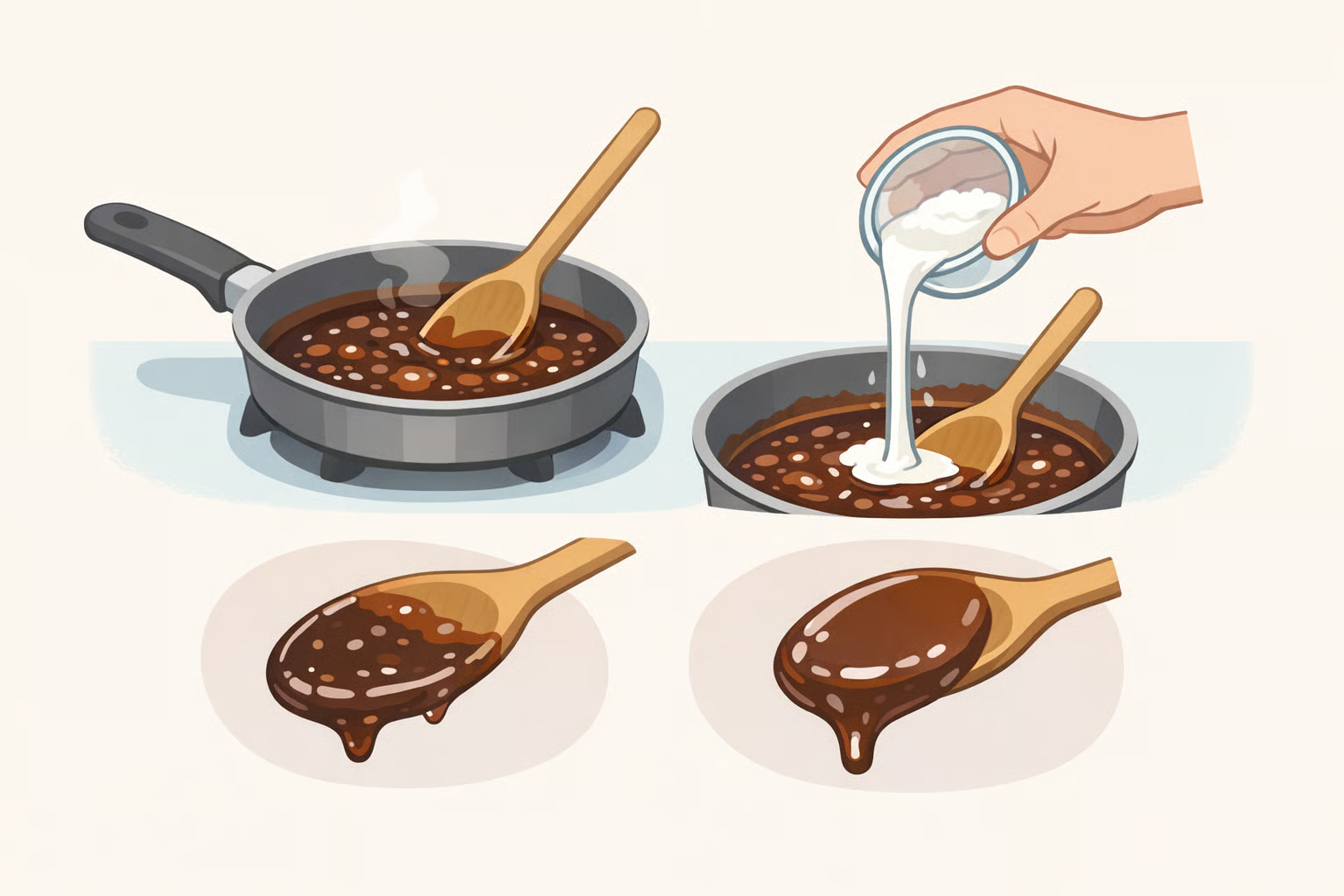
With the patties chilled and ready, the remaining active work splits into two parallel tracks, building the glaze and cooking the chicken. Both have specific timing pitfalls worth knowing before you start.
Step 4: Make the glaze.
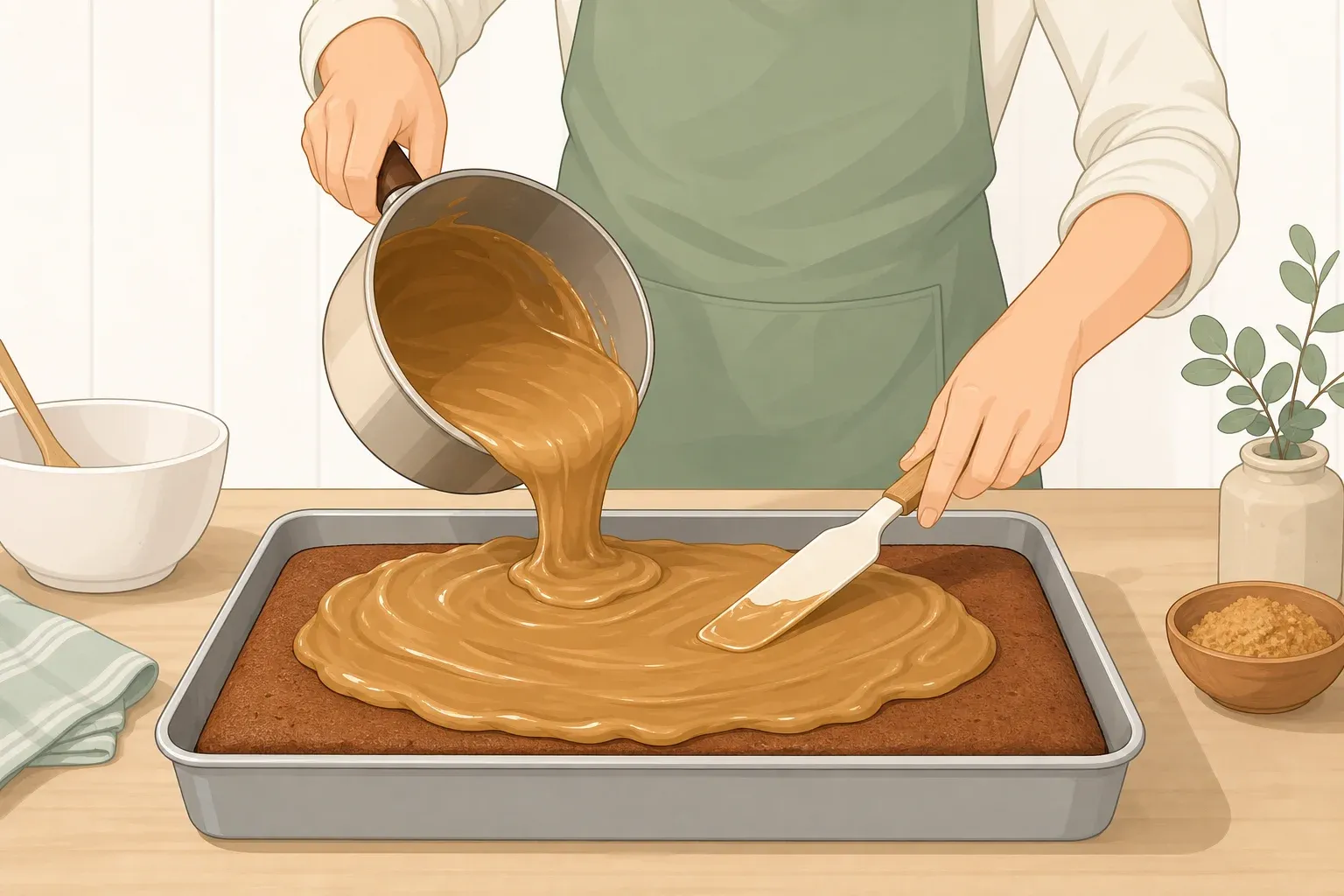
In a small saucepan over medium heat, combine soy sauce, brown sugar, ginger, garlic, and oil. Bring to a gentle boil, then stir in the cornstarch slurry. Simmer until the sauce turns thick and glossy; it should coat the back of a spoon and hold its shape briefly when drizzled. The cornstarch slurry gives the sauce a smooth, glossy texture that clings to the patty rather than running off into the bun, per The Boat Shed Kitchen. The glaze can be made ahead and reheated gently before serving.
Glaze timing matters: Apply the glaze after the patties come off the heat, or in the final 60 seconds of cooking. Added earlier, the brown sugar scorches before the chicken reaches temperature.
Step 5: Cook the patties and don't rush the flip.
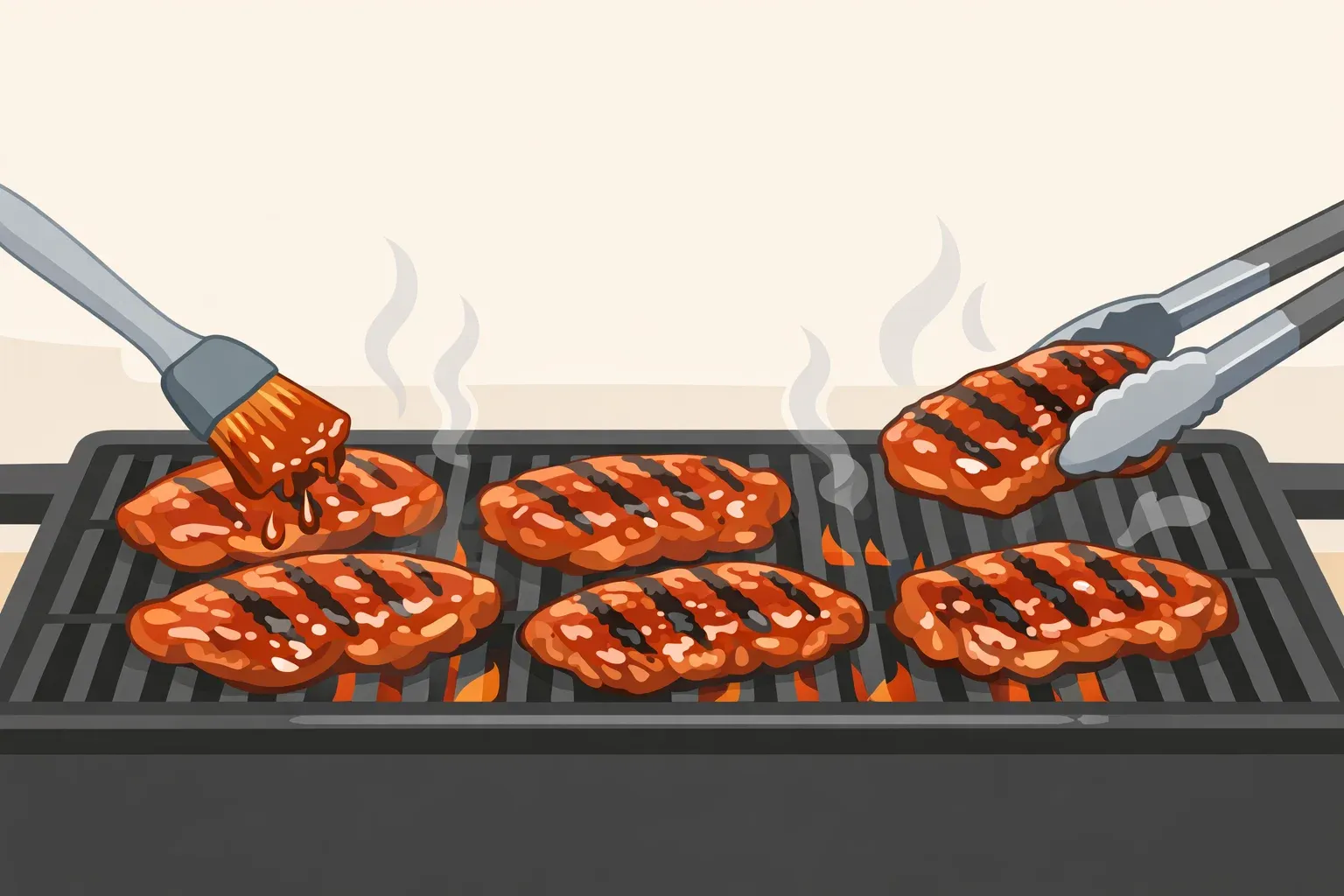
Heat a lightly oiled skillet over medium heat until the oil shimmers. Add the chilled patties and cook approximately 5 minutes per side without pressing down; pressing forces out the moisture you worked to keep in, per The Boat Shed Kitchen. The exterior should be deep golden brown with visible caramelization before you flip. That crust is your signal, not the clock.
The patties are done when the internal temperature reaches 165°F (74°C), the safe minimum for all ground poultry per The Boat Shed Kitchen and confirmed by FoodSafety.gov. With ground chicken, color alone isn't a reliable guide. Use a thermometer.
Step 6: Grill the pineapple rings.
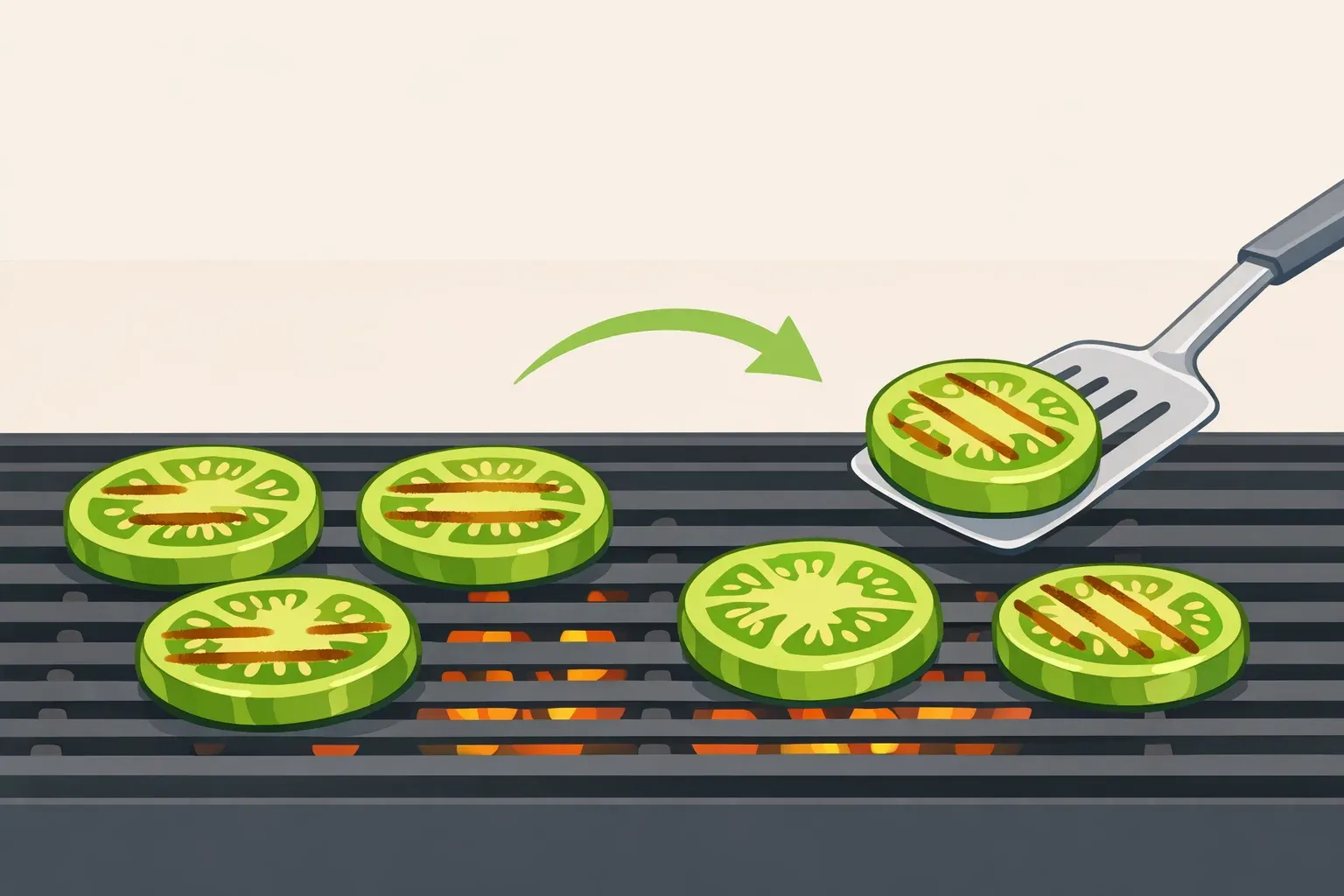
While the patties finish cooking, place fresh pineapple rings on a hot grill pan for 2–3 minutes per side until lightly charred, per The Boat Shed Kitchen. Look for distinct grill marks and a slightly softened texture; the edges should smell caramelized, not burnt. Grilling concentrates the fruit's natural sugars and brings a warm, slightly smoky sweetness to the build that the raw version simply can't replicate.
Steps 7–8: assembly building a burger that survives the sauce
Toppings on a soy-ginger glazed burger aren't optional garnish. They're load-bearing flavor components, and the order of assembly is a structural decision.
Step 7: Toast the buns cut-side down.
Place buns cut-side down in the hot skillet for 30–60 seconds until lightly golden. This is a structural fix, not a preference. Toasting creates a surface that slows sauce absorption, per The Boat Shed Kitchen, and gives the bottom bun enough integrity to hold the build together through the meal.
Step 8: Build in this order.
- Bottom bun
- Lettuce or slaw (this layer protects the bun; see below)
- Chicken patty
- Glaze, spooned generously over the patty
- Grilled pineapple ring
- Top bun
The lettuce or slaw on the bottom acts as a buffer between the bun and the glaze. The choice between the two changes the flavor balance meaningfully. Delish builds with a cabbage slaw laced with scallions, pineapple, and cilantro, delivering what they describe as a "sweet, savory, and refreshing" contrast to the sticky glaze. The Boat Shed Kitchen keeps it simple with a lettuce leaf, which lets the soy-ginger flavors carry without competition. Use slaw when you want freshness and crunch to push back against the richness; use lettuce when you want the glaze to be the clear lead.
Cilantro, sliced scallions, and sriracha mayo all complement the soy-ginger profile. Skip anything heavily sweet alongside the glaze; it competes rather than frames.
Make-ahead plan: how to turn this into a real weeknight recipe
The recipe's flexibility is real, but a concrete plan beats a list of storage windows.
Night before:
- Mix the patty ingredients, form into patties, cover, and refrigerate; the chill time is required anyway, so overnight prep doubles as structural prep, per The Boat Shed Kitchen
- Make the glaze and refrigerate in a small container; reheat on low before serving
Cook day (approximately 25 minutes active time, per The Boat Shed Kitchen):
- Pull patties from the fridge while the skillet heats
- Reheat glaze in a small saucepan on low
- Cook patties, grill pineapple rings, toast buns, assemble
Longer-term storage:
- Raw uncooked patties freeze well between parchment layers for up to 2 months; thaw overnight in the refrigerator before cooking, per The Boat Shed Kitchen
- Cooked patties keep in an airtight container in the refrigerator for up to 3 days; reheat in a skillet over medium-low to preserve the exterior, per The Boat Shed Kitchen
- The raw patty mixture, unformed, can be refrigerated for up to 3 days before forming and cooking, per Delish
Conclusion
Three decisions, three failure modes prevented. Drain the pineapple or the patty steams. Skip the chill and it falls apart. Skip the toasted bun and the whole thing goes soggy within minutes. Outside those fixed points, the recipe is genuinely flexible.
For a first attempt, go with the Boat Shed Kitchen approach: brioche bun, lettuce leaf, generous spoon of glaze. Clean, fast, and the soy-ginger flavors come through without distraction. Once you know the baseline, try the Delish slaw version, which adds scallions, pineapple, and cilantro to the base layer and creates a sharper contrast against the richness of the glaze. It's a different burger, not just a garnish swap, and worth making on its own terms.


Comments
Be the first, drop a comment!