



Heating Food in Plastic Containers: Risks and How to Reduce Them
By the end of this guide, you'll know exactly what happens when you microwave food in plastic containers, why the "microwave-safe" label doesn't protect you, and how to eliminate most of the risk with one habit change.
What you need before starting: One glass or ceramic container with a lid, or a plate that fits over your bowl. That's the only equipment this requires.
The science does not yet establish that heating food in plastic containers causes disease in any provable clinical sense. But migration of microplastic particles and chemical additives into food during microwave heating is well-documented, and the fix takes about ten seconds.
The problem with reheating food in plastic containers
A Greenpeace review of 24 peer-reviewed studies, covered by Food Safety Magazine earlier this month, found that polypropylene and polystyrene containers released between 100,000 and 260,000 microplastic particles when microwaved after refrigerated or frozen storage. That is a precise description of leftover takeout. In a separate experiment, two polypropylene containers released an estimated 326,000 to 534,000 particles into a food simulant after just five minutes of microwave heating, four to seven times more than the same containers produced under oven conditions.
Why does cold-to-hot storage matter? Because the standard leftovers routine stacks multiple high-migration conditions simultaneously: plastic that has been refrigerated or frozen, then subjected to rapid, intense heating. The containers shed more because the temperature swing is larger and faster.
A systematic evidence map published in npj Science of Food last June reviewed 103 studies and reached a consistent conclusion: normal, intended use of plastic food-contact articles drives migration of micro- and nanoplastics into food, with heating, repeated washing, and extended contact time all making it worse. One caveat: of those 103 studies, only 7 were rated highly reliable by the map's own methodology. Among the kinetic series the map examined, 14 found migration increased over time or with heating, while 12 found no increase. The evidence is consistent enough to act on. It is not yet definitive by the standards of clinical proof.
What "microwave-safe" actually means and why it doesn't cover microplastics
The label is a structural certification, not a chemical one. Delish reported in February 2026 that experts define "microwave-safe" as confirmation the plastic will withstand heat without warping, melting, or losing its shape, and that it meets FDA food-contact material guidelines. A container can pass that test and still release particles and chemical additives into food during heating.
The research makes the gap concrete. One study identified at least 42 intentionally added substances, including stabilizers, plasticizers, and antioxidants, along with more than 100 non-intentionally added substances migrating from microwaveable containers into food simulants in a single heating cycle (PubMed, 2021). A separate experiment found 20 distinct additives transferring into an actual ready meal during microwave heating. Other studies documented antioxidants and plasticizers migrating into real foods including meat and vegetables (Food Safety Magazine, March 2026).
A 2023 study in Food Chemistry added something harder to anticipate. When potatoes were microwaved inside plastic packaging, a UV-stabilizing chemical from the plastic reacted with potato starch to form a previously unknown compound, one that didn't appear when the same potatoes were microwaved in glass or boiled in water. The packaging wasn't just shedding particles; it was chemically reacting with the food. Standard food simulant testing, which uses water or ethanol rather than actual starch, would not have detected this.
That distinction between EFSA's measured position and Greenpeace's regulatory call matters in a specific way: EFSA acknowledges migration is real but says current data doesn't support reliable exposure estimates, which means no enforceable limits exist yet. Greenpeace wants the "microwave-safe" label banned on ready-meal packaging until migration can be controlled. Neither position changes what's happening inside the container. Over 4,200 chemicals identified as hazardous have been found in plastics, many unregulated in food packaging (Food Safety Magazine, March 2026).
Does microwaving plastic release more microplastics? The conditions that make it worse
Not all plastics, meals, or microwave sessions carry equal risk. The research points to four variables that drive migration higher.
Container age and condition. Worn, scratched, or warped containers release nearly twice as many microplastics as new ones, according to research cited in Food Safety Magazine (March 2026). A container that looks functional but shows visible scratches or cloudiness is releasing more than a pristine one. The npj Science of Food evidence map (June 2025) found migration also increased with repeated washing and reuse cycles. The takeout tub you've rinsed and reused several times is a meaningfully different object than a fresh one.
Fat content. High-fat foods promote greater migration of chemical additives from plastic containers, according to a quantification study in Food Chemistry published in April 2025. Fried rice, curries, meat dishes, anything with an oil-rich sauce, these are precisely the foods most likely to absorb what the container releases. They're also the most common things people reheat in plastic.
Microwave power and time. Higher power settings and longer heating cycles increase the volume of particles released (Food Safety Magazine, March 2026). The four-to-seven-times-higher particle release under microwave conditions versus oven conditions reflects the intensity and speed of heat delivery. The research documents the difference clearly; the precise mechanism behind it is not established by the studies cited here.
Container type. Takeout containers and single-use trays are engineered for delivery and one-time use, not repeated heat cycles. Refrigerating leftovers in the original tray, then microwaving it again, stacks all three risk factors at once.
How to avoid microplastics when reheating food: a priority order
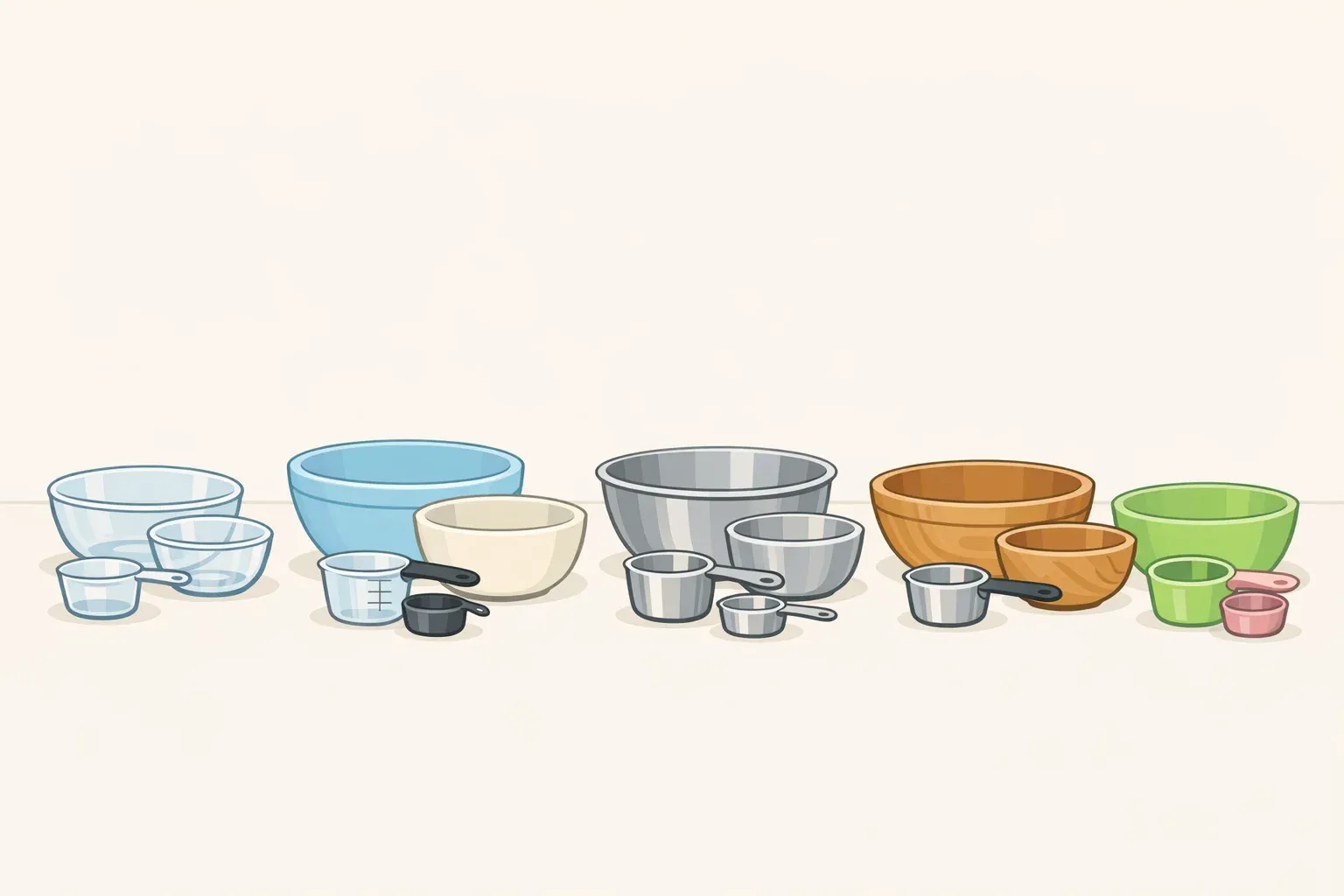
Step 1: Transfer food to a glass or ceramic container before microwaving.
This is the one step that removes the problem at its source. Neither glass nor ceramic releases microplastic particles or chemical additives under heat. Experts across multiple sources consistently identify this as the most reliable mitigation (Delish, February 2026; NIH/PMC). Move the food, microwave in glass or ceramic, eat. The original plastic packaging can go to recycling, if your local program accepts it.
After completing this step, you should have food in a glass bowl or ceramic plate ready to cover and heat. The plastic container stays cold and empty.
Common scenarios:
- Takeout containers (curry, fried rice, noodles): Transfer to a glass bowl or ceramic plate. These are high-fat foods, usually reheated straight from cold storage. That combination sits at the top of the risk profile.
- Frozen meal trays: Ignore the "microwave in tray" instruction. Slide the food onto a plate or into a bowl first. Watch for saucy or liquid-heavy dishes that may spill during transfer.
- Plastic deli containers: Not designed for heat. Transfer before reheating regardless of what the bottom stamp says.
- Leftovers already stored in plastic: Move to glass for the microwave step even if they've been refrigerated in plastic. The cold-to-hot transition is where the most migration occurs.
Step 2: Retire degraded plastic containers from food use.
If a container is scratched, cloudy, warped, or stained, stop using it for food, not just for microwaving, but for any storage at elevated temperatures. Damage roughly doubles particle release (Food Safety Magazine, March 2026). Any plastic containers you keep in rotation should be in good condition and used for dry or cold storage only.
After this step, your kitchen should have no visibly degraded plastic containers in active food use.
Step 3 (fallback only, if no glass or ceramic is available): Reduce power and shorten heating intervals.
Drop the microwave to 50% power and heat in shorter bursts rather than one long cycle. Higher power and longer duration both increase particle release (Food Safety Magazine, March 2026). This reduces migration but does not eliminate it. It is not a substitute for switching containers.
On recycling codes: codes #1, #3, #6, and #7 are generally recommended against for any heating; codes #2, #4, and #5 are considered lower-risk (Delish, February 2026). Polypropylene (#5), often described as the safer option, still releases substantial microplastics and chemical additives under microwave conditions. Code-checking is a last line of defense, not a reliable guide.
⚠ Worth knowing: Even brand-new, undamaged plastic containers in the lower-risk code categories still shed particles during microwave heating. The step that actually solves the problem is moving to glass or ceramic, not finding a better plastic.
What the science can and can't tell you about the health risk
Migration is well-established. Health harm from this specific behavior is not. Microplastics and plastic-associated chemicals have been detected in human blood, placenta, breast milk, lungs, liver, and stool, and reviews of existing research have associated exposure to plastic-related chemicals with concerns including endocrine disruption, metabolic disease, reproductive disorders, and certain cancers (Food Safety Magazine, March 2026). Scientists are careful to distinguish detection from causation, though. Finding something in the body is not proof it caused harm. Risk assessment requires exposure levels and dose-response data, and the data needed to connect reheating leftovers to a specific disease outcome don't exist yet.
The distinction between "migration is established" and "exposure dose from one household behavior is uncertain" is worth holding onto. Studies document particles and chemical transfer reliably. What they cannot yet say is how much of that transfer comes from microwaving takeout containers specifically, as opposed to other exposure sources, or what level of exposure from this source would constitute a meaningful health dose.
The research quality is uneven. The npj Science of Food evidence map (June 2025) reviewed 103 studies but rated only 7 as highly reliable. Most use food simulants rather than real meals, detection methods for nanoplastics remain inconsistent, and exposure estimates vary widely across the literature. No regulatory authority has set enforceable limits for microplastic content in food as of March 2026. EFSA's formal risk opinion is expected by end-2027.
The guidance here doesn't require waiting for it. Transferring food to glass costs nothing and takes no ongoing vigilance. But read it as a precautionary recommendation, not a response to a confirmed clinical finding.
Takeaways
Microwaving food in plastic containers consistently increases migration of microplastic particles and chemical additives into food. A systematic review of 103 studies in npj Science of Food (June 2025) confirmed that normal, intended use of plastic packaging drives this migration, and that high heat, damaged containers, and fatty foods make it worse.
"Microwave-safe" confirms the container won't melt. It says nothing about what migrates. Over 4,200 hazardous chemicals have been identified in plastics, many unregulated in food packaging (Food Safety Magazine, March 2026). A UV stabilizer from plastic packaging was found to react with potato starch and form a compound that didn't exist before microwaving (Food Chemistry, 2023).
The single most effective change: transfer food from its original plastic container to glass or ceramic before microwaving. One container, no special equipment, no ongoing vigilance. Next time leftovers go in the microwave, move them first.



Comments
Be the first, drop a comment!