



Homemade burger seasoning recipe: formula, variations & technique
Mix this once and you'll have a homemade burger seasoning that covers about 60 quarter-pound patties, costs a fraction of any store-bought equivalent, and takes five minutes to assemble. Store it for up to four months. Dial it in for your salt type and cooking method, and every batch starts from the same baseline.
Before the recipe: great burger seasoning is a salt problem before it's a spice problem. When any recipe tells you to "season to taste," it's talking about salt roughly 99% of the time, as Serious Eats noted last summer. Everything else in the blend is working in salt's shadow. Get that foundation right and the spices take care of themselves.
This guide covers the base formula with exact measurements, how to calibrate it to your salt type, three flavor variations, how much to use per patty and when to apply it, and storage.
Step 1: understand what salt is doing before you add anything else
Salt's job in burger seasoning is not to make the patty taste salty. If the beef tastes noticeably salty when it hits the plate, the seasoning has already failed. Salt's actual function is amplification, pulling the beef's existing flavor forward and aligning it with whatever acid, sweetness, or bitterness surrounds it on the bun, as Serious Eats explains.
The most common source of batch inconsistency isn't the spice ratios. It's the salt type. A teaspoon of one salt can weigh nearly twice as much as another, which means the same measured volume produces wildly different results (Serious Eats). Use kosher salt as the default here. It contains less sodium by volume than most other salts, spreads more evenly, and gives more control over incremental seasoning. If you only have fine table salt, reduce the salt quantity in the formula below by roughly half and adjust upward after your first test batch.
Pick one salt. Build the blend around it. Don't switch.
Common mistake: mixing a batch calibrated to kosher salt, then reaching for table salt on cook day. That single swap is why homemade burger seasoning feels unreliable from one session to the next.
Step 2: build the base blend
This burger seasoning recipe yields approximately 1¼ cups, which Serious Eats measures as 30 two-teaspoon servings. At roughly 1 teaspoon per quarter-pound patty, that works out to about 60 burgers per batch, since each two-teaspoon serving covers two patties.
The formula is built around paprika as the dominant spice, with salt and a short list of supporting aromatics. Serious Eats describes this structure as a balanced sweet-savory blend suited to burgers, ribs, and chicken, which means it earns its place on a patty without being technique-dependent or exotic.
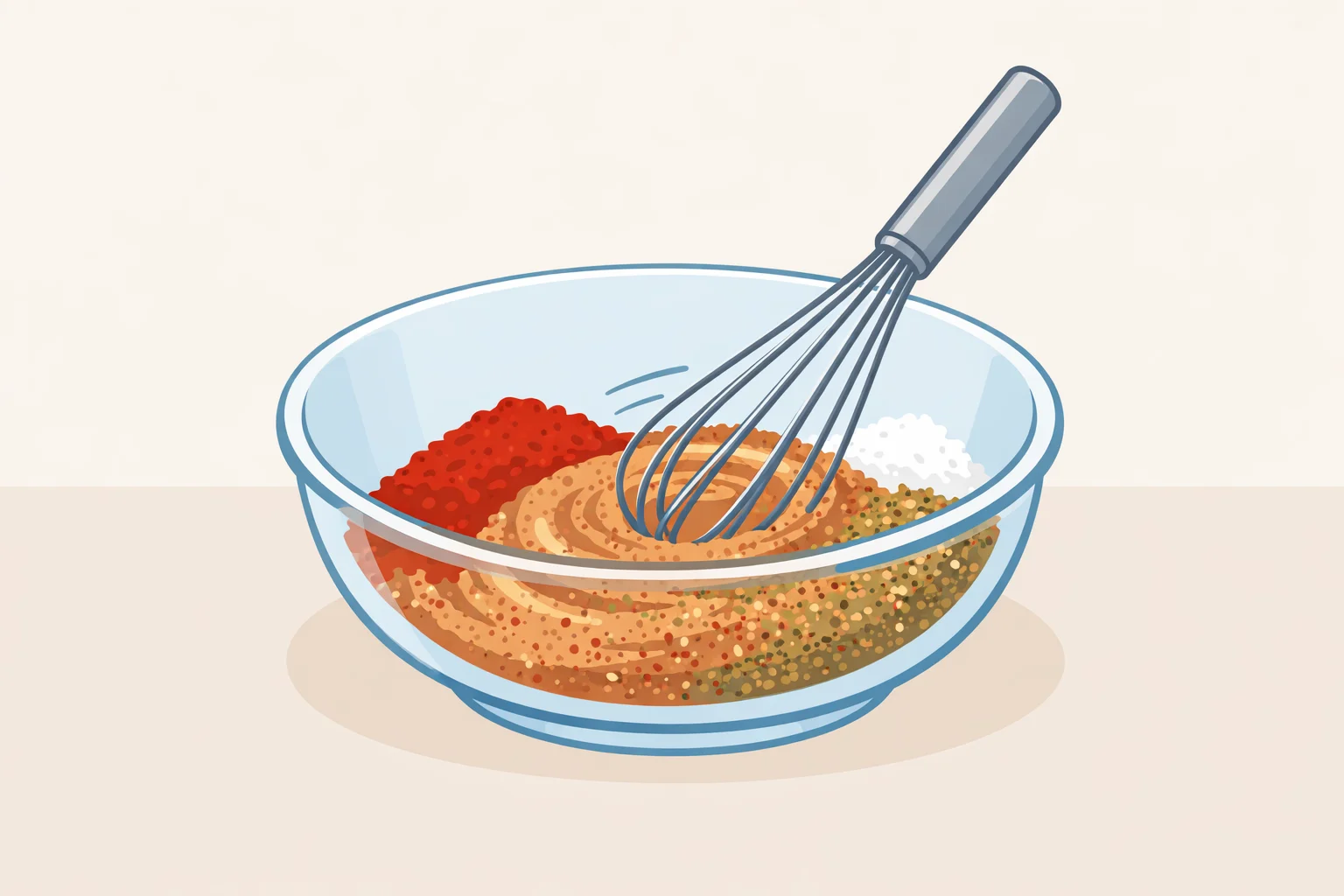
Base blend formula:
- ⅓ cup paprika earthiness, faint fruity sweetness, and color; the backbone of the blend
- ¼ cup kosher salt flavor amplification (see Step 1 if using a different salt)
- 1 tablespoon granulated garlic powder savory depth without the moisture of fresh garlic
- 1 tablespoon granulated onion powder rounds out the garlic; together these form the savory base
- 4 teaspoons ground mustard subtle tang
- 2 teaspoons freshly ground black pepper sharpness and low heat
- 2 teaspoons ground coriander brightness; a small amount that adds real complexity
- 1 tablespoon dried oregano herbal lift; works particularly well with beef
Whisk everything together in a bowl. For noticeably better flavor, toast the ground mustard, black pepper, and coriander in a dry skillet over medium heat until fragrant before combining, a step Serious Eats recommends and worth the extra two minutes.
On brown sugar: The source formula includes ⅓ cup dark brown sugar, which contributes molasses complexity and helps caramelization develop on the grill (Serious Eats). It's left out of the base here because on a screaming-hot cast iron, the surface of choice for smash burgers, sugar can scorch before the crust develops. If you're cooking exclusively on the grill, add it. If you cook on both surfaces, keep it as a grill-only option and note it separately.
If you do add brown sugar, break up any clumps with your fingertips before storing. Clumps harden over time and distribute unevenly, creating hot spots of sweetness on the patty surface (Serious Eats).
Step 3: three variations built from the same pantry
Each variation keeps the base blend intact and adjusts or adds one to two ingredients. Think of it as a modification system, not a separate recipe.
Smoky
Swap half the regular paprika for smoked paprika. For additional depth, add a small amount of chipotle powder. Serious Eats identifies smoked paprika and chipotle as the natural additions for anyone who wants "a little whiff of wood fire."
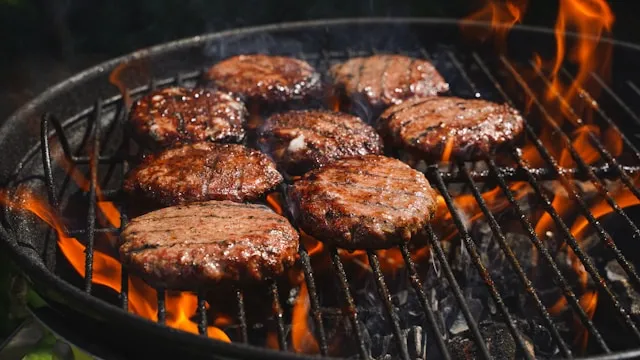
Best on grilled burgers, where the smoke note reinforces char from the grate. Works particularly well on thick pub-style patties. Apply the same way as the base, seasoning the exterior of formed patties just before cooking.
Spicy
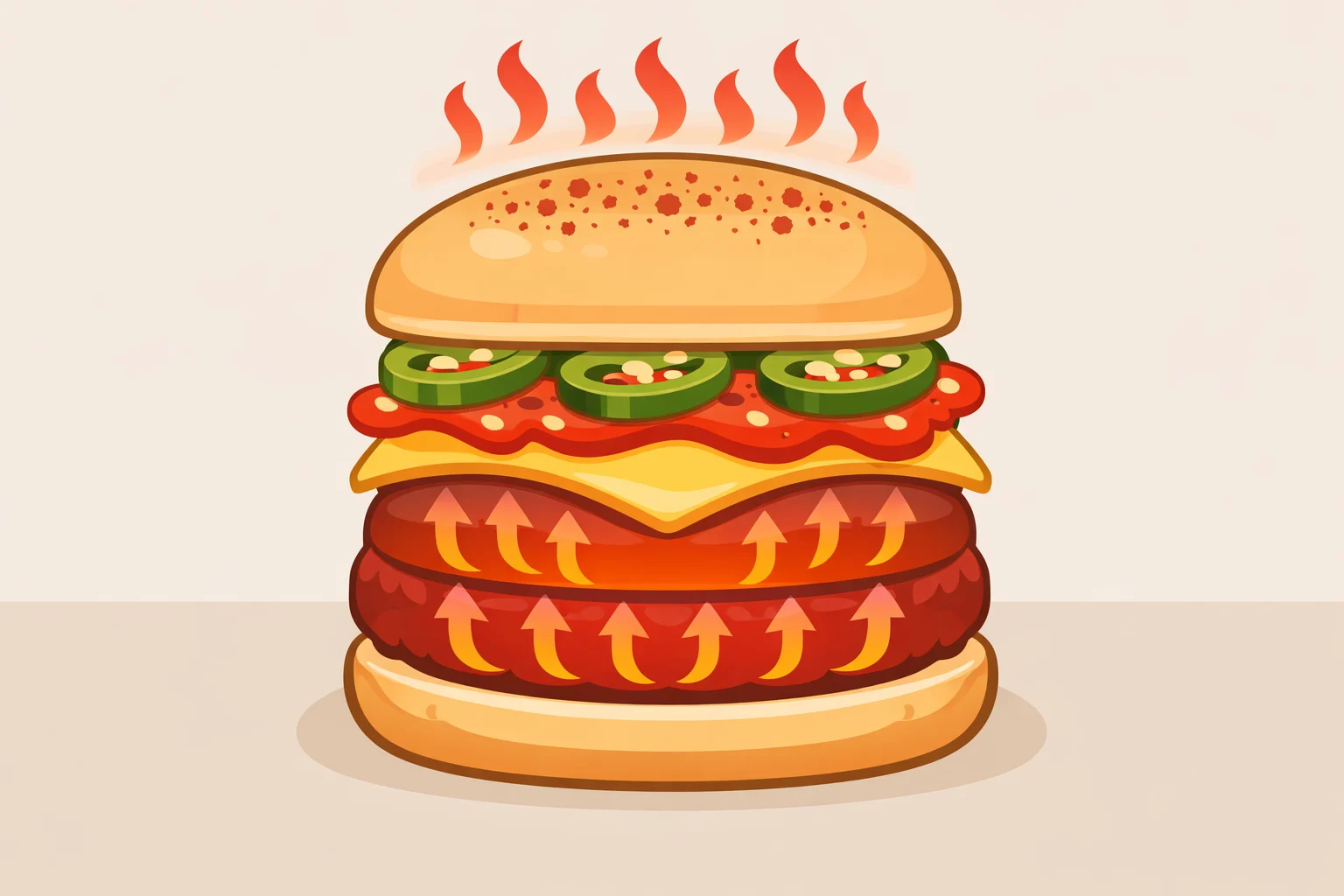
Add cayenne to the base blend, starting at ¼ teaspoon and adjusting after the first batch. Keep the heat in the blend rather than mixing it into the patty meat.
The jalapeño-pimento burger from Serious Eats is a useful illustration of why this matters: heat is distributed across the whole burger system, with smoked paprika in the patty seasoning, jalapeño worked into the cheese spread, and sliced jalapeños layered on top, rather than concentrated in the meat alone. The patty seasoning handles the base layer; the toppings carry the rest.
One practical note: if the sauce or toppings already run hot, season the patty lighter on the cayenne side. The heat compounds as the burger comes together.
Mexican-inspired
Add 1 teaspoon ground cumin and swap standard dried oregano for Mexican oregano; reduce or omit the ground mustard and coriander. This draws from the pachola smash burger profiled by Serious Eats last year, where cumin and oregano season the patty after smashing. The flavor profile is rooted in Jalisco's pachola tradition, a style of warm-spiced ground beef patties whose preparation technique predates the Spanish arrival in the Americas.
Best on smash burgers cooked on cast iron. Less suited to the grill, where spices applied to a flat surface can blow off before they adhere.
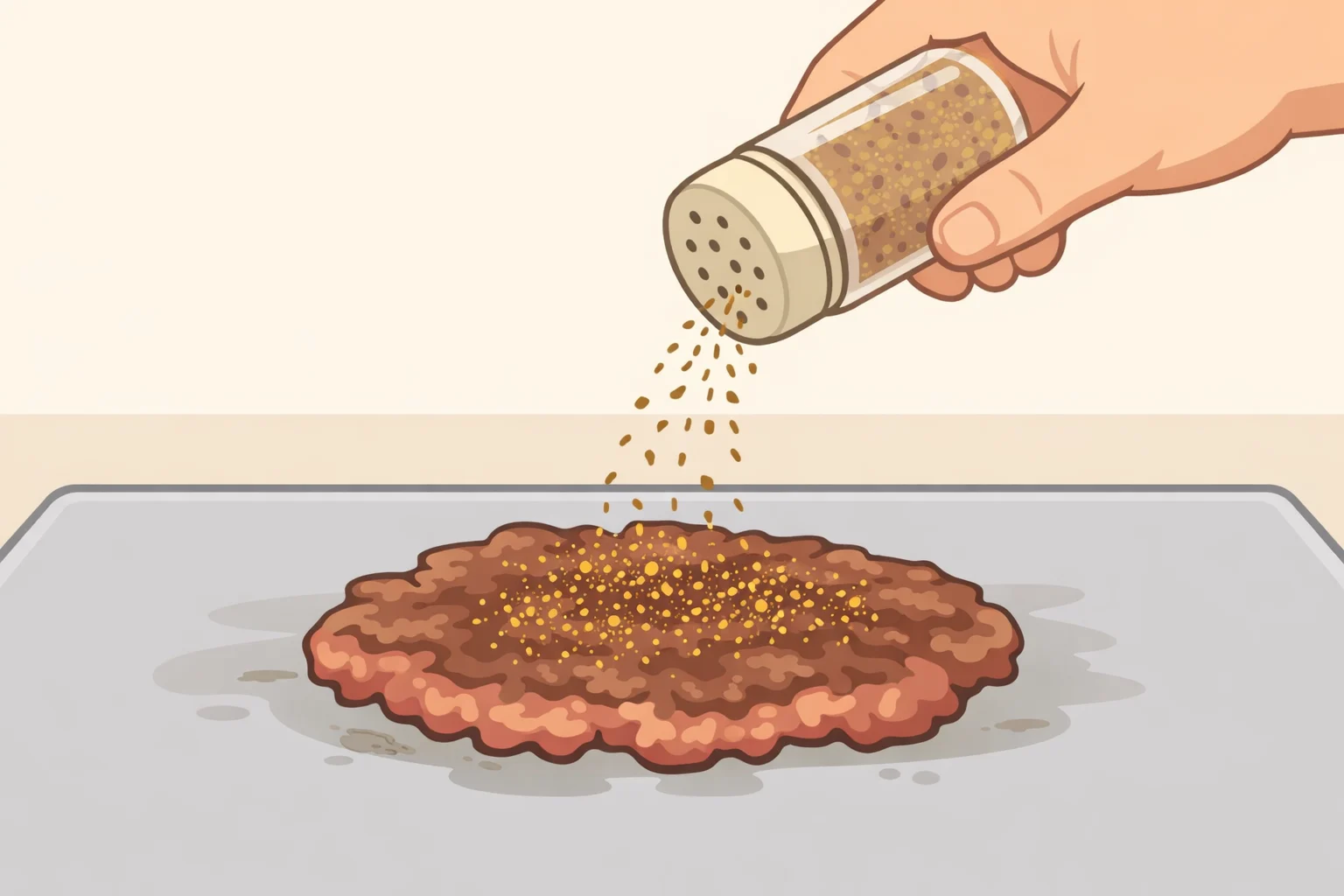
Critical timing note: apply these spices after smashing, while the surface is still open and the fat is rendering. Applying before the smash traps the spices between the patty and the pan, where they burn before the crust forms (Serious Eats).
Step 4: how to use homemade burger seasoning on patties
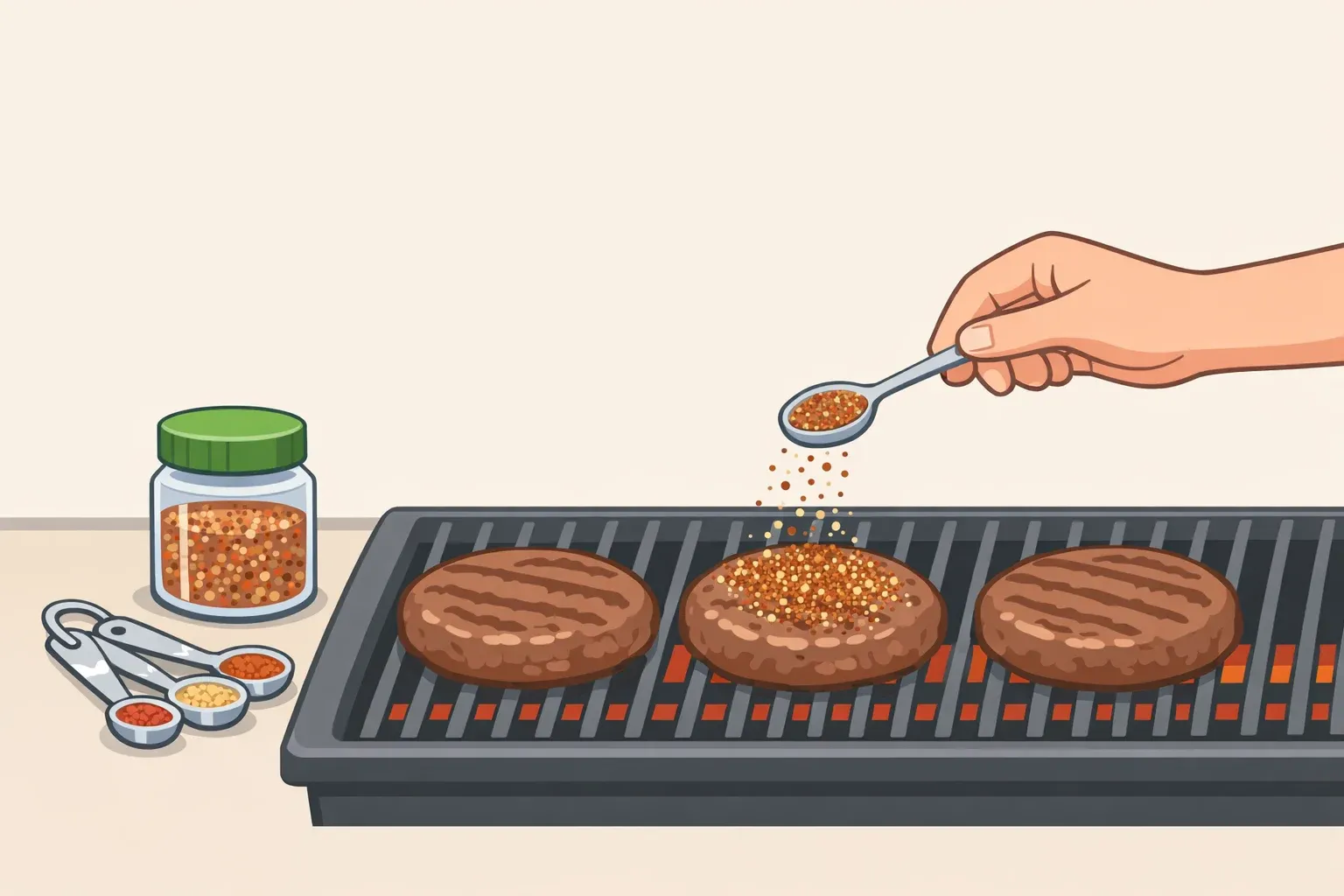
Start with approximately 1 teaspoon of the base blend per quarter-pound patty. Because salt is already built into the blend, this delivers even seasoning without a separate salting step. Adjust after the first batch, and write it down. Tracking what changed between batches eliminates second-guessing on future cooks, as Serious Eats notes.
Season the exterior, not the interior. Mixing dry seasoning into raw ground beef before forming the patty is how you end up with something that eats like a meatball. Form the patties first, season the outside, then cook.
Timing matters. Apply the blend close to cook time. Seasonings sitting on the surface of a raw patty will draw moisture out and work against browning if left too long. For smash burgers, apply immediately after smashing while the surface is still open and hot, as demonstrated in the pachola approach (Serious Eats).
The patty can only do so much. A well-calibrated seasoning blend handles the savory foundation, but it can't balance the whole burger on its own. Acid does real work here. The pachola burger counters the richness of beef and cheese with cilantro tossed in lime juice (Serious Eats). The Fake Shack sauce hits creamy, sour, and sweet simultaneously with mayo spiked with mustard, ketchup, and chopped dill pickles (Serious Eats). Season the patty for depth; let the toppings and sauce handle the balance.
Step 5: storing your homemade burger seasoning
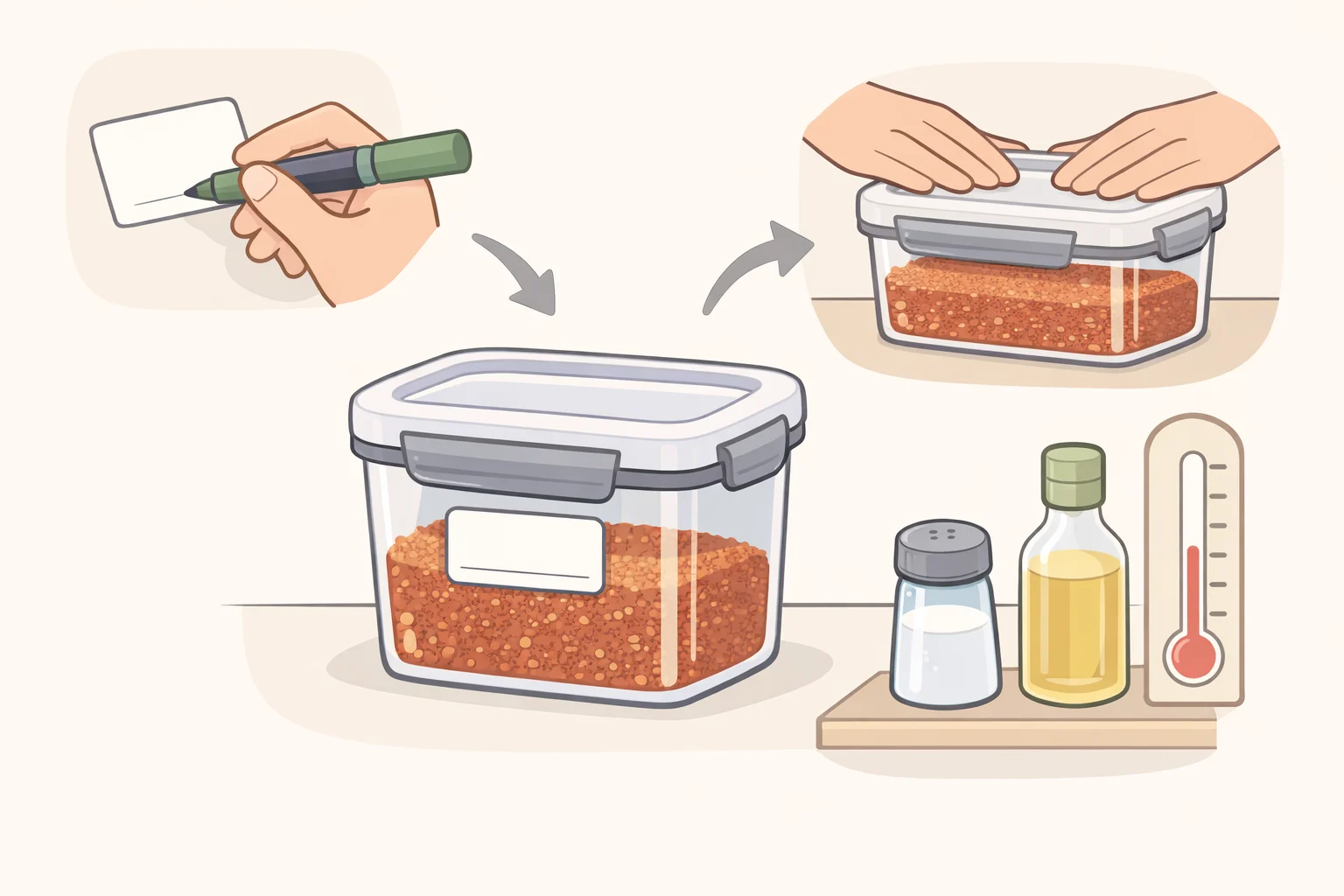
Store the blend in a sealed airtight container at room temperature for up to four months. After that it won't be dangerous, but the volatile oils in the spices will have faded and the blend will taste flat (Serious Eats).
Start with fresh spices when you mix the batch. Commercial pre-made blends often sit in warehouse and retail storage for months before reaching a shelf. Fresh spices give a homemade blend a genuine quality advantage on top of the cost difference, which is significant (Serious Eats).
Label the container with the mix date. When approaching the four-month mark, crush a pinch between your fingers and smell it. Weak or flat aroma means it's past its useful window. Make a fresh batch.
Make the full formula rather than a single-use mix. At roughly 1 teaspoon per patty, that covers about 60 quarter-pound burgers and costs a fraction of any store-bought equivalent.
One jar, sixty burgers
Homemade burger seasoning works because it's built on a deliberate salt foundation, not because it contains an unusual spice. The blend itself is paprika, salt, garlic, onion, pepper, and a few supporting aromatics five minutes to assemble.
The payoff is consistency. Once dialed in for your salt type and patty weight, every batch starts from the same baseline. Adjust one variable at a time, write it down, and the seasoning gets sharper with each cook (Serious Eats).
The same base blend that works on burgers translates directly to chicken thighs, grilled vegetables, and roasted potatoes. Serious Eats built the source formula to span ribs, chicken, and burgers from the start. Make one batch and find out for yourself.



Comments
Be the first, drop a comment!