



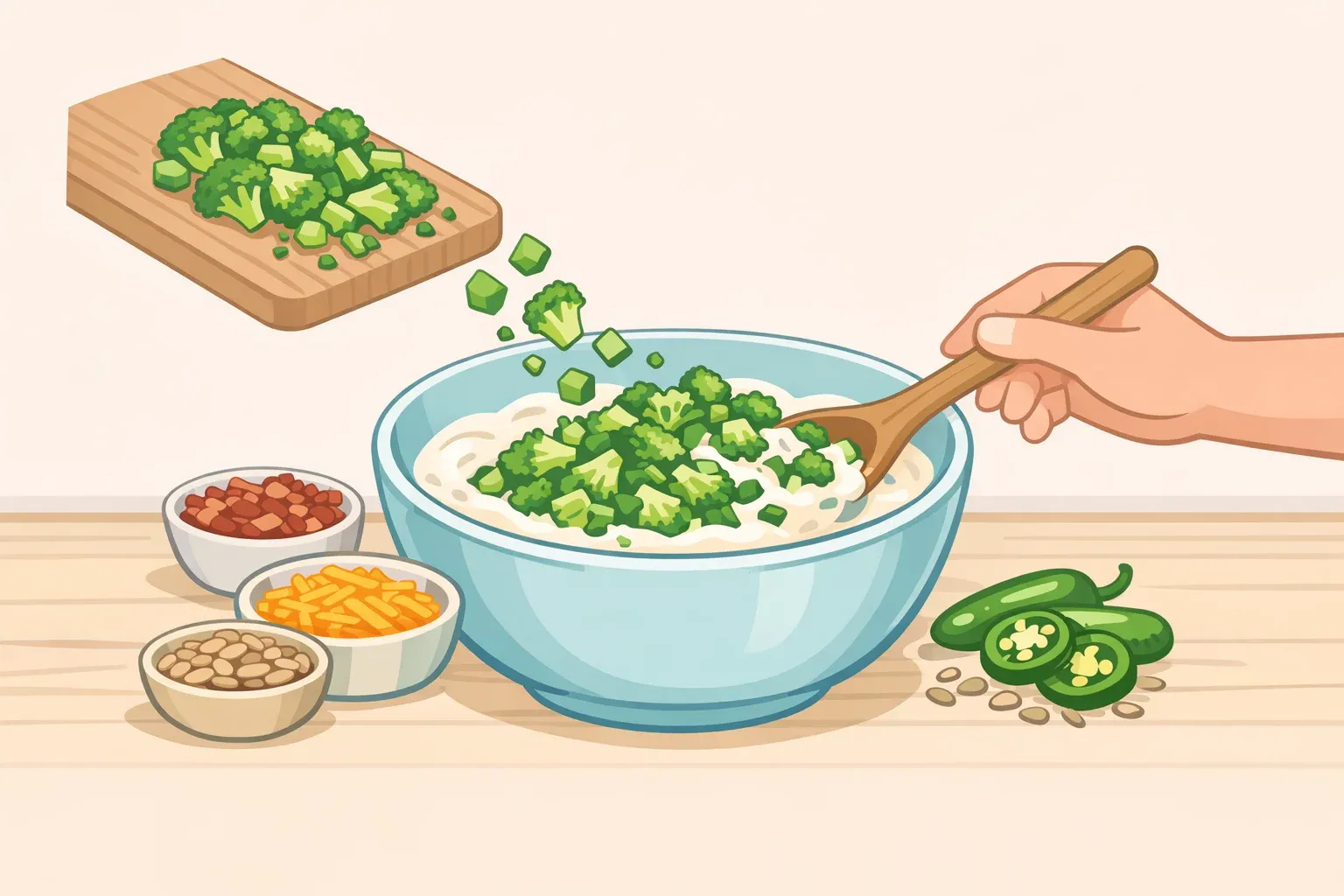
Jalapeño cheddar broccoli salad recipe: choose your method
This jalapeño cheddar broccoli salad recipe gives you a finished dish that holds its texture, balances heat and sweetness, and works whether you're serving it in two hours or two days. One decision shapes everything else: what you do with the broccoli before it goes in the bowl.
The classic formula, cheddar, bacon, dried fruit, sunflower seeds, creamy tangy dressing, has stayed remarkably stable across decades of deli and cookout cooking. NYT Cooking frames it as a Southern tradition; America's Test Kitchen traces its popularization to the Piggly Wiggly grocery chain. The broccoli method largely determines texture, how much dressing you need, and your make-ahead window, three variables that work together or against each other depending on the route you take.
Jalapeño fits this formula as a heat element that plays against the sweetness of dried fruit and the richness of the cheese. It doesn't reinvent the dish. It sharpens it.
Pick your route before you start:
| Situation | Best method |
|---|---|
| Prepping the night before | Raw and chilled |
| Making it the same afternoon | Quick blanch |
| Serving within 2–3 hours, want depth of flavor | Skillet-roasted in bacon fat |
Jalapeño cheddar broccoli salad recipe: the default build
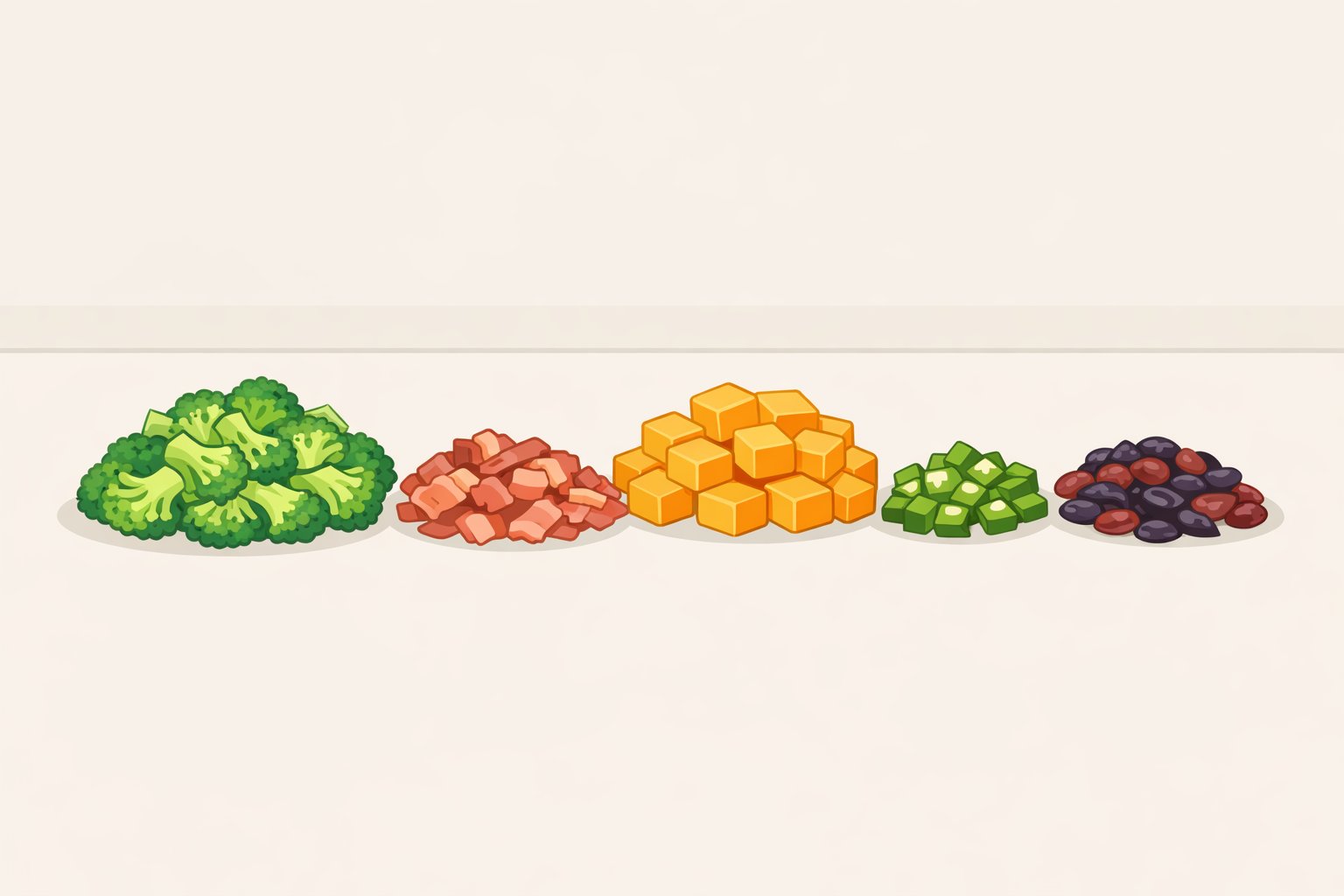
Start here. This is the best all-around version: raw-and-chilled broccoli, a balanced dressing, fresh jalapeño. It serves 8–10 and takes about 15–20 minutes of active work, per timing across Jonathon Hawes and NYT Cooking, plus a minimum one-hour chill.
The salad:
- 1 pound broccoli florets (about 5–6 cups), cut into small pieces, consistent across Jonathon Hawes and NYT Cooking
- 5–8 strips thick-cut bacon, cooked until fully crispy and crumbled; cutting the strips crosswise into half-inch pieces before cooking promotes more even browning
- ¾ to 1 cup sharp cheddar, shredded from a block; pre-shredded bagged versions have anti-caking coatings that affect how the cheese binds to the dressing
- ⅓ cup dried cranberries, or golden raisins for a more classic deli profile; ATK and NYT Cooking both use golden raisins
- ¼ to ½ cup roasted, salted sunflower seeds
- Red onion: recipes range from 2 tablespoons to ½ cup finely chopped, per Jonathon Hawes on the low end and ATK on the high. With raw broccoli, 2 tablespoons is a reasonable starting point; with blanched or roasted broccoli, where sharper flavors mellow, scaling up makes sense
The jalapeño:
Start with 1 fresh jalapeño, seeded and minced, or 2–3 tablespoons of pickled jalapeños if you want more tang and less grassiness. These are two different flavor profiles, not just a heat adjustment. Fresh reads as brighter and more forward; pickled adds acid alongside the heat, which can complement or compete with the dressing depending on how much vinegar is already in it. Chill the salad first, then taste and adjust before serving. One jalapeño is the right place to start.
The default dressing:
- ½ cup mayonnaise + ½ cup plain Greek yogurt + 2–3 tablespoons apple cider vinegar + 2 tablespoons honey or sugar
This equal-parts mayo-and-yogurt base adds tang and lightness without competing with the cheddar. With jalapeño in the mix, start at 2 tablespoons of sweetener, chill, and taste before adding more. NYT Cooking starts with just 1 tablespoon of sugar and notes that a second tablespoon is there if you want it. With jalapeño heat in play, that second tablespoon often earns its place.
Broccoli method details: what you're actually choosing
The three methods produce meaningfully different results. The choice isn't just about timing, it changes the texture, the dressing ratio, and how the jalapeño reads in the finished salad.
Method 1: Raw and chilled
Chop florets small, toss with dressing, and refrigerate for at least one hour. Jonathon Hawes notes that the minimum rest is real: the flavors need that time to come together. Raw broccoli holds up under creamy dressing without going soft, which is why this version stores well, up to 4 days in an airtight container, per Jonathon Hawes.
Best dressing pairing: the default lighter dressing (mayo + Greek yogurt). It's a good match for the crunchy, slightly aggressive texture of raw florets. The broccoli will pull dressing into itself as it sits, so this version can tolerate a bit more sweetener to compensate for that dilution over time.
Method 2: Quick blanch
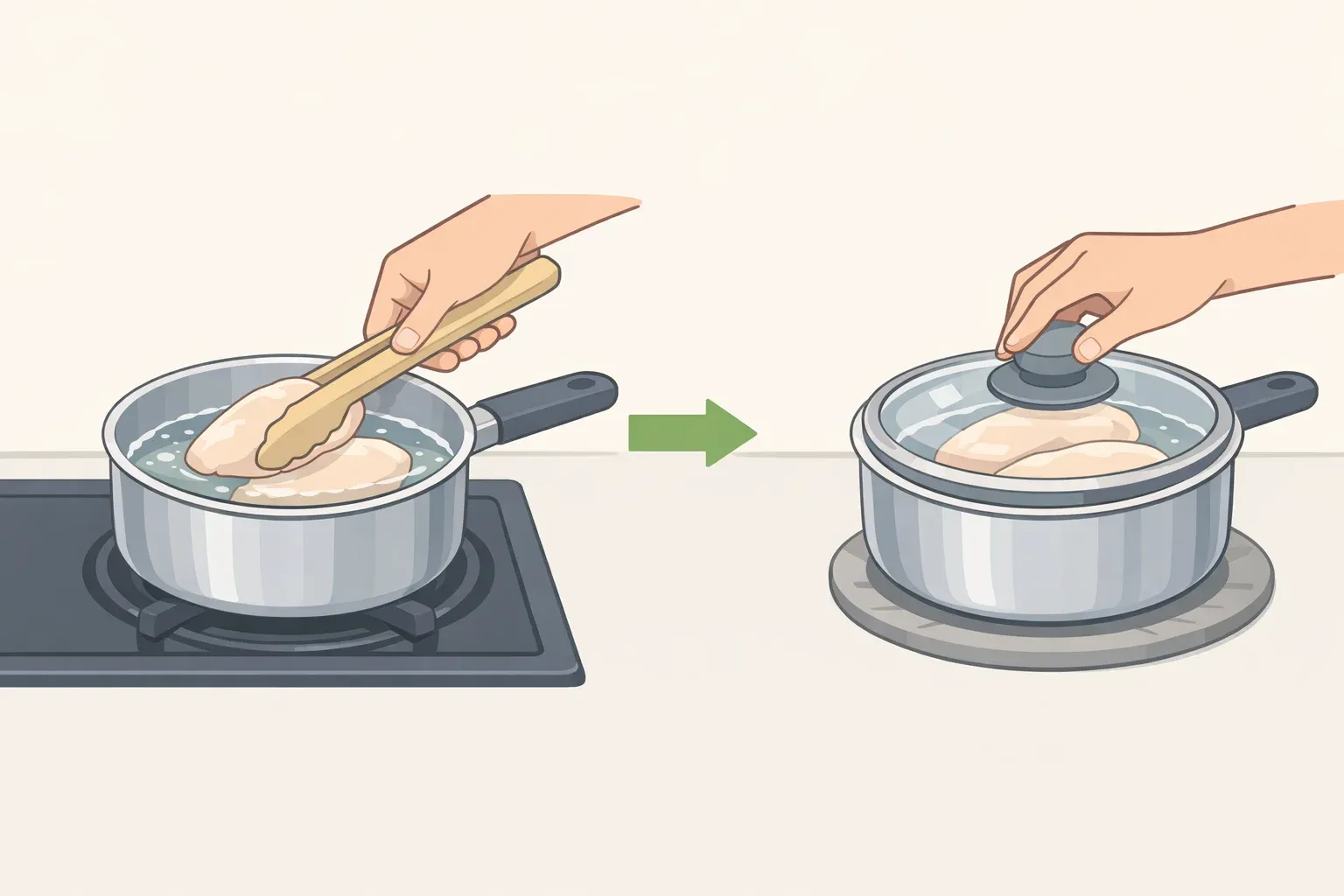
Drop florets into boiling salted water for about 1 minute, then move immediately to an ice bath. NYT Cooking uses this approach for bright color and a crisp-tender texture that sits between raw and fully cooked. Pat the florets dry before dressing; any surface water left on the broccoli will thin the coating and prevent it from sticking properly.
This is a solid middle-ground method: the salad needs less time to mellow than the raw version, but has the color and texture of something that took more effort. The default dressing works well here. Dress in two stages, about three-quarters first, then assess after tossing.
Method 3: Skillet-roasted in bacon fat
Cook bacon in batches in a large skillet; remove and reserve. Keep ¼ cup of the rendered fat in the pan, supplementing with vegetable oil if needed. Add broccoli in two batches. Do not crowd the pan. Cook over medium heat without moving the broccoli until well browned on the bottom, about 10 minutes per batch, per ATK. Let it cool on a cutting board for about 10 minutes, then roughly chop into ½- to 1-inch pieces.
ATK developed this technique specifically to cook flavor into the broccoli and skip the long marination wait. Because the florets have developed their own depth and carry less surface moisture than raw, the salad needs less dressing overall; ATK uses ¾ cup mayo, 2 tablespoons cider vinegar, and 2 tablespoons sugar, a leaner, more traditional mayo-forward formula that coats without smothering. Refrigerator life is shorter here: best within 24 hours, per ATK, because the cooked broccoli continues to soften.
On sweetness: the skillet-roasted version picks up some bitter char that benefits from the full 2 tablespoons of sugar. With jalapeño adding heat on top of that, keep the sweetener at the higher end and taste before serving.
Assembly: the two things that actually matter
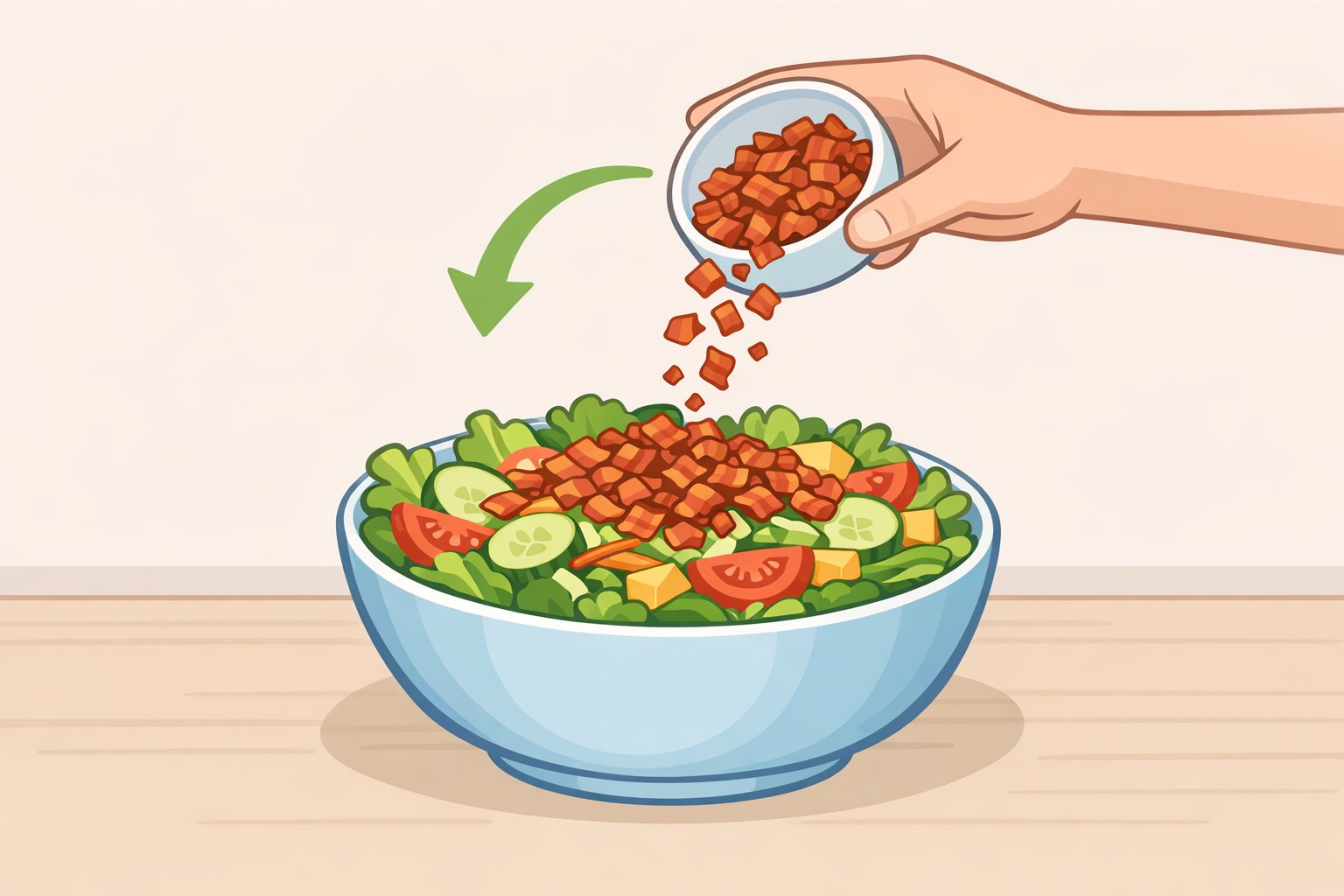
Once the broccoli is ready and the dressing mixed, assembly is fast. The sequencing on dressing quantity and bacon timing determines whether the salad arrives right or arrives soggy.
Step 1. Combine broccoli, red onion, cheddar, dried fruit, sunflower seeds, and jalapeño in a large bowl.
Step 2. Add about three-quarters of the dressing and toss until evenly coated. Taste. Add more dressing only if needed. The salad thickens as it chills, so going slightly light on dressing now is the right call.
Step 3. Cover and refrigerate. Raw and blanched versions need at least one hour; two to three hours is better. NYT Cooking suggests stirring occasionally during the chill to redistribute dressing as the broccoli settles. The skillet-roasted version can go to the table sooner, but give it at least 20–30 minutes.
Step 4. Hold the bacon. Both Jonathon Hawes and NYT Cooking are explicit: bacon folded in during assembly goes soft inside the dressing. Add it as a topping immediately before serving.
Transporting to a cookout? Pack the bacon separately and add it at the table. Same rule, different container.
When it doesn't come out right: fixing common problems
This is a forgiving dish, but a few things reliably go wrong the first time.
The salad is watery. Most likely cause with the blanch method: the florets weren't dried well enough before dressing. The fix going forward is patting them thoroughly. For this batch, drain off pooled liquid and add a small amount of extra mayo to re-emulsify the dressing.
Too sweet. Taste before the jalapeño goes in and again after chilling. The dried fruit contributes more sweetness than it looks like it will. Cut back the honey or sugar in the dressing, or swap golden raisins for cranberries, which run a little tarter.
Too hot. Jalapeño heat varies by pepper and by how thoroughly you removed the seeds and ribs. If the finished salad is hotter than intended, a bit more mayo and another tablespoon of honey will bring it back into balance. Next batch, start with half a jalapeño.
Flat flavor, nothing stands out. Usually a salt or acid issue. Taste for salt first, then add another half-tablespoon of vinegar and let it sit for 10 minutes before tasting again. The dressing needs both to read as tangy rather than just creamy.
Soggy bacon. It went in too early. There's no fix at that point, but the lesson is durable: bacon belongs on top, added at the last moment before serving.
Choosing your version
Cookout the next day. Raw and chilled with the lighter dressing. Assemble the night before, refrigerate, and add bacon right before serving. This version holds well overnight and remains good for up to four days, per Jonathon Hawes. It genuinely improves over the first few hours as the flavors settle.
Meal prep for the week. Same build. Hold the sunflower seeds until serving if you want to preserve crunch across several days.
Same-day serving, best flavor. Skillet-roasted. ATK designed this approach specifically to eliminate the long marination window by building flavor through cooking rather than waiting. Use fresh jalapeño here; the charred, smoky broccoli carries the heat well. Serve within 24 hours.
Fresh vs. pickled jalapeño. Fresh gives more control over heat level and a cleaner flavor. Pickled adds tang alongside the heat. Neither is wrong; they just make different salads. Try fresh first, and switch to pickled once you know how the rest of the recipe comes together for your palate.


Comments
Be the first, drop a comment!