



Reviewed by: Y. Garcia
Here's the thing about homemade salad dressing — once you discover how ridiculously simple it is, you'll wonder why you ever bought those expensive bottles that sit in your fridge door for months. This basic vinaigrette formula has been transforming ordinary greens into restaurant-quality salads for decades, and it requires zero cooking skills while giving you complete control over flavor and freshness.
According to Simply Recipes, the technique is so foolproof that it works with just vigorous shaking — no fancy equipment needed. Plus, you probably already have everything you need in your pantry.
What You'll Need
Materials
1/4 cup acid (vinegar or fresh lemon juice)
3/4 cup extra-virgin olive oil
1 teaspoon Dijon mustard
1/2 teaspoon salt
1/8 teaspoon freshly ground black pepper
1 teaspoon honey (optional, for balance)
Tools
Mason jar with tight-fitting lid (or small mixing bowl)
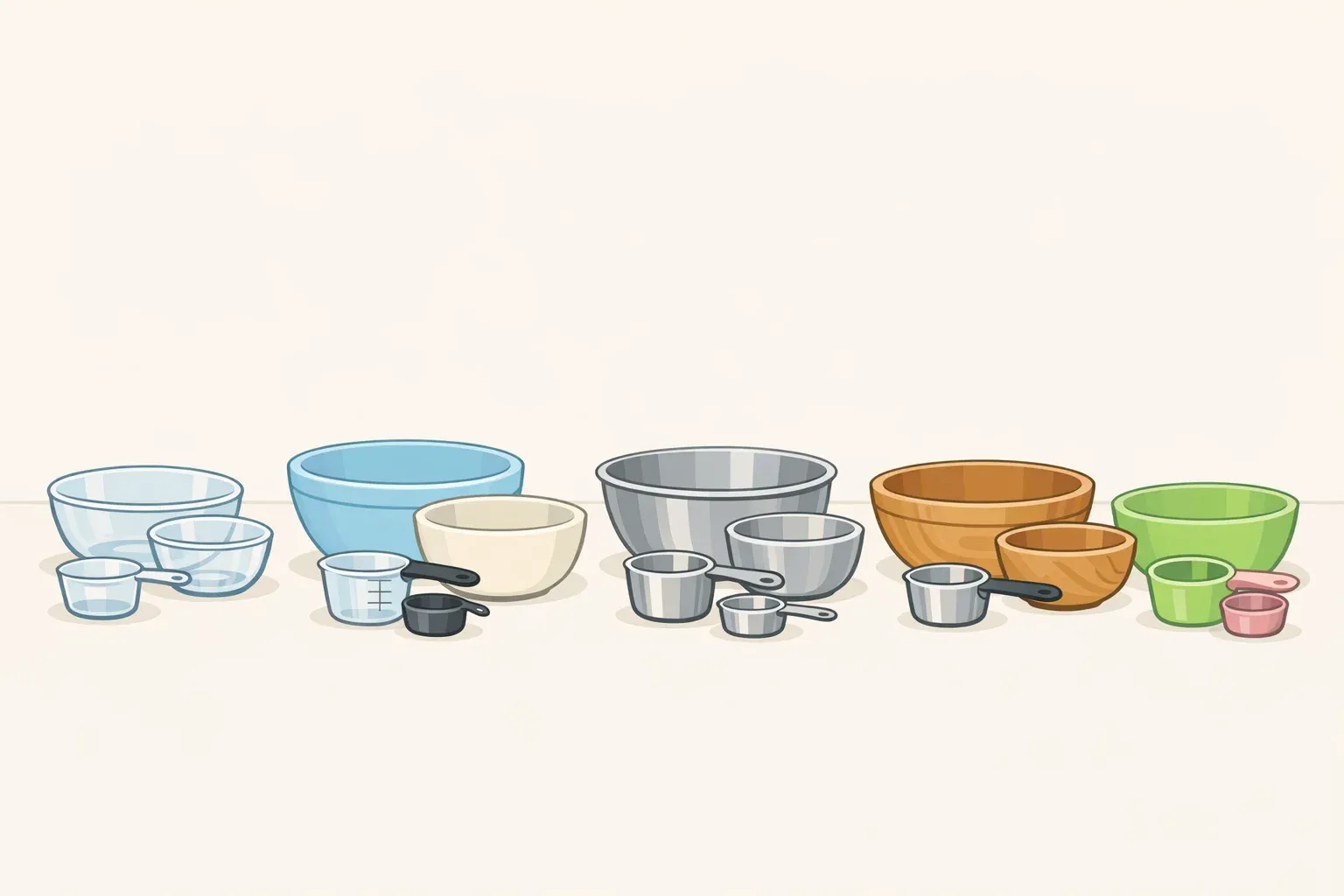
Measuring cups and spoons
Safety First
Use fresh lemon juice for the best flavor; refrigerate and use sooner than vinegar-based versions
Clean the jar lid thoroughly after each use to prevent bacterial growth
Always taste-test before serving to adjust seasoning
Steps
Add your acid to the jar first. Pour in 1/4 cup of vinegar or fresh lemon juice — this becomes your flavor foundation.
Tip: Food experts recommend starting with one part acid to three parts oil, though many prefer a tangier 1:2 ratio for more punch.
Mix in the mustard and seasonings. Add 1 teaspoon Dijon mustard, salt, and pepper directly to the acid and stir briefly to combine.
Why mustard matters: According to Serious Eats, Dijon mustard contains natural emulsifiers that create a stable bridge between oil and vinegar, preventing that separated, oily mess that slides off your greens.
Pour in the oil and shake vigorously. Add 3/4 cup olive oil, seal the jar, and shake "with great vigor" (Julia Child's fantastic words) for about 30 seconds. You'll see the mixture transform from separated liquids into a creamy, unified dressing as tiny oil droplets become suspended in the acid.
If this happens: Dressing looks separated → shake harder for another 15-30 seconds until it appears creamy and cohesive.
Taste and adjust. Dip a piece of lettuce into the dressing to test the flavor balance, then add honey for sweetness or more salt if needed.
Why it works: The vigorous shaking creates tiny oil droplets that the mustard's emulsifiers can coat and stabilize, resulting in a creamy texture that actually sticks to your salad instead of pooling at the bottom of the bowl.
Cleanup & Disposal
Rinse measuring tools immediately to prevent oil residue buildup
Store leftover dressing in the same jar — no transfer needed
Wipe jar exterior clean and store in the refrigerator
Troubleshooting
Problem: Dressing won't stay mixed → Fix: Add another 1/2 teaspoon of mustard and shake again
Problem: Too oily tasting → Fix: Add more acid, 1 tablespoon at a time
Problem: Too tangy → Fix: Drizzle in more oil or add a touch of honey
Variations & Upgrades
Herb upgrade: As one food writer noted, fresh dill makes everything "100 times more fun and delicious than parsley" — perfect for summer salads and cucumber dishes
Acid swaps: Simply Recipes testing shows lemon juice adds sunny brightness for spring greens, while sherry vinegar brings nutty warmth ideal for heartier winter salads
Flavor boosters: Minced shallots, crushed garlic, or even a dash of MSG, as Ina Garten suggests, for instant umami depth
Storage hack for smooth pouring: America's Test Kitchen discovered that combining 2 parts olive oil with 1 part neutral oil prevents the dressing from solidifying in cold temperatures, so it's ready to pour straight from the fridge
FAQ
How long does this keep? Storage guidance varies: some sources say vinaigrettes can last up to about two weeks, but dressings with fresh ingredients may need to be used sooner.
Can I make this ahead? Absolutely — store in the back of your fridge where temperatures stay most consistent, and always clean the lid after each use to prevent bacterial growth.
What's the secret to Martha Stewart's version? Martha's approach includes a pinch of granulated sugar that rounds out the sharp edges of vinegar and creates better overall flavor balance with the oil's richness.
This foolproof formula proves that the best solutions are often the simplest ones. Over 600,000 readers have discovered this approach delivers superior freshness, flavor control, and cost savings compared to bottled alternatives — and once you taste the difference, you'll keep that jar ready in your fridge for instant salad upgrades that transform ordinary greens into something worth craving.






Comments
Be the first, drop a comment!