



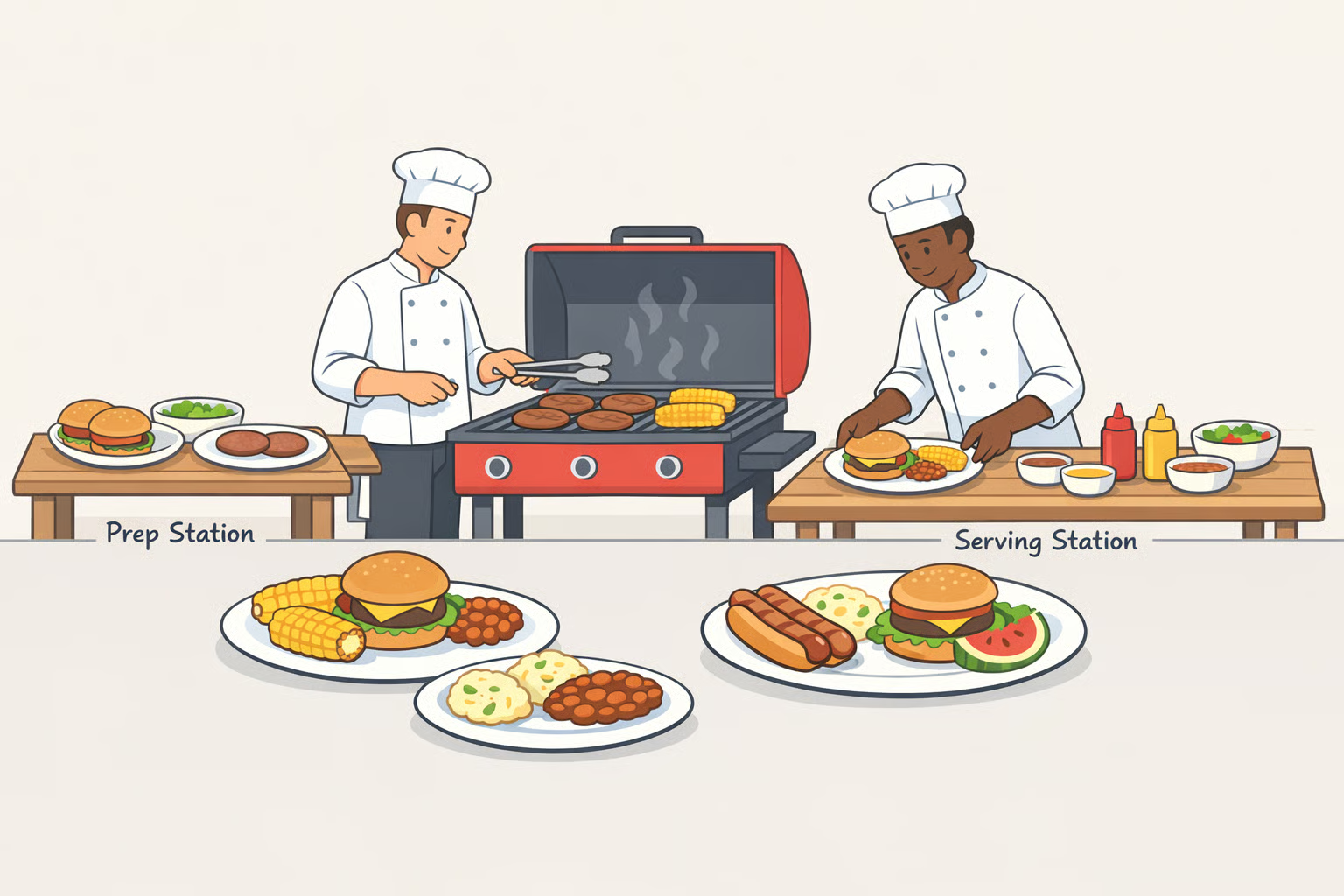
Memorial Day cookout hosting tips: a 3-part chef system
This guide walks through the framework three private chefs use to run stress-free Memorial Day cookouts: a shorter menu, aggressive advance prep, and staggered service. Apply all three, and Monday's event looks very different from the one you've been dreading.
Most cookout stress is self-made. The hosts who feel least frazzled when guests arrive aren't better cooks; they've made fewer decisions by the time the grill lights. Justin Robinson (Atlanta), Nicole Dragon (Long Beach Island, NJ), and Nicole Lee shared their Memorial Day hosting systems with Business Insider today, and their advice converges on the same three moves.
The reason this system works isn't just convenience. The same choices that lower hosting stress also make temperature control easier. The CDC estimates 48 million Americans get sick from foodborne illness each year, with 128,000 hospitalized, according to Journal Sentinel reporting on CDC data. Bacteria thrive and multiply faster in warmer temperatures, which is why illness rates spike in summer, per the same source. A shorter menu with fewer simultaneous hot dishes means fewer temperature management points. Less to manage means less that goes wrong.
Part 1: Build a smaller menu on purpose
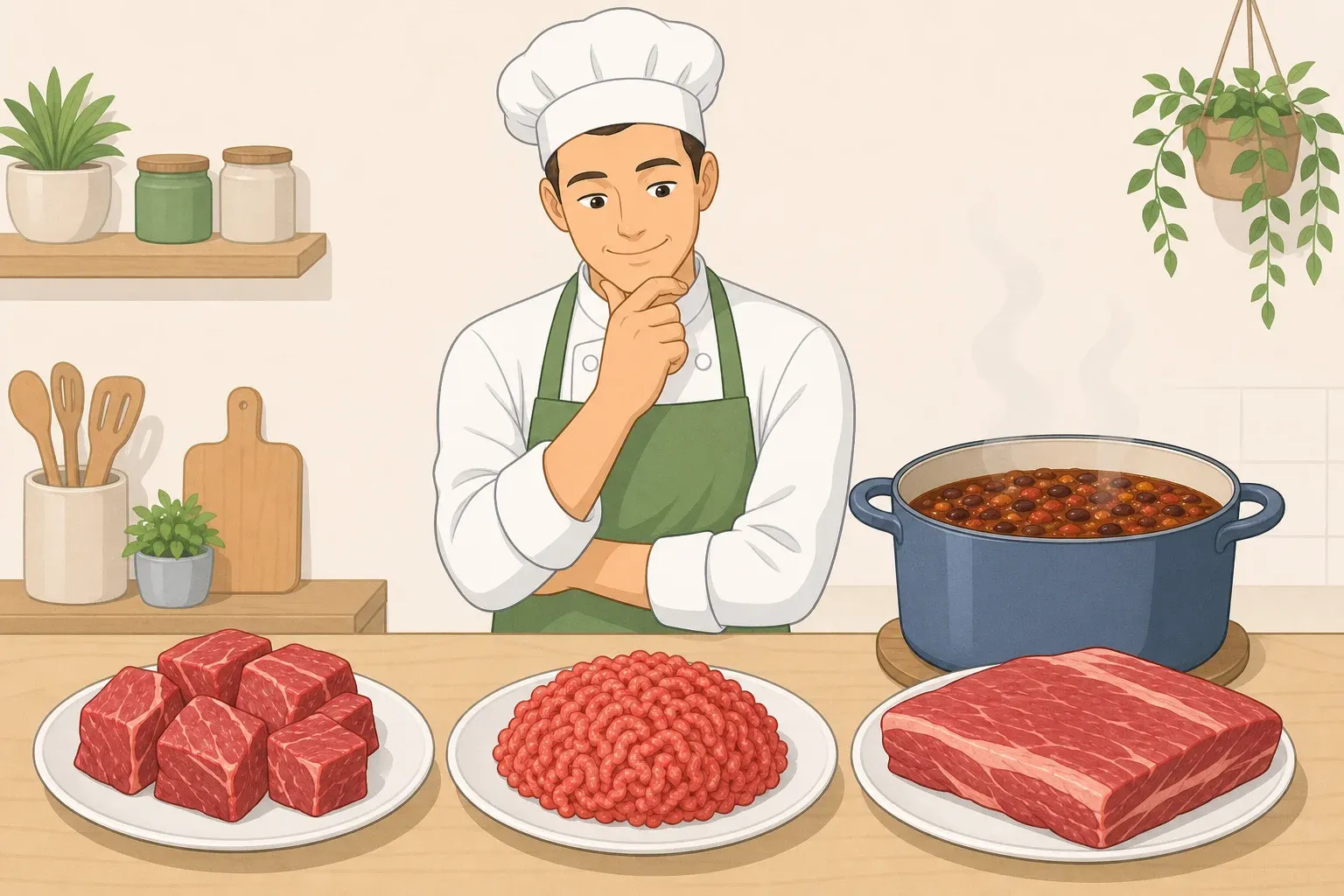
The menu is where the day gets complicated before it starts. Robinson's ceiling is two to three proteins, two sides, and a dessert. "The bigger you get, the more prep work you have to do," he told Business Insider. Adding dishes doesn't improve the experience for guests; it degrades it, because the host is now managing logistics instead of hosting.
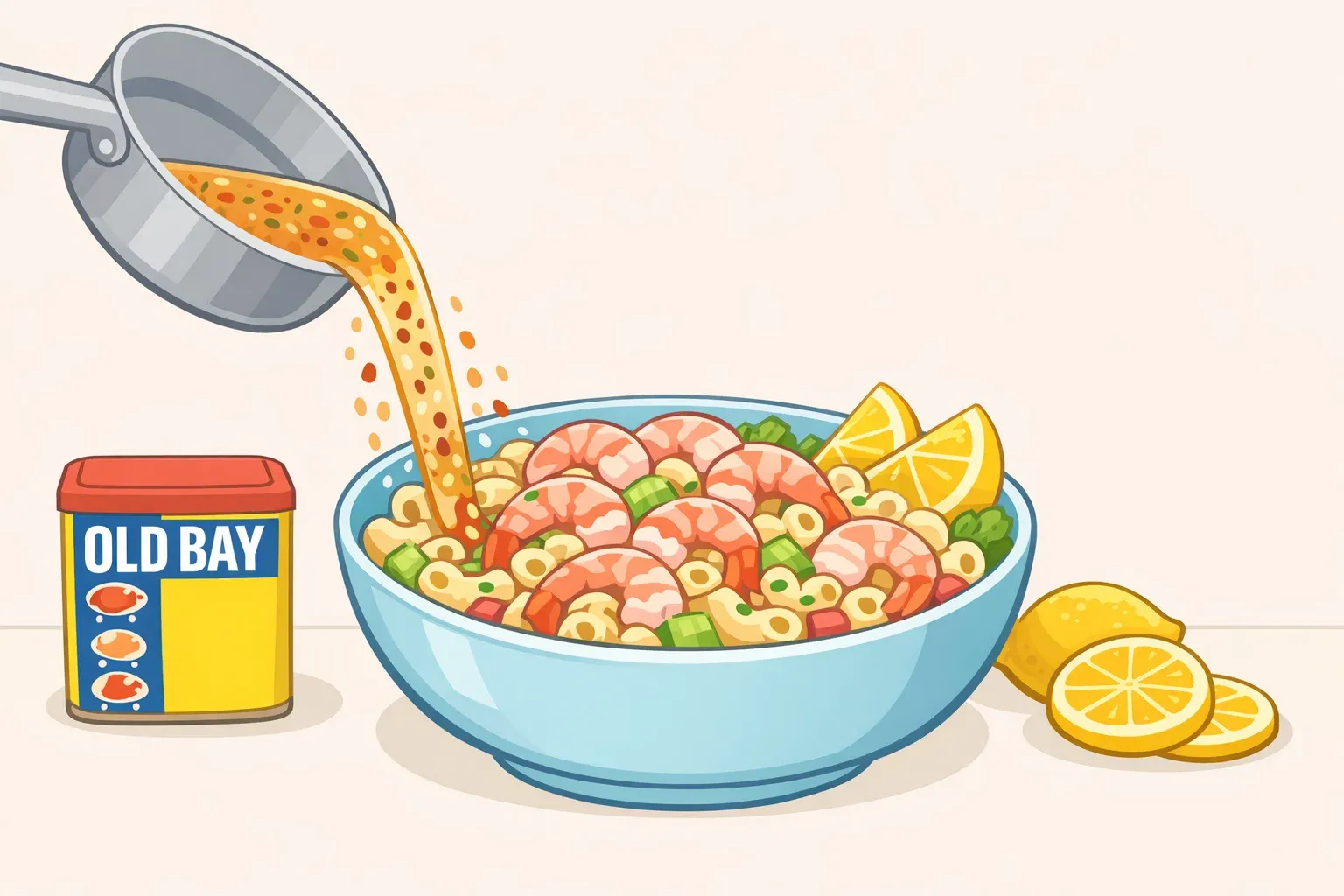
Dragon structures her spreads around dishes that hold at different temperature points cold pasta salads and room-temperature fruit platters rather than requiring every item to arrive hot at the same moment. "When you have that variety, you're not trying to keep every single dish hot at the same time," she told Business Insider. "So it's way less stress for a host." This isn't purely a hospitality preference. Fewer simultaneous hot dishes means fewer temperature management points and fewer opportunities for food to drift into the danger zone.
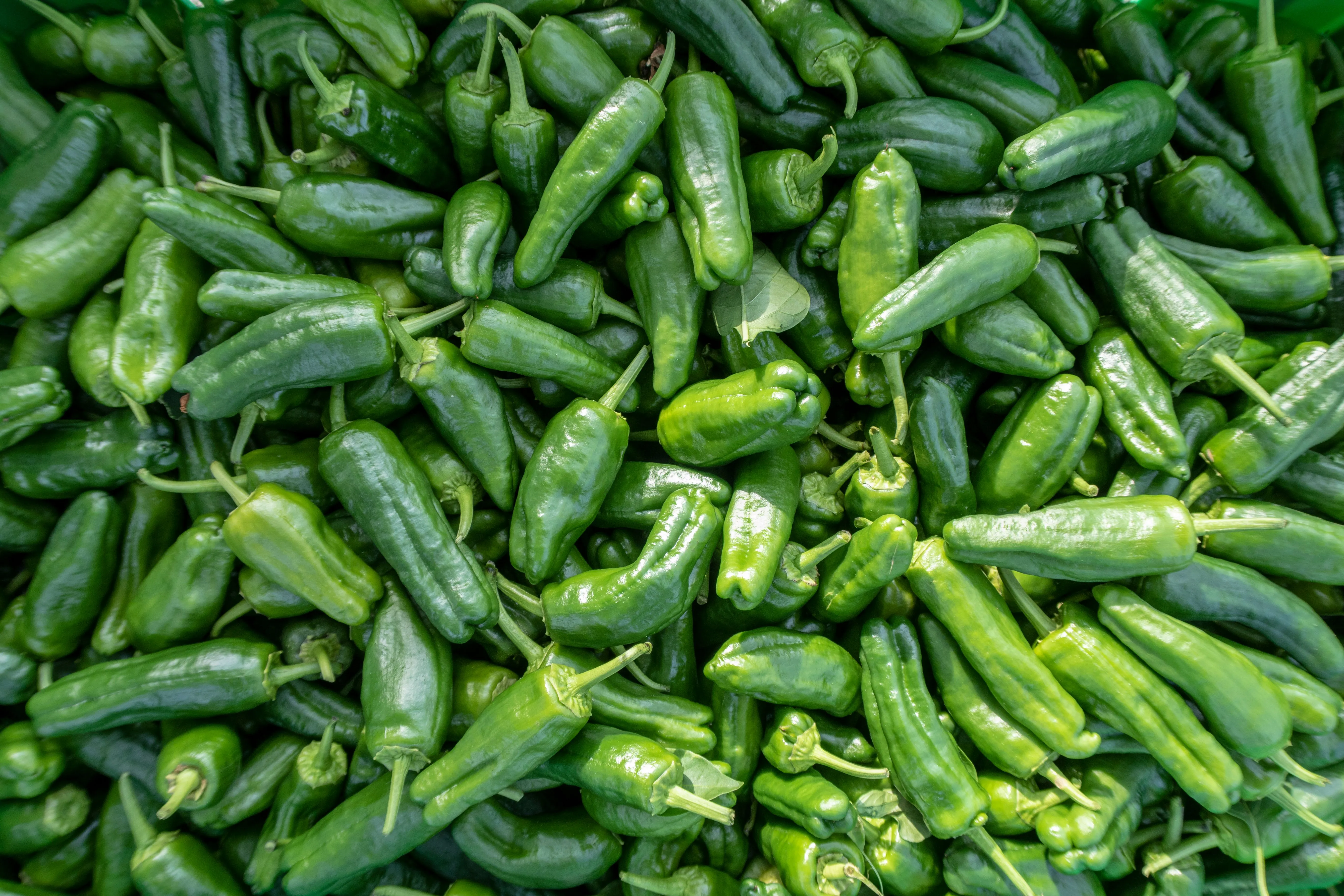
Seasonal produce does most of the flavor work without demanding much of the cook. Corn, tomatoes, watermelon, zucchini, peaches, and bell peppers are at peak in late May and require minimal preparation to impress, per the same Business Insider roundup. Dragon calls leaning on in-season produce "a foolproof tip." Undressed green salads, fruit platters, and vegetable platters are more forgiving outdoors and generally don't need the same ice setup as dairy-heavy or dressed dishes, per catering guidance from Martha Stewart. On the dressing question: oil-and-vinegar-based options hold up better outside than cream-based ones, which require consistent refrigeration to stay safe, per the same source.
The kids' menu problem solves itself with a self-serve format. Rather than running parallel menus, Lee simplifies a single adult dish. Kids get plain cheeseburgers; adults get the same burgers plus a toppings bar. Nothing is wasted, prep stays consolidated, and the toppings bar is itself prep-ahead work, per Business Insider.
A short menu is the prerequisite for everything that follows. You can't complete 80% of the work in advance if you've built a menu that requires 100% of you on the day.
Part 2: How to host a Memorial Day cookout without doing everything at once
Dragon's rule is direct: aim to have 80% of prep done before the event. For larger gatherings, she starts two days out, she told Business Insider today. The goal is for the day-of role to be finishing and hosting, not cooking from scratch.
Lee pre-makes sauces, marinades, dips, and sides in advance. "It's really the small details that, on the day of, can take up a lot more time than you would think," she told Business Insider. Her method for staying organized when guests start arriving and attention fragments: time-block cooking tasks, assigning specific windows to each dish so there's no mid-party "what do I do now" spiral.
Robinson's version is blunter. "Do as much as you can the day before so the day of, you're just lighting the grill," he told Business Insider.
One safety note that belongs here, at the point where marinades are on the mind: all marinating must happen in the refrigerator, not on the counter. Marinade that has contacted raw meat should be discarded or brought to a full boil before use as a basting sauce, per Journal Sentinel reporting on USDA guidance. The cleaner approach: set aside a separate portion of marinade before the raw meat goes in.
Day-before checklist
- Clean the space
- Marinate meats (refrigerator only, not the counter)
- Pre-cut burger toppings and store in labeled containers
- Make sauces, dips, and cold sides
- Stage condiments and serving ware
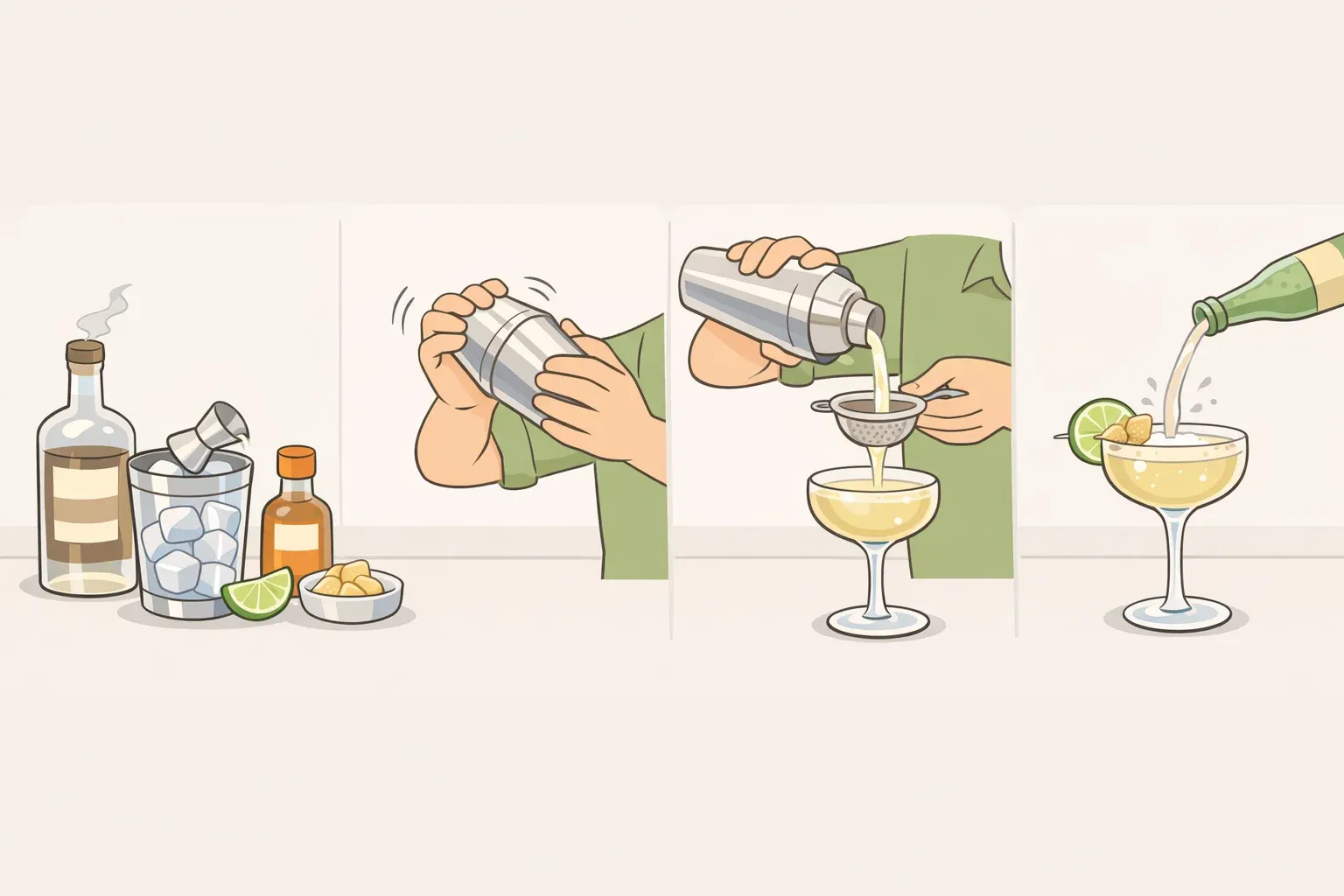
- Prepare batch cocktails or mocktails
- Set out coolers separate one for beverages and one for perishable food, both kept in shade per USDA guidance
When everything above is handled Saturday, Sunday becomes a different kind of day. The prep work is also what makes staggered service physically possible.
Part 3: Serve smart time the spread, control the temperature
Wait until at least a third of guests have arrived before putting out the full spread. "Food can't stay hot for 30 to 45 minutes out on a countertop," Robinson told Business Insider today. Hold hot dishes in a low oven until it's time. Batch cocktails or mocktails served on arrival give guests something in hand while the host finishes, per the same source.
This timing decision connects directly to what the USDA calls the food danger zone: 40°F to 140°F, the range where bacteria can double roughly every 20 minutes. Hot food must stay above 140°F; cold food must stay below 40°F. Staggered service minimizes the window food spends in that range. The chef advice and the safety guidance are solving for the same problem.
The two-hour rule is non-negotiable: any food left out beyond two hours, or one hour if outdoor temperatures exceed 90°F, should be discarded. That guidance comes from both the USDA and Cleveland Clinic dietitian Teresa Eury, cited by Journal Sentinel last year. Cooking in smaller successive batches rather than one large push keeps food arriving fresh and reduces time in the danger window, per catering guidance from Martha Stewart.
At the grill
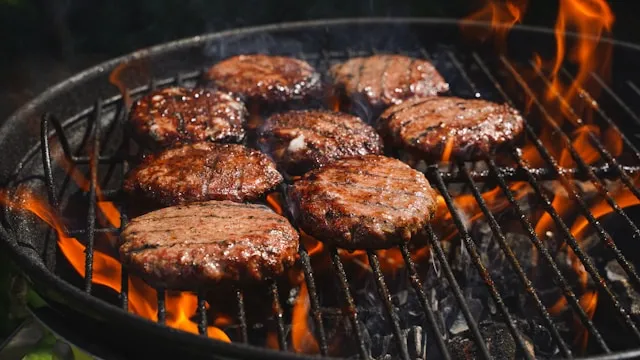
Color and feel are not reliable indicators of doneness. Use a meat thermometer and insert it into the thickest part of the meat. Per Journal Sentinel reporting on USDA FSIS standards:
- Poultry: 165°F minimum
- Ground beef and ground pork burgers: 160°F
- Whole beef cuts, whole pork cuts, steaks, roasts, and chops: 145°F with a three-minute rest
Cross-contamination basics belong here, close to the grill. Use a clean platter for cooked meat and never return it to the tray that held raw. Keep separate cutting boards for raw meat and produce. Rinsing raw chicken or meat under the tap spreads bacteria to the sink and surrounding surfaces and should be skipped entirely, per Journal Sentinel reporting on USDA guidance.
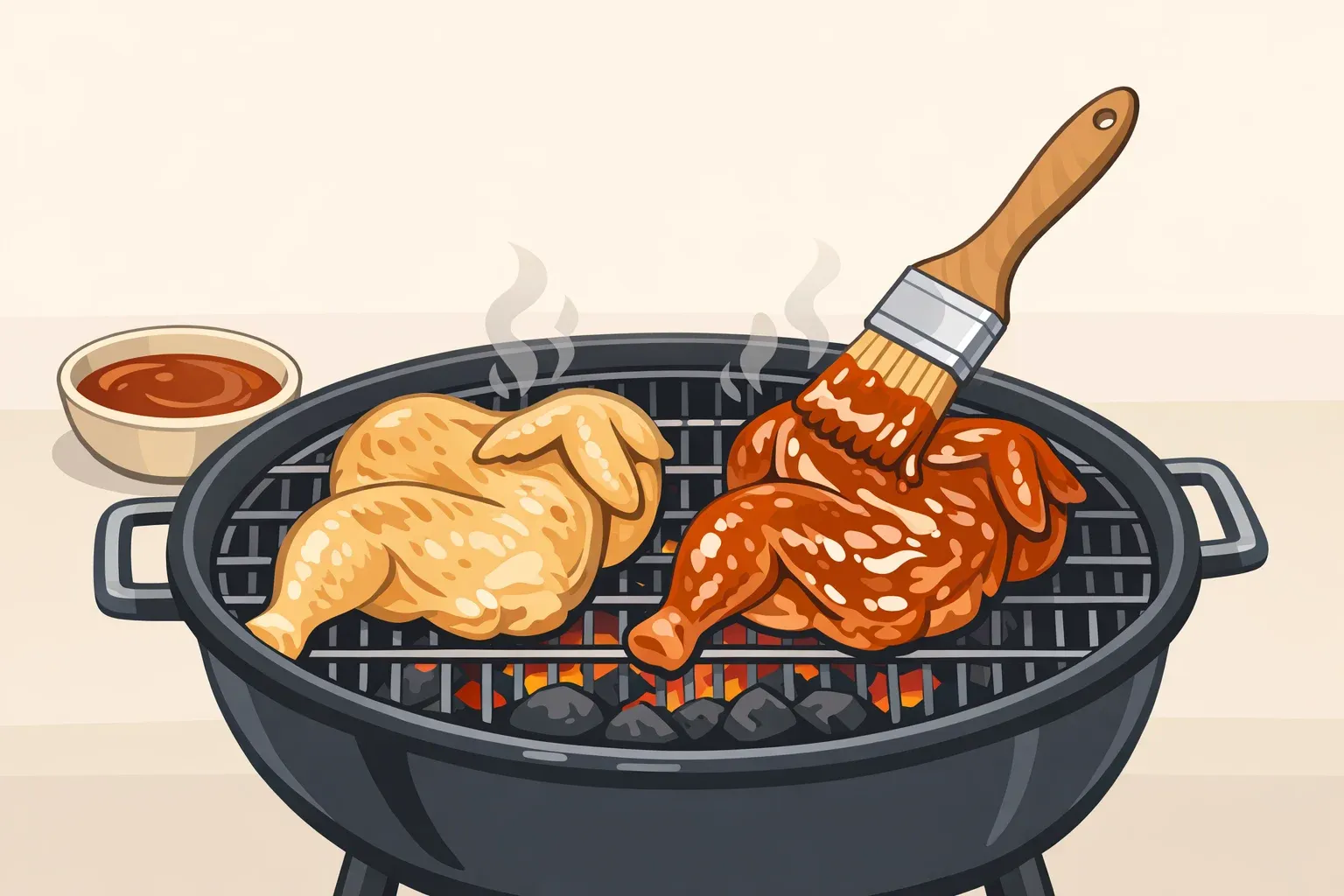
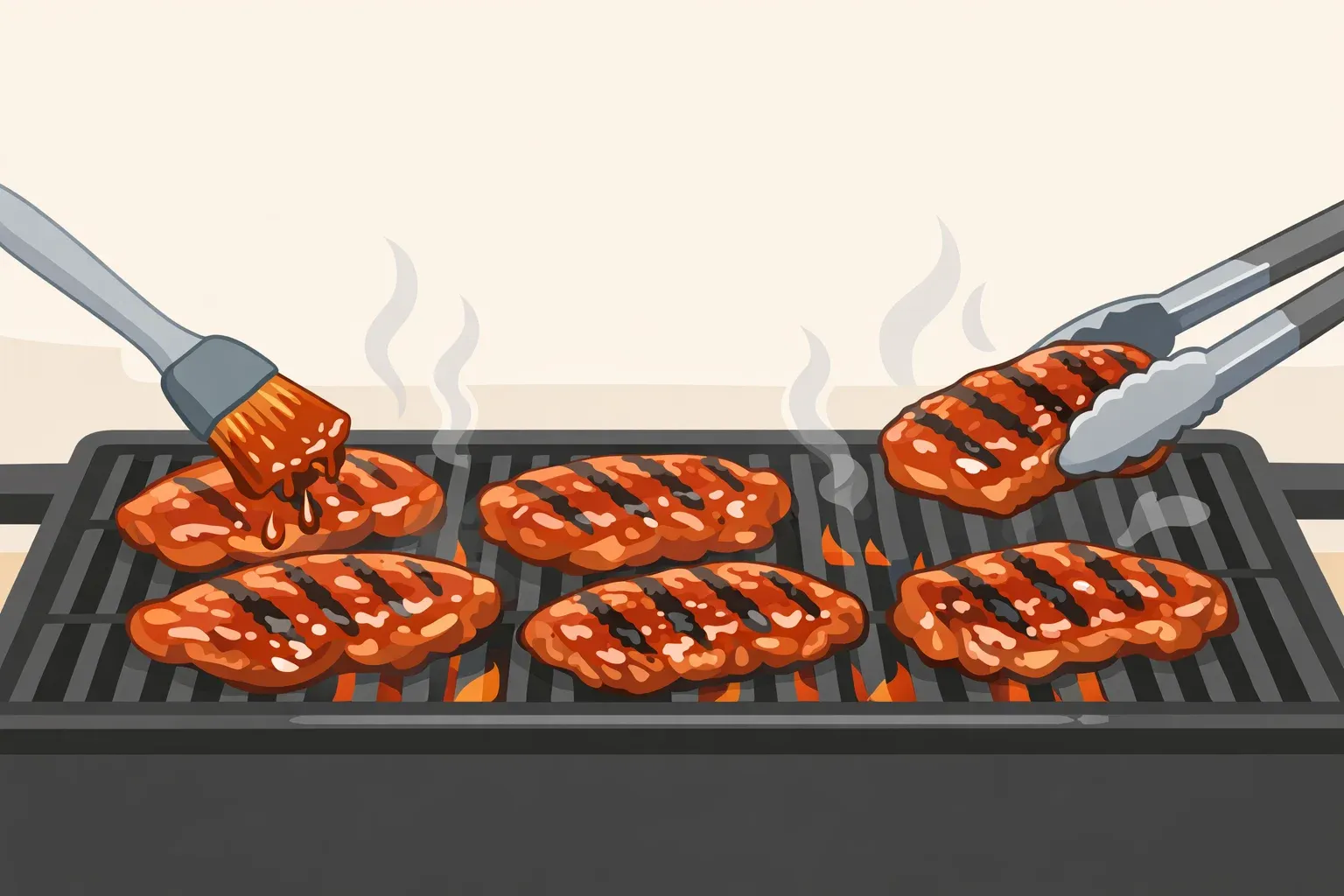
Robinson's grill tip: spritz meat as it cooks to prevent drying, using a half soy sauce, half Coca-Cola mixture he says builds caramelization on the surface, per Business Insider.
Keeping cold food cold
Serve cold salads and platters from small dishes, rotating refrigerator backups as they empty, per Martha Stewart catering guidance. Keep coolers in the shade, separate food from beverages, and use ice or gel packs to maintain temperature below 40°F, per USDA. Undressed salads, fruit platters, and vegetable platters are more forgiving they handle the heat without the same ice requirements as dressed or dairy-based dishes, per Martha Stewart.
Common Memorial Day barbecue questions
What can I make the day before? Sauces, marinades, dips, cold sides, pre-cut toppings, and batch cocktails all hold well. Marinate meats overnight in the refrigerator. Stage condiments and set out coolers the night before so there's nothing to scramble for in the morning.
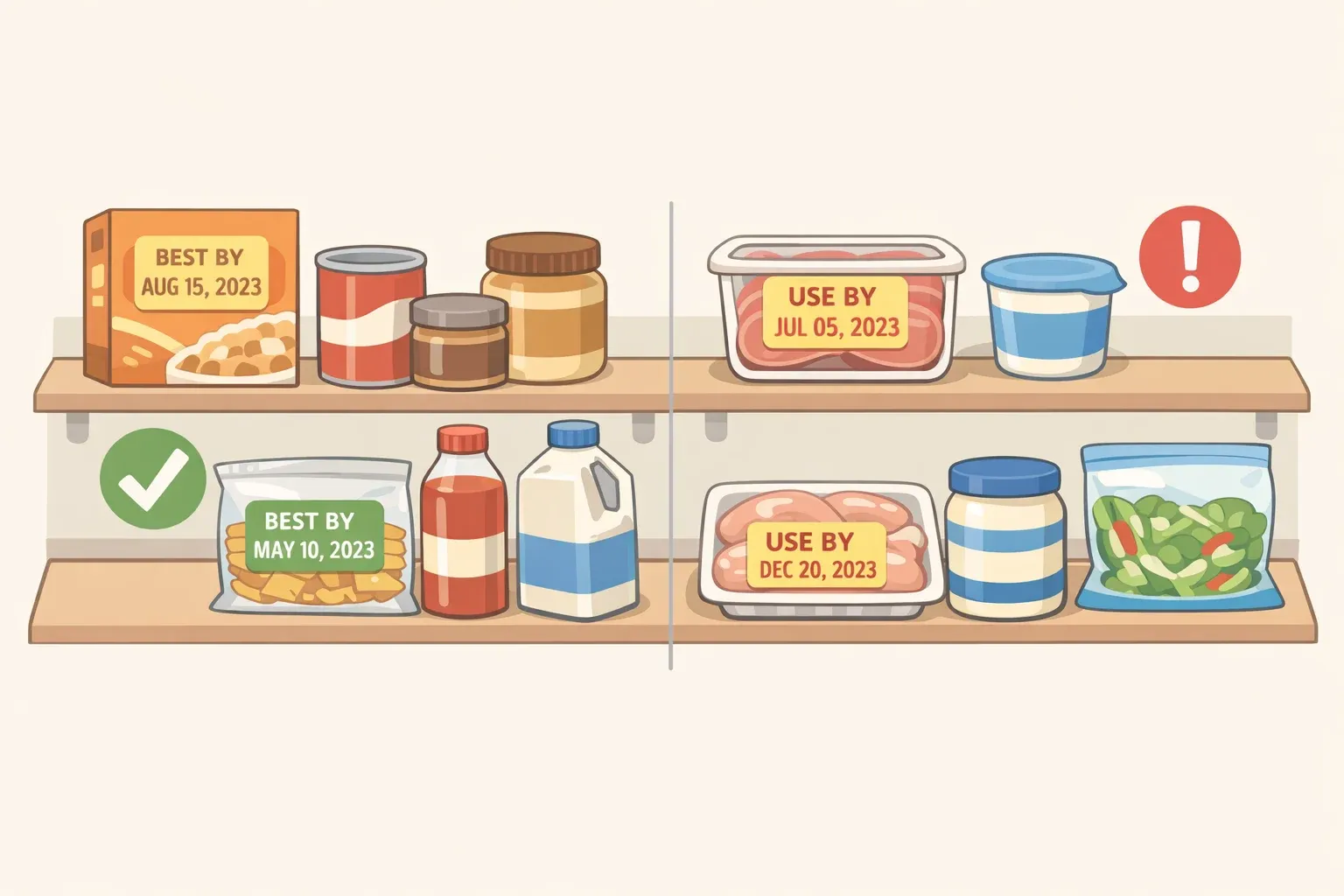
How long can food safely sit out? Two hours at most. If outdoor temperatures are above 90°F, that drops to one hour, per USDA and Journal Sentinel reporting. When in doubt, throw it out.
When should I put out the food? Wait until at least a third of guests have arrived. Hold hot dishes in a low oven until then. Staggering the spread keeps food in safe temperature ranges and means the last guests get the same quality as the first.
How do I avoid cross-contamination at the grill? Use a separate clean platter for cooked meat, never the one that held raw. Keep distinct cutting boards for raw meat and produce. Skip rinsing raw meat entirely, per Journal Sentinel reporting on USDA guidance.
Three things to remember, one event-day mindset
Plan a short menu anchored to dishes that hold well outdoors, complete 80% of prep the day before, and stagger service so food stays in the right temperature window from the moment it leaves the kitchen.
These aren't separate tips. A smaller menu is easier to prep ahead. Prep-ahead work makes staggered service possible. Staggered service keeps both quality and safety intact. Each part enables the next.
Dragon captures what's underneath all of it: "You don't have to be super perfect with your food. At the end of the day, it's really about the way that food brings people around a table," she told Business Insider today.
Event-day checklist
- Hold hot dishes in a low oven until a third of guests have arrived
- Set cold items in ice or rotate from refrigerator backup
- Cook grillables in batches, not all at once
- Use a meat thermometer don't guess
- Pull any food that's been out two hours (one hour above 90°F)
- Ask guests to drop empty dishes in the sink as they clear; gradual cleanup beats a post-party wall of dishes


Comments
Be the first, drop a comment!