





Pan bagnat is a Niçoise salad sandwich from Nice, France, built on crusty bread that softens as it absorbs tomato juices and olive oil. Make it the night before, press it under something heavy, and pack it cold the next day.
The three things that determine whether it works are dry bread, controlled tomato moisture, and enough resting time. Everything else is flexible.
What you need before starting:
A crusty round roll or short baguette, slightly stale or left out uncovered for a few hours if fresh
Olive oil-packed canned tuna
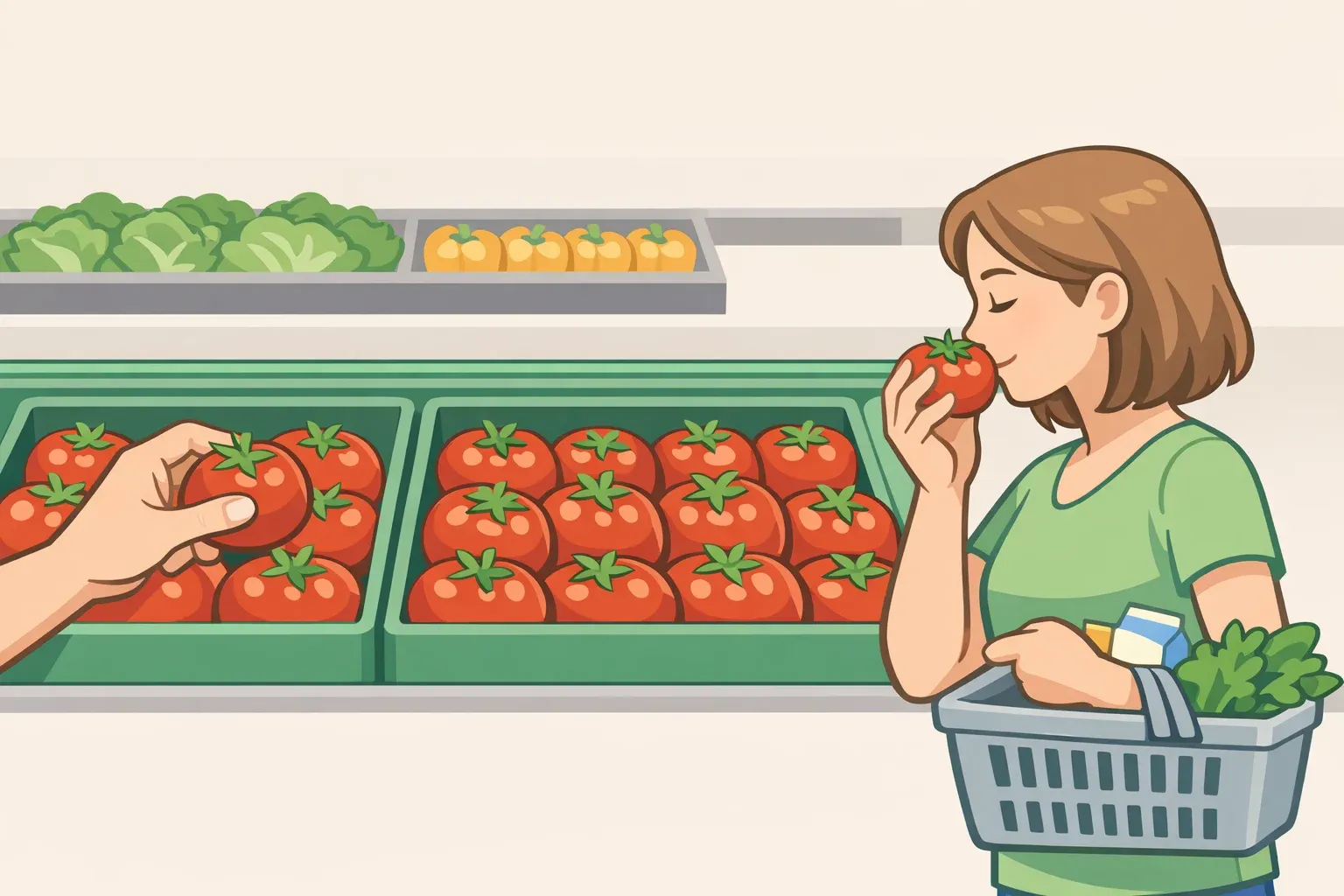
Very ripe summer tomatoes
Refrigerator space for the wrapped sandwich and a heavy pan or Dutch oven for pressing
How long it takes: About 30 to 40 minutes of active work, then at least 3 hours in the refrigerator. Overnight is better.
Why pan bagnat gets better as it rests
Pan bagnat takes the logic of salade Niçoise and packs it into bread. The name refers to bread that has been moistened or soaked, which points to the whole method: the bread is supposed to absorb tomato, olive oil, and seasoning.
That is why crusty, slightly dry bread matters. A fresh soft roll turns to mush. A sturdy roll or baguette softens gradually while still holding its shape.
Think of the sandwich as a controlled soak. The goal after resting is bread that is soft enough to bite through but sturdy enough to hold the filling.
What to put in pan bagnat
These core ingredients affect the sandwich's structure and flavor balance:
Crusty, dry-crumbed bread, such as a round roll or short baguette
Very ripe summer tomatoes, used two ways
Extra-virgin olive oil
Oil-packed canned tuna
Hard-boiled eggs, quartered
Niçoise olives, or Castelvetrano or Kalamata olives as substitutes
Garlic, rubbed directly onto the cut bread
Salt and black pepper
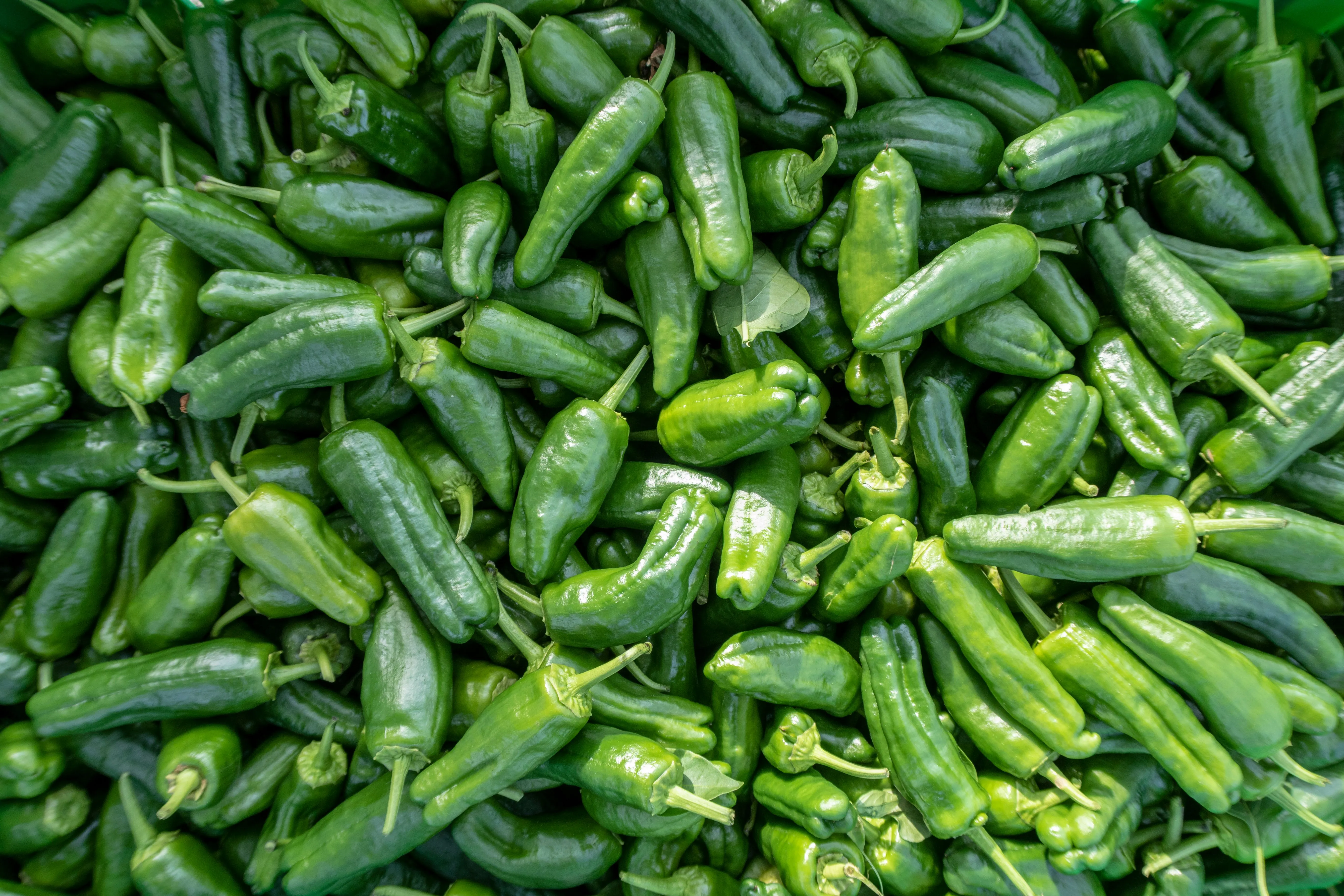
Optional additions that work well include raw green pepper rings, thinly sliced scallion or white onion, basil leaves, a splash of red wine vinegar, radish, marinated artichoke hearts, and anchovy fillets.
Traditional Niçois versions usually stay close to raw vegetables, olive oil, eggs, olives, and tuna or anchovies, but exact family recipes vary. Add what you have; leave out what you do not.
One firm rule for a traditional-leaning version: Skip the mayonnaise. Pan bagnat depends on olive oil and tomato juices soaking into the bread, not a creamy spread.
Cooked potatoes and green beans are common in some salade Niçoise adaptations, but they are not needed here. For this version, stick with raw vegetables, tomato, olive oil, eggs, olives, and tuna or anchovies.
How to make pan bagnat
Step 1: Cook the eggs
Bring water to a boil, lower in 4 large eggs, reduce to a bare simmer, and cook for 9 minutes for jammy yolks or 11 minutes for fully set yolks. Transfer the eggs immediately to an ice bath for at least 15 minutes, then peel them under cool running water.
Quarter the eggs lengthwise and set them aside.
Step 2: Prepare the tomatoes — the step that prevents sogginess
Use about 1 1/4 pounds of very ripe tomatoes, divided.
Slice about three-quarters of the tomatoes into 1/4-inch wedges and drain them on paper towels for several minutes. Surface moisture from the slices is one of the main causes of soggy bread. Salt the drained slices lightly before layering.
Halve the remaining tomatoes and grate the cut face against the large holes of a box grater, pressing with a flat palm. The flesh goes through; the skin stays in your hand. Discard the skin and season the pulp with salt.
Using tomatoes two ways keeps the sandwich juicy without flooding the bread. Spread the grated pulp in a thin, even layer across both cut faces, then save the drained slices for the filling.
Step 3: Dress the optional vegetables
If using green pepper, scallion, olives, basil, artichoke hearts, or radish, combine them in a bowl, drizzle with olive oil, season with salt, and add a small splash of red wine vinegar if you like.
Dressing these ingredients separately helps the seasoning reach every layer before the sandwich is wrapped and pressed.
Step 4: Prep the bread
Split the rolls horizontally. Pull out a small amount of soft inner crumb from both halves, just enough to create a shallow cradle for the filling. Do not remove so much that the walls weaken.
Rub a smashed garlic clove firmly over all cut faces. Spread the grated tomato pulp across both halves, then drizzle with olive oil.
The bread must be crusty and dry going in. If your rolls are fresh, leave them uncovered at room temperature for several hours before assembly.
Step 5: Layer the filling and close
On the bottom half, layer the drained, salted tomato slices, egg quarters, flaked tuna, anchovy fillets if using, and dressed vegetables.
Drizzle generously with olive oil and add a few cracks of black pepper. Close the sandwich.
Step 6: Wrap, press, and refrigerate
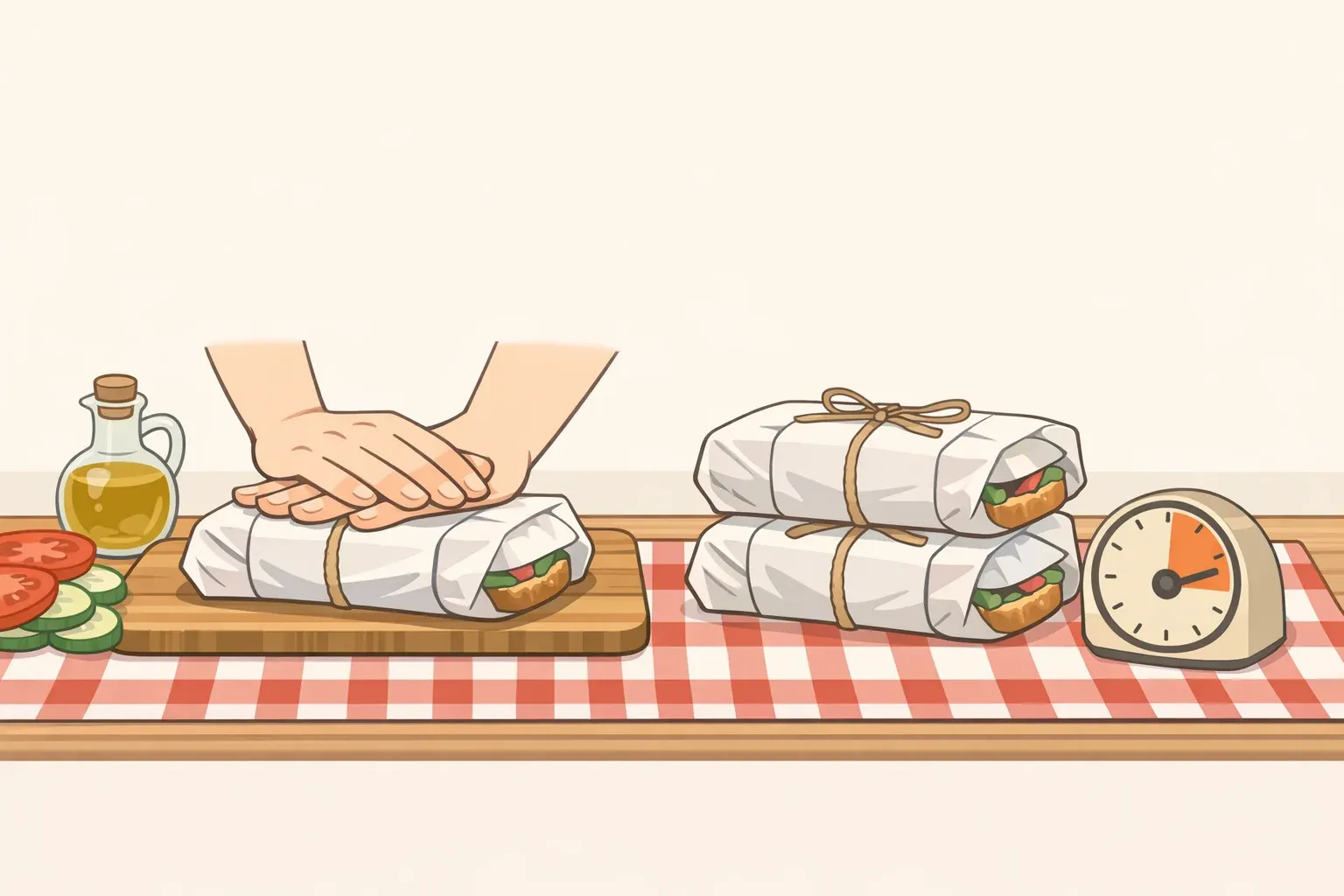
Wrap each sandwich tightly in parchment or foil. Place it on a cutting board and set something heavy on top, such as a cast-iron skillet or Dutch oven.
Press for 10 minutes, flip the sandwich, then press for another 10 minutes. Refrigerate for at least 3 hours. Overnight gives the bread, tomato, and olive oil more time to settle into one another.
Pressing compacts the layers, helps the bread absorb the oil and tomato, and keeps the sandwich from falling apart when sliced.
If you are short on time, a brief rest can still help the bread absorb the tomato and olive oil, but keep the sandwich cold if you are packing it for later. It will eat fine after a short rest, but it will not have the fully melded texture that makes pan bagnat worth planning ahead.
Step 7: Transport and serve
Keep the sandwich wrapped until ready to eat. Slice it in half when serving.
Because pan bagnat contains tuna and hard-boiled eggs, pack it in a cooler with ice or frozen gel packs and keep it at 40°F or below until serving. Once it is out of the cooler, do not leave it unrefrigerated for more than 2 hours, or more than 1 hour if the temperature is above 90°F.
Bring napkins. A good pan bagnat should be compact enough to travel, but juicy enough that olive oil and tomato reach every bite.
Common pan bagnat mistakes
Most pan bagnat problems come back to the same few variables.
If the bread collapses, the rolls were probably too fresh or soft. Use day-old bread, or leave fresh rolls out uncovered for a few hours before assembly. The crumb needs density so it can absorb moisture gradually.
If the sandwich tastes wet instead of flavorful, the sliced tomatoes may not have been drained, or the grated tomato pulp may have gone on too thick. Drain the tomato slices before layering and spread the grated pulp thinly.
If the flavors taste flat, the sandwich was probably under-seasoned or sliced too soon. Salt the tomatoes, season the vegetables, and give the sandwich at least 3 hours in the refrigerator.
How to use this method again
Pan bagnat solves a simple picnic problem: dry bread, olive oil, ripe tomatoes, a tight wrap, and a heavy weight do most of the work.
The same method works with a baguette if you want a longer sandwich for slicing and sharing. Make it the night before, keep it cold, and slice it when you are ready to eat.




Comments
Be the first, drop a comment!