




Refrigerated gnocchi skips the pot of boiling water entirely. It goes straight from the package onto a hot sheet pan with sausage and fall vegetables, and the whole meal cleans up with one pan.
Getting sheet pan gnocchi and sausage with fall vegetables right, instead of ending up with mushy squash next to gummy gnocchi, comes down to sequencing: dense vegetables like butternut squash and Brussels sprouts need a head start on the pan, since they take longer to turn tender than gnocchi takes to brown.
This staged approach works best with refrigerated gnocchi intended for skillet or pan cooking, which can brown and crisp at the edges without parboiling while staying tender inside. Shelf-stable brands can behave differently in the oven, so check the package directions before assuming the same method applies.
Taste of Home notes that homemade gnocchi should be boiled before it goes into the oven for its version. Gnocchi format changes the method as much as anything else in this recipe, which is why the steps below flag what to check at each stage rather than just handing over a fixed clock.
This method is adapted from techniques tested across several sheet pan recipes rather than one single tested recipe, so treat the timings as starting points and confirm doneness before moving on to the next stage.
What You'll Need
Serves: 4
Prep: about 15 minutes to cut the squash, halve the Brussels sprouts, and prep the sausage
Active roasting time: roughly 45 minutes, done in stages
Total time: plan for about an hour once prep and a couple of doneness checks are factored in
Difficulty: beginner-friendly; nothing here is harder than cutting even cubes and reading a thermometer
Pan: one rimmed metal half sheet pan, or two standard sheet pans split evenly if that's what's on hand
Gnocchi: refrigerated gnocchi suitable for skillet or pan cooking; see the adjustments section for other types
Ingredients:
1 pound refrigerated gnocchi
12 ounces raw mild or hot Italian sausage, casings removed, pinched into roughly 1-inch pieces
1 pound butternut squash, cut into ¾-inch cubes
8 ounces Brussels sprouts, halved
1 medium red onion, cut into ¾-inch slices
4 cups curly kale, stemmed and torn
5 tablespoons olive oil, divided, plus about 1 teaspoon more for the pan
1 teaspoon kosher salt, divided (½ teaspoon for the vegetables, ¼ teaspoon for the gnocchi and sausage, ¼ teaspoon for the kale)
½ teaspoon black pepper
1 teaspoon garlic powder, divided
1 teaspoon Italian seasoning, divided
2 tablespoons lemon juice
1 teaspoon lemon zest
3 tablespoons grated Parmesan, stirred in, plus more for serving if wanted
Instant-read thermometer
The sausage here is raw, not precooked, which is why the thermometer check in the steps below isn't optional.
Before You Start
Rub a rimmed metal half sheet pan with about a teaspoon of oil using a paper towel, just enough for a thin, even coat.
A well-oiled pan or a layer of parchment both help keep gnocchi from sticking, and Cook with Riley notes that giving gnocchi enough room on the pan also helps it crisp instead of steaming in its own moisture.
Give everything space, even if that means splitting the ingredients across two pans.
Preheat the oven fully to 425°F with the oiled pan already inside. Starting with a hot pan helps the gnocchi crisp and the sausage brown faster than a cold pan would.
If the only pans on hand are smaller, split the ingredients across two standard sheet pans instead of crowding one.
Put both in the oven on separate racks, then swap their positions and rotate each pan front to back at the point the single-pan method calls for a stir. Expect the two pans to finish within a couple of minutes of each other rather than at the exact same moment, so check both before moving on.
Decide the food-safety number before starting.
The USDA recommends cooking raw sausage made from ground pork or beef to at least 160°F, and raw poultry sausage to 165°F.
Color isn't a reliable way to judge doneness, especially with ground sausage that's already browned on the outside.
How to Make Sheet Pan Gnocchi and Sausage With Fall Vegetables
Toss the squash, Brussels sprouts, and onion with 2 tablespoons of the oil, ½ teaspoon salt, and half the garlic powder and Italian seasoning. Pull the hot pan from the oven, spread the vegetables in a single layer, and slide the pan back in right away. They should sizzle as soon as they hit the metal.
Roast for about 12 to 15 minutes as a starting point, then check the squash with a fork. It should meet slight resistance, not slide in easily and not stay hard. If it's still tough to pierce, give it another 5 minutes before adding anything else. Squash that's still underdone here may not have enough time to catch up once the gnocchi and sausage are sharing the pan.
Toss the gnocchi and sausage with the remaining 2 tablespoons of oil, ¼ teaspoon salt, the black pepper, and the remaining garlic powder and Italian seasoning. Scatter the mixture over the partly roasted vegetables instead of stirring everything into one pile, so the sausage stays exposed on top where it can brown.
Roast for about 18 to 20 minutes as a starting point, then check the sausage and the gnocchi separately. Insert the thermometer into the thickest sausage piece. It needs to read 160°F for pork or beef, or 165°F for poultry. Then look at the gnocchi on its own; it should be golden at the edges.
If the sausage is at temperature but the gnocchi still looks pale and soft, push it toward the edges of the pan for more direct heat and roast 3 to 5 more minutes just to color it.
If the gnocchi is already golden but the sausage hasn't hit temperature, keep roasting in 3-minute intervals and recheck with the thermometer each time. Don't stop just because things look browned.
If the squash or Brussels sprouts are still firm at this point, push the gnocchi and cooked sausage to one side or move them to a clean plate, then give the vegetables 5 to 10 more minutes alone before combining everything again.
Toss the kale with the last tablespoon of oil and the remaining ¼ teaspoon salt, massaging it briefly the way Cook with Riley does with its own kale. Scatter it over the hot pan and roast for a few minutes, stirring once and checking every minute or two, until it's wilted but still has some bite. This hasn't been tested as a fixed window for kale specifically, so watch it instead of setting a timer and walking away.
For extra color, broil for a couple of minutes, but only after the sausage has already reached a safe temperature. Skinnytaste suggests this step for readers who want deeper browning. Stay at the oven the whole time; broilers work fast and can go from golden to burnt with barely any warning.
Off the heat, stir in the lemon juice, zest, and Parmesan directly on the hot pan. Taste of Home finishes its own sheet pan gnocchi with citrus and extra cheese right before serving. Skipping this step can leave the dish tasting flatter than it did going into the oven, since roasting can soften some of the brighter flavors.
Success looks like gnocchi that's golden and a little crisp at the edges, squash and Brussels sprouts that give easily to a fork, kale wilted but not limp, and sausage confirmed safe with a thermometer rather than a guess.
Serve the roasted gnocchi with sausage and vegetables right away, while the gnocchi still has some crunch to it.
Adjustments for Different Gnocchi, Vegetables, and Sausage
Homemade gnocchi: For this method, boil it first. Taste of Home's sheet pan version cooks homemade gnocchi before roasting. Drain it well, then add it at the same point the recipe calls for refrigerated gnocchi. It only needs the roasting time to brown.
Frozen gnocchi: Follow the package directions first. Taste of Home uses frozen gnocchi without thawing in its version, but brands can differ. If yours is suitable for roasting from frozen, treat the window in step 4 as a starting point and give it extra time if it still looks pale or firm.
Shelf-stable gnocchi: This can work depending on the brand. Skinnytaste successfully roasts shelf-stable gnocchi at 425°F without boiling it first, but texture varies. Avoid crowding the pan, and follow the package instructions if they conflict with this method.
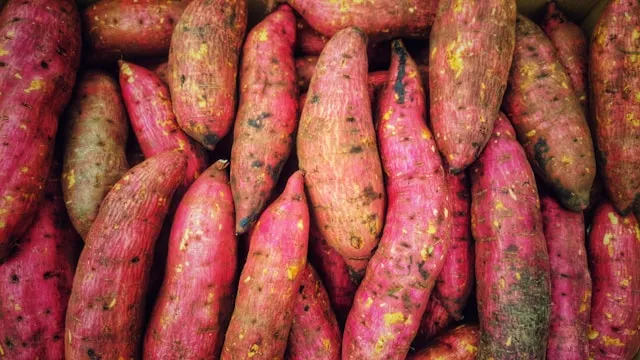
Vegetable swap: Cook with Riley swaps in honeynut squash or sweet potatoes for butternut squash at a similar cut size. Check them with a fork the same way as in step 2, since exact timing can shift with a different vegetable.
Sausage swap: Turkey or chicken sausage works in place of pork or beef. Raw poultry sausage needs to reach 165°F rather than 160°F. If using fully cooked sausage, like the chicken sausage in Skinnytaste's version, follow the package reheating directions and roast it until heated through and browned.
Storing and Reheating Leftovers
Refrigerate leftovers within two hours of cooking, or within one hour if the surrounding temperature is above 90°F.
The USDA says cooked leftovers can generally be refrigerated for 3 to 4 days. Using them within 3 days may give this dish better texture, but the fourth day is still within USDA food-safety guidance when the leftovers have been handled and refrigerated properly.
Store them in airtight, shallow containers so they cool quickly.
Reheat the gnocchi and sausage in a skillet over medium heat or in the oven for better texture. Skinnytaste recommends a skillet or oven because the microwave tends to leave gnocchi softer instead of restoring crisp edges.
Whichever method you use, USDA guidance calls for reheating leftovers to 165°F throughout.
Freezing works against the texture roasting is meant to build. Skinnytaste notes that freezing can change the gnocchi's texture.
If freezing is unavoidable, one option is to freeze the sausage-and-vegetable base and add fresh kale and the lemon-Parmesan finish after reheating. That's a texture workaround rather than a food-safety requirement.
Don't chase the exact first-night texture the next day. Slightly softer gnocchi after a night in the fridge is normal as long as the food was cooled and stored safely.


Comments
Be the first, drop a comment!