



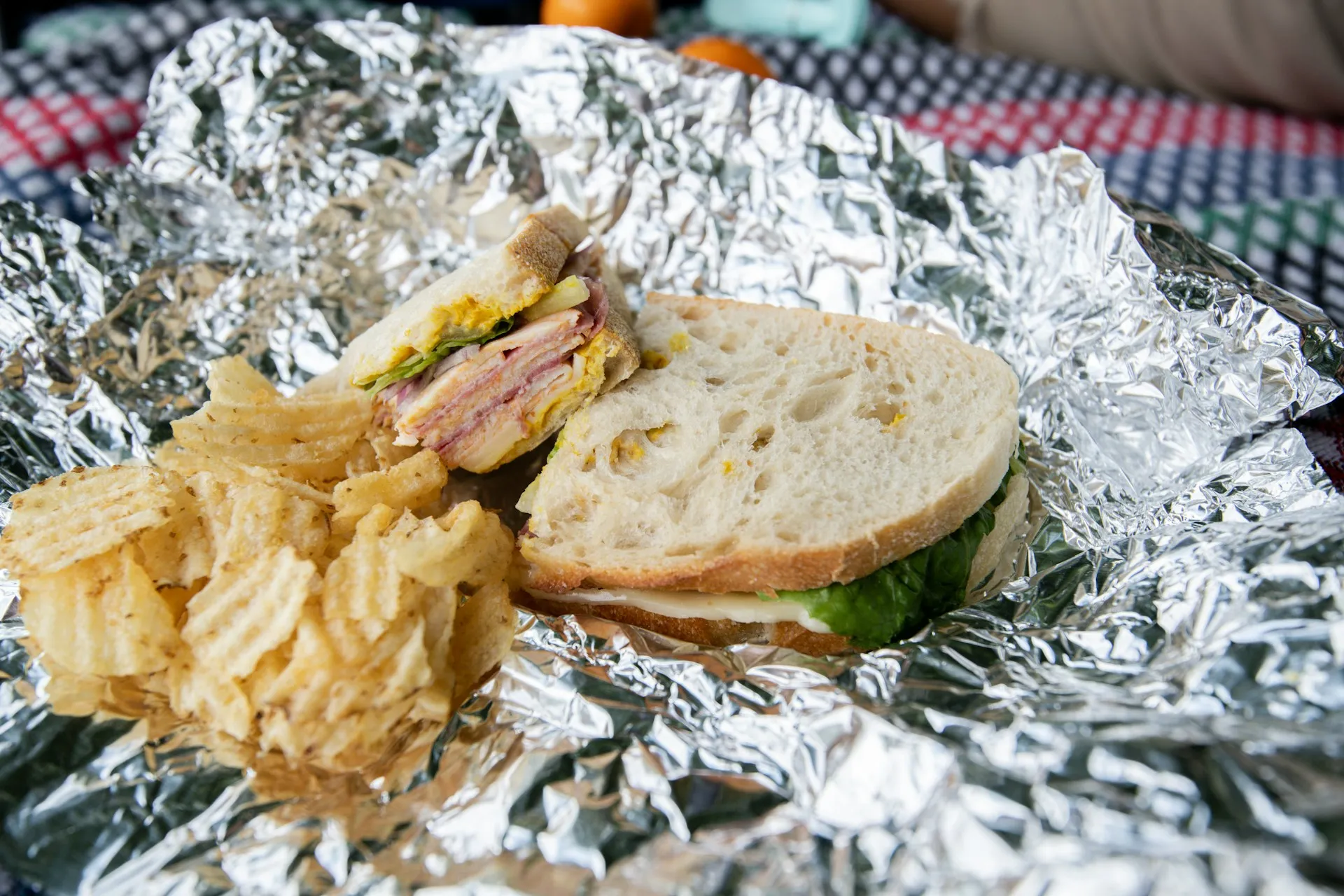
Stop Food Waste: Turn Scraps into Satisfying Meals with These Budget Hacks
You probably know the feeling: you open your fridge to leftover pizza, random vegetables that are about to turn, and maybe some rice from last night's takeout order. Instead of sighing and reaching for your phone to order more food, what if you could turn those odds and ends into something actually delicious? Here's the thing—this isn't just about being resourceful anymore. It's become essential. Nearly half of consumers are eating more leftovers than before, and with the average American family losing $1,500 annually by throwing away food, smart food hacks aren't just trendy Instagram content. They're your ticket to stretching that grocery budget while actually enjoying what you eat.
Difficulty: Novice
Time: 15-45 minutes per technique
Cost: Uses ingredients you already have
Why You'll Like This
These aren't your typical "eat the same meal three days in a row" leftover suggestions. We're talking about genuine transformations that make yesterday's dinner into today's favorite discovery. Plus, learning these techniques means you'll never stare helplessly into your fridge again, wondering what to cook. You'll start seeing possibilities instead of problems.
What You'll Need
Materials
Freezer bags (2-3 gallon-sized for scraps)
Airtight storage containers (various sizes)
Basic pantry staples (beans, grains, spices)
Tools
Standard cooking equipment (pans, pots, oven)
Air fryer or sheet pan (for crispy techniques)
Food processor or mixer (optional, for shredding)
Safety First
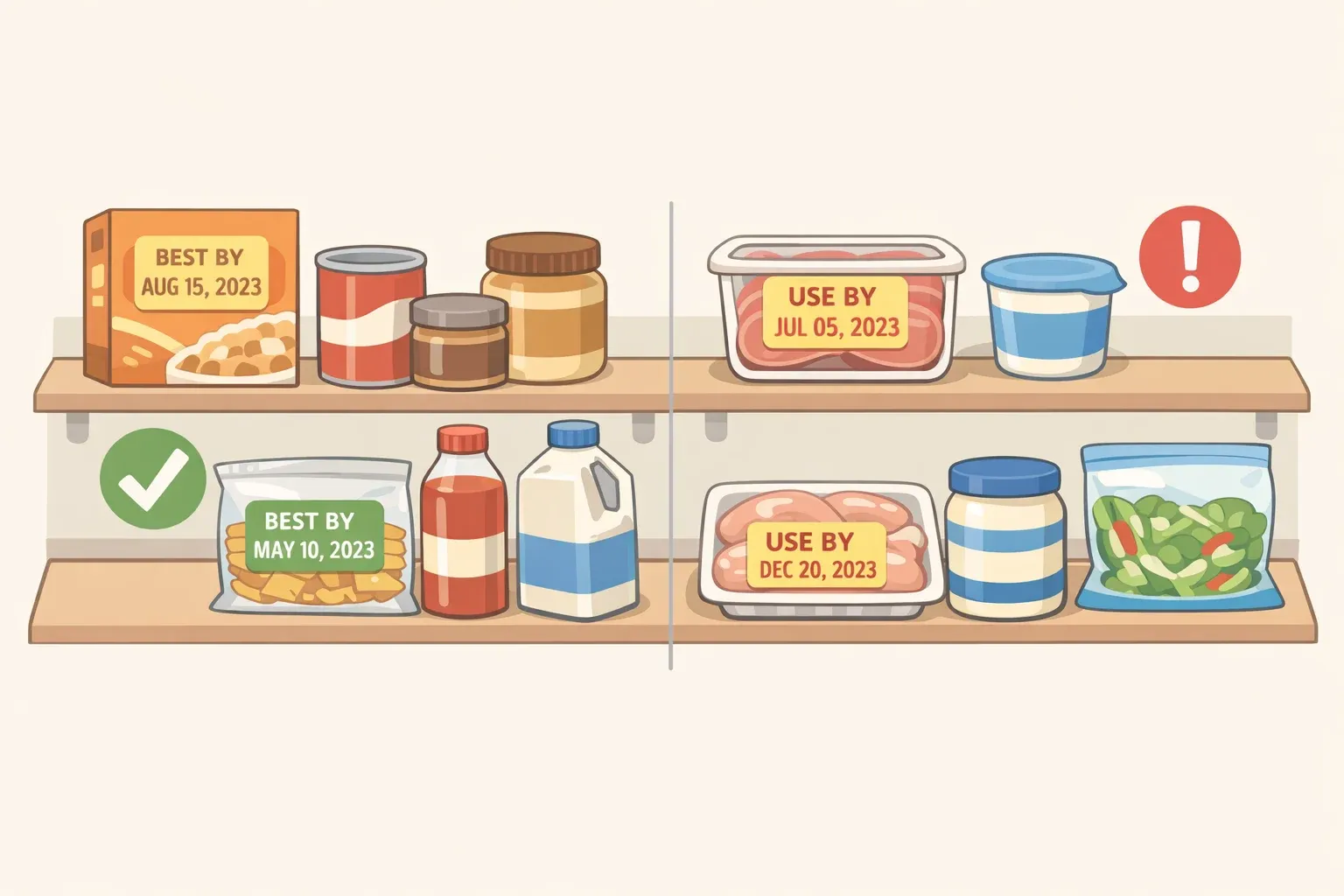
Always heat leftovers to 165°F (74°C) before eating
Refrigerate food within two hours of cooking
Store leftovers in airtight containers for 3-4 days maximum, or freeze for longer storage
Label freezer bags with contents and dates
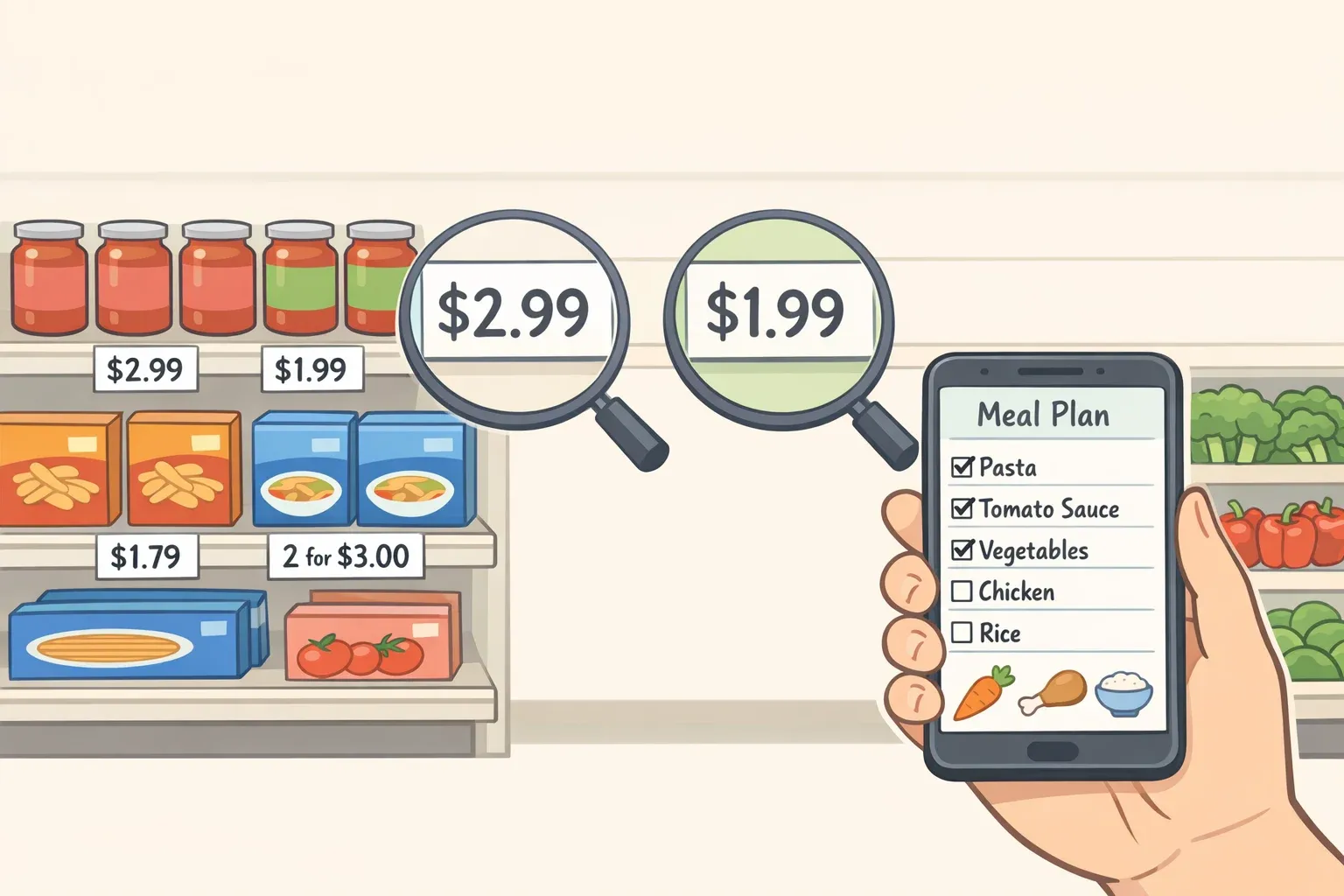
Turn your "leftover" mindset into a meal-planning strategy
The biggest game-changer isn't actually a cooking technique—it's how you think about food. Home cooks on social media are calling them "remixes" instead of leftovers, and that shift makes all the difference. Instead of cooking one meal and hoping for the best, you're planning proteins and base ingredients that work across multiple dishes.
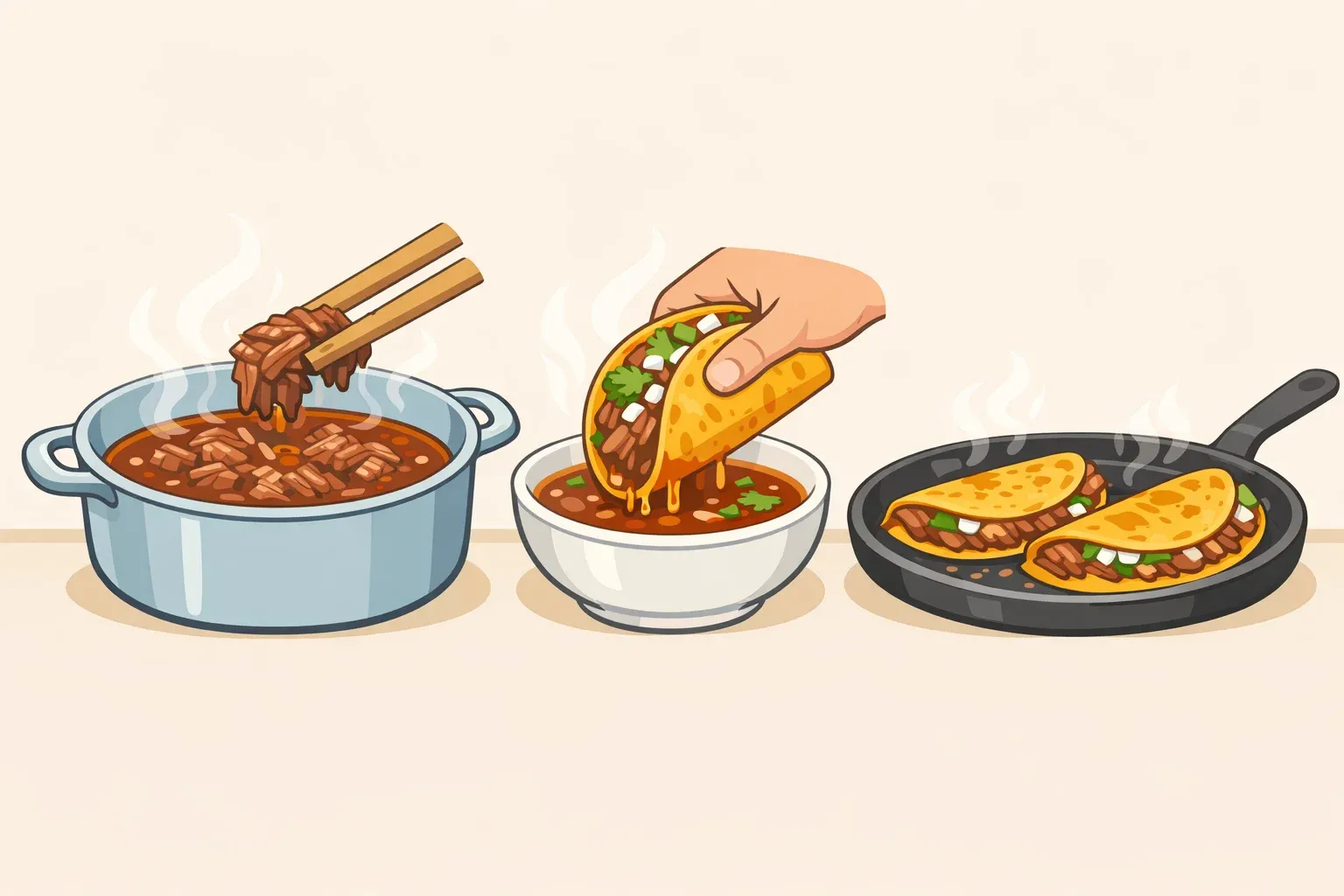
Here's the practical approach: when you cook that chicken breast on Sunday, simultaneously plan Tuesday's chicken salad wraps and Thursday's chicken fried rice. One cook explained that pot roast becomes filling for crescent rolls, taco meat, or an addition to French onion soup. This intentional planning transforms your cooking from reactive to strategic.
Weekly Planning Template:
Choose one protein that works hot and cold (chicken, beef, beans)
Pick two cooking methods (roasted, sautéed, slow-cooked)
Plan three applications before you start cooking
Tip: Start your week by cooking larger portions of versatile ingredients. This approach turns about 100 recipes into infinite possibilities, creating a functional cookbook that adapts to your real life.
Master the art of "fridge foraging" and scrap cooking
Now here's where things get interesting. Chef Amanda Frederickson helped make "fridge foraging" a social media trend by showing how to turn scraps into creative meals, and the technique has genuine staying power. You're building flavor foundations from ingredients that would otherwise hit the trash.
The Collection System:
Keep a "veggie scrap" bag in your freezer (onion peels, carrot tops, celery leaves, herb stems)
Maintain a "bone bag" for meat bones from meals or restaurants
Chicago architect Kelly Bair fills plastic bags with veggie scraps and leftover bones, eventually turning them into broth for soups, rice, and quinoa
When bags are full, simmer scraps with water for 1-2 hours for rich, free broth
Immediate Transformations:
Crisp up leftover pizza in a pan and scramble it with eggs for breakfast—the rendered fat from pepperoni creates incredible flavor
Turn Chinese takeout rice into fried rice dinners by adding frozen vegetables and soy sauce
Even BBQ rib bones from restaurants can join your "bone bag" collection for smoky broths
Why it works: Scraps contain concentrated flavors and natural thickeners (like vegetable starches and bone collagen) that create depth impossible to achieve with fresh ingredients alone.
Budget-friendly protein stretchers that actually work
Let's talk about the bean strategy—not because they're trendy, but because the math is undeniable. A 400g can of red kidney beans costs about $0.62 and provides 36% of a woman's daily protein needs plus a quarter of daily fiber. Compare that to meat: while a 150g sirloin steak costs $7.60–$10.15 and provides 25g protein, 200g of butter beans gives 14g protein for about $0.64.
The Extension Technique: Instead of replacing meat entirely, use beans as volume builders. A family chili can include a 400g can of kidney or black beans alongside 400g of beef, pork, or chicken. This doubles your protein servings while cutting per-serving costs by roughly 60%.
Bean Applications by Type:
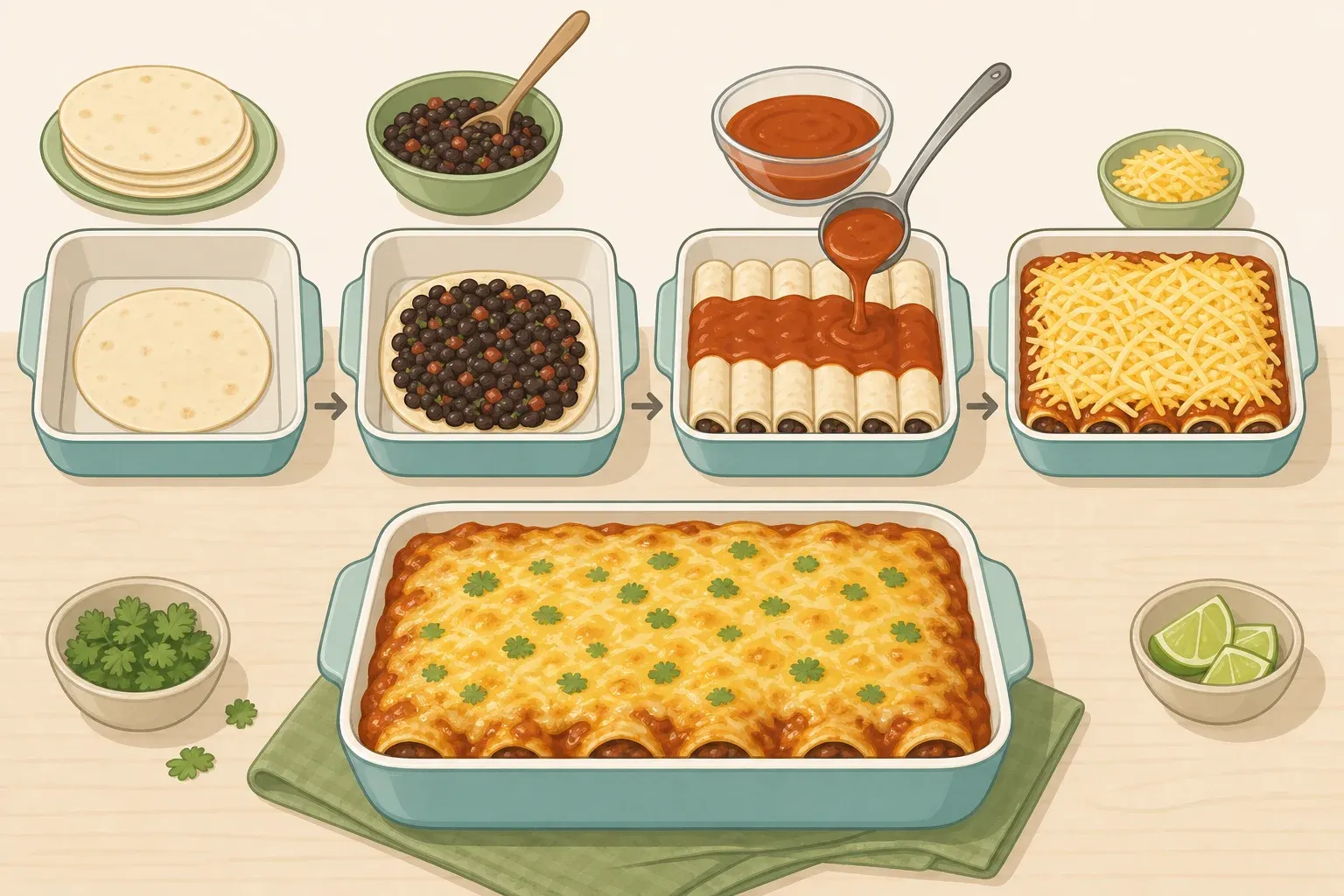
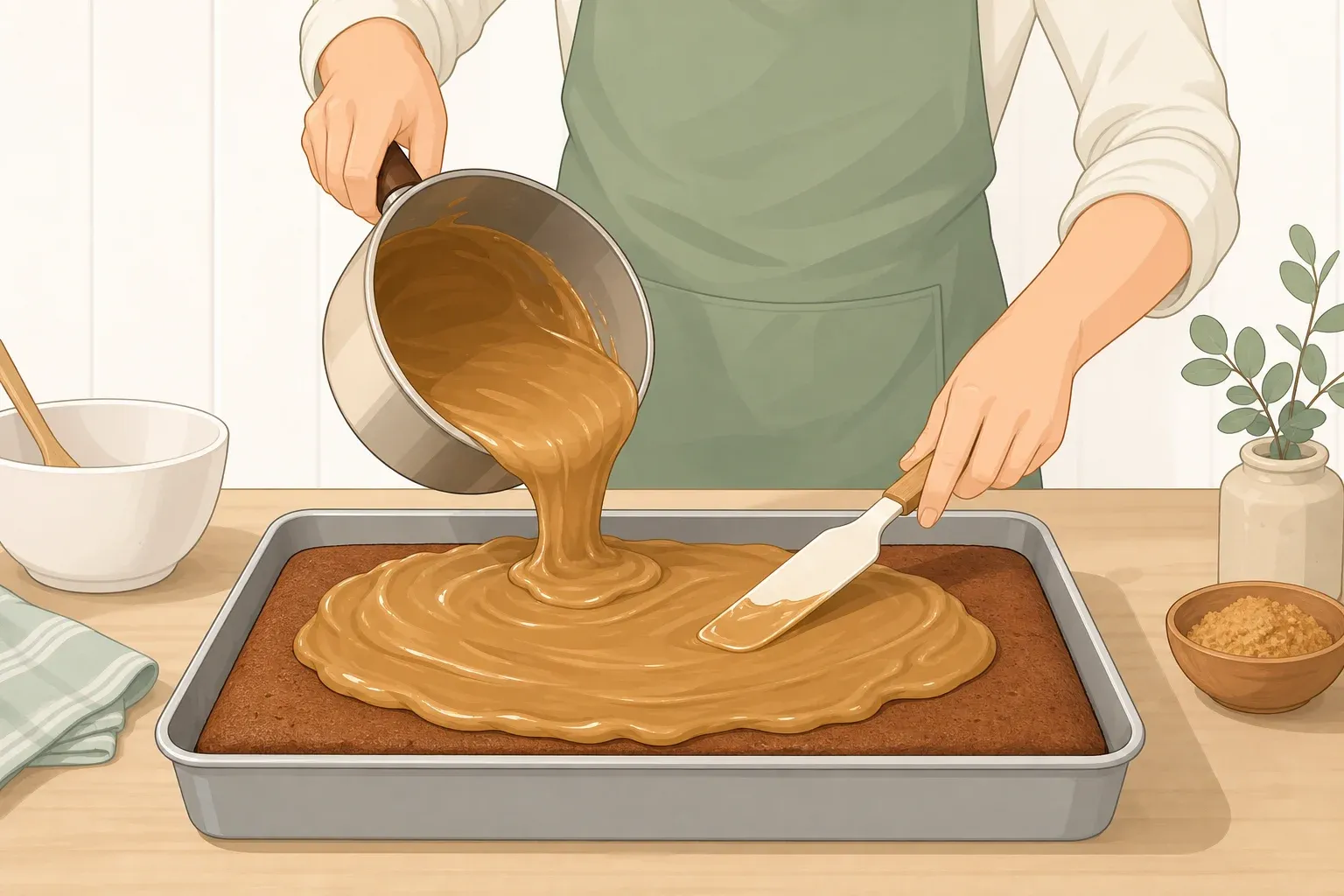
Black beans: Mexican dishes, burger patties, brownies (yes, really)
Kidney beans: Chili, curry, pasta salads
Cannellini (white beans): Italian soups, mashed as a side, tuna salad extender
Chickpeas: Roasted snacks, hummus, curry, pasta dishes
Advanced Strategy: Dried beans offer superior flavor and texture. Cook a large batch on Sunday in your slow cooker, then portion it into freezer containers. Bulk-buying beans isn't just budget-friendly, it's inflation-proof.
Tip: For crispy protein snacks, air fryer chickpeas cost less than a dollar per can and become crispy, protein-rich snacks when tossed with olive oil and spices, then cooked at 400°F for 10 minutes.
Simple cooking techniques that maximize every ingredient
Master these connected methods, and you'll transform how you approach cooking. Each technique builds on the others to create a complete system for ingredient efficiency.
The Parchment Paper Lid Method: A parchment paper lid creates a semipermeable barrier, allowing controlled evaporation and browning, giving you restaurant-quality results from basic ingredients. Cut parchment to fit inside your pot, and place it directly on the food surface. This technique works for transforming tough leftover meats into tender stew additions and concentrating flavors from vegetable scraps.
Connected Batch Cooking Strategy: Preparing larger quantities of grains, roasted vegetables, or proteins creates building blocks for multiple meals throughout the week. Use your parchment lid technique for slow-braising tough proteins, then shred them for multiple applications.
Multi-tasking for Efficiency: Chop vegetables while the oven preheats to maximize your time. While your beans roast in the air fryer, prep vegetables for tomorrow's stir-fry. While grains cook on the stovetop, portion and freeze the last batch's protein.
The Complete System:
Sunday: Batch cook grains and proteins using the parchment lid technique
Monday-Tuesday: Use fresh preparations with leftover components
Wednesday-Thursday: Transform remaining ingredients using an air fryer and quick techniques
Friday: "Fridge foraging" combinations from accumulated scraps
Complete storage system for maximum freshness
Proper storage isn't just about keeping food fresh—it's about creating an organized system that helps you see and use everything you have. Here's a comprehensive approach that extends ingredient life and prevents waste.
Fresh Ingredient Extensions:
Wrap cucumbers in paper towels before refrigerating prevents them from getting mushy
Chill onions in the refrigerator or freezer before slicing helps prevent tears and extends storage life
Peel bananas before freezing and store in ziplock bags for smoothies and baking
Flavor Preservation Systems:
Preserve herbs in ice cube trays with water and a little oil, then freeze for instant flavor additions
Keep fresh ginger frozen to grate directly into dishes—frozen ginger grates more easily than fresh
Container Organization Strategy:
Use clear, airtight containers with tight-fitting lids for 3-4 day storage
Label everything with contents and date using masking tape
Store frequently used items at eye level, specialty items higher up
Keep a "use first" section for items approaching expiration
Freezer Efficiency:
Flat-freeze liquids (broths, soups) in ziplock bags for space-saving storage
Use ice cube trays for portioning sauces, herb oils, and leftover wine for cooking
Freeze cooked grains and beans in measured portions (1 cup servings work well)
Safety Reminder: Refrigerate food within two hours and store leftovers in airtight containers for 3-4 days, or freeze for longer storage, always reheating to 165°F for food safety.
Cleanup & Disposal
Store unused bean portions in the refrigerator for up to 4 days or freeze for up to 3 months
Compost vegetable scraps if you're not saving them for broth (or start a scrap collection system)
Save bones and vegetable scraps in labeled freezer bags with dates
Clean storage containers thoroughly between uses with hot soapy water to prevent spoilage
Dispose of used parchment paper in compost if unbleached, regular trash if wax-coated
Troubleshooting
Problem: Beans make dishes too watery → Fix: Drain and rinse canned beans thoroughly, or mash 1/4 of them to naturally thicken dishes
Problem: Leftover proteins seem dry → Fix: Add moisture with homemade broth from scraps, or steam briefly with a splash of water before incorporating
Problem: Food spoils before you can transform it → Fix: Freeze components immediately after first meal, or switch to 2-day planning cycles instead of weekly
Problem: Scrap broth tastes weak → Fix: Roast vegetable scraps for 15 minutes before simmering, or add tomato paste for depth
Variations & Upgrades
Kid-friendly approach: Start with familiar base foods (pasta, rice) and gradually introduce new combinations
Vegetarian focus: Emphasize bean-based protein stretchers and mushroom-rich vegetable scrap broths
Advanced batch cooking: Dedicate 3 hours on Sunday to prep components, portion everything, and create grab-and-go combinations
Spice cabinet upgrade: Invest in cumin, smoked paprika, and garlic powder to transform simple ingredients into complex flavors
Why these techniques create real financial impact
The transformation goes beyond individual savings. The average American family loses $1,500 annually by throwing away food, and nearly 95% of shoppers have some budgeting responsibility for groceries. These techniques address both problems simultaneously.
The Compound Effect:
Bean extension technique alone can reduce protein costs by 40-60% per meal
Scrap collection eliminates waste while providing free broth worth $3-5 per batch
Strategic planning prevents duplicate ingredient purchases
Meal prep prevents impulse grocery purchases and reduces food waste, creating a positive cycle of savings
Real-World Application: Start with the remix mindset this week—choose one protein and plan three different applications before cooking. Add the bean extension technique next week. By month three, when you're collecting scraps and batch cooking strategically, you'll notice significant changes in both your grocery bills and your confidence in the kitchen.
Your future self (and your bank account) will thank you for building these habits now, when small changes create lasting impact.


Comments
Be the first, drop a comment!