



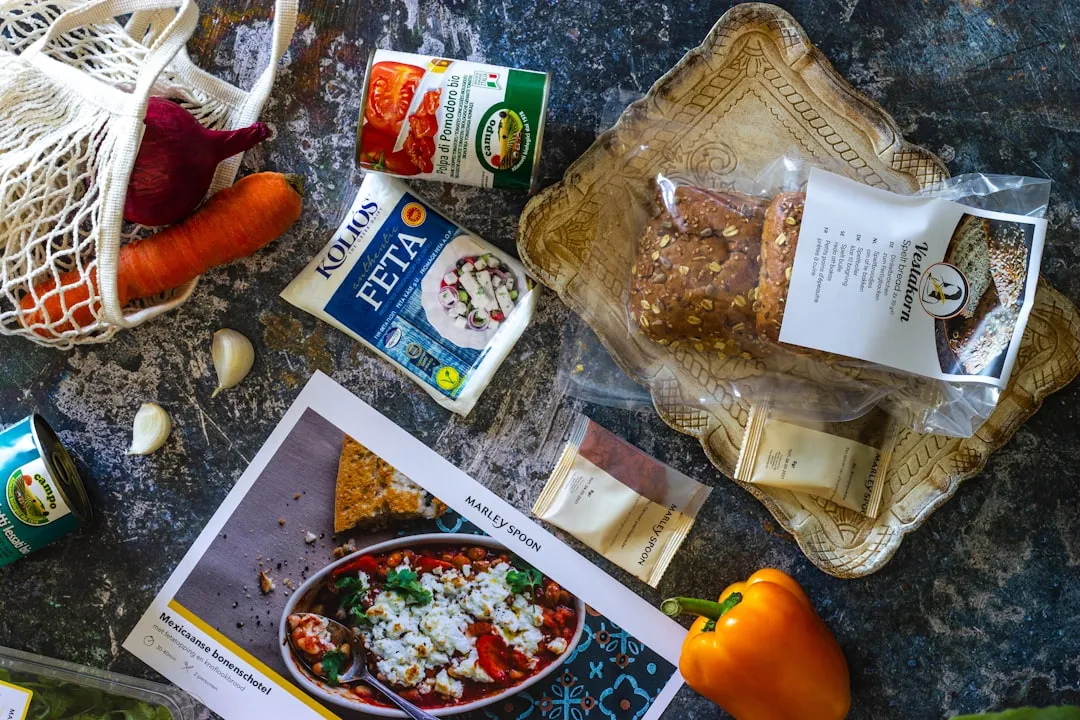
Kitchen Emergency Hacks: Turn Food Chaos Into Confidence
Difficulty: Novice
Time: 5-15 minutes per hack
Cost: Uses ingredients you already have
When your kitchen feels more like a disaster zone than a place to create meals, you need tricks that actually work—fast. Whether you're staring at wilted vegetables, racing against the clock, or trying to stretch your grocery budget, the right food hacks can turn chaos into confidence.
Professional chefs have mastered the art of efficiency out of necessity. Research shows they waste only 1-4% of their food, while home cooks lose about 21% of what they buy. The good news? Their time-tested techniques work just as well in your kitchen. Smart storage keeps ingredients fresh longer, with proper lemon storage extending freshness from one week to a full month. Meanwhile, simple tricks like the parchment paper lid method can transform ordinary stews into restaurant-quality dishes.
These aren't complicated techniques that require special equipment—they're practical solutions using what's already in your pantry, fridge, and utensil drawer.
Turn stale ingredients into fresh possibilities
That slightly soft produce and day-old bread aren't headed for the trash—they're your secret weapons for better meals. Stale bread transforms into perfect breadcrumbs for meatballs, giving you homemade texture that beats store-bought versions. The slightly dried texture actually absorbs seasonings better and won't get mushy when mixed with eggs and meat.
Tip: Grate stale bread on the large holes of a box grater, or pulse in a food processor for 10-15 seconds. Store in the freezer for up to 3 months.
Leftover vegetables can be chopped and frozen for 3-4 months, ready to boost soups, stews, and stir-fries whenever you need them. That half onion, those limp carrots, or the bell pepper starting to wrinkle become your flavor foundation. Chop them while they're still usable and store in freezer bags labeled with the date.
Why it works: Freezing breaks down cell walls, making vegetables release their flavors faster when cooking—actually improving soups and stews.
Frozen vegetables often go on sale and work especially well when fresh options are out of season. Even canned vegetables work if you rinse them first to reduce salt content, making them budget-friendly additions to any dish.
Quick preservation trick: Quick pickling extends vegetable life for about four weeks. Mix equal parts water and white vinegar (1/2 cup each), add 1 teaspoon salt and 1 teaspoon sugar. Heat for 30 seconds in the microwave, pour over sliced vegetables, and refrigerate.
Make meals go further without breaking the bank
When grocery prices climb, smart cooks know how to stretch every ingredient without sacrificing satisfaction. Adding beans to meat dishes provides protein while reducing costs and beans help thicken soups while adding bulk. Chili becomes the easiest example of this technique—use one can of beans for every half-pound of ground meat.
Tip: Canned beans require no soaking—just drain, rinse, and add to cooked dishes. Keep black beans, kidney beans, cannellini beans, and chickpeas stocked for variety.
Serving stew over mashed potatoes or rice, or chili over spaghetti, helps stretch meals by transforming a small portion of protein into a filling, satisfying dinner. This base-and-topping strategy makes every bowl feel substantial.
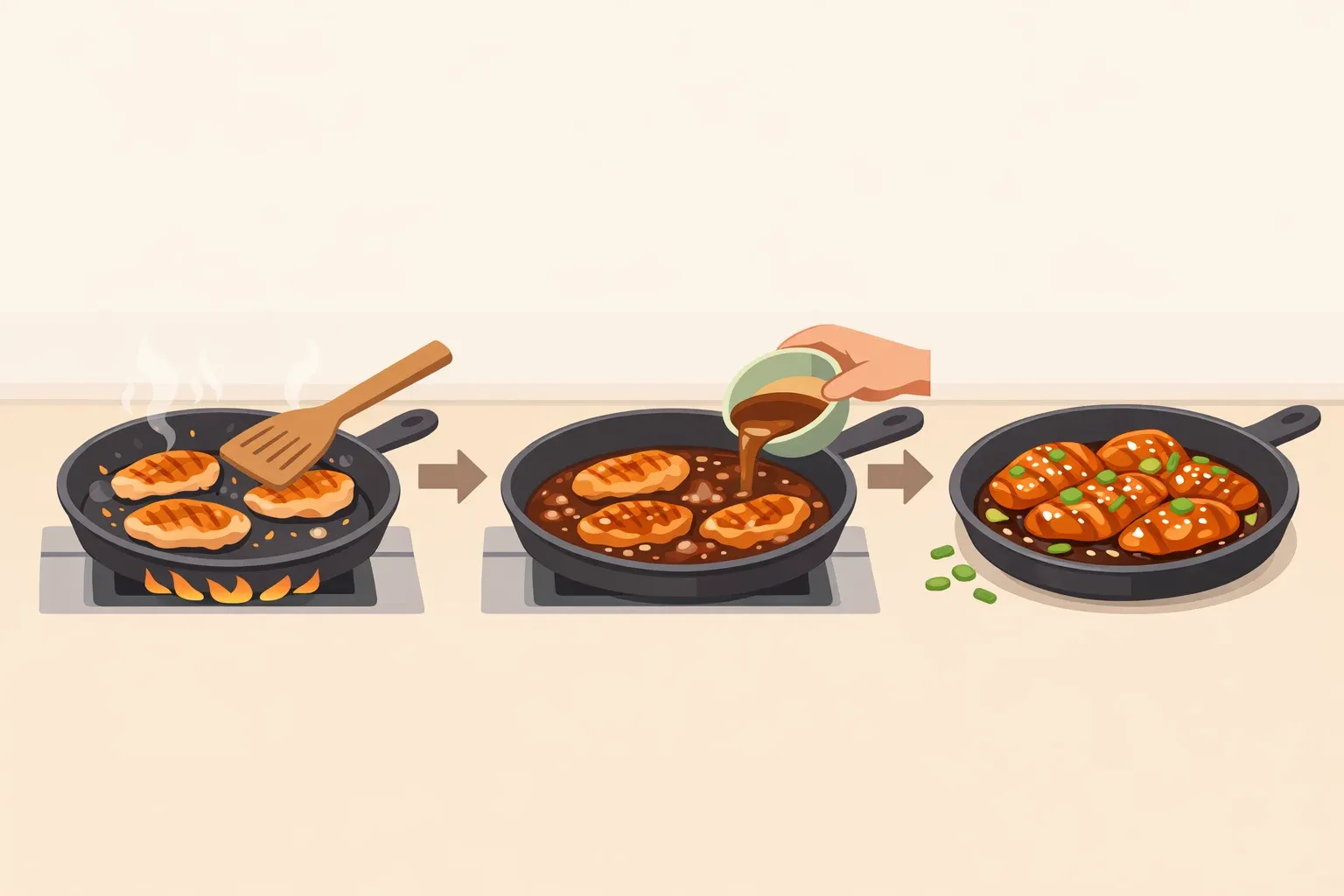
Here's a meal prep technique that saves both time and money: The three-pan method uses one sheet pan divided with foil into three compartments. Distribute equal portions of protein and season each differently, then add different sauces after cooking to create three distinct meals from one cooking session. You'll have three different dinners ready while only heating the oven once and washing dishes once.
Cost benefit: This method can reduce active prep and cleanup time and eliminates food boredom without buying extra ingredients.
Speed up cooking when time is short
Racing against the clock doesn't mean sacrificing flavor—it means choosing smarter ingredients and techniques. Many 15-minute meal recipes use ingredients already in your pantry, fridge, or freezer, and some don't even require turning on the stove.
Stock your freezer strategically with ingredients that need little to no actual cooking—just reheating. Precut vegetables save time, and frozen options last until you need them. Keep grilled chicken strips, cocktail shrimp, meatless burger patties, and even egg patties for easy breakfasts on hand. Simple frozen cauliflower rice provides a low-carb swap that's ready instantly.
Pro technique: The parchment paper lid method gives you restaurant-level control over quick-cooking dishes. This semipermeable barrier allows controlled evaporation and browning, and fits snugly inside pots while being adjustable during cooking. Position the paper so it curls downward toward the food to prevent lifting.
Why it works: Unlike a heavy lid, parchment allows precise moisture control. Remove it for the last 5 minutes to concentrate flavors, or leave it on for gentle, even cooking.
Master smart storage and prep
Proper storage transforms your ingredients from perishable burdens into ready-to-use assets. Whole lemons last about a week on the counter but up to a month in the fridge, especially when kept in airtight containers. Cut lemons, juice, and zest keep best when sealed tightly and chilled or frozen.
Storage upgrade: Freeze lemon juice in ice cube trays (2 tablespoons per cube) and lemon zest in small containers. You'll always have fresh citrus flavor available.
Build your emergency meal foundation with these strategic staples: Keep several bagged salads in your fridge for instant sides, wraps, and sandwich toppings. Having street-taco-sized tortillas means endless possibilities for quesadillas, wraps, and mini pizzas.
Think beyond intended uses for maximum flexibility. Multipurpose sauces and seasonings prevent boring repetition—dips, dressings, and sauces add flavor and prevent boredom. That chunky salsa becomes a simmer sauce for chicken. Ranch dressing works as a marinade. Hot sauce transforms plain rice into something exciting.
Leftover strategy: Many recipes taste better as leftovers, and repurposing them into different meals helps avoid waste while saving on future cooking. Freezing leftovers like soup, bread, and chili extends their life for future meals. Think of leftovers as ingredients for tomorrow's creativity, not tonight's repeat performance.
Your kitchen rescue toolkit is ready
These aren't just clever tricks—they're your pathway to confidence when cooking feels overwhelming. Reducing food waste can save households hundreds to over a thousand dollars annually (estimates vary by source). The EPA estimates the cost of household food waste at about $728 per person per year, but these methods help you join the ranks of efficient home cooks who make every ingredient count.
Start with one technique that matches your biggest kitchen challenge—whether that's extending fresh ingredients, speeding up meal prep, or stretching your grocery budget. Nearly 95% of shoppers have some budgeting responsibility for groceries, so you're in good company when looking for ways to cook smarter, not harder.
Once you start using these hacks, they become second nature. You'll automatically think "breadcrumbs" when you see stale bread, reach for parchment paper when making stew, and see slightly wilted vegetables as freezer prep opportunities instead of kitchen failures.
Your next great meal is hiding in plain sight, waiting for the right hack to bring it to life.





Comments
Be the first, drop a comment!